
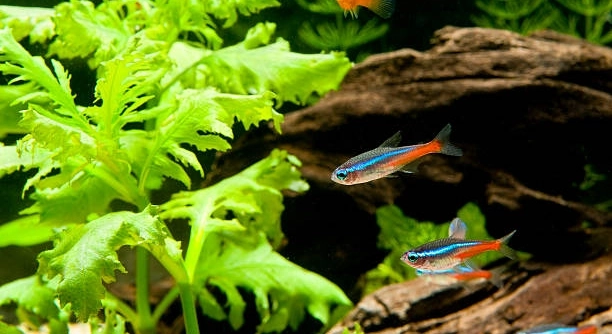
Neon Tetras are popular fish for aquariums, but their social behavior can sometimes be challenging. Improving their interactions is key to creating a harmonious environment. Understanding their needs and triggers helps enhance their social dynamics effectively.
To improve the social behavior of Neon Tetras, maintaining a suitable tank environment is essential. This includes providing ample space, stable water conditions, and proper tank mates. Additionally, ensuring a balanced diet and observing their behavior can significantly promote peaceful interactions.
Understanding these aspects can help you create a better environment for your fish, leading to a more enjoyable aquarium experience.
Provide a Suitable Tank Environment
Neon Tetras thrive in tanks with stable water conditions and enough space to swim freely. A tank size of at least 10 gallons is recommended for a small school of Neon Tetras. They prefer temperatures between 72-78°F and slightly acidic water. Adding live plants and hiding spots helps mimic their natural habitat, giving them places to hide and feel secure. Avoid overcrowding, as this can lead to stress and aggressive behavior. Proper filtration is also important to maintain clean water, which in turn reduces the risk of disease and supports overall health.
Creating a peaceful environment with soft, diffused lighting is also crucial. Neon Tetras prefer low to moderate light, which reduces stress and supports their natural behavior. Additionally, selecting compatible tank mates will prevent aggression. Ensure that any other fish in the tank are peaceful species, as Neon Tetras can be easily intimidated by more aggressive fish.
Neon Tetras thrive in environments that mirror their natural habitat, promoting peaceful interactions among the group. Adjusting the tank setup to suit their needs will encourage better social behavior and reduce stress. Keep in mind that regular water changes and monitoring of tank conditions are necessary for their long-term well-being.
Choose Compatible Tank Mates
Neon Tetras are peaceful, small fish and do best with similarly sized, non-aggressive tank mates. Avoid fish that might see them as food, such as larger carnivores. Species like Corydoras catfish or small shrimp can work well.
Incompatible tank mates, such as larger predatory fish, can lead to stress or even injury for the Neon Tetras. It’s essential to keep fish that share the same temperament, which helps ensure a harmonious environment. Additionally, consider the swimming patterns of your tank mates; species that swim in different levels of the tank (e.g., bottom dwellers vs. top swimmers) help reduce competition for space.
Choosing compatible tank mates enhances social behavior by allowing the Tetras to interact freely without stress or fear. Creating a peaceful community tank fosters a relaxed environment for your Neon Tetras, encouraging them to exhibit natural, social behaviors.
Maintain a Stable Feeding Schedule
Feeding Neon Tetras consistently is key to improving their social behavior. They do well with small portions of food twice a day, but be mindful not to overfeed. Uneaten food can pollute the water, leading to poor water quality and potential aggression among tank mates.
A regular feeding schedule ensures that all fish are fed adequately without competition. Neon Tetras are active feeders, so their behavior improves when they don’t feel threatened by other fish during feeding times. Avoid introducing new fish during meals to prevent stress or territorial behavior. Keep portions small to maintain water quality and avoid excess waste.
Establishing a stable feeding routine promotes calmness and cooperation among your Tetras. This also helps prevent fighting over food, which can be a sign of stress. The more predictable the feeding environment, the more comfortable your Tetras will feel, encouraging peaceful interactions.
Observe and Address Signs of Stress
Stress negatively impacts the social behavior of Neon Tetras. Signs of stress include erratic swimming, hiding, or a decrease in appetite. If your Tetras are showing these behaviors, it’s essential to assess the water quality and tank conditions.
Water temperature, pH, and ammonia levels can all influence the behavior of your fish. If any of these factors are off, it can cause stress, making your Tetras more withdrawn or even aggressive. If you notice constant hiding, it may be a sign of incompatible tank mates or overcrowding. Immediate changes to the environment, such as adjusting water conditions or adding more hiding spaces, can help.
Reducing stress in your Neon Tetras will encourage more social and relaxed behavior. Providing a calm, stable environment is key to ensuring they feel secure and interact peacefully. Remember, observing your Tetras’ behavior is essential for identifying any issues early on, allowing you to address them promptly.
Use a Schooling Approach
Neon Tetras are schooling fish, meaning they thrive in groups. It’s recommended to keep at least six in a tank to encourage their natural social behavior. Larger groups provide a sense of security and reduce stress.
A small school of Neon Tetras can feel vulnerable, making them more likely to exhibit fearful behavior or aggression. When they are in a larger group, they feel safer and more confident. This also allows them to interact with each other more freely, promoting a peaceful and active environment.
The size of the group directly impacts the Tetras’ comfort level. Having a larger school encourages them to behave naturally, with less anxiety and more social engagement. This simple adjustment can help enhance their overall well-being.
Introduce New Tank Mates Slowly
Introducing new fish to the tank too quickly can disrupt the social balance. When adding new tank mates, it’s best to do so gradually to allow the Tetras time to adjust.
Adding new fish in stages gives the existing Tetras time to familiarize themselves with the changes. This slow approach reduces stress and helps prevent territorial behavior. Always monitor interactions between the new and established fish to ensure harmony. If aggression is observed, consider adjusting the tank layout or moving more aggressive species.
By giving your Neon Tetras time to adjust, you’ll help foster a more peaceful, social environment where everyone can coexist. A slow introduction reduces conflict and allows the Tetras to adapt smoothly to their new surroundings.
Keep the Tank Clean
Regular tank maintenance is essential for maintaining healthy water conditions and preventing stress. Performing weekly water changes helps to remove toxins and maintain optimal water quality for your Neon Tetras.
Maintaining a clean tank also prevents the buildup of waste that can cause water conditions to deteriorate. Use a good filtration system and ensure that your tank is properly cycled. Clean decorations and remove uneaten food to avoid contaminating the water. A healthy environment reduces stress and encourages your Tetras to interact more peacefully.
Clean water supports the overall health of your Neon Tetras and fosters a better social environment for them to thrive. Consistent maintenance promotes a stress-free habitat and encourages natural behaviors.
FAQ
What is the ideal tank size for Neon Tetras?
Neon Tetras thrive in a tank that’s at least 10 gallons. This size gives them enough space to swim freely and reduces stress. Smaller tanks can cause overcrowding and negatively affect the social behavior of the fish. Larger tanks also allow for more plants and hiding spots, which help create a more natural environment.
How many Neon Tetras should I keep together?
Neon Tetras are schooling fish, and they feel more comfortable when kept in groups of six or more. Keeping them in small groups can make them feel vulnerable and lead to stress. A larger school encourages them to act naturally and promotes a peaceful atmosphere.
Can Neon Tetras live with other fish?
Neon Tetras can live with other peaceful fish, but it’s important to choose tank mates that are not aggressive. Fish like Corydoras catfish, small shrimp, and other non-aggressive species work well. Avoid larger fish or predators that may see Neon Tetras as food. Always monitor interactions to ensure no one is being bullied.
What water conditions do Neon Tetras need?
Neon Tetras prefer slightly acidic water with a pH level between 6.0 and 7.0. The water temperature should be kept between 72°F and 78°F. They also need clean water, so a good filtration system is essential. Regular water changes and proper maintenance help prevent poor water quality, which can stress the fish.
What should I feed my Neon Tetras?
Neon Tetras enjoy a variety of foods, including high-quality flakes, pellets, and live or frozen foods like brine shrimp or daphnia. Make sure to feed them small portions twice a day. Overfeeding can lead to water pollution and stress, so remove any uneaten food to keep the tank clean.
Do Neon Tetras need live plants in their tank?
While not absolutely necessary, live plants benefit Neon Tetras. They help maintain water quality and provide hiding spots, which reduce stress. Plants also mimic the fish’s natural habitat, making them feel more secure. If live plants aren’t an option, you can use artificial plants, but they don’t provide the same benefits.
Why are my Neon Tetras hiding?
Hiding can be a sign of stress, illness, or aggression from tank mates. Ensure the tank is not overcrowded and that the water conditions are ideal. Providing more hiding spots, such as plants or decorations, can help your Neon Tetras feel safer. If the behavior continues, check for any signs of disease or poor water quality.
How do I know if my Neon Tetras are stressed?
Stressed Neon Tetras may display erratic swimming, hiding, or reduced activity. They might also lose their appetite or show changes in color. Stress can be caused by factors like poor water conditions, aggressive tank mates, overcrowding, or sudden changes in their environment. Monitoring their behavior closely and addressing the source of stress is key.
Can I keep Neon Tetras with shrimp?
Neon Tetras and shrimp can coexist in a tank, as long as the shrimp are large enough not to be seen as food. Shrimp like Amano shrimp or cherry shrimp work well with Neon Tetras. Be sure to monitor them for any signs of aggression or stress, especially during feeding times.
What do I do if my Neon Tetras are not schooling together?
If your Neon Tetras aren’t schooling, it could be due to stress or an inadequate group size. Ensure the tank is large enough and contains proper hiding spots. Stress can also cause them to become more territorial. If the behavior persists, check the water quality and make sure the tank mates are compatible.
How do I improve Neon Tetra breeding behavior?
If you’re trying to breed Neon Tetras, creating the right environment is essential. Use a breeding tank with soft, slightly acidic water and maintain temperatures between 75°F and 80°F. Provide plants or spawning mats where the females can lay eggs. Make sure to separate the adults after breeding, as they might eat the eggs.
Why are my Neon Tetras chasing each other?
Chasing can be a sign of territorial behavior or stress, especially in smaller tanks. Ensure that your Tetras are in a sufficiently large group and that they have enough space to swim. If aggressive behavior persists, consider adding more hiding spots or adjusting tank mates to reduce competition and stress.
Can Neon Tetras live without a filter?
While it’s possible to keep Neon Tetras without a filter, it’s not recommended. A filter helps maintain clean water, removes waste, and ensures oxygen flow. Without proper filtration, water quality will quickly deteriorate, leading to stress and potential health issues for the fish. Regular water changes can help but are not a substitute for a good filtration system.
How can I tell if my Neon Tetras are healthy?
Healthy Neon Tetras are active, swim in schools, and have bright, vibrant colors. They should be eating regularly and not displaying signs of illness like faded color, abnormal swimming, or lethargy. Regular observation helps catch any issues early, ensuring your fish stay happy and healthy.
How do I reduce aggression among Neon Tetras?
Aggression among Neon Tetras is often a sign of stress or environmental issues. To reduce aggression, make sure the tank is large enough, water quality is maintained, and there’s enough hiding space. Keeping them in schools of six or more also helps, as solitary or small groups can lead to anxiety and territorial behavior.
Do Neon Tetras need to be kept in schools all the time?
Yes, Neon Tetras should be kept in schools, as they are schooling fish by nature. Keeping them in groups helps reduce stress, promotes more natural social behavior, and enhances their overall health. If they are kept alone or in too small of a group, they may become more vulnerable to stress and illness.
Final Thoughts
Neon Tetras are peaceful, social fish that thrive in the right environment. They require a proper group size, stable water conditions, and compatible tank mates to exhibit their best behavior. These small fish are ideal for aquariums with other non-aggressive species, as long as they have enough space and hiding spots to reduce stress. Keeping Neon Tetras in schools of six or more ensures that they feel secure and comfortable in their habitat, which promotes natural social interactions. It’s also important to monitor the water quality regularly, perform regular tank maintenance, and make adjustments as needed to maintain optimal conditions.
Creating an ideal habitat for Neon Tetras involves more than just meeting their basic needs. Their social behavior flourishes when they are given the chance to interact with other fish in a peaceful and enriching environment. Adding live plants, for example, not only enhances the aesthetic of the tank but also offers them hiding spots, further reducing stress and allowing them to exhibit natural behaviors. In addition, slow introductions of new fish and gradual changes to their environment help avoid sudden disruptions that could cause anxiety or aggression. These small adjustments can go a long way in ensuring the well-being of your Tetras.
Ultimately, improving Neon Tetra social behavior boils down to understanding their needs and providing an environment where they can feel safe and thrive. While they may be small, their social and environmental requirements are just as important as those of larger fish. Whether you’re a beginner or experienced aquarium keeper, applying the tips discussed will help you build a balanced and healthy aquarium. This leads to a more enjoyable experience for both the fish and the keeper, ensuring that your Neon Tetras live long, healthy, and social lives in their tank.

Hello,
If you enjoy the content that we create, please consider saying a "Thank You!" by leaving a tip.
Every little bit helps us continue crafting quality advice that supports the health, happiness, and well-being of pets around the world, for pets of all shapes, sizes, and species.
We really appreciate the kindness and support that you show us!