
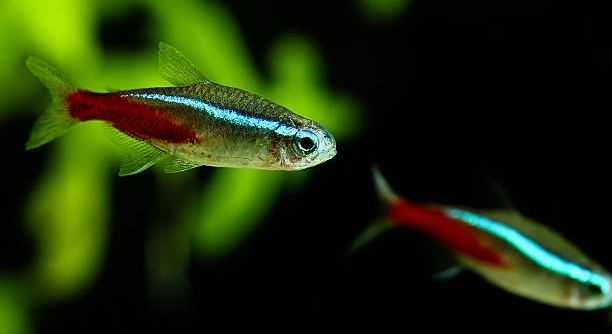
Neon Tetras are small and beautiful fish that require proper care to thrive. One essential factor to keep in mind is ensuring they get enough oxygen in their environment. Here are seven ways to help.
The most effective way to ensure your Neon Tetras get enough oxygen is by maintaining proper tank aeration. Using an appropriate filter, adding air stones, and ensuring water movement can significantly increase oxygen levels, supporting their overall health.
These methods will help you create an ideal environment for your Neon Tetras. Proper oxygenation is essential for their well-being and longevity.
Water Filtration and Oxygen Distribution
A good filter is an essential tool in maintaining proper oxygen levels in your tank. It helps keep the water clean by removing waste and debris, preventing oxygen depletion. A filter with adequate water flow encourages surface agitation, allowing more oxygen to mix into the water. When selecting a filter, ensure it is suitable for the size of your tank and has an adjustable flow rate. Neon Tetras prefer gentle currents, so avoid overly powerful filters that could stress your fish.
Maintaining a good filter system is key. Clean and check the filter regularly to keep it working efficiently. It’s easy to overlook this maintenance, but without it, oxygen distribution can suffer.
In addition to cleaning the filter, consider installing a surface skimmer to remove organic matter that might float on the water’s surface. This will increase oxygen exchange, as the surface area of the water will be free from obstructions. Over time, maintaining proper filtration will result in healthier, happier Neon Tetras.
Oxygenating Plants
Aquatic plants not only enhance the beauty of your aquarium but also help oxygenate the water. Plants absorb carbon dioxide and release oxygen during photosynthesis, improving the water quality for your Neon Tetras. Adding plants like Anubias, Java Fern, or Hornwort can provide a natural source of oxygen. When selecting plants, ensure they thrive in the same water conditions as your Neon Tetras.
A balance of plants in the tank helps stabilize oxygen levels, but it’s important not to overcrowd the tank with too many. Overcrowding can lead to competition for light and nutrients, which could harm both the plants and the fish. You may need to trim the plants occasionally to maintain a healthy environment.
It’s also important to note that while plants provide oxygen during the day, they consume it at night. This means you must balance plant growth with other oxygenation methods to avoid depletion at night. Having a mix of oxygenating plants and tools like air pumps ensures a well-oxygenated environment for your fish around the clock.
Fish Stock and Oxygen Demand
The number of fish in your tank affects oxygen levels. Overcrowding can lead to oxygen depletion, as too many fish will compete for the available oxygen. It’s important to stock your tank with an appropriate number of fish based on its size. A general rule is one inch of fish per gallon of water, but this can vary depending on the species and their specific needs.
Neon Tetras are small fish, but they still require adequate space and oxygen to thrive. Keep an eye on how your fish behave. If you notice your Neon Tetras swimming near the surface or gasping for air, this could be a sign that the oxygen levels are too low. If this happens, consider reducing the number of fish or improving aeration.
Additionally, avoid adding too many new fish at once. Introducing too many fish to an already populated tank can cause an immediate drop in oxygen levels. Introduce new fish gradually, giving the tank enough time to adjust to the changes. By maintaining a balanced fish stock, you help ensure that your Neon Tetras have enough oxygen to thrive.
Regular Water Testing
Regular testing is crucial for ensuring your Neon Tetras are getting the oxygen they need. By testing water parameters, such as pH, ammonia, and nitrite levels, you can identify issues before they affect oxygen distribution. If any of these levels are too high, oxygen levels can decrease, causing stress for your fish.
Testing the water once a week is a good practice. Use a reliable test kit to measure the essential water parameters. If you notice any irregularities, take immediate action to correct them. Adding aeration tools or performing a water change can help boost oxygen levels in the tank.
The quality of the water is directly linked to the well-being of your Neon Tetras. Proper water testing helps maintain stable and healthy conditions, preventing issues that could harm your fish. Keep an eye on the test results, and adjust your tank’s setup accordingly to ensure optimal oxygen levels at all times.
Tank Lid and Oxygen Flow
The lid of your aquarium can have an impact on oxygen levels. While a lid is necessary to prevent fish from jumping, it can also reduce the amount of oxygen exchange at the water’s surface. A tight-fitting lid can trap carbon dioxide inside, reducing the oxygen available to your fish.
If you’re using a lid, consider leaving small gaps to allow for proper airflow. The gaps should be large enough to encourage oxygen exchange but small enough to keep your fish safe. You can also invest in a lid with ventilation or use a mesh cover to promote airflow without compromising safety.
Using a lid with ventilation holes will help maintain good air circulation, especially if you’re running an air pump. This will reduce the likelihood of stagnant air and improve oxygen levels for your Neon Tetras. Regularly check the lid to ensure it hasn’t become clogged with debris or algae, which could block airflow.
Avoid Overfeeding
Overfeeding your Neon Tetras can lead to poor water quality and lower oxygen levels. Excess food decomposes in the tank, leading to higher ammonia levels, which deplete oxygen. Stick to feeding your fish small amounts that they can consume within a few minutes.
To prevent overfeeding, observe your fish during feeding time. Remove any leftover food promptly to keep the tank clean and oxygen levels stable. This also reduces the risk of water contamination, which can lead to other health issues for your fish. A regular feeding schedule is key to maintaining a healthy tank.
Maintain Good Tank Circulation
Good water circulation ensures that oxygen is evenly distributed throughout the tank. Without proper movement, areas of stagnant water can form, lowering oxygen levels in those regions. This can lead to stress or suffocation for your Neon Tetras, especially in densely planted tanks.
Use a filter or water pump to keep the water moving. Aim for a gentle flow, as Neon Tetras prefer calm waters. You may need to adjust the filter’s position to achieve optimal circulation without creating strong currents. By ensuring proper movement, you support the overall health of your fish.
Adjust Tank Lighting
Tank lighting influences the oxygen levels in your aquarium. During the day, plants use light to perform photosynthesis, producing oxygen. However, too much light can lead to algae growth, which competes with your plants for oxygen at night.
Consider adjusting your tank lighting schedule to prevent excessive algae. A cycle of 8-10 hours of light per day is ideal for most aquarium plants. You can also use low-light plants that won’t overcompete for oxygen, especially in smaller tanks. Maintaining a balanced lighting schedule helps support your fish and plants.
FAQ
How can I tell if my Neon Tetra isn’t getting enough oxygen?
Neon Tetras will often display signs of oxygen deprivation when they swim near the surface, gasping for air. They may also appear sluggish or have trouble swimming properly. If you notice these behaviors, it’s time to check the water parameters and ensure proper aeration.
What’s the best way to increase oxygen levels in my tank?
The most effective way to boost oxygen levels is by improving water circulation with a filter or water pump. You can also add an air stone or air pump to increase oxygen exchange at the surface. Regular water changes help maintain water quality and oxygen levels.
Can plants help provide oxygen for my Neon Tetras?
Yes, plants play a key role in oxygenating the tank. During the day, they absorb carbon dioxide and release oxygen through photosynthesis. Including oxygenating plants like Anubias, Java Fern, and Hornwort can improve water quality for your Neon Tetras. However, remember that at night, plants consume oxygen, so balance is essential.
Should I use an air pump for my Neon Tetras tank?
An air pump can help increase oxygen levels, especially if your tank lacks proper surface agitation. It’s a good idea to use one in larger tanks or if your filtration system doesn’t create enough water movement. Just be careful not to create strong currents, as Neon Tetras prefer calm water.
What water temperature is best for Neon Tetras?
Neon Tetras thrive in water temperatures between 72-78°F (22-26°C). Water that is too warm or too cold can stress your fish and affect oxygen absorption. Maintaining a stable temperature within this range ensures your fish are comfortable and able to breathe efficiently.
How often should I change the water in my tank?
A water change of 25-30% every two weeks is ideal for maintaining a healthy environment. Frequent water changes help prevent waste buildup, which can lead to oxygen depletion. If you have a larger tank or more fish, you may need to change the water more often.
Can overcrowding reduce oxygen levels in my tank?
Yes, overcrowding can severely reduce oxygen levels. Too many fish in a small space leads to more competition for oxygen and more waste production. Always ensure your tank is properly stocked according to its size. A good rule is 1 inch of fish per gallon, though this can vary based on species.
Is it okay to have a lid on my tank?
Having a lid is fine, but make sure it doesn’t block oxygen exchange. A tight-fitting lid can restrict airflow and reduce the amount of oxygen that enters the tank. Consider using a lid with ventilation holes or a mesh cover to allow air circulation while keeping your fish secure.
How do I know if my filter is working properly?
A filter should be creating surface agitation and keeping the water clear. If the water is cloudy or there is no movement at the surface, it may be time to clean or replace the filter. Regularly check the filter for clogs or damage to ensure it’s functioning correctly.
How does the pH of the water affect oxygen levels?
The pH level can affect the solubility of oxygen in water. If the pH is too high or too low, oxygen becomes less available to your fish. For Neon Tetras, a pH range of 6.0-7.0 is ideal. Test the pH regularly and adjust it if necessary to ensure optimal oxygen availability.
Can a surface skimmer help with oxygenation?
Yes, a surface skimmer can help by removing organic matter like fish waste and uneaten food that may block the water’s surface. By clearing debris, a skimmer allows for better oxygen exchange between the water and air, improving the oxygen levels in the tank.
Are there any specific tank setups that are better for oxygenation?
In a planted tank, ensure the plants are well-maintained and not overcrowding the tank. You can use a sponge filter for gentle water movement and ensure proper aeration with an air stone. Proper filtration and water movement are crucial for oxygenation in any tank setup.
Final Thoughts
Ensuring your Neon Tetra has enough oxygen is crucial for their overall health and well-being. When oxygen levels drop too low, your fish can become stressed, weak, or even die. This can happen due to poor water circulation, overcrowding, or imbalanced water conditions. It’s essential to maintain a clean and well-oxygenated environment for your fish to thrive.
Regular water testing, maintaining proper filtration, and adjusting your tank setup as needed are all important steps in providing a healthy habitat for your Neon Tetras. You can also improve oxygen levels by using aeration tools like air stones or air pumps, ensuring that the water moves enough to avoid stagnant areas. Additionally, controlling the number of fish in your tank and keeping the water temperature within the recommended range will further support healthy oxygen levels.
With the right maintenance and attention to detail, it’s easy to provide your Neon Tetras with the oxygen they need to stay active and healthy. By monitoring the water quality, making necessary adjustments, and offering a comfortable living space, you ensure the best chance for your fish to thrive. Proper care not only helps your Neon Tetras live longer but also prevents common health issues caused by low oxygen levels.

Hello,
If you enjoy the content that we create, please consider saying a "Thank You!" by leaving a tip.
Every little bit helps us continue crafting quality advice that supports the health, happiness, and well-being of pets around the world, for pets of all shapes, sizes, and species.
We really appreciate the kindness and support that you show us!