
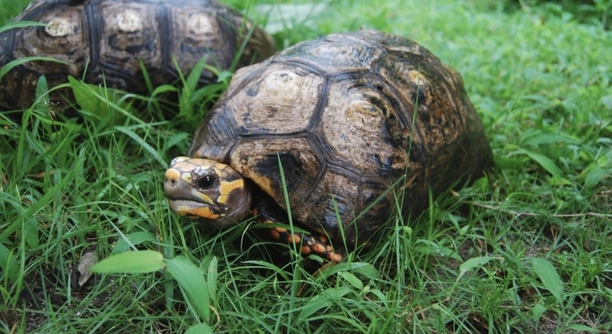
Is your red-footed tortoise’s water getting dirty too quickly? Keeping their water fresh is essential for their health and hydration. Proper maintenance prevents bacteria buildup and ensures a clean, safe environment for your tortoise to drink and soak in.
The best ways to keep your red-footed tortoise’s water fresh include using a shallow dish, changing the water daily, cleaning the bowl regularly, and placing it away from food. Proper filtration and monitoring water quality also help maintain freshness.
A clean water source supports your tortoise’s overall well-being. Understanding the best methods to maintain freshness will ensure a healthier and more comfortable habitat for your pet.
Change the Water Daily
Keeping your red-footed tortoise’s water fresh starts with changing it daily. Stagnant water quickly accumulates dirt, food particles, and waste, which can lead to bacterial growth. Replacing the water each day ensures a clean drinking source and reduces the risk of contamination. Fresh water is essential for hydration and overall health, especially in warm environments. If the water looks cloudy or has debris, replacing it immediately prevents potential health issues. Consistency is key, and making daily water changes a habit will keep your tortoise comfortable. A simple routine makes a significant difference in maintaining water quality.
Even if the water appears clean, invisible bacteria can still develop. Daily changes eliminate unseen risks and create a healthier habitat for your tortoise. This small effort improves their well-being.
Along with daily changes, using filtered or dechlorinated water can enhance water quality. Tap water sometimes contains chemicals that may not be ideal for reptiles. Using water conditioners or letting tap water sit overnight helps remove chlorine. Clean water contributes to a stress-free environment, promoting natural behaviors like soaking and drinking. Keeping the bowl in a shaded, stable area can also prevent rapid evaporation and excessive debris buildup. Small adjustments help maintain freshness longer.
Use a Shallow Water Dish
A shallow water dish is ideal for your red-footed tortoise because it reduces contamination and is easier to clean. Deep bowls can trap waste and make access difficult. A dish with low sides allows easy drinking and soaking while minimizing debris buildup.
Selecting the right dish helps maintain fresh water throughout the day. Shallow bowls prevent food and substrate from mixing in, which keeps the water cleaner for longer. Tortoises often walk through their water, so a dish with a stable base prevents tipping. A ceramic or heavy plastic dish works best, as they are durable and less likely to be overturned. The size should accommodate your tortoise’s needs without taking up too much enclosure space.
Regularly scrubbing the dish removes algae and bacteria, keeping the water safe. Using a dedicated brush and mild, reptile-safe cleaner ensures no harmful residue is left behind. Rinsing thoroughly before refilling prevents unwanted chemicals from affecting your tortoise. A well-chosen water dish and proper maintenance go a long way in providing clean, fresh water.
Clean the Water Dish Regularly
Bacteria and algae build up quickly in a water dish, making frequent cleaning essential. Scrubbing the bowl every few days removes harmful residue and prevents contamination. A dirty dish can lead to infections and discourage your tortoise from drinking or soaking.
Use warm water and a reptile-safe cleaner to scrub the dish thoroughly. Avoid harsh chemicals, as they can leave harmful residues. A dedicated brush helps remove stubborn grime. Rinse the dish well to ensure no cleaning products remain. Regular cleaning prevents biofilm buildup, keeping the water safe and fresh for longer.
Drying the dish before refilling helps reduce bacterial growth. If possible, rotate between two dishes so one can dry completely while the other is in use. This method ensures continuous cleanliness. Monitoring the dish for algae or mold helps maintain hygiene. A clean water source supports your tortoise’s health and hydration every day.
Keep the Water Dish Away from Food
Food particles easily contaminate water, making placement important. Keeping the water dish separate from feeding areas prevents leftover food from mixing in. Tortoises tend to drag food into the water, which accelerates bacterial growth and makes the water dirty faster.
Positioning the dish in a different part of the enclosure keeps it cleaner for longer. If possible, place it on a flat surface away from substrate to minimize dirt entering. Some tortoises enjoy soaking, so having a separate water source for drinking and bathing can help maintain freshness. Choosing a stable location prevents tipping and accidental spills.
Changing feeding habits can also reduce water contamination. Feeding on a tray or designated area keeps loose food from spreading. Removing uneaten food promptly further reduces the risk of debris ending up in the water. A well-placed dish makes a noticeable difference in water quality.
Use Filtered or Dechlorinated Water
Tap water often contains chlorine and other chemicals that may not be ideal for reptiles. Using filtered or dechlorinated water ensures a safer drinking source. Letting tap water sit overnight allows chlorine to evaporate, making it a simple way to improve water quality.
Water conditioners designed for reptiles quickly neutralize harmful chemicals. These products remove chlorine, chloramines, and heavy metals, creating a cleaner hydration source. Bottled spring water is another option, but it can be costly for regular use. Ensuring high water quality helps prevent potential health issues over time.
Monitor Water Temperature
Water that is too warm promotes bacteria growth, while water that is too cold can discourage drinking. Keeping the water at a stable, moderate temperature ensures freshness and encourages hydration. If the enclosure has a heat source, place the water dish in a shaded area to prevent overheating.
Remove Debris Throughout the Day
Leaves, food, and waste can quickly dirty the water. Checking the dish a few times a day and removing debris keeps it fresh. Using a small net or paper towel makes cleaning easy without replacing all the water, helping maintain cleanliness between full water changes.
FAQ
How often should I clean my red-footed tortoise’s water dish?
Ideally, you should clean the water dish every few days. Regular cleaning prevents bacteria and algae buildup, ensuring a safer and cleaner drinking source for your tortoise. If the water looks cloudy or has debris, it’s best to clean it immediately. Cleaning once a week is the bare minimum, but more frequent cleaning is preferable to maintain water quality.
Can I use tap water for my tortoise?
Tap water can be used, but it’s important to treat it first. Many tap waters contain chlorine and other chemicals that may harm your tortoise. Let the water sit for 24 hours to allow chlorine to evaporate. Alternatively, you can use a water conditioner designed for reptiles to neutralize harmful chemicals, or use filtered or dechlorinated water for the safest option.
What temperature should the water be for my red-footed tortoise?
Water should be kept at a stable, moderate temperature between 70°F and 80°F (21°C – 27°C). Water that is too hot encourages bacterial growth, while water that is too cold may discourage your tortoise from drinking or soaking. Keep the water in a shaded area away from direct heat sources to maintain the ideal temperature.
How do I prevent algae buildup in the water dish?
To prevent algae, clean the water dish regularly and make sure it’s not exposed to direct sunlight for prolonged periods. Algae thrive in warm, stagnant water with light exposure. Placing the dish in a shaded area and keeping the water fresh will reduce algae growth. If algae does form, scrub the dish with a reptile-safe cleaner.
Why is my tortoise not drinking from the water dish?
There could be several reasons why your red-footed tortoise is not drinking. The water may not be fresh, or it could be too cold or too warm. If the water doesn’t meet the tortoise’s preference, it may avoid drinking. Check that the water is clean and at the right temperature. If your tortoise is also not soaking, it could be a sign of stress or health problems, so consult a vet if needed.
Can I use bottled water for my tortoise?
Bottled water, such as spring water, can be used for your tortoise, but it’s not always necessary. While it may be free from chlorine and other chemicals, it can become expensive over time. If using bottled water, make sure it’s free from minerals or additives that could harm your tortoise. For most pet owners, dechlorinated tap water or filtered water is more economical and effective.
How do I know if the water is too dirty?
If the water looks cloudy, has visible debris, or has an unpleasant odor, it’s too dirty and should be replaced. Even if the water looks clear, bacteria can still build up, so it’s important to clean the dish regularly. Be proactive in maintaining water quality to avoid potential health issues for your tortoise.
What kind of water dish is best for my red-footed tortoise?
A shallow, sturdy water dish is ideal for a red-footed tortoise. Shallow dishes allow your tortoise to access water easily and reduce the chances of contamination from food or substrate. A dish that’s too deep could cause difficulty in accessing the water. Choose a heavy, ceramic dish that’s harder to tip over.
Can I use a water filter for my tortoise’s water?
Yes, a water filter can help improve water quality by removing debris, chemicals, and odors. If you use a water filter, make sure to clean it regularly to prevent it from clogging. A filtration system works well for large water containers or tanks but may be unnecessary for a small, shallow dish. Always monitor water quality to ensure it stays fresh.
How can I encourage my tortoise to drink more water?
If your tortoise is not drinking enough, you can try placing water near its feeding area or offering water in a different dish. Additionally, some tortoises may prefer slightly warm water, so experiment with temperature. You can also provide a shallow soak in a separate container to encourage hydration. If your tortoise still refuses to drink, it might be a sign of health issues, and a visit to the vet may be necessary.
Final Thoughts
Keeping your red-footed tortoise’s water fresh is essential for its health and well-being. A clean, properly maintained water source encourages hydration, which is crucial for digestion, skin health, and overall vitality. By cleaning the water dish regularly, you help prevent the growth of harmful bacteria and algae, reducing the risk of infections. Fresh water also supports natural behaviors like soaking and drinking, which are important for your tortoise’s comfort. Ensuring a clean environment promotes a healthier, happier tortoise in the long run.
Aside from regular cleaning, the type of water you provide plays a significant role. Tap water, while convenient, may contain chemicals that aren’t ideal for your tortoise. It’s best to treat it by letting it sit for a day or using water conditioners to neutralize harmful substances. Alternatively, filtered or dechlorinated water is a better option, ensuring the water remains safe and free of harmful elements. By making simple adjustments to the water quality, you can create a much safer and healthier environment for your pet.
Lastly, pay attention to the placement and temperature of the water dish. Keeping it in a shaded area and monitoring the temperature ensures the water stays at a comfortable level for your tortoise to drink and soak in. With proper care and attention to detail, you can ensure your red-footed tortoise remains well-hydrated and enjoys clean water daily. Regular maintenance, such as checking for debris and changing the water as needed, goes a long way in supporting your tortoise’s health.

Hello,
If you enjoy the content that we create, please consider saying a "Thank You!" by leaving a tip.
Every little bit helps us continue crafting quality advice that supports the health, happiness, and well-being of pets around the world, for pets of all shapes, sizes, and species.
We really appreciate the kindness and support that you show us!