
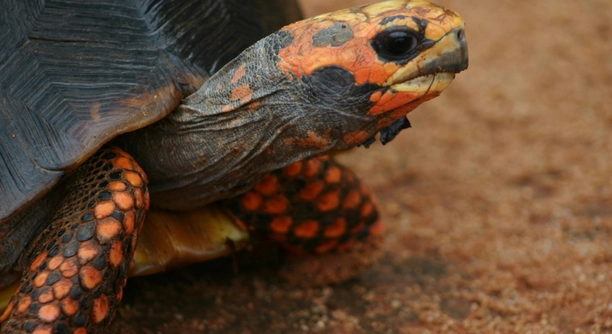
A red-footed tortoise’s behavior can be puzzling, especially when it starts scraping its beak. This can indicate various things that you may want to understand. There are a few common reasons behind this unusual behavior.
The primary cause of your red-footed tortoise scraping its beak could be related to its natural behavior, such as territorial marking or grooming. It may also indicate a possible health issue like beak overgrowth or environmental stressors affecting its comfort.
Understanding the causes of beak scraping will help you address your tortoise’s needs and keep it healthy in the long run.
Possible Causes of Beak Scraping
When a red-footed tortoise begins scraping its beak, it could be doing so for a number of reasons. It might be trying to clean or sharpen its beak, which is a natural part of their routine behavior. Tortoises often use their beaks to scratch or rub surfaces in their environment, and this can be mistaken for scraping. If your tortoise is kept in a naturalistic habitat, it might also scrape its beak on rocks or logs to mimic wild behaviors. However, some of these actions may be related to underlying issues that need attention.
It is important to consider the environment your tortoise is in. Inadequate humidity or dry conditions could lead to an overly dry beak, which may cause your tortoise to scrape it. Keeping their habitat humid and ensuring they have access to plenty of clean water can help prevent this behavior. Regularly monitoring your pet’s living space will ensure it’s not a factor contributing to discomfort.
Sometimes, beak scraping could signal health concerns like overgrowth or malnutrition. A beak that grows too long or doesn’t wear down naturally can become a problem, leading to scraping. If you notice any changes to the tortoise’s eating habits or difficulty closing its mouth, a visit to the vet might be needed.
How to Handle the Situation
If your red-footed tortoise is scraping its beak, assess its environment and diet to identify potential issues. Ensure the habitat conditions are suitable for your pet’s well-being.
Providing a well-balanced diet, keeping its enclosure clean, and maintaining proper humidity levels will help reduce beak scraping. Consider consulting a vet if the behavior persists. A professional can check for any growth or health issues that may require attention.
Beak Overgrowth and Its Effects
Beak overgrowth is a common issue for red-footed tortoises. When their beaks grow too long, they can have trouble eating or closing their mouths properly. This leads to constant scraping or rubbing as they try to manage the excess growth. Over time, it can cause more serious health concerns.
Regular monitoring of your tortoise’s beak is necessary to catch any early signs of overgrowth. If you notice that the beak doesn’t naturally wear down or if your tortoise seems to struggle with eating, it’s time to consider professional care. In some cases, trimming the beak may be required. This can be done by a vet or a trained specialist to ensure it’s done safely.
Without intervention, overgrowth can lead to discomfort and interfere with their feeding habits. Beak overgrowth is one of the more straightforward causes for scraping behavior and should be checked routinely to avoid further complications.
Importance of a Balanced Diet
A proper diet plays a significant role in preventing health issues related to beak scraping. A lack of essential nutrients can lead to beak deformities or excessive growth. Make sure your red-footed tortoise has a varied diet that includes leafy greens, fruits, and appropriate protein sources to support healthy beak development.
A diet that lacks key vitamins and minerals, such as calcium, can result in soft or irregular beak growth. This can make your tortoise more prone to scraping its beak to try to fix the issue. Supplementing their food with calcium powder can help prevent nutritional deficiencies and ensure the proper wear and growth of the beak.
Stress and Anxiety
Stress can also be a cause of beak scraping. When a tortoise feels threatened or uncomfortable, it might start exhibiting this behavior. Environmental changes or interactions with other pets can cause anxiety. Monitor your tortoise’s response to changes around its habitat.
If your red-footed tortoise is in a new environment or is facing loud noises or unfamiliar creatures, it may begin scraping its beak. This is its way of coping with stress. Provide a quiet, secure space for your tortoise to relax and recover from any stressful situation. A stable routine can help keep anxiety at bay.
Environmental Factors
Environmental factors like humidity and temperature directly affect the health of your tortoise’s beak. An enclosure that is too dry can cause discomfort, leading to scraping. Ensuring that the humidity levels are balanced can make a significant difference in preventing this behavior.
Maintaining proper humidity levels and temperature ensures that your tortoise’s beak remains healthy and comfortable. Too much dryness can lead to a lack of moisture in their beak, making scraping a common response. Regularly check the humidity and temperature to prevent environmental stressors from becoming a problem.
Regular Veterinary Checkups
Routine vet checkups are crucial in identifying underlying health problems that may not be visible. Your tortoise’s beak could be showing signs of health issues, such as infections, that require professional attention. A vet will help identify and treat any medical conditions that contribute to scraping.
Scheduling regular visits with a vet ensures your tortoise stays healthy and gets the care it needs. This proactive approach can prevent any serious conditions from going unnoticed, especially when it comes to beak health. A professional will check for infections, fungal growth, or other concerns that might lead to scraping.
FAQ
Why is my red-footed tortoise scraping its beak?
Beak scraping in a red-footed tortoise could be caused by several factors, such as overgrowth, environmental stress, or natural behaviors. It may scrape its beak to groom, sharpen it, or remove food remnants. However, it could also signal a health problem, like overgrowth or an underlying infection. Observing your tortoise’s behavior and keeping an eye on its eating habits can provide more insight into the cause.
How can I tell if my tortoise has a beak overgrowth?
If your tortoise’s beak seems longer than usual, uneven, or if it has difficulty eating, it might be a sign of beak overgrowth. The beak should typically wear down naturally from regular activities. If it does not, or if your tortoise struggles to close its mouth properly, it may need professional trimming. A vet can assess the severity of the overgrowth and provide solutions.
Can stress cause my tortoise to scrape its beak?
Yes, stress can lead to beak scraping. Tortoises that feel threatened or anxious may use scraping as a coping mechanism. Changes in their environment, such as new animals, loud noises, or unfamiliar situations, can cause stress. Creating a calm, secure space for your tortoise can reduce this behavior.
Is humidity important for my tortoise’s beak health?
Humidity plays a vital role in your tortoise’s overall health, including its beak. A dry environment can cause your tortoise’s beak to become too hard or brittle, leading to discomfort. Maintaining proper humidity levels will help keep the beak soft and flexible, preventing scraping as a result of dryness.
Should I trim my tortoise’s beak?
If you notice that your tortoise’s beak is overgrown, trimming may be necessary. However, it is important to have it done by a professional, such as a vet, to avoid causing injury. Attempting to trim the beak yourself could lead to complications, including infection. Regular vet checkups will help monitor the health of your tortoise’s beak.
What can I do to prevent beak scraping in my tortoise?
To prevent beak scraping, ensure that your tortoise has a balanced diet, a properly maintained habitat, and a stress-free environment. Offering a variety of foods, including leafy greens, and keeping the enclosure clean and at the right humidity will help. Regular vet visits will also keep track of any potential health issues that might cause scraping.
Can malnutrition cause beak scraping?
Yes, malnutrition can lead to beak scraping. If your tortoise is not receiving the right nutrients, particularly calcium and vitamin D, its beak might become soft or grow improperly. This can cause the tortoise to scrape its beak more frequently. Providing a varied, nutrient-rich diet will help support its overall health, including the beak.
Is it normal for my tortoise to scrape its beak on rocks or logs?
Yes, it is normal for tortoises to scrape their beaks on rocks or logs as part of their natural behavior. They may do this to sharpen their beak or as a way to mark their territory. However, if the scraping seems excessive or if your tortoise is showing signs of discomfort, it’s worth investigating other possible causes.
How often should I check my tortoise’s beak?
Checking your tortoise’s beak regularly is important to catch any signs of overgrowth or health problems early. It’s recommended to inspect the beak during routine cleaning of the enclosure or at least once a month. If you notice any changes, such as difficulty eating or a visibly overgrown beak, consult a vet promptly.
What should I do if I think my tortoise’s beak is infected?
If you suspect your tortoise’s beak is infected, it’s essential to see a vet as soon as possible. Signs of infection may include swelling, discharge, or an unusual odor. The vet will assess the infection and provide the appropriate treatment, which may include antibiotics or beak trimming to remove damaged tissue.
Can I help my tortoise’s beak by providing different foods?
Yes, offering a variety of foods can help maintain a healthy beak. Including fibrous foods, such as grasses, leaves, and hay, can naturally help wear down the beak. Avoid feeding your tortoise too many soft foods, as they won’t help with beak maintenance. A proper diet ensures overall health, which can prevent abnormal beak growth or scraping.
How can I reduce stress for my tortoise?
Reducing stress for your tortoise involves providing a stable environment with minimal changes. Keep the habitat quiet, clean, and consistent in temperature and humidity. Avoid introducing new pets or objects that might disrupt your tortoise’s sense of security. A well-structured and calm environment will keep your tortoise comfortable.
Is beak scraping always a health issue?
Not always. Beak scraping can be a natural behavior, especially in response to environmental factors or grooming needs. However, persistent scraping or difficulty eating can indicate a health issue, such as overgrowth or infection. Monitoring your tortoise’s eating habits and overall behavior will help you determine if a visit to the vet is necessary.
Can beak scraping lead to further health issues?
If left unchecked, beak scraping could lead to other health problems. For example, continuous scraping may cause abrasions or infections in the beak area. Additionally, overgrowth that goes unaddressed can result in difficulty eating, leading to malnutrition. Regular monitoring and veterinary care can prevent these complications.
Should I be concerned if my tortoise is scraping its beak constantly?
If your tortoise is scraping its beak constantly, it’s worth investigating. While some beak scraping is normal, excessive scraping could indicate discomfort, overgrowth, or stress. If the behavior seems unusual or if your tortoise is showing signs of injury or difficulty eating, consult a vet for an evaluation.
Final Thoughts
Beak scraping in red-footed tortoises can stem from several causes, including natural behaviors, overgrowth, or stress. While some level of scraping is normal, excessive or persistent scraping can signal a health issue that requires attention. It’s important to observe your tortoise’s behavior and eating habits, as this can provide key clues about its overall health. When in doubt, a visit to the vet will help identify the root cause of the scraping and offer solutions. Regular check-ups and proper care can prevent many issues related to the beak.
Taking proactive steps can also ensure your tortoise’s beak remains healthy. Providing a well-balanced diet, with plenty of fibrous foods like leaves and grasses, will help wear down the beak naturally. A proper environment with consistent temperature, humidity, and minimal stress is essential. Keeping the habitat clean and comfortable also plays a big role in preventing unnecessary scraping. By understanding your tortoise’s needs and maintaining a safe, calm space, you can support its health and reduce the likelihood of any beak-related problems.
In the end, while beak scraping may seem like a minor issue, it should not be ignored if it becomes frequent or causes discomfort. By keeping an eye on your tortoise’s behavior and ensuring it has the right diet and environment, you can prevent many health problems. If issues persist, don’t hesitate to consult with a vet who can help you address any concerns. Regular care and attention will help your tortoise live a happy and healthy life, free from unnecessary stress and discomfort.

Hello,
If you enjoy the content that we create, please consider saying a "Thank You!" by leaving a tip.
Every little bit helps us continue crafting quality advice that supports the health, happiness, and well-being of pets around the world, for pets of all shapes, sizes, and species.
We really appreciate the kindness and support that you show us!