
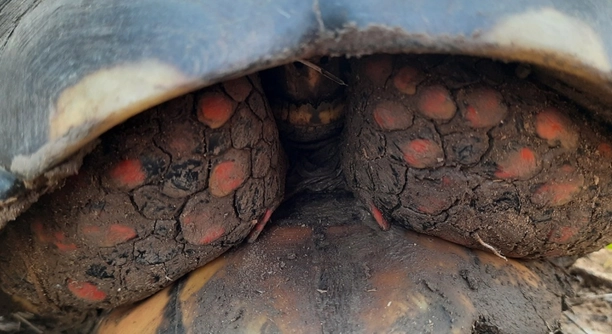
Are your red-footed tortoises curious about new foods? Sweet potatoes might seem like a tasty option, but ensuring they are safe and beneficial is essential. Understanding their dietary needs will help provide a balanced and nutritious diet for your pet.
Red-footed tortoises can eat sweet potatoes, but only in moderation. Sweet potatoes contain high levels of carbohydrates and oxalates, which can be harmful in large quantities. It is best to offer them as an occasional treat alongside a well-balanced diet of leafy greens and vegetables.
Proper preparation ensures your tortoise can safely enjoy sweet potatoes. Learning how to serve them correctly will help maintain their health while adding variety to their diet.
Nutritional Benefits and Risks of Sweet Potatoes for Red-Footed Tortoises
Sweet potatoes offer some nutritional value for red-footed tortoises, but they should not be a primary food source. They contain vitamins A and C, which support immune health and vision. However, their high carbohydrate content can contribute to weight gain if fed too often. Additionally, sweet potatoes contain oxalates, which may interfere with calcium absorption. Since calcium is essential for shell and bone health, excessive oxalates can lead to deficiencies over time. Feeding sweet potatoes occasionally in small portions helps avoid these issues while still providing some nutritional benefits. Balance is key when incorporating new foods into their diet.
Tortoises require a diet rich in fiber and low in sugars. Leafy greens, vegetables, and occasional fruits are better suited for their nutritional needs. Sweet potatoes should only be an occasional addition, ensuring they do not disrupt their overall diet.
If you decide to offer sweet potatoes, make sure they are prepared correctly. Cooking methods and portion sizes play a significant role in making them safe and digestible for your tortoise. Understanding the best way to serve them will help prevent digestive discomfort and nutritional imbalances.
How to Properly Prepare Sweet Potatoes for Your Tortoise
Raw sweet potatoes are difficult for tortoises to digest. Cooking them softens the texture, making it easier for your pet to eat. Boiling or steaming without added seasonings ensures they remain safe and nutritious.
Start by washing the sweet potato thoroughly to remove dirt or chemicals. Peel the skin if necessary, as it may contain pesticides. Cut it into small, bite-sized pieces to prevent choking. Steaming or boiling until soft makes it easier for your tortoise to chew and digest. Avoid frying or adding any salt, butter, or seasonings. Once cooked and cooled, offer a small portion as an occasional treat. Storing leftovers in the refrigerator for a few days allows for easy meal prep. However, always check for spoilage before feeding.
Portion control is essential. Too much sweet potato can lead to digestive issues or nutritional imbalances. A small serving once every few weeks is enough to provide variety without harming your tortoise’s health. Keeping their diet well-balanced ensures they get the nutrients they need while avoiding excess carbohydrates.
How Often Can Red-Footed Tortoises Eat Sweet Potatoes?
Sweet potatoes should only be given occasionally. Feeding them too often can lead to an imbalanced diet, causing issues like weight gain and calcium deficiency. Offering a small portion once every few weeks is enough to provide variety without negatively affecting their health.
Moderation is essential to prevent health problems. Red-footed tortoises need a diet primarily consisting of leafy greens and vegetables. Too many starchy foods like sweet potatoes can disrupt their digestion and lead to long-term issues. When feeding sweet potatoes, ensure they are part of a balanced diet that includes calcium-rich foods like dandelion greens and cuttlebone. Keeping track of feeding frequency helps maintain proper nutrition and prevents overconsumption of less beneficial foods. Adjusting portion sizes based on your tortoise’s activity level and overall diet can further ensure they receive the right nutrients.
Observing your tortoise’s behavior after eating sweet potatoes can help determine if they tolerate them well. Some tortoises may show signs of digestive discomfort, such as reduced appetite or changes in stool consistency. If you notice any issues, reduce the frequency or eliminate sweet potatoes from their diet. A varied and well-balanced diet is always the best approach to maintaining their long-term health.
Signs That Your Tortoise Enjoys or Dislikes Sweet Potatoes
Some tortoises eagerly eat sweet potatoes, while others may ignore them. If your tortoise shows excitement, actively eats, and searches for more, it likely enjoys the treat. However, if it avoids the food or leaves it untouched, it may not find sweet potatoes appealing.
Body language and eating habits can indicate preferences. A tortoise that enthusiastically bites into sweet potatoes, finishes its portion, and remains active afterward likely enjoys them. On the other hand, if your tortoise sniffs the food but refuses to eat or repeatedly ignores it, it may not be interested. Some tortoises may take time to adjust to new foods, so offering sweet potatoes in small amounts over several feedings can help gauge their preference. If your tortoise consistently avoids them, it’s best to stick with other vegetables it enjoys.
Changes in behavior after eating sweet potatoes can also signal dislike or digestive issues. If your tortoise becomes sluggish, refuses food afterward, or experiences irregular bowel movements, it may not tolerate sweet potatoes well. In that case, removing them from the diet is the safest option. Always observe your tortoise’s reaction to new foods to ensure they remain comfortable and healthy.
Can Baby Red-Footed Tortoises Eat Sweet Potatoes?
Baby red-footed tortoises have more delicate digestive systems than adults. Their diet should focus on high-fiber, calcium-rich foods to support healthy growth. While they can eat sweet potatoes in very small amounts, they should not be a regular part of their diet.
Feeding sweet potatoes too often can lead to imbalances in their nutrition. Baby tortoises require a diet primarily composed of leafy greens, vegetables, and protein sources like insects or mushrooms. Introducing sweet potatoes occasionally in tiny portions ensures they get variety without negatively affecting their development.
Other Safe Vegetables for Red-Footed Tortoises
Red-footed tortoises benefit from a diet rich in different vegetables. Bell peppers, squash, carrots, and cucumbers provide essential nutrients while maintaining variety. Leafy greens like collard greens, mustard greens, and turnip greens offer necessary fiber and calcium. Rotating these vegetables helps ensure a well-balanced diet.
Final Thoughts
Providing a balanced diet is key to keeping red-footed tortoises healthy. Offering sweet potatoes in moderation, alongside other nutrient-rich foods, prevents dietary imbalances. Observing their reaction to new foods ensures they get meals they enjoy while maintaining proper nutrition.
FAQ
Can red-footed tortoises eat sweet potatoes raw?
Yes, red-footed tortoises can eat raw sweet potatoes, but they should be given in small amounts. Raw sweet potatoes are firm and may be harder for some tortoises to chew. Grating or chopping them into smaller pieces makes them easier to eat. Always offer them in moderation.
Is it better to cook sweet potatoes before feeding them to a tortoise?
Cooking sweet potatoes can make them softer and easier to digest. However, cooked sweet potatoes have a higher sugar content due to the breakdown of starches. While occasional cooked sweet potatoes are fine, raw ones are generally a better choice because they retain more fiber and nutrients.
How much sweet potato should a red-footed tortoise eat?
A small portion, about the size of a teaspoon, is enough for an occasional treat. Feeding too much can lead to an imbalanced diet. Since sweet potatoes contain more starch than leafy greens, they should never replace the main components of a tortoise’s diet.
Are sweet potatoes safe for red-footed tortoises with metabolic bone disease?
Tortoises with metabolic bone disease need a calcium-rich diet with low phosphorus. Sweet potatoes contain oxalates, which can interfere with calcium absorption. If your tortoise has this condition, it is best to avoid sweet potatoes and focus on dark leafy greens and calcium supplements.
Can sweet potatoes cause digestive issues in red-footed tortoises?
Yes, if fed too often or in large amounts, sweet potatoes can cause digestive issues. Their high starch content can lead to bloating or soft stools. If you notice changes in your tortoise’s digestion, reduce or eliminate sweet potatoes from their diet.
Are there better vegetable options for red-footed tortoises?
Yes, many vegetables provide better nutrition for red-footed tortoises. Leafy greens like collard greens, dandelion greens, and turnip greens offer more fiber and calcium. Vegetables like squash, bell peppers, and carrots add variety while being easier to digest than sweet potatoes.
Can baby red-footed tortoises eat sweet potatoes?
Baby tortoises have more sensitive digestive systems and higher calcium needs. While they can eat tiny amounts of sweet potato, it is not an ideal food for them. A diet focused on high-fiber greens, calcium sources, and occasional fruits supports better growth and health.
Do red-footed tortoises like the taste of sweet potatoes?
Some do, while others may not be interested. Tortoises have individual preferences, and some may eagerly eat sweet potatoes, while others ignore them. Observing their reaction can help determine if they enjoy this treat or if other vegetables are better suited for their diet.
How often should sweet potatoes be included in a tortoise’s diet?
Sweet potatoes should only be offered once every few weeks as a small treat. Feeding them too often can lead to excessive starch intake, which may cause weight gain or digestion issues. A varied diet with plenty of leafy greens is always the best approach.
Are sweet potatoes toxic to red-footed tortoises?
No, sweet potatoes are not toxic to red-footed tortoises. However, their oxalate content and starch levels mean they should be fed in moderation. Too much can interfere with calcium absorption, which is essential for healthy shell and bone development.
Can tortoises eat sweet potato leaves?
Yes, sweet potato leaves are safe for red-footed tortoises and can be a healthier alternative to the tuber itself. They are lower in starch and provide more fiber and nutrients. If available, they can be included in the diet more frequently than the root.
Should sweet potatoes be peeled before feeding them to a tortoise?
Peeling is not necessary, but washing thoroughly is important to remove any pesticides or dirt. The skin contains fiber, which can be beneficial in small amounts. If feeding sweet potatoes, using organic ones or peeling them can reduce the risk of chemical exposure.
Final Thoughts
Red-footed tortoises can eat sweet potatoes, but they should only be an occasional treat. While they provide some vitamins and fiber, their high starch content and oxalates make them less ideal for regular feeding. A well-balanced diet for red-footed tortoises should focus on leafy greens, vegetables, and some fruits, with protein sources added occasionally. Sweet potatoes should never replace essential foods that provide calcium, fiber, and hydration. If you choose to include them in your tortoise’s diet, offering them in small amounts and preparing them properly ensures they do not cause digestive or nutritional issues.
Feeding sweet potatoes in moderation helps prevent problems like bloating, weight gain, or poor calcium absorption. Whether raw or cooked, they should be chopped or grated into manageable pieces for easier eating. Sweet potato leaves are a better alternative, as they contain more fiber and fewer starches. When adding new foods to your tortoise’s diet, it is important to monitor their reaction. Some tortoises may enjoy sweet potatoes, while others may ignore them. Ensuring a varied diet with plenty of nutrient-dense foods is the best way to support overall health and shell development.
Understanding the role of different foods in a tortoise’s diet is essential for maintaining long-term health. While sweet potatoes are not toxic, they should be given sparingly alongside better vegetable choices. A diet rich in dark leafy greens, fibrous vegetables, and appropriate supplements provides the best nutrition for red-footed tortoises. Keeping their diet balanced and avoiding excessive starches helps maintain a healthy weight and proper digestion. By offering a variety of safe and nutritious foods, you can support your tortoise’s well-being and ensure they thrive for years to come.

Hello,
If you enjoy the content that we create, please consider saying a "Thank You!" by leaving a tip.
Every little bit helps us continue crafting quality advice that supports the health, happiness, and well-being of pets around the world, for pets of all shapes, sizes, and species.
We really appreciate the kindness and support that you show us!