
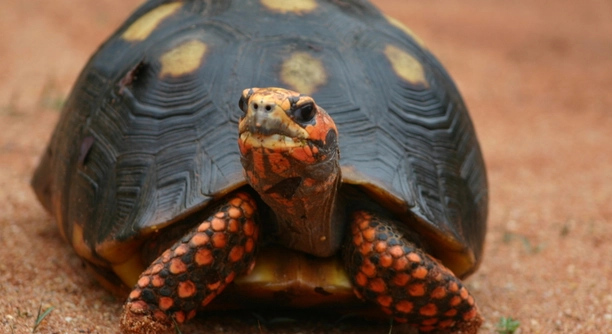
Many tortoise owners notice strange sounds coming from their pets, especially when their red-footed tortoises start making clicking noises. It’s a bit puzzling, but understanding the cause behind this can help ease your worries.
The clicking noise is often caused by the tortoise’s beak or jaw movement. It can indicate stress, a respiratory issue, or even just normal behavior while eating or exploring. A vet visit may be needed for a precise diagnosis.
Understanding the cause of these sounds can make it easier to care for your red-footed tortoise and ensure they stay healthy and comfortable.
Why Red-Footed Tortoises Make Clicking Sounds
A red-footed tortoise may produce clicking noises for several reasons, with each one linked to a specific behavior or health concern. In most cases, the sounds are related to the tortoise’s beak or jaw movement. They may click when eating, moving, or simply adjusting their jaw. However, it can sometimes signal a health issue, such as respiratory problems, or stress. A clicking sound may also be heard when a tortoise is interacting with its environment, such as scraping against objects or its enclosure.
If your tortoise is making frequent clicking sounds, keep an eye on other behaviors. Watch for any signs of discomfort or changes in eating habits. If the clicking is accompanied by wheezing, nasal discharge, or lethargy, it’s essential to consult a vet. A red-footed tortoise’s respiratory health is crucial, and persistent clicking could suggest an underlying issue like a respiratory infection.
As a pet owner, it’s important to know when normal behavior crosses into something concerning. Be sure to monitor your tortoise’s overall health, providing proper care and attention if needed. Early intervention can prevent more serious health issues from arising.
Common Health Issues Linked to Clicking Noises
Respiratory infections are a frequent cause of clicking sounds in tortoises. These infections can occur when the tortoise is exposed to poor environmental conditions, such as drafts, humidity, or improper temperatures. A stressed tortoise, for instance, might also make clicking sounds due to discomfort.
If a red-footed tortoise is showing signs of illness, it is necessary to identify the root of the problem. Respiratory infections may be indicated by wheezing, discharge from the nose, or labored breathing. Temperature regulation is important in preventing these types of infections. Ensuring the enclosure is set up correctly, with proper heat and humidity levels, can go a long way in avoiding health complications. If these signs are present, immediate consultation with a veterinarian is the best course of action. With the right care, the tortoise can recover quickly and continue to thrive.
Environmental Factors That May Cause Clicking Sounds
Improper humidity or temperature levels in the tortoise’s enclosure can contribute to clicking noises. When the environment isn’t right, tortoises may experience stress, leading to changes in their behavior and sounds. Maintaining a stable, comfortable habitat is key to preventing these issues.
Tortoises are sensitive to their surroundings. If the humidity is too high or low, or if the temperature fluctuates too much, they may begin to make clicking noises. These noises are a response to discomfort and stress. For red-footed tortoises, it’s important to keep the humidity around 60-80% and the temperature between 75°F and 85°F. Any drastic changes can disrupt their comfort.
Ensuring the enclosure has proper ventilation and a consistent temperature is essential for your tortoise’s well-being. A well-maintained environment helps prevent respiratory issues and reduces the chances of excessive clicking. Always check the temperature and humidity levels regularly to avoid problems before they arise.
What to Do if Your Tortoise Is Making Clicking Sounds
If your red-footed tortoise is constantly making clicking noises, it’s important to assess its health and living conditions. Start by checking the environment and ensuring it’s suitable for your pet. If the habitat is perfect, then the cause may be health-related.
Begin by monitoring the tortoise’s eating habits, behavior, and any additional symptoms. If it’s showing signs of wheezing, nasal discharge, or lethargy, a respiratory infection could be the cause. If the clicking is frequent and other signs of illness are present, it’s best to seek a vet’s advice. A vet can perform a thorough checkup, diagnose the issue, and recommend the proper treatment. Don’t ignore persistent clicking sounds, as they may indicate more serious health issues.
Is It Normal for a Red-Footed Tortoise to Make Clicking Noises?
Occasional clicking sounds can be normal for a red-footed tortoise. These noises are often just part of their movement, especially when adjusting their beak or jaw. However, frequent clicking may suggest a problem.
If your tortoise clicks occasionally, it’s likely nothing to worry about. But if the clicking persists or is accompanied by other symptoms, it’s worth investigating further. Stress, dietary changes, or environmental shifts can cause brief moments of clicking. Keep an eye on your tortoise to rule out potential health issues.
How to Care for a Tortoise With Clicking Noises
Proper care is crucial when dealing with a tortoise that makes clicking sounds. Ensure your tortoise’s habitat is clean, well-maintained, and appropriately heated. Regularly check humidity levels and provide fresh water and food. Consistent care can prevent health issues that lead to clicking.
When to Consult a Veterinarian
If the clicking noises are frequent or accompanied by other health issues, consulting a vet is the best option. A vet can determine if it’s a sign of respiratory problems or stress. Early diagnosis can prevent further complications.
FAQ
Why does my red-footed tortoise make clicking sounds when eating?
Clicking sounds during eating are usually normal. They may occur as the tortoise moves its jaw to chew or when it interacts with food. Tortoises use their beaks and jaws to break down food, and the clicking could simply be the sound of their mouth opening and closing. As long as the tortoise seems to be eating well and is otherwise healthy, there’s no need to worry.
Can stress cause clicking sounds in my red-footed tortoise?
Yes, stress can cause clicking sounds. Tortoises may make noises when they feel uneasy or uncomfortable. Changes in their environment, like a new enclosure, loud noises, or even unfamiliar scents, can stress them out. Keep the habitat calm and stable to help your tortoise feel secure.
Should I be concerned if my tortoise is making clicking sounds frequently?
Frequent clicking sounds can sometimes indicate a problem. If your tortoise is clicking often and showing other signs of illness like nasal discharge, wheezing, or lethargy, it may be suffering from a respiratory infection. In this case, a vet visit is recommended to rule out health concerns.
How can I tell if my tortoise has a respiratory infection?
Respiratory infections in tortoises are often marked by clicking sounds, along with wheezing, nasal discharge, and labored breathing. If your tortoise’s clicking is accompanied by any of these symptoms, it’s important to consult a veterinarian immediately. Respiratory infections can worsen without treatment, leading to more severe complications.
What are the signs that my red-footed tortoise is stressed?
Signs of stress in a tortoise can include excessive movement, hiding, loss of appetite, or making unusual sounds like clicking. Stress can be caused by temperature fluctuations, improper humidity, or a sudden change in its living conditions. Ensure that the enclosure is consistent, with proper heat, humidity, and a quiet environment.
Can temperature changes affect the clicking sounds my tortoise makes?
Yes, temperature changes can lead to stress, which may result in clicking sounds. Tortoises are sensitive to temperature and humidity. A drop in temperature or poor heating can cause them discomfort, leading to unusual sounds. Make sure your tortoise’s enclosure is within the recommended temperature range of 75°F to 85°F.
How can I prevent respiratory infections in my red-footed tortoise?
To prevent respiratory infections, make sure your tortoise’s habitat has proper temperature and humidity control. Avoid placing the enclosure in drafty areas or near open windows. Regularly clean the habitat to prevent bacteria build-up and provide proper ventilation. Keeping your tortoise’s environment stable will reduce the risk of respiratory issues.
Is it normal for a red-footed tortoise to make clicking sounds when walking?
Occasionally, clicking sounds can occur when a tortoise is walking, especially if it’s moving its jaw. However, if the clicking happens frequently or is combined with other behaviors like limping or difficulty moving, there could be a problem. Check the tortoise’s movements carefully and look for any signs of injury.
What should I do if I notice clicking and other symptoms in my tortoise?
If your tortoise is showing other symptoms like nasal discharge, lethargy, or loss of appetite along with clicking, it’s time to consult a vet. These could be signs of a respiratory infection or another health problem that requires professional treatment. Early intervention can help your tortoise recover faster.
Can poor diet cause my red-footed tortoise to make clicking noises?
A poor diet may lead to health problems, but it’s unlikely to be the sole cause of clicking noises. However, improper nutrition can weaken the tortoise’s immune system, making it more susceptible to illness, including respiratory infections. Ensure your tortoise is eating a balanced diet rich in fruits, vegetables, and the right amount of protein.
How do I know if my tortoise’s clicking sounds are normal or something to worry about?
If the clicking sounds are occasional and don’t coincide with other symptoms like nasal discharge, lethargy, or a loss of appetite, they’re likely normal. However, if the clicking becomes frequent or is accompanied by any signs of illness, it’s best to seek professional advice to rule out health issues.
Can I treat my tortoise’s respiratory infection at home?
While you can provide supportive care at home, such as maintaining proper temperature and humidity, treating a respiratory infection should be done by a vet. A vet may prescribe antibiotics or other treatments to help your tortoise recover. Do not attempt to treat the infection without veterinary guidance.
Why does my tortoise seem more vocal than usual?
If your tortoise has suddenly become more vocal, it may be reacting to a change in its environment. New surroundings, a change in the type of food, or a change in temperature could all cause it to make more sounds. Monitor for other symptoms and make sure its environment is stable.
Can I reduce the clicking noises by changing my tortoise’s environment?
Adjusting the environment can reduce stress and potentially reduce clicking noises. Make sure the enclosure has proper temperature, humidity, and ventilation. Keeping the habitat stable will help your tortoise feel comfortable and reduce the likelihood of stress-related sounds.
Is it common for tortoises to make clicking sounds at night?
Some red-footed tortoises may make clicking sounds at night if they’re active during the evening hours. Tortoises are crepuscular, meaning they’re often active at dawn or dusk. However, if the clicking is unusually loud or frequent at night, it could be related to stress or a health issue.
Final Thoughts
Red-footed tortoises, like many other reptiles, can make a variety of sounds, including clicking noises. While these sounds are often harmless and related to their natural behavior, it’s important to monitor them closely. Occasional clicking sounds can be a normal part of how your tortoise moves its jaw or interacts with its environment. However, if the clicking is frequent or accompanied by other symptoms, it could indicate stress or health issues. By paying attention to changes in behavior or physical condition, you can quickly address any potential concerns.
Maintaining a stable and comfortable environment is essential for your tortoise’s well-being. Factors like temperature, humidity, and overall habitat cleanliness play a major role in preventing stress and respiratory issues that could lead to clicking sounds. A well-kept enclosure, with the right temperature and humidity levels, will help ensure your tortoise remains healthy and stress-free. If you notice any signs of illness, such as wheezing, nasal discharge, or lethargy, don’t hesitate to contact a veterinarian. Early intervention is crucial in preventing serious health complications.
In the end, understanding the reasons behind clicking sounds will help you provide the best care for your red-footed tortoise. Most of the time, the clicking is nothing to worry about, but it’s always wise to stay attentive. Regularly check the conditions of your tortoise’s environment and look out for signs of stress or illness. If you’re ever uncertain, seeking veterinary advice can offer peace of mind and ensure your tortoise’s continued health and happiness. By staying proactive, you can help your tortoise live a long, healthy life.

Hello,
If you enjoy the content that we create, please consider saying a "Thank You!" by leaving a tip.
Every little bit helps us continue crafting quality advice that supports the health, happiness, and well-being of pets around the world, for pets of all shapes, sizes, and species.
We really appreciate the kindness and support that you show us!