
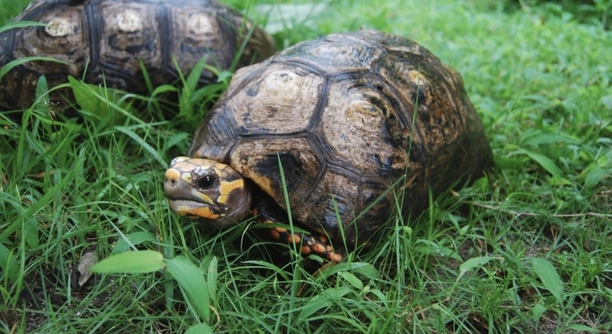
Red-footed tortoises are popular pets due to their unique appearance and calm nature. But like all animals, they need specific care to stay healthy and happy. Understanding their behavior can help you make sure they’re thriving in their environment.
To tell if your red-footed tortoise is happy, look for signs like active behavior, proper eating habits, and a relaxed posture. A content tortoise will also enjoy exploring its habitat and maintain a healthy shell and skin.
There are many ways to ensure your tortoise’s well-being. Recognizing these signs will help keep them comfortable and happy for years to come.
1. Active Behavior and Exploration
A red-footed tortoise that’s happy will often be seen moving around its environment. They like to explore their surroundings, whether it’s through walking or digging. If your tortoise seems curious and checks out its habitat, it’s a good sign. They enjoy engaging with their space, whether it’s searching for food or finding a comfortable spot to rest.
If your tortoise spends most of its time hiding or remains still for too long, it might be an indicator that something’s wrong. It’s important to make sure your tortoise has enough space to roam, as well as a safe and stimulating environment.
Sometimes, a lack of activity might signal stress, illness, or discomfort. By ensuring your tortoise has room to roam and things to explore, it will stay mentally and physically active. You’ll notice that a happy tortoise moves around with a purpose, whether it’s to find food or a good place to relax. Keeping their enclosure engaging will also help encourage movement.
2. Eating Habits
The health of your tortoise is greatly affected by what it eats. A happy red-footed tortoise will eat regularly and show interest in a variety of foods. It’s crucial to offer a balanced diet of vegetables, fruits, and occasional protein to keep them healthy and content.
A healthy tortoise won’t just eat but will actively look for food. If your pet refuses food for long periods, it could mean something is off, like health issues or an uncomfortable environment. It’s best to monitor their eating patterns closely.
Make sure you’re providing a proper balance of calcium and other nutrients to keep your tortoise strong. A diet that mirrors what they would eat in the wild, including leafy greens and fruits, will keep them nourished and happy. When your tortoise is actively eating, it’s a clear sign it’s feeling content and well.
3. Healthy Shell and Skin
A red-footed tortoise’s shell should appear smooth and hard, without cracks or soft spots. A healthy tortoise will also have clear, non-flaky skin. If these signs are present, your tortoise is likely feeling comfortable and well. The shell protects its internal organs, so it’s important to monitor for any abnormalities.
Any signs of shell rot, soft spots, or unusual skin issues can point to poor health or an unsuitable living environment. Keeping the humidity and temperature levels consistent is crucial for your tortoise’s well-being. Proper UVB lighting also plays an important role in maintaining a healthy shell.
Regularly check your tortoise’s shell for scuffs or bumps. If you notice changes in its texture, it might be time to make adjustments to its habitat. Healthy, firm skin is another indicator that your tortoise is thriving. If it looks dry or flaky, it could be a sign of dehydration, which is something you should address immediately.
4. Relaxed Posture and Behavior
When a tortoise is happy, it typically exhibits a relaxed posture. A stressed or uncomfortable tortoise may try to hide or appear hunched. A calm, happy tortoise will sit comfortably, often with its head and limbs fully extended. This natural resting position shows they feel safe in their environment.
Behavior plays a key role in determining your tortoise’s comfort level. A happy tortoise may take short naps throughout the day but will also be alert when interacting with its surroundings. If your tortoise is often hiding or keeps pulling its head and limbs inside the shell, it could be stressed.
It’s important to provide a secure environment where your tortoise can feel safe and comfortable. Ensure the temperature is right, the space is quiet, and there’s enough room for your tortoise to explore. These factors help your pet maintain a relaxed posture, making it a strong indicator of their happiness.
5. Interaction with You
Red-footed tortoises are not overly affectionate but will often show interest in their owners. A happy tortoise may follow your movements or even approach you when you enter the room. It’s a subtle way they show trust and curiosity.
While they don’t seek constant attention, their willingness to interact can be a sign of comfort. If your tortoise moves toward you or reacts to your presence, it indicates they feel secure. Over time, they may recognize your voice or scent, reinforcing their sense of safety around you.
6. Clear Eyes and Active Behavior
A tortoise’s eyes should be bright and clear, not cloudy or sunken. If your tortoise appears alert with its eyes open and looking around, it’s a sign of good health and happiness. Healthy eyes contribute to a better overall experience for your pet.
When your tortoise is active, you’ll see its eyes reflect its curiosity and engagement. A lack of activity or dull eyes could indicate something is wrong. Always monitor their eyes for signs of irritation, swelling, or discharge, as these can be early indicators of health issues.
7. Consistent Breathing and Healthy Movement
Happy tortoises exhibit steady, rhythmic breathing while moving around. If your pet is calm, you should notice no wheezing or labored breaths. Smooth and easy movements show that your tortoise is comfortable and not struggling physically.
Breathing and movement go hand-in-hand with overall health. If your tortoise is breathing heavily or struggling to move, it could be a sign of respiratory problems or other health issues. Keep track of your tortoise’s behavior and consult a vet if you notice unusual patterns.
FAQ
How do I know if my red-footed tortoise is sick?
Sick red-footed tortoises often show signs such as lethargy, loss of appetite, labored breathing, or changes in their shell. If your tortoise is not eating for an extended period or seems overly inactive, it’s important to consult a vet. You may also notice discharge from the eyes or nose, which can signal respiratory issues. Always keep an eye on their general behavior and appearance for any unusual changes. If you’re uncertain, a vet’s advice is crucial for a proper diagnosis.
Can red-footed tortoises get stressed?
Yes, red-footed tortoises can get stressed if they don’t feel safe or comfortable in their environment. Stress can be caused by overcrowding, incorrect temperature or humidity levels, or loud noises. You might notice your tortoise hiding more than usual or becoming less active. In some cases, stress can lead to health problems, so it’s important to create a calm, quiet habitat that allows your tortoise to feel secure. Regular monitoring of their environment can help minimize stress.
How can I improve my red-footed tortoise’s habitat?
To improve your tortoise’s habitat, ensure it has plenty of space to roam. A proper-sized enclosure, with a secure heat source, UVB lighting, and humidity control, is essential for their well-being. Adding various substrates like coconut husk or soil helps mimic their natural environment. Provide hiding spots and areas to explore, as red-footed tortoises enjoy having a place to retreat when they need rest. Enriching their habitat with plants and safe decorations can also encourage natural behaviors, like foraging and digging.
What should I feed my red-footed tortoise?
A balanced diet is key to your tortoise’s health. Red-footed tortoises enjoy a variety of leafy greens like collard greens, dandelion greens, and romaine lettuce. Fruits like papaya, mango, and strawberries are also loved, but they should be offered in moderation due to high sugar content. Occasionally, you can give them a small amount of protein, such as boiled eggs or insects. Avoid feeding them iceberg lettuce or any foods high in oxalates, like spinach, as these can cause digestive issues over time. Always provide fresh water.
How do I handle a red-footed tortoise safely?
Handling a red-footed tortoise should be done gently and with care. Avoid picking them up by their legs or shell. Instead, support the entire body by gently lifting them from underneath. Always wash your hands before and after handling to prevent the transfer of bacteria. While some tortoises may tolerate handling, others prefer not to be picked up frequently. If your tortoise seems stressed or pulls into its shell, give it space.
How long do red-footed tortoises live?
Red-footed tortoises can live up to 50 years or more in captivity when properly cared for. With the right diet, environment, and regular vet check-ups, they can thrive well into old age. Their lifespan depends on various factors, including diet, stress levels, and overall care. Providing a healthy, consistent environment is key to helping your tortoise reach its maximum lifespan.
Can red-footed tortoises swim?
Red-footed tortoises are not great swimmers like some other tortoise species. They can swim short distances, but they don’t prefer it and should not be placed in deep water. If you provide water for soaking, make sure it’s shallow enough for them to safely enter and exit. Tortoises need water to drink and occasionally soak, but they should always be able to get out of the water on their own.
How often should I bathe my red-footed tortoise?
Bathing your red-footed tortoise once a week is usually enough. A bath helps with hydration and allows your tortoise to drink water. It also keeps their skin and shell clean. Use lukewarm water and ensure it is shallow, so your tortoise can easily get in and out. Never leave them in the bath for too long, as they might get stressed or overheat. Always supervise them during bath time.
What kind of light does a red-footed tortoise need?
Red-footed tortoises require both UVB lighting and heat to thrive in captivity. UVB lighting helps them process calcium properly, preventing shell deformities and metabolic bone disease. Make sure the UVB light is placed about 12 inches above the basking area and is kept on for 10–12 hours a day. They also need a heat source to maintain their body temperature. The basking area should be around 90–95°F, while the cooler side of the habitat can be around 75–80°F. Ensure your tortoise has a gradient of temperature in its habitat for comfortable movement.
Can red-footed tortoises eat meat?
Red-footed tortoises are omnivores, meaning they can eat both plants and occasional animal protein. They may eat insects, snails, or small amounts of animal-based protein in the wild. In captivity, you can occasionally feed them protein such as boiled eggs or small insects like mealworms or crickets. However, their diet should be mostly plant-based, with a focus on leafy greens and fruits. Make sure any animal protein given is limited to prevent health issues.
Why is my red-footed tortoise not eating?
If your red-footed tortoise is not eating, it could be due to several reasons. A sudden change in diet, temperature, or environment can cause a loss of appetite. Illness or stress can also lead to a decrease in food intake. Check the temperature and humidity levels in their enclosure to ensure they are optimal. If your tortoise hasn’t eaten for several days or shows other signs of illness, it’s best to consult a vet.
Final Thoughts
Taking care of a red-footed tortoise can be a rewarding experience, but it’s important to understand their needs. A happy tortoise requires a comfortable, well-maintained environment with the right temperature, humidity, and space to explore. Monitoring their health through behaviors like active movement, healthy eating habits, and clear eyes will help ensure they are thriving. By paying attention to these key signs, you can create a habitat that supports their overall well-being. The right care and environment lead to a long, healthy life for your tortoise.
Red-footed tortoises are relatively low-maintenance but do require consistent care and attention. Providing a proper diet, suitable lighting, and space for exploration is essential for their happiness. Regularly checking on their shell, skin, and overall behavior will help you spot any potential problems early. If something seems off, it’s always a good idea to consult a vet who can provide specific guidance on your tortoise’s health. Creating a routine and staying attentive to their needs can go a long way in keeping them comfortable.
Ultimately, a healthy and happy red-footed tortoise will show signs of contentment through its behavior. Active movement, regular eating, and a relaxed posture are all positive indicators. When you understand these signs, it becomes easier to ensure your pet is in good shape. As long as you’re dedicated to providing the best care possible, your tortoise will thrive and enjoy a fulfilling life in your care. By staying proactive in observing their needs, you can build a lasting bond with your pet and enjoy watching them grow.

Hello,
If you enjoy the content that we create, please consider saying a "Thank You!" by leaving a tip.
Every little bit helps us continue crafting quality advice that supports the health, happiness, and well-being of pets around the world, for pets of all shapes, sizes, and species.
We really appreciate the kindness and support that you show us!