
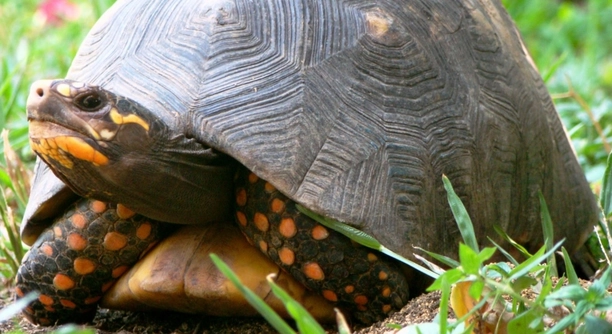
Finding the right water source for your red-footed tortoise is essential for their health and well-being. Proper hydration supports their immune system and overall growth. Ensuring clean and fresh water also encourages proper hydration.
The best water sources for red-footed tortoises include shallow water bowls, filtered water, and rainwater. These sources provide the necessary hydration while minimizing contaminants. Regularly changing the water helps maintain freshness and prevents bacterial growth, ensuring your tortoise stays healthy.
Maintaining a fresh water source is key to promoting your tortoise’s health. Regular cleaning and proper water storage practices are essential for long-term care.
Choosing the Right Water Bowl for Red-Footed Tortoises
The water bowl you select plays a crucial role in your tortoise’s hydration. It should be shallow enough for your tortoise to access without difficulty, but deep enough to hold enough water for daily consumption. A flat, wide bowl is ideal, as it prevents your tortoise from tipping it over easily.
The bowl should be large enough to allow the tortoise to soak, as this helps with hydration and promotes overall health. Make sure the material is easy to clean, as bacteria and algae can build up quickly, especially in warmer environments.
Plastic bowls can be a convenient choice, but they often wear down over time. Ceramic bowls are heavier and harder to tip over, but they can be more difficult to clean. Stainless steel is durable and resistant to bacterial growth but can be slippery. Consider your tortoise’s size and behavior when selecting the right type.
Using Filtered Water for Red-Footed Tortoises
Filtered water is a great choice for tortoises, as it removes chlorine, fluoride, and other contaminants that can harm their health.
A water filter helps ensure that harmful substances are removed, providing fresh water for your red-footed tortoise. This is particularly important if your local tap water contains high levels of chemicals. Regularly change the water to keep it clean and free of bacteria.
Using Rainwater for Red-Footed Tortoises
Rainwater can be a natural and effective water source for red-footed tortoises. It’s free from chemicals and contaminants often found in tap water, making it a great option. However, rainwater should be collected and stored properly to avoid contamination.
When collecting rainwater, use clean containers to ensure the water remains free of pollutants. Avoid collecting water that has fallen onto dirty surfaces, as it may contain harmful substances. It’s important to filter or boil rainwater before using it to ensure it’s free from bacteria or pathogens that could harm your tortoise.
The water should be stored in a cool, dark area, and regularly replaced to maintain freshness. Keep the collection system covered to prevent debris and insects from contaminating the water. Regular monitoring is important to ensure the rainwater remains safe for your tortoise.
Keeping Water Fresh for Red-Footed Tortoises
To keep water fresh for your red-footed tortoise, change it regularly. Stale water can lead to bacterial growth, which could harm your tortoise’s health. A good rule of thumb is to replace the water at least every other day.
Make sure to clean the water bowl with mild soap and water to remove any build-up of algae or residue. A clean bowl prevents contamination, which ensures your tortoise drinks from a safe source. Avoid using harsh chemicals for cleaning, as they can leave residues that are toxic.
In addition to regular water changes, be sure to check for any signs of mold or algae growth. If found, the water should be replaced immediately, and the bowl should be cleaned thoroughly. Regular maintenance helps prevent the spread of bacteria and ensures your tortoise stays hydrated and healthy.
Avoiding Contaminated Water Sources
Contaminated water sources, such as stagnant water, can be harmful to red-footed tortoises. Standing water attracts bacteria, fungi, and parasites, which can lead to health issues like respiratory infections or shell rot. Always ensure the water remains clean.
Stagnant water also allows algae to grow, which can make the water unsafe. It’s best to use shallow water bowls that are easy to clean. Avoid allowing water to sit for too long, especially in warm environments where bacteria can thrive. Keeping the water clean prevents these issues and ensures your tortoise’s safety.
Water Temperature for Red-Footed Tortoises
Red-footed tortoises prefer water that is lukewarm, around 75 to 80°F (24 to 27°C). Water that’s too cold or too hot can cause stress and health issues.
It’s best to check the temperature of the water before allowing your tortoise to drink or soak. If the water is too cold, it may lower their body temperature, which can affect digestion. Too warm of water can lead to overheating. Maintaining a consistent, comfortable water temperature supports overall health.
The Importance of Hydration
Proper hydration is essential for the overall health of your red-footed tortoise. Dehydration can cause issues like poor digestion, skin shedding problems, and even organ failure. Make sure fresh water is always available.
Water encourages your tortoise to eat and helps with nutrient absorption. Regular soaking and proper hydration also aid in waste elimination, promoting a healthy digestive system. Keeping your tortoise hydrated ensures they stay active and healthy.
FAQ
How often should I change my red-footed tortoise’s water?
Water should be changed every 1-2 days. Stale water can harbor bacteria and algae, which could harm your tortoise. In hot weather, you may need to change it more frequently. Always ensure that fresh water is available to encourage proper hydration.
Can I use tap water for my red-footed tortoise?
Yes, you can use tap water, but it’s important to let it sit for at least 24 hours to allow chlorine and other chemicals to dissipate. Alternatively, using filtered or rainwater can reduce the chances of harmful chemicals affecting your tortoise’s health.
What if my tortoise refuses to drink water?
If your tortoise is not drinking water, it may be dehydrated. Try soaking them in lukewarm water for 20-30 minutes a few times a week to encourage drinking. If they continue to refuse, consult a vet for further advice.
Is it okay to let my tortoise drink water from a puddle?
It’s not recommended for your tortoise to drink water from a puddle. Puddles may contain contaminants, bacteria, or parasites that could be harmful. Always offer clean water from a proper source to ensure your tortoise’s safety.
Can I use distilled water for my red-footed tortoise?
Distilled water can be used in an emergency, but it’s not ideal for long-term hydration. It lacks essential minerals that your tortoise needs. It’s better to use filtered or rainwater, which contains more of the natural minerals your tortoise requires for overall health.
What kind of water bowl is best for red-footed tortoises?
The best water bowl for a red-footed tortoise is one that is shallow and wide, making it easier for the tortoise to access. Avoid deep bowls that may cause your tortoise to get stuck or tip over. Choose a sturdy, easy-to-clean material like ceramic or plastic.
Can I give my tortoise water in a bottle?
A water bottle can be used, but it’s not always the best option. Tortoises often prefer to soak, and a water bottle doesn’t allow them to do so. A shallow bowl is recommended for easier access to water and to encourage soaking behavior.
Should I add anything to the water for my red-footed tortoise?
You do not need to add anything to the water. Clean, fresh water is all your tortoise needs. Avoid adding chemicals or supplements unless directed by a veterinarian. Keeping the water clean is the most important factor for your tortoise’s health.
Can red-footed tortoises drink from a water fountain?
Yes, a water fountain can be a great option. It continuously circulates fresh water, preventing stagnation and keeping the water clean. However, ensure that the fountain is easy to clean and that your tortoise can comfortably access the water.
How do I prevent algae growth in my tortoise’s water bowl?
Algae growth can be minimized by regularly cleaning the water bowl and changing the water frequently. Keep the bowl out of direct sunlight, as this encourages algae growth. You can also use natural ways to prevent algae, such as using a small amount of aquarium-safe cleaner.
Can I use water additives to help with hydration?
There is no need for water additives to help with hydration. Fresh, clean water is sufficient. If your tortoise is having trouble staying hydrated, soaking them in lukewarm water can also help, but always avoid any chemical additives unless prescribed by a vet.
What is the best way to store water for my red-footed tortoise?
Store water in a clean, covered container to keep it free from contaminants. It’s important to change the water regularly, even if it hasn’t been used, to prevent bacteria from growing. Avoid leaving water exposed to dust, insects, or debris.
Should I provide my tortoise with fresh water daily?
Yes, fresh water should be provided daily. Even if your tortoise is not drinking as much, always ensure that clean water is available at all times. Regular hydration is key to their health and well-being, even if they don’t drink much every day.
Is it okay for my tortoise to drink from a dish with food in it?
It’s better to keep water separate from food. Food in the water can contaminate it and lead to bacterial growth, making the water unsafe for drinking. Clean the bowl regularly to ensure it stays free of food debris.
How much water should my red-footed tortoise drink?
The amount of water a red-footed tortoise drinks can vary depending on size, age, and environment. Generally, they drink small amounts throughout the day. In addition to drinking, they may also hydrate by soaking in their water bowl. Providing water daily ensures they stay hydrated.
Can I offer my tortoise water with a vitamin supplement?
Offering vitamin supplements in water is not recommended unless advised by a veterinarian. Most red-footed tortoises get the nutrients they need from their diet, and adding supplements to their water could alter the balance of their hydration. Stick to clean water for hydration.
Can my red-footed tortoise drink from a natural spring?
Natural spring water can be a good option as long as it’s clean and free from contaminants. Make sure it’s not polluted or infected with harmful microorganisms. If you’re unsure, it’s best to filter the water or stick to more controlled sources like filtered or rainwater.
What’s the best way to clean my tortoise’s water bowl?
Clean your tortoise’s water bowl regularly with a mild dish soap and hot water. Scrub any residue or algae buildup. Rinse the bowl thoroughly to ensure no soap residue remains. Doing this once a week or more, depending on usage, will keep the water safe and fresh.
Final Thoughts
Maintaining proper hydration for your red-footed tortoise is essential for its overall health. Fresh, clean water should always be available, and the water bowl should be changed regularly to avoid bacterial growth. It’s crucial to choose the right type of water, whether filtered, rainwater, or treated tap water. Keep in mind that your tortoise’s water should be free from harmful chemicals like chlorine, which can be found in untreated tap water. This will help prevent any potential health issues related to water quality.
It’s also important to provide your tortoise with the proper bowl size and shape. A shallow, wide bowl is ideal because it allows the tortoise to drink easily without the risk of tipping over or getting stuck. A sturdy, easy-to-clean material like ceramic or plastic works best. Avoid using water bottles, as they do not allow for the natural soaking behavior that tortoises tend to prefer. Allowing your tortoise to soak in water not only helps with hydration but also aids in digestion and overall well-being.
By following these basic guidelines, you can ensure that your red-footed tortoise stays hydrated and healthy. Remember that hydration goes beyond just offering water—it’s about making sure your tortoise has access to it at all times and in a safe, clean environment. Proper hydration supports many vital functions, from maintaining healthy skin to supporting digestion and regulating body temperature. Taking care of your tortoise’s water needs is an important step in providing it with a long, healthy life.

Hello,
If you enjoy the content that we create, please consider saying a "Thank You!" by leaving a tip.
Every little bit helps us continue crafting quality advice that supports the health, happiness, and well-being of pets around the world, for pets of all shapes, sizes, and species.
We really appreciate the kindness and support that you show us!