
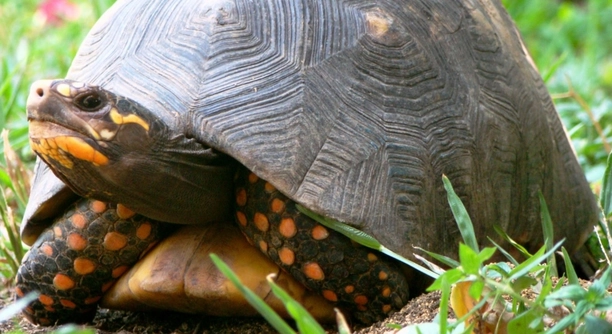
When caring for red-footed tortoises, ensuring the right temperature is crucial for their health. A reliable tank heater is essential to keep them warm and comfortable, replicating their natural tropical environment.
Choosing the best tank heater for red-footed tortoises requires evaluating factors like size, wattage, and temperature control. The right heater will maintain a consistent environment, prevent overheating, and ensure optimal living conditions for your pet.
Finding the right tank heater will help maintain a safe and comfortable habitat for your tortoise. Let’s explore the top options available for your pet’s needs.
Why Heating Is Important for Red-Footed Tortoises
Red-footed tortoises are native to warm climates, and their tanks must replicate those conditions. Without proper heating, your tortoise may become stressed or develop health issues. A tank heater maintains consistent warmth, preventing drastic temperature fluctuations. Inadequate heating could lead to digestive problems, lethargy, or even respiratory infections.
The ideal temperature for a red-footed tortoise’s habitat ranges between 75°F and 85°F during the day. A proper heater will help regulate this temperature. Ensure that the tank has a warm and cool side to allow your tortoise to regulate its body temperature naturally.
Choosing a reliable tank heater allows for better control over your pet’s environment. When considering heaters, prioritize ease of use, temperature stability, and safety features. A good heater will keep the habitat comfortable and stress-free, promoting your tortoise’s overall health and well-being.
Types of Tank Heaters for Red-Footed Tortoises
Tank heaters come in different types, including under-tank heaters, ceramic heat emitters, and submersible heaters. Each serves a distinct purpose.
For example, under-tank heaters provide consistent, gentle warmth from beneath the tank, while ceramic heat emitters offer heat without light, which is useful for nighttime warmth. Choose based on your setup and your tortoise’s needs.
For larger tanks, it’s important to select heaters that cover a broader area. Ceramic heat emitters work well for this purpose, providing heat across a wider space while maintaining an even temperature. Many ceramic heaters are designed for 24-hour use and won’t disrupt your tortoise’s sleep cycle, offering a more stable environment. In addition, under-tank heaters are beneficial for those looking to create a warm, dry area in the tank, though they are typically less effective in larger setups.
How to Choose the Right Wattage
When selecting a heater for your red-footed tortoise, wattage is a key factor. Too low of a wattage might not produce enough heat, while too high can cause overheating.
For a tank that’s 20-40 gallons, heaters ranging from 50 to 75 watts usually work best. Larger tanks may require up to 150 watts to maintain the right temperature. It’s important to consider the size of your tank and the ambient room temperature when choosing wattage. If your tank is in a cooler room, you may need a higher wattage to ensure stability.
A reliable thermostat is often included in heaters with higher wattage. This feature helps prevent overheating, maintaining a steady temperature. Make sure to choose a heater with an adjustable thermostat for better control.
Setting Up the Heater
Position the heater correctly to achieve the best results. Avoid placing it in areas where the heat could be trapped or not circulate well.
Ensure the heater is placed on one side of the tank, creating a gradient of temperature. This allows your tortoise to move between warmer and cooler areas. This setup mimics natural conditions and supports their thermoregulation.
Additionally, always secure the heater to prevent it from moving around inside the tank. Some heaters come with adhesive pads or suction cups, making it easier to secure them in place. Keep wires and cords neatly tucked away to avoid any damage or discomfort for your tortoise.
Maintaining Heater Performance
To keep your tank heater working properly, it’s important to clean it regularly. Dirt and calcium buildup can affect performance and reduce its lifespan.
Before cleaning, unplug the heater and let it cool. Use a soft cloth or sponge to remove any buildup. Check for any cracks or damage while cleaning, as this may indicate a need for replacement.
Make sure the heater is dry before placing it back in the tank. Regular maintenance ensures your heater continues to function well and keeps your tortoise’s environment stable.
Using a Thermostat
A thermostat helps maintain the correct temperature by regulating the heater’s output. It’s especially useful for preventing temperature fluctuations.
By using a thermostat, you can avoid overheating, which could cause stress or harm to your tortoise. Some heaters come with built-in thermostats, while others require a separate one. Make sure it’s set to the ideal range.
Choosing Safe Materials
Heaters should be made of durable, safe materials that won’t harm your tortoise if they come into contact with them. Avoid heaters with exposed metal parts, as these could cause burns.
FAQ
What is the best type of heater for a red-footed tortoise tank?
Ceramic heat emitters are a great choice because they provide heat without light, which mimics natural conditions. These are ideal for nighttime use. Under-tank heaters are another option, especially for smaller tanks, as they create a warm substrate that your tortoise can use to regulate its body temperature.
How do I maintain the right temperature for my tortoise?
The ideal temperature range for a red-footed tortoise is 75°F to 85°F during the day. Use a thermometer to monitor the tank’s temperature regularly. The warm side should be around 85°F, and the cooler side should stay closer to 75°F. A thermometer with a probe is the most accurate way to check the heat.
Can I use a heat lamp instead of a ceramic heater?
Yes, heat lamps are an option, but they provide light, which can disrupt your tortoise’s sleep cycle. Ceramic heaters are preferable if you want a heat source without light. You can use a heat lamp during the day, but it’s best to switch to a ceramic heat emitter at night.
How do I know if the heater is too hot for my tortoise?
If the temperature in the tank rises above 85°F for extended periods, it can stress your tortoise. Signs of overheating include lethargy, rapid breathing, and lack of appetite. To prevent this, use a thermostat with your heater to maintain a consistent temperature and avoid overheating.
What wattage heater do I need for a 40-gallon tank?
For a 40-gallon tank, a 75 to 100-watt heater should be sufficient, depending on the room temperature. If the room is cooler, you may need a higher wattage to maintain a steady temperature. Always monitor the tank temperature with a reliable thermometer.
Can I leave the heater on all day?
Yes, many heaters are designed for continuous use. However, it’s important to use a thermostat to ensure the tank doesn’t overheat. Some heaters come with built-in thermostats, while others require a separate one. Constant monitoring is important for your tortoise’s safety.
Should I place the heater on the warm or cool side of the tank?
Place the heater on the warm side of the tank to create a temperature gradient. This allows your tortoise to move between warmer and cooler areas as needed. This setup helps regulate their body temperature naturally. If possible, use a thermometer to check that the warm side is between 85°F and 90°F.
Are there any risks with using under-tank heaters?
Under-tank heaters are safe if used correctly, but it’s important to avoid excessive humidity or moisture around them. These heaters can get very hot and may cause burns if your tortoise makes direct contact with them. Always use a heater with a thermostat to prevent overheating.
How do I avoid temperature fluctuations in my tortoise tank?
To prevent temperature fluctuations, choose a heater with an adjustable thermostat. Set the thermostat to maintain a consistent temperature within the ideal range for your tortoise. Keep the tank in a room with minimal temperature changes and away from drafty areas.
Can I use a heat mat instead of a tank heater?
Heat mats can be used in smaller enclosures but may not provide enough warmth for larger tanks. They work by providing heat from the bottom, creating a warm substrate. However, heat mats should be used with caution, as they can cause the tank to overheat if not regulated properly.
What should I do if my tortoise isn’t basking under the heat source?
If your tortoise isn’t basking under the heat source, check the temperature and ensure it’s within the ideal range. Tortoises may avoid heat sources if they are too hot or too cold. Make sure the basking area is between 85°F and 90°F, and if necessary, adjust the heater or thermostat.
How often should I replace the tank heater?
Heaters typically last 1 to 3 years, depending on usage. Replace your heater if it shows signs of damage, such as cracks or inconsistent heating. If you notice that your heater no longer maintains the desired temperature, it may be time for a replacement. Regularly check your heater’s functionality to prevent any issues.
Is a thermostat necessary for my heater?
A thermostat is highly recommended to control the temperature and prevent overheating. Many heaters come with built-in thermostats, but it’s still a good idea to use an external one for extra control. A thermostat ensures that your tortoise’s environment stays within the proper temperature range.
Final Thoughts
Choosing the right tank heater for your red-footed tortoise is crucial for maintaining a comfortable and safe environment. With the right temperature, your tortoise can thrive, staying active and healthy. It’s important to remember that tortoises need a heat source that mimics their natural habitat. Consistent warmth helps regulate their body temperature, which is key for their digestion and overall well-being. Be sure to consider the size of your tank and the type of heater that best suits your needs, whether it’s a ceramic heat emitter, under-tank heater, or heat lamp.
When selecting a heater, also keep in mind the safety of your tortoise. Heaters should be checked regularly for any damage or wear, as a malfunctioning heater can lead to temperature imbalances, which can stress your tortoise. A thermostat is highly recommended to prevent overheating, as it helps regulate the temperature and keeps the environment stable. By monitoring the heat closely and making adjustments when needed, you can ensure that your tortoise’s tank remains at the ideal temperature range. Regular maintenance and cleaning of the heater are also essential to its long-term performance.
Overall, taking the time to choose and maintain the right heater for your red-footed tortoise will make a big difference in their health and happiness. Always prioritize consistency, safety, and comfort. With the right setup, your tortoise will have a cozy, stable environment that supports their natural behaviors and needs. Ensuring proper heating, along with the right humidity and lighting, will help create the perfect habitat for your red-footed tortoise to thrive.

Hello,
If you enjoy the content that we create, please consider saying a "Thank You!" by leaving a tip.
Every little bit helps us continue crafting quality advice that supports the health, happiness, and well-being of pets around the world, for pets of all shapes, sizes, and species.
We really appreciate the kindness and support that you show us!