
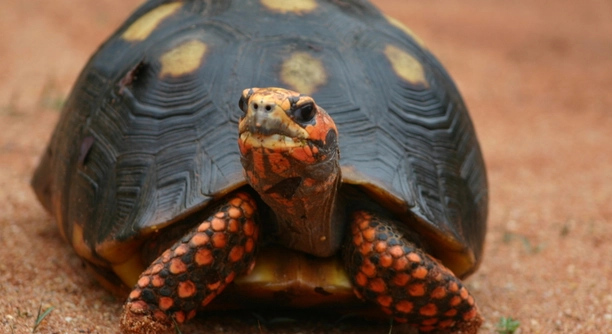
Red-footed tortoises are known for their varied diet, and many owners wonder about the suitability of different foods. One common question is whether lettuce can be a healthy addition to their meals. Let’s explore this further.
Red-footed tortoises can eat lettuce, but it should only be offered in moderation. Lettuce lacks significant nutrients and may not be the best choice as a staple in their diet. Variety is key for maintaining their health.
There are other vegetables and greens that provide better nutrition for your tortoise. Keep reading to learn more about the best options for your pet’s diet.
Can Lettuce Be Part of a Red-Footed Tortoise’s Diet?
Lettuce is often seen as a quick snack for various pets, including red-footed tortoises. While it’s not harmful in small amounts, lettuce should not be the main food source. This is because most types of lettuce, especially iceberg, are low in essential nutrients like fiber, vitamins, and minerals. Tortoises need a well-rounded diet to stay healthy, and relying too much on lettuce could lead to deficiencies over time. It’s also important to remember that lettuce contains a lot of water, which can lead to loose stools if fed in excess. For optimal health, a varied diet filled with other nutrient-dense vegetables, fruits, and greens is the better choice.
Though lettuce can occasionally be part of the diet, variety is key. Incorporating a range of vegetables, fruits, and other leafy greens ensures your red-footed tortoise gets the nutrition it needs.
Different lettuce varieties have more nutrients than iceberg lettuce, like Romaine. However, it’s still best to limit their intake and focus on other greens. Adding colorful, leafy vegetables like collard greens, dandelion leaves, and mustard greens will provide the necessary vitamins and minerals. A healthy, balanced diet will support your tortoise’s immune system, shell growth, and overall wellbeing.
The Best Greens for Your Red-Footed Tortoise
When feeding red-footed tortoises, leafy greens are often the best choice. However, not all greens are created equal. Many owners find that dark, leafy vegetables are more beneficial for their tortoises than lettuce. Kale, for example, offers a high calcium content, which is crucial for shell and bone health. Other options like collard greens, dandelion greens, and turnip greens are great choices. These vegetables offer more nutrients, including vitamins A and K, and essential minerals like magnesium.
Leafy greens can be offered daily, and the more variety, the better. Ensure that your tortoise receives a mix of fiber-rich greens and other healthy additions like fruits and flowers. Keeping your pet’s diet varied and balanced will ensure long-term health.
Types of Lettuce Suitable for Red-Footed Tortoises
Romaine lettuce is one of the better options compared to iceberg lettuce. It contains more nutrients and fiber. However, even Romaine should be given in moderation. Other varieties, such as butterhead and red leaf, are also more nutritious than iceberg but still lack some essential vitamins.
While Romaine offers more nutrients, it’s still not the best base for their diet. It’s water-dense and can upset their digestive system if fed too often. Offering Romaine lettuce alongside other vegetables like bell peppers, squash, and leafy greens like collard or mustard greens will help balance the diet.
If lettuce is fed too regularly, it could prevent the tortoise from getting a full range of nutrients from other greens. Stick to Romaine or other better lettuce types as an occasional treat rather than a staple. Combining different veggies ensures variety and optimal health.
Fruits to Supplement a Red-Footed Tortoise’s Diet
Fruits can make a great addition to your tortoise’s diet. Many red-footed tortoises enjoy sweet fruits like strawberries, papaya, and mango. These fruits are packed with vitamins and can provide a natural source of sugar. However, fruits should be given sparingly due to their high sugar content.
Offer fruit once or twice a week in small amounts to prevent digestive issues. Too much sugar can lead to obesity or other health problems for your tortoise. Always remove any uneaten fruit promptly to avoid spoilage. Fresh fruit should not replace essential greens, which are their primary source of nutrition.
When selecting fruits for your tortoise, always opt for organic varieties and wash them thoroughly to avoid pesticides. Offering a mix of fruits along with greens helps keep the diet exciting for your tortoise while supporting its health with important nutrients.
How to Prepare Lettuce for Your Red-Footed Tortoise
Before serving lettuce, wash it thoroughly to remove any pesticides or dirt. You can also tear the lettuce into smaller pieces to make it easier for your tortoise to eat. This will help prevent any choking or difficulty in chewing.
Tearing the lettuce into smaller pieces also mimics the tortoise’s natural foraging behavior, which is beneficial for its mental stimulation. Avoid feeding large, whole leaves, as they can be harder for the tortoise to chew. Always monitor your tortoise while it eats to ensure it is consuming food comfortably.
Prepare lettuce in the same way you would for other greens. Ensure it’s clean and cut into manageable portions for easy feeding. Mixing lettuce with other vegetables will give your tortoise a balanced and enjoyable meal.
Signs of Overfeeding Lettuce
If your red-footed tortoise begins to show loose stools or seems lethargic, it could be a sign that it’s eating too much lettuce. Lettuce has high water content and can upset the digestive system if offered too often.
Monitor your tortoise’s diet and adjust accordingly if you notice any unusual symptoms. Providing a wide range of vegetables will help ensure your tortoise gets the proper nutrition. Reducing lettuce intake and focusing on leafy greens will improve digestion and overall health.
Best Vegetables for a Balanced Diet
Leafy greens like collard greens, dandelion greens, and mustard greens are excellent choices for red-footed tortoises. These vegetables are rich in calcium, which is vital for shell growth. Adding in a variety of fibrous vegetables helps maintain good digestion and energy levels.
FAQ
Can red-footed tortoises eat iceberg lettuce?
Iceberg lettuce is not ideal for red-footed tortoises. It lacks important nutrients and has a high water content, which can cause digestive upset if fed too often. While it’s not harmful in small amounts, it should be avoided as a regular part of their diet. Stick to more nutritious greens like Romaine or dandelion leaves for better health benefits.
How often should I feed lettuce to my red-footed tortoise?
Lettuce should only be offered as an occasional treat. You can feed it once or twice a week, but it should not be a daily food. Always provide more nutrient-dense greens, such as collard greens and kale, as the main part of their diet. A balanced diet with variety is key to their well-being.
What types of lettuce are best for red-footed tortoises?
Romaine lettuce is the best type of lettuce for red-footed tortoises. It has more nutrients compared to iceberg lettuce. However, lettuce should only be a small part of their diet. Other greens such as dandelion greens, collard greens, and mustard greens are healthier choices for their main meals.
Is it okay to feed my red-footed tortoise fruit?
Yes, fruits like strawberries, papaya, and mango are great additions to their diet. However, due to the high sugar content, fruits should be given sparingly, no more than once or twice a week. Overfeeding fruit can lead to obesity and digestive problems, so moderation is important.
Can red-footed tortoises eat other vegetables besides lettuce?
Yes, red-footed tortoises can eat a wide variety of vegetables. Some good options include bell peppers, squash, carrots, and sweet potatoes. These vegetables provide essential vitamins and minerals, helping to keep your tortoise healthy. Always mix up the types of vegetables to offer a diverse range of nutrients.
What should I avoid feeding my red-footed tortoise?
Avoid feeding your red-footed tortoise foods that are high in oxalates, such as spinach, which can interfere with calcium absorption. Also, avoid feeding them foods that are too rich in protein, like meats or animal products. Toxic foods such as avocado, onion, and garlic should never be offered.
How do I know if my red-footed tortoise is eating enough?
Signs of a healthy appetite include eating a variety of leafy greens, vegetables, and occasional fruits. If your tortoise is eating well and staying active, it is likely getting enough food. Monitor its weight and behavior—if it becomes lethargic or stops eating, consult a veterinarian.
Can red-footed tortoises eat flowers?
Yes, red-footed tortoises can eat certain edible flowers, such as hibiscus, dandelions, and clover. These can add variety to their diet. Ensure that any flowers you feed them are pesticide-free and safe for consumption. Always avoid flowers from stores or gardens that may have been treated with chemicals.
Should I feed my red-footed tortoise protein?
Red-footed tortoises do not require much protein in their diet. A small amount of protein, like boiled eggs or insects, can be offered occasionally. However, their diet should be primarily plant-based, with a focus on leafy greens and vegetables. Too much protein can cause health issues, such as kidney problems.
Can red-footed tortoises eat hay?
Yes, red-footed tortoises can eat hay, particularly grass hay such as timothy or orchard grass. It can provide fiber, which aids in digestion. However, it should not replace their primary diet of fresh greens and vegetables. Offer hay in small amounts alongside their regular diet for additional fiber.
Is it okay to feed my red-footed tortoise commercial tortoise food?
Commercial tortoise food can be convenient, but it should not be the main part of their diet. These foods are often processed and may lack the variety of fresh vegetables and greens that red-footed tortoises need. If you choose to feed commercial food, make sure it is high-quality and used as a supplement rather than a replacement for fresh food.
Final Thoughts
Caring for a red-footed tortoise requires attention to its diet and overall well-being. While lettuce can be offered in moderation, it should never be the main food source. Lettuce, especially iceberg, lacks the essential nutrients needed for a balanced diet and should be replaced with more nutritious greens. Romaine lettuce is a better option, but still only a small part of their meal. A variety of fresh vegetables and leafy greens will ensure they get the proper nutrients to thrive. Red-footed tortoises benefit from a diet rich in fiber, calcium, and low in protein.
In addition to the right vegetables, fruits can be given sparingly as an occasional treat. Too much sugar from fruit can lead to health problems like obesity, so it’s essential to offer it in moderation. Other foods, like flowers, can add diversity to their diet, but you must ensure they are safe and pesticide-free. A variety of food options helps prevent your tortoise from becoming bored with its meals and encourages natural foraging behaviors. Always be mindful of what your tortoise consumes and avoid foods that could harm them, such as avocado or onion.
The key to a healthy red-footed tortoise is balance. Regularly offering a mix of vegetables, leafy greens, and fruits will keep them happy and healthy. Remember, every tortoise has individual preferences, so observe what they enjoy eating and adjust accordingly. Providing fresh, varied meals will support their overall health and well-being, while ensuring they live a long, fulfilling life. Keep their diet simple, fresh, and diverse, and your tortoise will continue to thrive.

Hello,
If you enjoy the content that we create, please consider saying a "Thank You!" by leaving a tip.
Every little bit helps us continue crafting quality advice that supports the health, happiness, and well-being of pets around the world, for pets of all shapes, sizes, and species.
We really appreciate the kindness and support that you show us!