
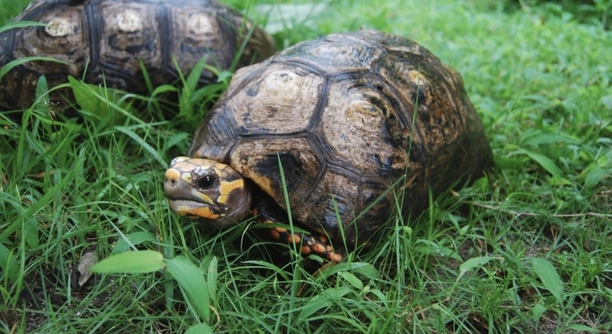
A red-footed tortoise’s shell may gradually darken over time, causing concern for some owners. This change is often noticeable and can indicate various factors. Understanding these changes can help maintain their health and well-being.
The darkening of a red-footed tortoise’s shell can be caused by factors such as age, diet, and environmental conditions. Shell coloration may change due to sun exposure, improper humidity levels, or health-related issues, all of which require attention.
The reasons behind this darkening are simple to address, and proper care can help maintain your tortoise’s vibrant appearance.
Common Causes for a Darkening Shell
When a red-footed tortoise’s shell darkens, the most likely cause is environmental factors. Inadequate lighting or excessive sun exposure can lead to changes in shell color. Tortoises need UVB light to maintain a healthy shell, and without it, they may start to exhibit darker shades. Another possibility is humidity. If the tortoise’s habitat is too dry or too moist, it can also affect the shell’s appearance. Additionally, poor diet and lack of proper nutrients may cause a dull or dark shell. Make sure your tortoise’s diet includes a balanced mix of leafy greens, vegetables, and occasional fruits. A proper diet helps maintain shell health and overall vitality.
While these changes are common, they may also point to underlying health concerns. If the shell continues to darken or changes unexpectedly, it could indicate fungal infections or metabolic bone disease, which requires veterinary attention.
A well-maintained environment and regular vet check-ups ensure your tortoise remains healthy and its shell stays in top condition.
Environmental Factors and Shell Health
The habitat in which your tortoise lives can have a significant effect on its shell.
Red-footed tortoises need an environment that mimics their natural surroundings, with balanced humidity and temperature. Too much moisture or too little can lead to shell discoloration, and improper lighting can affect their growth and well-being. Ensure the tortoise’s living area includes access to a UVB light source to aid in calcium absorption and promote shell health.
Diet and Nutrition’s Role in Shell Color
A red-footed tortoise’s shell can change due to a lack of proper nutrition. If the tortoise’s diet lacks essential vitamins and minerals, it may cause discoloration, including a darker shell. Ensuring a balanced diet with proper nutrients is crucial.
A variety of leafy greens, vegetables, and occasional fruits helps maintain the tortoise’s health. High-calcium foods like kale, collard greens, and dandelion greens are essential. Proper diet supports a healthy shell and prevents it from becoming too dark or dull. A poor diet can also lead to other health problems, so variety is key.
Supplementing with calcium powder and providing a source of vitamin D3 are important as well. These help with shell hardening and overall bone structure. Be mindful of offering the right balance to prevent shell discoloration and support long-term health.
Proper Lighting and Shell Health
Proper lighting can make a significant difference in your tortoise’s shell color.
UVB lighting is essential for tortoises to synthesize vitamin D3, which helps them absorb calcium. Without it, their shells may become weak or darken over time. Providing a high-quality UVB light source ensures that your tortoise gets the necessary exposure. You should replace the bulb every six months to ensure proper UVB output.
Excessive Sun Exposure
While sunlight is necessary for your tortoise, too much can cause its shell to darken. Overexposure to UV rays can lead to dehydration, stress, and skin damage. It’s essential to balance the sun’s rays with shaded areas where your tortoise can retreat when needed.
Ensure the tortoise has a place to escape direct sunlight during the hottest parts of the day. Allowing your tortoise to bask for short periods in natural sunlight is beneficial, but always monitor to prevent overexposure. A proper balance of sunlight and shade helps keep your tortoise healthy and its shell in good condition.
Shell Care and Hygiene
Regular cleaning and maintenance of your tortoise’s shell can prevent fungal infections or excessive build-up of dirt that may cause darkening.
Cleaning your tortoise’s shell with a soft brush and lukewarm water is a simple yet effective way to maintain its appearance. Gently scrub the shell to remove dirt and debris that may accumulate, especially around the scutes. This also helps prevent any infections that could darken the shell over time.
FAQ
Why is my red-footed tortoise’s shell turning darker?
A darker shell may result from environmental factors like poor lighting or incorrect humidity levels. Lack of UVB light can cause changes in shell color, as tortoises need proper exposure to synthesize vitamin D3. Additionally, diet and nutrition play a role. A diet lacking in essential vitamins and minerals can lead to discoloration, so offering a varied and balanced diet can help maintain the tortoise’s vibrant shell color.
Can a change in the weather affect my tortoise’s shell color?
Yes, changes in the weather can impact the shell’s appearance. For example, during colder months, tortoises may naturally become less active, and their metabolism slows down. This can lead to darker shell colors. Additionally, if your tortoise has access to outdoor sunlight, seasonal changes in sunlight intensity can also affect their shell. The shell may darken if the tortoise is exposed to too much direct sunlight without sufficient shade.
How do I prevent my tortoise’s shell from darkening?
To prevent shell darkening, provide your tortoise with a balanced diet, appropriate UVB lighting, and a stable environment. Regularly monitor temperature and humidity levels, ensuring they are within the ideal range. Avoid overexposing your tortoise to direct sunlight, and always offer shaded areas for rest. Routine health checks will also help catch any potential issues early.
Can poor diet cause my tortoise’s shell to darken?
Yes, poor diet can result in shell discoloration. A lack of essential nutrients, like calcium and vitamin D3, can weaken the shell and lead to darkening or dullness. Offering a mix of leafy greens, vegetables, and occasional fruits will help maintain shell health and prevent any discoloration. Supplementing with calcium powder is also recommended.
Should I be concerned if my tortoise’s shell is darkening gradually?
If the darkening happens gradually, it could simply be a sign of aging or natural environmental changes. However, it’s still important to monitor the tortoise for any other symptoms like changes in behavior, appetite, or activity level. If the darkening becomes severe or accompanied by other unusual signs, it’s best to consult a veterinarian.
Can fungal infections cause dark spots on a tortoise’s shell?
Yes, fungal infections can lead to dark spots or patches on the shell. These infections usually occur when the shell becomes too wet or if the tortoise is exposed to unsanitary conditions. Regularly clean your tortoise’s shell and ensure its living environment is dry and well-ventilated. If you notice any dark or abnormal spots, it’s essential to consult a vet for treatment.
How do I clean my tortoise’s shell to prevent darkening?
Clean your tortoise’s shell using a soft brush and lukewarm water. Gently scrub to remove dirt, debris, or algae buildup that could contribute to darkening or infections. Make sure to dry the shell thoroughly after cleaning, as moisture can cause fungal growth. Regular cleaning helps maintain the health and appearance of the shell.
Is shell darkening a sign of metabolic bone disease?
Shell darkening could be a symptom of metabolic bone disease (MBD), especially if accompanied by soft or deformed shell areas. MBD occurs when a tortoise doesn’t get enough calcium, vitamin D3, or UVB exposure, leading to poor shell development. If you suspect MBD, seek veterinary care immediately.
What UVB lighting is best for my red-footed tortoise?
For your red-footed tortoise, use a high-quality UVB bulb designed for reptiles. Ensure the UVB bulb covers the tortoise’s entire basking area. Replace the bulb every six months to maintain effective UVB output, as UVB bulbs lose potency over time, even if they still emit visible light.
How often should I check my tortoise’s shell for signs of problems?
It’s a good idea to check your tortoise’s shell regularly during feeding or cleaning. Look for any changes in color, texture, or abnormal growth. Check for dark spots, cracks, or signs of fungal infections. The earlier you spot potential issues, the easier it will be to address them and prevent further damage.
Can stress cause my tortoise’s shell to darken?
Yes, stress can lead to a variety of physical changes in your tortoise, including shell darkening. Stress from factors like temperature fluctuations, improper handling, or changes in environment can affect your tortoise’s health. Ensure that its habitat is calm, stable, and free from disturbances to minimize stress.
Is it normal for a tortoise’s shell to darken as it ages?
It is normal for a tortoise’s shell to darken slightly as it ages. The shell may change in color due to natural growth processes. However, if the change is sudden or drastic, it could indicate environmental issues or health concerns. Keep monitoring the tortoise’s diet and habitat to ensure everything is in balance.
Can dehydration cause a red-footed tortoise’s shell to darken?
Dehydration can affect a tortoise’s overall health, including its shell. If the tortoise is not getting enough water, it may appear lethargic, and its shell may appear darker. Providing fresh water daily and ensuring proper humidity levels will help prevent dehydration and maintain a healthy shell.
Should I worry if my tortoise’s shell turns black?
If your tortoise’s shell turns completely black or develops large black patches, it could indicate a fungal infection or severe health issue. Blackened shells are often a sign of infection or damage. It’s essential to consult a vet for proper diagnosis and treatment.
Final Thoughts
When it comes to your red-footed tortoise’s shell, darkening can be caused by various factors. Environmental conditions, such as exposure to too much sunlight or improper humidity levels, can play a significant role. It’s essential to provide your tortoise with a balanced environment where it has access to both UVB light and shaded areas. This helps maintain not only the health of its shell but also its overall well-being. Regular monitoring of the temperature and humidity in its habitat ensures that the conditions are just right for the tortoise to thrive.
Diet is another key factor in maintaining the health of your tortoise’s shell. A well-rounded diet, rich in essential nutrients such as calcium, vitamin D3, and other vitamins, can support a healthy shell and prevent discoloration. If you notice any changes in your tortoise’s shell color, it might be a sign that its diet needs to be adjusted. Consulting with a veterinarian about dietary supplements or changes can help address any deficiencies that could be causing the darkening of the shell.
Finally, it’s important to be vigilant and proactive in caring for your tortoise. Regular shell cleaning and keeping the habitat clean and dry will help prevent infections that could cause dark spots. If you observe any unusual changes in your tortoise’s shell, it’s crucial to take action early. Whether it’s adjusting the lighting, changing the diet, or seeking veterinary help, addressing potential problems early can ensure your tortoise stays healthy and happy for years to come.

Hello,
If you enjoy the content that we create, please consider saying a "Thank You!" by leaving a tip.
Every little bit helps us continue crafting quality advice that supports the health, happiness, and well-being of pets around the world, for pets of all shapes, sizes, and species.
We really appreciate the kindness and support that you show us!