
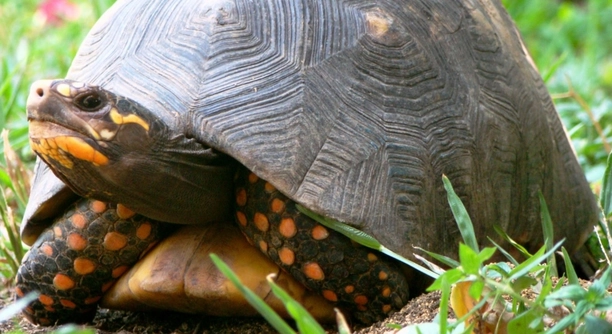
Red-footed tortoises are unique and fascinating pets. You might have noticed your tortoise trying to bury itself. This behavior can be puzzling if you’re not sure why it happens. Understanding the reasons behind this can help.
Red-footed tortoises often try to bury themselves as a natural behavior related to feeling secure, resting, or avoiding stress. This instinct may also be connected to temperature regulation or the desire to create a hiding spot in their environment.
Recognizing the causes behind this behavior can help improve your tortoise’s living conditions. In this article, we will explore why this happens and how to support your tortoise in feeling safe and comfortable.
Why Do Red-Footed Tortoises Bury Themselves?
Red-footed tortoises may bury themselves for several reasons. In the wild, they use this behavior to protect themselves from predators or to regulate their body temperature. When they bury themselves, it creates a sense of security, mimicking what they would do in their natural habitat. For pet tortoises, this is still a normal instinct. It could also be an indication that your tortoise is feeling stressed or unsettled in its environment.
While it’s common for tortoises to dig or bury themselves, it’s important to check their enclosure for things like temperature, humidity, and hiding spots. They may be seeking a cool area or a place to rest.
A lack of a suitable hiding spot could make your tortoise feel vulnerable. Tortoises are naturally shy and private creatures, and they need a place to feel safe. Consider adding some shelter, such as a small cave or other places where they can dig in and relax.
Is It a Sign of Stress?
Sometimes, burying behavior can be linked to stress. If your tortoise is in an environment that feels unsafe, it may try to hide more often. Check if there are sudden changes in their surroundings, such as loud noises or new pets.
Stress can also result from improper care, like incorrect lighting or humidity. Red-footed tortoises thrive in specific conditions, and when these are not met, they may seek comfort by burrowing. If your tortoise is hiding more than usual, try adjusting its habitat. Make sure it has access to warm and cool areas and a proper hiding spot. Giving your pet a space to retreat to can help reduce stress and promote a sense of security.
If your tortoise’s hiding behavior increases, it could also be a sign that it’s feeling unwell. Monitor their behavior closely to ensure that nothing else is wrong. A stressed tortoise may also show signs of lethargy or loss of appetite, so it’s important to be aware of any changes.
Temperature and Humidity
Temperature and humidity levels play a big role in your tortoise’s behavior. Red-footed tortoises require a warm, humid environment. If the temperature is too low, or the humidity is off, your tortoise may try to bury itself to seek the ideal conditions.
A proper temperature gradient, with a warm basking spot of around 90°F and a cooler area of about 75°F, is essential. The humidity should be around 70-80%. Without these conditions, your tortoise could become uncomfortable or stressed, causing them to dig or burrow. Check your habitat setup to make sure it’s meeting these requirements.
You can maintain humidity with a water dish, misting the enclosure, or using a humidity gauge to monitor levels. If the environment is too dry, consider adding a humidifier or creating a more natural microclimate. A temperature and humidity-controlled environment will help your tortoise feel comfortable, reducing the need to bury itself. The right habitat is key to ensuring your pet stays healthy and active.
Proper Hiding Spaces
Red-footed tortoises are naturally inclined to find hiding spots. If their habitat doesn’t offer one, they may resort to burrowing to feel secure. Tortoises are not always active and may want to rest in a secluded spot for peace and privacy.
You can provide a simple hiding space by placing a small cave or box in the enclosure. Make sure it’s big enough for the tortoise to comfortably fit inside. Tortoises may also dig underneath rocks or plants, so adding some landscaping can help create a more natural environment. A well-placed hide helps reduce stress and makes your tortoise feel protected.
The hiding spot should be in a quiet, less disturbed area of the enclosure. Avoid placing it under the basking light, as it can become too hot. By offering your tortoise a place to retreat, you’re helping it feel more comfortable in its environment. This gives them the opportunity to relax and escape from any stressors.
Illness or Injury
If your tortoise is suddenly burying itself more than usual, it could be due to illness or injury. A sick tortoise may hide to protect itself or reduce stress. Watch for signs like lack of appetite, lethargy, or unusual behavior.
Some health issues, like respiratory infections or internal parasites, can make your tortoise feel weak or unwell. In these cases, the instinct to hide increases. If you notice changes in their behavior, it’s important to seek veterinary care. Timely treatment can help your tortoise recover and prevent further complications.
Overheating
Overheating is another reason your tortoise might bury itself. When the temperature in their habitat gets too hot, they may dig or seek out cooler areas. A tortoise’s natural instinct is to escape extreme heat by finding a cooler spot, often by burying itself.
It’s important to check the temperature regularly to ensure it’s not exceeding the recommended levels. Having a proper temperature gradient in the enclosure can help your tortoise regulate its body heat. If your pet seems too warm, adjust the environment to avoid stress and health issues.
FAQ
Why does my red-footed tortoise dig so much?
Digging is a normal behavior for red-footed tortoises. In the wild, they dig to find food, create a shelter, or regulate body temperature. If your tortoise is digging excessively, it could also be trying to find a more comfortable spot to rest or hide. This digging behavior can also occur if they’re stressed or feeling insecure in their environment. Ensuring that their habitat is large enough, with both warm and cool areas, can help reduce excessive digging. If the behavior continues, check for other stress factors, like changes in temperature or the presence of other animals.
How can I tell if my tortoise is stressed?
Stress in tortoises can show up in several ways. If your tortoise is digging or burying itself more often, it could be a sign of stress. Other signs include lack of appetite, lethargy, hiding frequently, or not moving around as much. You might also notice changes in their usual behavior, such as a more withdrawn or defensive posture. It’s important to evaluate their environment for potential stressors, such as temperature fluctuations, loud noises, or other animals in the area. Stress can weaken your tortoise’s immune system, so addressing the root cause is crucial for their well-being.
Can my red-footed tortoise bury itself to sleep?
Yes, red-footed tortoises often bury themselves when they sleep. In the wild, they dig or seek out secluded areas to rest and avoid predators. This instinct is carried over when they are kept as pets. It’s a way for them to feel safe and protected. If your tortoise is burying itself to sleep, it’s usually a sign that they’re comfortable and content with their environment. However, if they seem to be doing this excessively, or if they don’t come out to eat or drink, it could signal that something is wrong. In that case, check the environment for potential issues.
How do I create a comfortable hiding spot for my tortoise?
A proper hiding spot is important for a red-footed tortoise’s comfort. You can create one by placing a small cave, plastic shelter, or natural log in the enclosure. The hide should be large enough for your tortoise to crawl in and turn around. It’s also important to make sure the hiding area is placed in a cooler part of the enclosure, away from the basking area. You can even create a more natural hiding spot by adding substrate like soil or leaves, giving your tortoise a place to burrow. Providing a good hiding spot helps reduce stress and gives your tortoise a safe space to rest.
Is it okay if my tortoise buries itself during the day?
It is normal for tortoises to bury themselves during the day, especially if they are feeling secure in their environment. They may do this to rest or escape the heat. Tortoises are known to be more active during the morning and evening, so it’s not unusual for them to retreat into the ground during the warmer parts of the day. However, if your tortoise is burying itself excessively, or if it doesn’t come out to eat or drink, it could indicate health issues or stress. In this case, it’s important to check the temperature, humidity, and overall conditions in the enclosure.
Can I stop my tortoise from burying itself?
While you can’t stop a red-footed tortoise from burying itself entirely, you can minimize the behavior by addressing potential stressors and providing a suitable environment. Ensure your tortoise’s habitat has a temperature gradient, proper humidity, and hiding spots for them to feel secure. If they feel safe, they are less likely to bury themselves constantly. Additionally, make sure there are no loud noises, sudden changes, or other disturbances in their environment that could cause stress. Offering more stimulation, such as plants or structures to climb, can also help reduce the tendency to bury.
Why is my tortoise suddenly digging and burying itself?
If your tortoise is suddenly digging and burying itself more than usual, there could be a few reasons for the change in behavior. It could be linked to environmental changes, such as fluctuations in temperature or humidity. Make sure the habitat remains consistent and meets their needs. Another possibility is that your tortoise may be stressed due to changes in its environment, such as the introduction of new pets or people, or a shift in routine. If the behavior persists and is accompanied by other signs, such as loss of appetite or lethargy, it might indicate a health issue. In that case, it’s best to consult a vet.
Can my tortoise bury itself if it’s not feeling well?
Yes, a red-footed tortoise may bury itself if it is not feeling well. When tortoises are sick or in pain, they often hide to avoid showing weakness and to protect themselves. If your tortoise is burying itself more than usual, combined with other symptoms like reduced appetite, lethargy, or difficulty moving, it could indicate illness. Common health issues for tortoises include respiratory infections, parasites, or shell issues. If you suspect that your tortoise is unwell, it’s important to seek veterinary care as soon as possible to diagnose and treat the issue. Keeping a close eye on any changes in behavior can help catch problems early.
Should I worry if my tortoise keeps burying itself?
Burying itself is generally a natural behavior for a red-footed tortoise. However, if your tortoise is burying itself more than usual or not coming out to eat, drink, or move around, it could be a sign that something is wrong. Make sure the environment is suitable in terms of temperature, humidity, and shelter. If all conditions are correct and your tortoise is still burying itself excessively, it might be stressed, sick, or injured. It’s important to monitor for other signs of illness or stress, such as loss of appetite or lethargy, and consult a veterinarian if necessary.
Final Thoughts
Red-footed tortoises are fascinating creatures with unique behaviors. Burying themselves is a natural instinct that helps them feel secure, rest, and regulate their body temperature. This behavior is common in the wild and has been carried over to pet tortoises. When your red-footed tortoise digs or buries itself, it is often simply seeking a safe space to rest, hide, or cool down. However, it’s important to observe your tortoise’s overall behavior to ensure that its actions aren’t linked to stress or health problems.
Creating the right environment for your tortoise is crucial for its well-being. Ensuring that the temperature, humidity, and hiding spots are optimal can help reduce unnecessary burying and stress. A proper temperature gradient, with both warm and cool areas, along with a humidity level between 70-80%, allows your tortoise to feel comfortable and secure in its habitat. A hiding spot is also key to providing a sense of safety. If your tortoise has a quiet, secluded area where it can retreat, it will be less likely to feel the need to bury itself constantly. Regularly checking your pet’s habitat for any issues with temperature, humidity, or safety will help maintain a healthy environment.
If you notice that your tortoise is burying itself excessively, or if there are other signs like loss of appetite, lethargy, or unusual behavior, it may be time to consult with a veterinarian. Health problems such as respiratory infections or parasites can lead to your tortoise feeling unwell and seeking comfort by hiding. Stress from environmental changes or incorrect care can also contribute to this behavior. By being proactive about monitoring your tortoise’s health and environment, you can address any issues early and ensure your pet remains happy and healthy.

Hello,
If you enjoy the content that we create, please consider saying a "Thank You!" by leaving a tip.
Every little bit helps us continue crafting quality advice that supports the health, happiness, and well-being of pets around the world, for pets of all shapes, sizes, and species.
We really appreciate the kindness and support that you show us!