
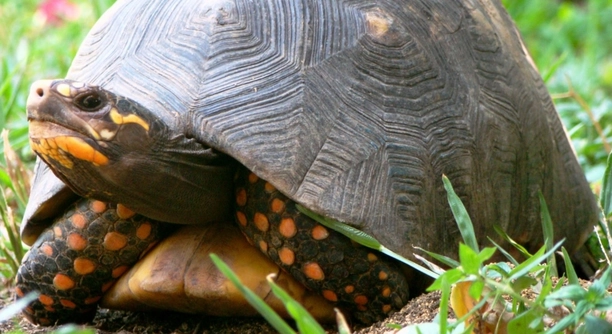
Red-footed tortoises are unique creatures with fascinating behaviors. Sometimes, owners may notice their tortoises making unusual squeaking sounds, which can be confusing. Understanding the reasons behind this noise can help ensure their well-being.
The squeaking sounds made by a red-footed tortoise are often linked to respiratory issues or stress. If the tortoise is struggling to breathe, it may produce these noises as a result of nasal or lung congestion. Environmental factors and diet can also contribute.
These sounds are a signal of possible health concerns that need attention. By addressing the underlying causes, you can improve your tortoise’s comfort and overall health.
Respiratory Issues in Red-Footed Tortoises
When a red-footed tortoise makes squeaking sounds, one of the main concerns is a potential respiratory problem. Respiratory infections in reptiles are common and can lead to nasal discharge, wheezing, or the distinct squeaking noises that owners hear. These issues are often caused by bacterial or viral infections, which, if left untreated, can become severe. It is important to notice any other symptoms, such as lethargy or loss of appetite, as these can indicate a respiratory infection. A proper diagnosis from a veterinarian is essential to treat this condition effectively.
Infections can be caused by poor habitat conditions or sudden temperature changes. Red-footed tortoises are sensitive to environmental fluctuations. If their living space is too cold or humid, it can stress their immune system, making them more vulnerable to infections.
Maintaining a stable environment, such as providing proper heat and humidity levels, will help reduce the risk of respiratory infections. Regular vet check-ups and keeping their living conditions clean can prevent these issues from arising. Addressing potential problems early ensures your tortoise remains healthy and comfortable.
Stress and Its Effects on Tortoises
Stress can also lead to the squeaking sounds in red-footed tortoises.
Tortoises may squeak when they are stressed or anxious, particularly if they feel threatened or confined. Changes in their surroundings, such as a new enclosure, a loud environment, or an unfamiliar pet, can trigger these sounds. Tortoises are creatures of habit, and disruptions in their routine can result in stress. A stressed tortoise may also display other behaviors like pacing, hiding, or refusal to eat.
To reduce stress, provide a consistent and calm environment for your tortoise. Ensure that they have enough space to move around freely and avoid sudden changes in their habitat. It’s essential to allow them time to adjust to new surroundings or routines, as excessive changes can cause them to become anxious. Additionally, handling your tortoise gently and only when necessary can minimize stress.
Environmental Factors and Habitat Conditions
Your red-footed tortoise’s squeaking could be related to its environment.
These tortoises thrive in warm, humid conditions. If their habitat is too dry, too cold, or poorly ventilated, it can lead to stress, respiratory problems, and discomfort. Fluctuating temperatures, particularly in the winter months, can weaken their immune system, making them more susceptible to illness. Ensuring the enclosure maintains stable warmth and humidity levels is key to their health.
Adding heat lamps, humidity gauges, and misting systems to their habitat can help recreate the conditions they need. Regularly check the temperature and humidity to ensure they stay within optimal ranges. A stable, comfortable environment can help prevent respiratory issues and reduce squeaking sounds.
Diet and Feeding Practices
Diet can also play a role in your tortoise’s behavior.
A poor diet can lead to malnutrition or digestive issues, both of which might cause squeaking. Red-footed tortoises require a varied diet, including leafy greens, fruits, and occasional protein sources. If they are not getting enough of the right nutrients, it can affect their overall health. Overfeeding or giving them the wrong food can lead to obesity or other health complications, which might cause discomfort and squeaking.
Ensure your tortoise receives a balanced diet with appropriate portions. Providing fresh, nutrient-rich food helps keep your tortoise strong and healthy. Avoid feeding them high-fat foods or processed items, as these can negatively impact their digestion and well-being.
Overcrowding in the Enclosure
Overcrowding can cause stress and discomfort for your tortoise.
If the enclosure is too small or has too many other animals, your tortoise may feel threatened and become anxious. This can result in squeaking or other unusual sounds. Ensure that your tortoise has enough space to roam without feeling confined or crowded.
Providing a spacious, quiet area where your tortoise can retreat and rest is crucial for its well-being. If your tortoise shares its enclosure with other pets, monitor their interactions carefully to avoid unnecessary stress. A peaceful, spacious environment can help your tortoise thrive.
Poor Ventilation and Air Quality
Air quality plays a significant role in your tortoise’s health.
A poorly ventilated enclosure can cause humidity levels to become too high or too low. This imbalance can lead to respiratory issues, making your tortoise more likely to squeak. Proper airflow is essential for maintaining a healthy environment.
To improve ventilation, consider adding airflow vents or using a fan to circulate fresh air. Regular cleaning of the enclosure also ensures that no mold or bacteria accumulate, which could contribute to respiratory problems. Keeping the air quality optimal reduces the risk of squeaking sounds caused by illness.
FAQ
Why is my red-footed tortoise making squeaking sounds?
Squeaking in red-footed tortoises can be a sign of respiratory issues or stress. If the tortoise is experiencing difficulty breathing due to a respiratory infection, it may produce squeaky noises. Another common cause is stress, often from environmental factors such as changes in temperature or overcrowding. Keep an eye on other symptoms like lethargy or loss of appetite to determine if a veterinary visit is necessary.
What should I do if my tortoise is squeaking?
If your tortoise is squeaking, it’s important to assess its environment and health. First, ensure that its enclosure has proper humidity, temperature, and ventilation. Check for signs of stress or discomfort, such as hiding or pacing. If you suspect a respiratory issue or if the tortoise seems unwell, schedule a visit to the vet for diagnosis and treatment.
Can a red-footed tortoise get sick easily?
Yes, red-footed tortoises can be susceptible to various illnesses, especially respiratory infections. These tortoises are sensitive to changes in their environment, and poor habitat conditions, such as improper temperature or humidity, can weaken their immune system. A well-maintained habitat with stable conditions helps keep them healthy and prevent sickness.
How can I prevent my tortoise from getting sick?
Preventing illness in your tortoise starts with maintaining proper habitat conditions. Ensure your tortoise has a spacious, clean enclosure with adequate lighting, heat, and humidity. A varied and balanced diet is also crucial. Regular veterinary check-ups and proper hygiene will help keep your tortoise healthy and reduce the risk of infections.
What are common signs that my tortoise is stressed?
Stress in tortoises can manifest through various behaviors, such as excessive hiding, pacing, or refusal to eat. A stressed tortoise may also make squeaking sounds. Environmental factors like overcrowding, loud noises, or sudden changes in their habitat can all contribute to stress. Pay attention to these behaviors and make adjustments to their environment as needed.
How can I reduce stress in my tortoise?
To reduce stress, create a calm, quiet environment for your tortoise. Avoid loud noises or sudden changes in their habitat. Ensure the enclosure is spacious enough for them to move freely, and limit handling to reduce anxiety. A stable routine and a safe space to retreat to can help your tortoise feel secure and less stressed.
What temperature and humidity should I maintain in my tortoise’s enclosure?
Red-footed tortoises thrive in temperatures between 75-85°F (24-29°C) during the day, with a nighttime drop to around 70°F (21°C). Humidity levels should be kept between 70-80% to mimic their natural habitat. Use a thermometer and hygrometer to monitor these conditions and make adjustments as needed to ensure your tortoise stays healthy.
Can poor diet cause squeaking in my tortoise?
Yes, a poor diet can lead to malnutrition or digestive issues, which might contribute to squeaking. A red-footed tortoise requires a balanced diet with leafy greens, fruits, and some protein. Overfeeding or providing improper foods can lead to discomfort or health problems, causing the tortoise to make unusual sounds.
What foods should I avoid feeding my tortoise?
Avoid feeding your red-footed tortoise foods that are too high in protein or fat, such as meat or processed foods. Dairy products should also be avoided. Stick to a diet of fresh leafy greens, fruits like papaya or mango, and occasional flowers or plants to ensure your tortoise gets the nutrients it needs.
How often should I clean my tortoise’s enclosure?
The enclosure should be cleaned regularly to maintain a healthy environment. Spot clean daily by removing any waste and uneaten food. Perform a deeper clean every week, changing the bedding and washing surfaces to prevent the build-up of bacteria or mold, which could lead to respiratory issues.
Can a red-footed tortoise live with other animals?
Red-footed tortoises can live with other tortoises or reptiles, but it’s important to ensure there is enough space to avoid territorial disputes. Keep in mind that other animals might stress out your tortoise, leading to behavioral issues. It’s crucial to monitor their interactions and ensure they coexist peacefully.
What is the lifespan of a red-footed tortoise?
Red-footed tortoises have a long lifespan, typically living between 50 to 60 years with proper care. With good nutrition, a clean habitat, and regular veterinary care, these tortoises can live well into their senior years. Providing them with the best possible care ensures they live a long, healthy life.
How can I tell if my tortoise is healthy?
A healthy tortoise will be active, alert, and have a good appetite. The shell should be firm and free from cracks, and the skin should appear smooth. Pay attention to its behavior—any changes, such as lack of movement or reduced appetite, may indicate a health issue and should be addressed promptly.
Is it normal for my tortoise to make noises at night?
While it’s not common for a tortoise to make noises at night, occasional sounds may occur. If the tortoise is squeaking, it could be due to environmental factors or health issues. Ensure the enclosure is comfortable with proper temperature and humidity, and avoid disturbing the tortoise during its resting hours.
How can I make sure my tortoise has a comfortable enclosure?
A comfortable enclosure should provide enough space for your tortoise to move freely. Ensure it has the correct temperature gradient, access to fresh water, and proper lighting. Add hiding spots or shelters to give your tortoise a sense of security. Regular cleaning and monitoring are essential to maintaining a healthy environment.
What should I do if my tortoise refuses to eat?
If your tortoise refuses to eat, check for signs of stress or illness. Changes in diet, temperature, or environment can cause a loss of appetite. If there’s no improvement after a few days or if your tortoise shows other signs of distress, consult a vet to rule out health issues.
Final Thoughts
Understanding why your red-footed tortoise is making squeaking sounds can provide peace of mind and help you address any potential issues early. It’s important to remember that while squeaking may not always indicate a serious problem, it’s still a sign worth paying attention to. In many cases, environmental stress or minor health concerns can cause these noises. With the right care and attention, these issues can be easily managed, leading to a happier, healthier tortoise.
Maintaining proper habitat conditions is key. Ensure that the temperature, humidity, and lighting in the enclosure are within the recommended range for your tortoise. Consistent care, including offering a balanced diet, keeping the enclosure clean, and minimizing stress, can go a long way in preventing health issues. It’s also essential to provide your tortoise with a quiet, safe space to help minimize any anxiety that may lead to behavioral changes or sounds.
If the squeaking persists or is accompanied by other symptoms, it’s wise to consult a veterinarian. While minor issues can often be resolved with environmental adjustments, a health issue may require professional care. Monitoring your tortoise closely and keeping track of any changes in behavior will help you address concerns promptly. With the right knowledge and approach, your red-footed tortoise can live a long, healthy life, free of unnecessary stress and discomfort.

Hello,
If you enjoy the content that we create, please consider saying a "Thank You!" by leaving a tip.
Every little bit helps us continue crafting quality advice that supports the health, happiness, and well-being of pets around the world, for pets of all shapes, sizes, and species.
We really appreciate the kindness and support that you show us!