
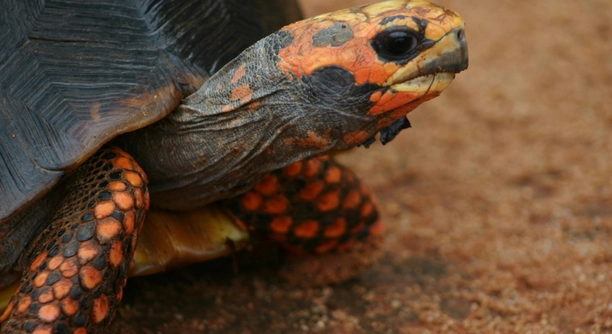
Keeping a red-footed tortoise’s habitat clean is essential for their health and comfort. A clean environment contributes to their well-being and ensures they thrive in their home. Proper care and cleaning methods can make a noticeable difference.
Maintaining a red-footed tortoise’s habitat clean naturally involves using non-toxic cleaning materials, regular substrate changes, and removing waste promptly. Incorporating natural plants and ensuring good ventilation are also important for promoting a healthy, safe environment for your tortoise.
These steps are easy to follow and can help your red-footed tortoise thrive in a cleaner and healthier environment.
Choosing Natural Cleaning Products
Using natural cleaning products for your red-footed tortoise’s habitat is essential for their health. Harsh chemicals can leave residues that may harm the tortoise, so opting for non-toxic alternatives is a safer choice. Simple ingredients like vinegar, baking soda, and diluted mild soap can clean effectively. These natural products break down waste and odors without leaving harmful traces behind. Moreover, they are easily accessible and affordable, making them a great option for everyday cleaning. For added safety, it is best to rinse surfaces well after cleaning.
When using natural cleaning agents, remember to use them in moderation. It is also important to ensure there is no excess moisture left behind in the habitat, as it can encourage mold growth.
A mixture of water and white vinegar can clean the enclosure safely. Baking soda is useful for eliminating odors, while diluted mild soap can clean stubborn spots. For daily maintenance, wiping surfaces with a damp cloth can help reduce build-up. These methods will ensure your tortoise’s environment remains safe and clean.
Replacing Substrate Regularly
Substrate plays a key role in keeping the habitat clean. It should be replaced frequently to avoid contamination. Using a natural substrate like coconut coir, aspen shavings, or cypress mulch is ideal. These materials are absorbent, safe, and can be easily replaced.
Changing the substrate every few weeks will help control odors and prevent the build-up of waste. Remove any soiled or damp parts immediately to maintain a fresh environment for your tortoise. It also ensures that their habitat remains comfortable and healthy.
Replacing substrate regularly helps prevent harmful bacteria from growing. A clean substrate allows for proper waste removal and helps maintain the right humidity level. This simple task will significantly improve your red-footed tortoise’s habitat, making it a safer, more comfortable space for them.
Removing Waste Promptly
Waste removal is an essential part of keeping a red-footed tortoise’s habitat clean. Remove uneaten food, feces, and soiled bedding daily. This helps keep the habitat free from harmful bacteria and unpleasant odors.
Feces and leftover food can attract pests and bacteria, so it is crucial to remove them right away. A small shovel or scoop works well for cleaning waste, and a paper towel can help wipe down surfaces. Make sure to clean all corners of the enclosure where waste may accumulate. A clean habitat will keep your tortoise healthier and more comfortable.
In addition to waste removal, check for any mold or mildew in damp areas. Mold can be harmful to your tortoise’s health and should be cleaned immediately. Make sure your tortoise’s food and water are also kept clean, as bacteria can thrive in these areas. Prompt removal of waste ensures your tortoise has a healthy and safe environment.
Ventilation and Humidity Control
Proper ventilation is crucial for maintaining a clean and healthy habitat. Ensure the enclosure has enough airflow to prevent excess humidity, which can lead to mold growth. Good ventilation helps keep the habitat dry, which reduces the chances of bacterial growth and keeps the substrate fresh.
If the humidity level is too high, it can cause the substrate to stay moist for longer periods, encouraging bacteria and mold. Ensure that the enclosure is well-ventilated and that you are monitoring the humidity levels regularly. A hygrometer can help you keep track of humidity and adjust the environment accordingly.
If you notice the enclosure becoming too humid, increase ventilation by adjusting airflow or adding a small fan. It’s important to strike the right balance. Too little humidity can cause dehydration, while too much can lead to unwanted growth. Proper ventilation and humidity control will maintain a clean environment and help your tortoise thrive.
Cleaning with Natural Plants
Incorporating natural plants into your tortoise’s habitat can help maintain cleanliness. Certain plants can naturally absorb waste odors and contribute to a healthier environment. Ensure the plants are non-toxic to your red-footed tortoise.
Plants such as spider plants or pothos are safe and provide additional benefits, like enhancing air quality. Adding a few plants will also give your tortoise an enriching environment. Just make sure to check that the plants are not harmful before introducing them. Prune dead or dying leaves promptly to keep the habitat looking fresh and tidy.
Managing Water Quality
Water quality is vital in preventing bacteria and algae growth. Make sure to replace the water in your tortoise’s dish regularly. Clean the dish thoroughly before refilling it to remove any dirt or food particles.
Contaminated water can cause health issues, so it is best to use filtered water and clean the bowl daily. This will keep your tortoise hydrated while also preventing the spread of harmful bacteria. A clean water source is an essential part of a clean habitat.
FAQ
How often should I clean my red-footed tortoise’s habitat?
Cleaning your red-footed tortoise’s habitat should be done regularly to ensure a healthy environment. Waste and uneaten food should be removed daily to prevent bacteria buildup. The substrate should be replaced every two to four weeks, depending on the tortoise’s activity level and size. Deep cleaning, including disinfecting the enclosure, should be done monthly. This will help maintain both hygiene and the overall health of your tortoise.
Can I use chemical cleaners in my tortoise’s habitat?
It’s best to avoid using chemical cleaners in your tortoise’s habitat. Harsh chemicals can leave residues that may harm your tortoise. Instead, use natural alternatives like vinegar, baking soda, or diluted mild soap to clean surfaces. These options are safe and effective for regular cleaning. Always rinse thoroughly to ensure no residue is left behind.
How do I control the humidity in my tortoise’s habitat?
Controlling humidity is essential for your red-footed tortoise’s well-being. The ideal humidity level is between 60-80%. Use a hygrometer to monitor the humidity levels and adjust accordingly. If the habitat is too dry, you can increase humidity by lightly misting the enclosure or adding a shallow water dish. If it’s too humid, improve ventilation by increasing airflow and ensuring the substrate doesn’t remain too wet. A balance between humidity and ventilation is key for a healthy habitat.
What kind of substrate is best for a red-footed tortoise?
A suitable substrate should be safe, absorbent, and easy to clean. Coconut coir, cypress mulch, and aspen shavings are all great options for red-footed tortoises. These materials hold moisture well and help maintain the appropriate humidity levels. Avoid using substrates that may cause impaction, such as sand or gravel, as these can be harmful to your tortoise if ingested.
Can I use plants in my tortoise’s habitat?
Yes, you can use plants in your red-footed tortoise’s habitat, but make sure they are non-toxic. Plants like pothos, spider plants, and basil are safe and can also help in maintaining cleanliness by absorbing waste odors. These plants provide enrichment for your tortoise and improve the overall aesthetic of the habitat. Regularly check for dead leaves and remove them to keep the habitat fresh.
How do I prevent odors in my tortoise’s habitat?
Odors are often a result of waste, excess moisture, and poor ventilation. Removing waste daily is the most effective way to prevent unpleasant smells. Ensure that the substrate is replaced regularly and that the habitat is well-ventilated. Using natural odor absorbers like activated charcoal or baking soda can also help control any lingering odors. Keeping the water dish clean and fresh will also minimize smell and encourage better overall hygiene.
Is it necessary to use UVB lighting for a red-footed tortoise?
Yes, UVB lighting is important for a red-footed tortoise’s health. UVB rays help them synthesize vitamin D3, which is essential for calcium absorption and overall bone health. If your tortoise doesn’t get direct sunlight, UVB lighting should be provided for 10-12 hours a day. Use a high-quality UVB bulb, and replace it regularly to ensure proper functionality.
What should I do if I see mold in my tortoise’s habitat?
Mold can develop in areas with excess moisture. If you spot mold, remove it immediately using a natural cleaning solution like vinegar and water. Dry the area thoroughly and consider improving ventilation in the habitat to prevent future mold growth. Be sure to remove any damp substrate and replace it with fresh material to maintain cleanliness. Regularly check the humidity levels to avoid creating conditions that encourage mold.
How can I keep my tortoise’s water dish clean?
Clean your tortoise’s water dish daily. Remove any debris, leftover food, or waste, and scrub the dish with a mild soap solution or vinegar before rinsing it thoroughly. Regular cleaning of the water dish helps maintain the quality of the water and reduces the risk of bacteria. If you notice algae growth, clean it immediately using a natural scrub brush.
How do I ensure my tortoise’s habitat stays at the right temperature?
Maintaining the proper temperature in your red-footed tortoise’s habitat is crucial for their health. The temperature should range from 75-85°F (24-29°C) during the day, with a basking area reaching up to 90°F (32°C). Use a reliable thermometer to monitor the temperature and adjust as needed. You can use heating lamps or heat mats to maintain warmth, but always ensure there’s a cooler area for your tortoise to move to if they need to escape the heat.
Can I use a fan to help with ventilation in the habitat?
Yes, using a fan can help improve ventilation in your red-footed tortoise’s habitat. A small fan can increase airflow and prevent excessive humidity, which can lead to mold growth. However, ensure the fan is not blowing directly on your tortoise, as this can cause discomfort or stress. Use the fan sparingly and monitor the humidity levels to maintain a balanced environment.
What should I do if my tortoise is not eating well?
If your red-footed tortoise isn’t eating well, there could be various reasons, including stress, improper temperature, or illness. Check the habitat conditions first, ensuring the temperature, humidity, and lighting are appropriate. If the environment seems fine, offer a variety of foods to see if they prefer something different. If the issue persists, consult a veterinarian for a thorough examination. It’s important to address changes in eating habits as they can indicate health problems.
Final Thoughts
Maintaining a clean habitat for your red-footed tortoise is essential for its overall well-being. A clean environment helps reduce the risk of illness and promotes a healthy lifestyle for your tortoise. Simple practices, such as daily waste removal and regular cleaning of water dishes, can go a long way in keeping the habitat safe and hygienic. The right temperature, humidity, and substrate also play significant roles in creating a balanced environment for your tortoise. Taking care of these elements ensures your tortoise thrives in its home.
While it may seem like a lot of work at times, cleaning and maintaining the habitat doesn’t have to be overwhelming. The process can be broken down into manageable tasks, like checking the humidity and temperature daily, cleaning surfaces regularly, and replacing substrate every few weeks. These small actions will prevent build-up and minimize the chance of any harmful bacteria or mold developing. It’s important to remember that a tortoise’s habitat should resemble its natural environment, providing not only a clean space but also an enriching one that mimics the conditions it would encounter in the wild.
By following these guidelines, you’ll help ensure that your red-footed tortoise lives a healthy, long life. Keeping a tortoise’s habitat clean requires some effort and attention, but the benefits are clear. A well-maintained environment promotes better health, reduces stress, and provides a more comfortable living space for your pet. As long as you stay on top of regular maintenance and make sure to adjust the habitat as needed, your tortoise will enjoy a safe and thriving environment for years to come.

Hello,
If you enjoy the content that we create, please consider saying a "Thank You!" by leaving a tip.
Every little bit helps us continue crafting quality advice that supports the health, happiness, and well-being of pets around the world, for pets of all shapes, sizes, and species.
We really appreciate the kindness and support that you show us!