
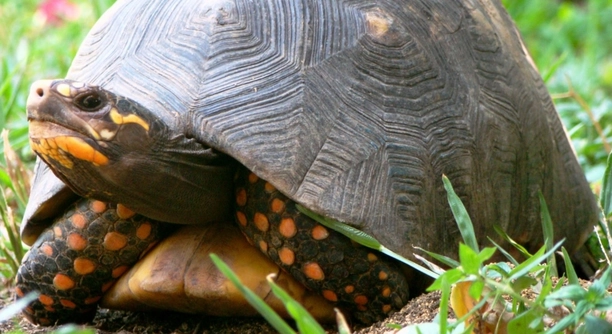
If you’ve noticed that your red-footed tortoise’s shell is turning yellow, it could be concerning. The cause behind this color change can vary, and understanding it is essential to keep your pet healthy.
The yellowing of a red-footed tortoise’s shell is often linked to environmental factors, such as improper diet, exposure to excessive sunlight, or inadequate humidity. Poor care can result in fungal infections, which can cause discoloration of the shell.
There are steps you can take to address this issue and ensure your tortoise stays healthy. By understanding the potential causes and how to handle them, you can improve your pet’s well-being.
Potential Causes of Yellowing in Your Red-Footed Tortoise’s Shell
When a red-footed tortoise’s shell turns yellow, it’s important to consider several factors. One of the most common reasons is a poor diet that lacks essential nutrients. If the tortoise isn’t getting enough vitamin A or calcium, it may show signs of shell discoloration. This issue can also stem from inadequate lighting or improper humidity levels in their environment, both of which are critical for their overall health. When these elements aren’t balanced, the tortoise’s immune system can weaken, leading to issues such as fungal or bacterial infections, which can also cause yellowing.
The health of your tortoise’s shell can be a direct reflection of how well you maintain its habitat. Pay close attention to its diet, environment, and overall care routine.
Taking care of these factors not only prevents yellowing but ensures your red-footed tortoise stays healthy. Consistent care will help you spot any issues early and address them before they become serious problems.
Diet and Its Impact on Shell Health
A well-rounded diet is crucial for your red-footed tortoise.
Your tortoise needs a variety of leafy greens, fruits, and vegetables to stay healthy. Lack of essential nutrients like calcium and vitamin A can lead to shell discoloration. Feeding a balanced diet will prevent nutritional deficiencies, ensuring your tortoise’s shell remains strong and vibrant.
The Importance of Proper Lighting and Humidity
Proper lighting and humidity are often overlooked, but they play a key role in maintaining shell health.
Tortoises require a specific type of light, often UVB, to properly metabolize calcium, which is essential for shell strength. Without UVB lighting, they can develop soft shells, which can eventually lead to discoloration. Humidity is also important; too little moisture can cause dehydration and other health problems, while excessive humidity can encourage fungal growth that may affect the shell. Keeping the right balance is vital for your tortoise’s well-being.
Ensuring that both lighting and humidity are consistent will help avoid these problems. Setting up a proper environment tailored to your tortoise’s needs is an easy yet effective way to keep its shell in optimal condition.
Fungal and Bacterial Infections
Fungal and bacterial infections can cause yellowing on your red-footed tortoise’s shell. These infections usually occur when the tortoise’s living conditions aren’t kept clean and dry. If the shell remains wet for extended periods, it can develop fungal growths, leading to discoloration.
To prevent infections, it’s essential to keep the habitat clean and dry. Regularly remove waste and uneaten food from the enclosure to avoid bacteria buildup. It’s also crucial to provide proper ventilation to ensure the environment isn’t too damp, as high humidity levels can encourage the growth of harmful fungi.
If you notice any unusual spots, swelling, or odor coming from your tortoise’s shell, it’s best to consult a vet. Timely treatment with antifungal or antibacterial medication can help prevent further damage to the shell and other parts of your tortoise’s health.
Impact of Excessive Sunlight
Excessive exposure to direct sunlight can harm your red-footed tortoise’s shell.
While some sunlight is necessary for proper calcium absorption, too much can result in dehydration and burn the shell. This can cause yellowing or fading of its natural color. Overexposure to intense heat can also affect your tortoise’s overall health, leading to stress and immune system issues.
To avoid this, ensure your tortoise has access to shaded areas during the day. Proper care includes offering a balance of UVB light and protection from extreme conditions. Maintaining the correct temperature and light exposure will keep your tortoise comfortable and healthy.
Shell Shedding and Growth
Shell shedding is a natural process for red-footed tortoises, and it can sometimes cause the shell to appear yellowish. As the tortoise grows, the old, damaged outer layer of the shell is replaced with a new one.
While shedding, it’s normal for some color change to occur temporarily. However, if the yellowing persists or becomes more pronounced, it could indicate a problem with the tortoise’s diet or environment. Keeping track of shedding cycles can help you distinguish between natural changes and potential issues with the shell’s health.
Environmental Stress
Stress from sudden changes in the tortoise’s environment can lead to shell discoloration.
Factors like an overcrowded enclosure, sudden temperature shifts, or loud noises can stress your tortoise out. When stressed, the tortoise’s immune system can weaken, making it more susceptible to infections or other shell problems. To avoid this, try to maintain a consistent, calm environment for your tortoise.
Improper Hydration
Dehydration can also be a cause for yellowing in the shell.
A lack of proper hydration affects your tortoise’s overall health and can impact its shell. Tortoises need access to fresh water, and their habitat should have adequate humidity levels to prevent dehydration. If your tortoise is not drinking enough water, it could lead to dry, flaky skin and shell discoloration.
FAQ
What should I do if my tortoise’s shell is turning yellow?
If your tortoise’s shell is turning yellow, it’s important to first check its environment. Ensure it’s getting the proper diet, lighting, and humidity. If the problem persists, consider consulting a veterinarian to rule out any underlying infections or health issues. A proper care routine can help restore its shell to its natural condition.
How can I prevent yellowing of my red-footed tortoise’s shell?
Preventing yellowing starts with maintaining a balanced diet and proper living conditions. Make sure your tortoise is receiving enough calcium and vitamin A, and provide proper UVB lighting. Keep the humidity at the right level, avoid excessive sunlight exposure, and clean the enclosure regularly to prevent infections.
Can yellowing be a sign of an infection?
Yes, yellowing can sometimes be a sign of a fungal or bacterial infection. If the shell is not only yellow but also has spots, odor, or swelling, an infection could be the cause. In this case, it’s best to consult with a vet for a proper diagnosis and treatment.
How often should I change my tortoise’s water?
Tortoises need access to clean, fresh water at all times. You should change the water every day or at least every other day, depending on how much your tortoise drinks. A clean water source helps prevent dehydration, which can lead to shell discoloration.
Can too much sun cause my tortoise’s shell to turn yellow?
Excessive sun exposure can lead to dehydration and stress in tortoises. If they’re left in direct sunlight for too long, the shell can become discolored, often showing yellowing. It’s important to provide access to shaded areas throughout the day, especially during peak sunlight hours.
What kind of diet is best for a red-footed tortoise?
A red-footed tortoise’s diet should include a variety of leafy greens, fruits, and vegetables. Offer a balanced diet that includes calcium-rich foods like collard greens, dandelion leaves, and calcium supplements. Avoid overfeeding fruit, as too much sugar can lead to health problems. Providing variety ensures your tortoise gets the nutrients it needs for a healthy shell.
Can I use a UVB light instead of natural sunlight?
Yes, you can use a UVB light to supplement natural sunlight, especially if your tortoise doesn’t have access to outdoor sun. UVB light helps them absorb calcium and maintain a strong, healthy shell. Make sure the UVB light is positioned correctly and replaced regularly, as it loses effectiveness over time.
How can I tell if my tortoise is dehydrated?
Dehydration in tortoises can be noticed by dry, flaky skin or a soft, sunken shell. You might also see your tortoise drinking less water or becoming more lethargic. If dehydration is suspected, increase humidity levels and provide more water. If it doesn’t improve, seek advice from a vet.
Is yellowing always a sign of poor health?
Not always. Some yellowing can be a natural result of the tortoise’s age or shedding cycle. However, if the yellowing is sudden or accompanied by other signs like swelling, softness, or foul smell, it may indicate an underlying health issue that requires attention.
Can I treat yellowing at home?
Minor yellowing caused by environmental factors like improper humidity or lighting can often be corrected at home by adjusting the tortoise’s habitat. However, if the yellowing is due to an infection or health problem, it’s important to seek professional veterinary treatment.
How can I improve my tortoise’s habitat to prevent shell discoloration?
To improve your tortoise’s habitat, ensure the temperature is consistent and humidity is maintained at the appropriate levels. Provide a balanced diet and ensure UVB lighting is sufficient for calcium absorption. Regular cleaning of the enclosure helps prevent fungal or bacterial infections that can affect the shell’s appearance.
How long does it take for a tortoise’s shell to heal?
Healing time varies depending on the cause of the yellowing. If it’s due to poor diet or environmental conditions, it may take a few weeks to months to see improvement. In the case of infections, it may take longer with the right treatment. Always monitor your tortoise and adjust its care as needed.
Can stress cause yellowing of the shell?
Yes, stress can contribute to changes in your tortoise’s shell color. Stress can weaken its immune system, making it more susceptible to infections or other health problems. Maintaining a calm, consistent environment can help reduce stress and prevent shell discoloration.
Final Thoughts
It’s important to closely monitor your red-footed tortoise’s shell and overall health to identify any changes early on. If the yellowing is gradual and accompanied by natural shedding, it’s likely just part of the tortoise’s growth process. However, if the yellowing appears suddenly or worsens, it could be a sign of something more serious, such as a nutritional imbalance, dehydration, or even infection. In these cases, it’s crucial to address the problem as soon as possible to ensure your tortoise remains healthy.
Maintaining the proper habitat for your tortoise is key to preventing issues like yellowing shells. Ensure that the enclosure has proper lighting, humidity levels, and temperature to promote healthy growth. A balanced diet, rich in calcium and vitamins, will help support the shell’s strength and color. Avoiding environmental stressors, like sudden temperature changes or overcrowding, can also keep your tortoise in optimal health. By creating a stable, supportive environment, you’ll help minimize the risks of shell discoloration and other health issues.
If the yellowing persists despite making adjustments to the environment and diet, seeking advice from a veterinarian is always a good idea. A professional can diagnose any underlying conditions that might not be immediately obvious. Keeping your red-footed tortoise’s health in check requires consistent care, but with the right steps, you can help maintain its well-being and vibrant shell for years to come.

Hello,
If you enjoy the content that we create, please consider saying a "Thank You!" by leaving a tip.
Every little bit helps us continue crafting quality advice that supports the health, happiness, and well-being of pets around the world, for pets of all shapes, sizes, and species.
We really appreciate the kindness and support that you show us!