
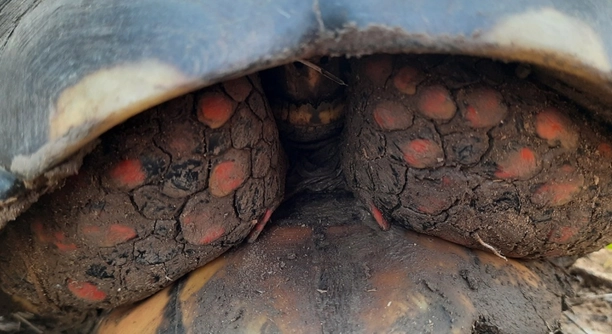
If your red-footed tortoise isn’t growing as expected, it could be due to various factors affecting its health and development. These tortoises are known for their slow growth rate, but other issues might be at play.
Several key factors can hinder the proper growth of your red-footed tortoise. Insufficient diet, inadequate lighting, and improper humidity levels are common causes. Each of these factors can affect its overall health, leading to stunted growth or developmental issues.
Taking the time to adjust these factors will improve your tortoise’s chances of healthy growth. Understanding these causes is essential for making the right adjustments to its care routine.
Improper Diet and Nutrition
One of the most significant factors affecting the growth of a red-footed tortoise is an improper diet. These tortoises require a varied, balanced diet that includes leafy greens, fruits, and high-fiber plants. A diet that is too high in protein or lacks the necessary vitamins and minerals can stunt growth. Additionally, calcium and vitamin D3 are essential for their shell development and overall health. If these nutrients are missing or insufficient, it can lead to metabolic bone disease, which affects the tortoise’s growth. Over time, poor nutrition will not only affect size but could lead to health issues that may require veterinary attention.
If your tortoise isn’t getting enough variety or essential nutrients, it may not reach its full growth potential. Adjusting its diet to include all the necessary vitamins and minerals can make a big difference.
Improving your tortoise’s diet is not complicated but requires careful attention. By offering a mixture of fresh vegetables, fruits, and supplements like calcium powder, you can ensure proper growth and overall health. This adjustment can help your tortoise thrive in the long run.
Incorrect Lighting and UVB Exposure
Another common issue is inadequate lighting, particularly when it comes to UVB exposure. Red-footed tortoises need proper UVB light to metabolize calcium and develop a healthy shell. Without it, they can develop shell deformities, bone disease, and slow growth. UVB lighting should be provided for 10-12 hours a day, mimicking natural sunlight to ensure your tortoise’s calcium absorption. Regular exposure to sunlight is also important, but indoor tortoises rely on UVB bulbs for optimal health.
The right lighting setup is simple but essential. Make sure your tortoise has access to UVB lights every day for proper growth and development. Without this, they could struggle to grow as they should.
With the proper UVB lighting setup, you can help your tortoise reach its full potential. Ensuring your red-footed tortoise has adequate light will support not just its growth but also its overall well-being.
Inadequate Humidity Levels
Red-footed tortoises thrive in humid environments. If the humidity levels in their habitat are too low, it can affect their ability to digest food properly and hinder growth. Dry conditions can also lead to dehydration and other health issues, which further impact their development.
Maintaining proper humidity levels is essential. A humidity range of 70% to 80% is ideal for these tortoises. You can achieve this by misting the enclosure regularly or using a humidifier. Make sure to also provide a water dish for drinking and soaking, as hydration plays a critical role in their growth and overall health.
A humid environment not only supports growth but also keeps your tortoise’s skin and shell healthy. Keep an eye on the humidity levels to prevent any stunted growth or discomfort for your pet.
Temperature Fluctuations
Maintaining a stable temperature in your tortoise’s habitat is crucial for proper growth. If the enclosure gets too cold, your tortoise’s metabolism slows down, leading to poor digestion and stunted growth. On the other hand, excessive heat can cause stress and dehydration.
Ensure that the temperature is consistent, with a basking spot around 90°F and a cooler area of around 75°F. A reliable thermometer and a heating source can help maintain these temperatures. If the temperature fluctuates too much, it can affect your tortoise’s health and development.
Consistent temperatures create a more comfortable and stress-free environment for your red-footed tortoise. Keeping the habitat within a stable range supports better digestion, healthy growth, and overall well-being.
Overcrowded Enclosure
If your red-footed tortoise’s habitat is too crowded, it can cause stress, which negatively impacts growth. Overcrowding leads to competition for food and space, preventing your tortoise from thriving. This stress can hinder its ability to grow at a healthy rate.
Make sure there’s enough space for each tortoise to move freely. A proper-sized enclosure allows your pet to find food, bask comfortably, and avoid stress. If you notice signs of overcrowding, consider upgrading the enclosure to provide a more spacious environment.
A larger space can prevent many health issues, including stunted growth. Stress is a major factor in keeping tortoises from growing properly.
Improper Substrate
The wrong type of substrate can affect your tortoise’s growth. If it is too rough or unsuitable for burrowing, it can lead to injury or discomfort. A good substrate should retain moisture without becoming soggy, offering a comfortable surface for your tortoise.
Coconut coir, cypress mulch, or organic soil is ideal for red-footed tortoises. These materials allow for natural behaviors, like burrowing, and help maintain proper humidity. Avoid using sand or gravel as they can cause digestion problems if ingested.
The right substrate helps prevent injuries and supports overall health, contributing to better growth. It’s a simple adjustment that goes a long way.
Lack of Exercise
Your tortoise needs enough room to walk and explore. Without proper exercise, your red-footed tortoise’s muscles and bones may weaken, impacting its overall growth. Tortoises that don’t get enough activity may become lethargic and lose weight.
Allow your tortoise to roam in a safe, controlled space for a few hours each day. Providing this opportunity to exercise will keep muscles strong and promote a healthy appetite. Regular exercise also reduces stress, improving digestion and metabolism.
Ensuring your tortoise gets enough exercise promotes better growth and overall well-being.
FAQ
What is the ideal diet for a red-footed tortoise?
A red-footed tortoise requires a variety of vegetables, fruits, and high-fiber plants to grow properly. Leafy greens like dandelion greens, collard greens, and mustard greens should be staples in their diet. Fruits such as papaya, mango, and berries can be offered in moderation. Avoid feeding them too much protein, as this can lead to health problems. It’s also essential to supplement their diet with calcium and vitamin D3 to support shell and bone development. Offering a variety of food will help keep them healthy and promote growth.
How often should I feed my red-footed tortoise?
Young red-footed tortoises need to eat more frequently, about once a day. As they mature, they can be fed every other day. Providing enough food each time will ensure they get all the nutrients they need for healthy growth. Make sure to monitor their weight and adjust feeding habits if necessary. Overfeeding can lead to obesity, while underfeeding can stunt growth. Fresh food should always be available in their habitat, and leftovers should be removed after a few hours to avoid attracting pests.
Can I feed my red-footed tortoise human food?
It’s best to avoid feeding your tortoise human food. Some human foods, like dairy, processed meats, or high-sugar snacks, can be harmful to tortoises. Stick to natural, tortoise-friendly foods like vegetables, fruits, and certain edible flowers. If you’re unsure whether a food item is safe, research or ask a vet before offering it. A proper diet of fresh, nutritious foods will ensure your red-footed tortoise grows properly and stays healthy.
Do red-footed tortoises need a heat lamp?
Yes, red-footed tortoises need a heat lamp to mimic the natural sun. Their basking area should be kept around 90°F, while the rest of the enclosure should be slightly cooler, around 75°F. A heat lamp is essential for digestion and overall health. Without adequate heat, their metabolism slows down, which can affect growth. Make sure to provide a UVB light as well, which helps them metabolize calcium and supports shell health. Regularly check the temperatures to ensure your tortoise is in a comfortable and healthy environment.
What is the best substrate for a red-footed tortoise?
Coconut coir, cypress mulch, or organic soil are ideal substrates for red-footed tortoises. These materials help maintain humidity levels while providing a comfortable surface for the tortoise to roam and burrow. Avoid sand or gravel, as they can cause health issues if ingested. The right substrate also allows the tortoise to exhibit natural behaviors, like digging. Keep the substrate clean and fresh, and add extra moisture if necessary to maintain the appropriate humidity levels for your tortoise’s well-being.
How much space does a red-footed tortoise need?
The minimum recommended enclosure size for a red-footed tortoise is 4 feet by 6 feet. However, providing more space is always better, especially as your tortoise grows. A larger space allows them to move freely, exercise, and find food without stress. If you house more than one tortoise, make sure the space is large enough for them to avoid territorial disputes. A larger enclosure also helps with maintaining proper humidity and temperature levels. Providing enough space is essential for both their physical and mental health.
Can I house multiple red-footed tortoises together?
Red-footed tortoises can be housed together if the enclosure is large enough and if they are introduced properly. It’s best to have at least one square meter of space for each tortoise. Males may become territorial, especially if there are females in the enclosure, so it’s important to monitor their behavior. If aggression or bullying occurs, separating them may be necessary. Always ensure there are enough food sources and hiding spots to reduce stress and competition.
How do I tell if my red-footed tortoise is healthy?
A healthy red-footed tortoise should have clear eyes, a smooth, hard shell, and be active when awake. They should eat regularly and have a good appetite. Their skin should be free from lesions or signs of infection. If you notice any lethargy, loss of appetite, or signs of a shell problem, such as soft spots or deformities, consult a veterinarian. Regular check-ups and proper care are essential for maintaining a healthy tortoise. Keeping an eye on their behavior and appearance will help catch potential health issues early.
What are common health problems in red-footed tortoises?
Some common health problems in red-footed tortoises include metabolic bone disease, respiratory infections, and shell rot. These issues are often caused by improper diet, lack of UVB exposure, or poor enclosure conditions. Signs of metabolic bone disease include soft or deformed shells and weak limbs. Respiratory infections can cause wheezing, nasal discharge, and lethargy. Shell rot presents as soft, discolored areas on the shell. Regular veterinary check-ups and proper care can prevent or address these conditions early.
How long do red-footed tortoises live?
Red-footed tortoises can live for 50 to 60 years in captivity if properly cared for. Some may even live longer with the right diet, enclosure, and veterinary care. They grow slowly, and their lifespan is significantly impacted by their living conditions. By providing proper care, you can ensure that your tortoise leads a long, healthy life. It’s important to commit to their long-term care needs and create an environment that promotes their health and longevity.
Final Thoughts
Caring for a red-footed tortoise requires patience and attention to detail. It’s important to provide them with the proper diet, environment, and medical care to ensure they grow well and live a long, healthy life. A balanced diet that includes fresh vegetables, fruits, and edible plants is essential. It’s also necessary to avoid offering them human food, which may not be suitable for their digestive system. Supplementing their diet with calcium and ensuring they get proper UVB lighting will help prevent health issues like metabolic bone disease.
Their enclosure is just as important as their diet. Providing enough space for them to roam and explore is vital for their physical and mental well-being. Red-footed tortoises are naturally curious and need an environment that allows them to dig, hide, and bask in the heat. If they are housed with other tortoises, make sure the space is large enough for them to feel comfortable and avoid territorial conflicts. The temperature and humidity in their enclosure should be monitored regularly to ensure that they are comfortable and safe.
By observing your tortoise’s behavior and physical condition, you can spot early signs of health problems. If you notice any issues, such as loss of appetite, lethargy, or shell deformities, it’s important to consult a veterinarian. Regular check-ups and maintaining proper care can help prevent most health problems. Red-footed tortoises can live for many decades, so it’s essential to commit to their long-term care. With the right attention and effort, your tortoise can thrive and bring enjoyment for many years to come.

Hello,
If you enjoy the content that we create, please consider saying a "Thank You!" by leaving a tip.
Every little bit helps us continue crafting quality advice that supports the health, happiness, and well-being of pets around the world, for pets of all shapes, sizes, and species.
We really appreciate the kindness and support that you show us!