
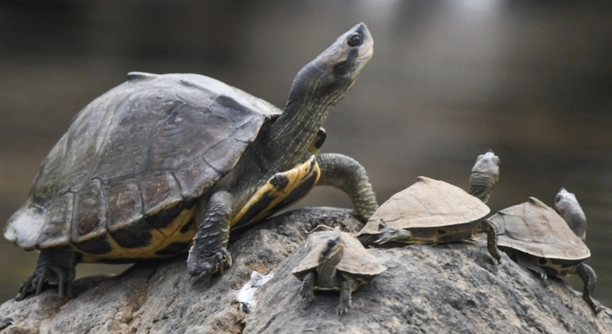
Loud noises can be stressful for pets, and your Indian Roofed Tortoise is no exception. Understanding how to tell when it’s stressed by sound is important for its well-being.
Stress from loud noises in Indian Roofed Tortoises is often indicated by behaviors such as hiding, increased restlessness, and a lack of appetite. These signs suggest the tortoise feels threatened and overwhelmed by the sound.
Recognizing these stress signals can help you create a more peaceful environment for your tortoise, allowing it to feel safe and comfortable in its surroundings.
Common Sources of Stress for Your Indian Roofed Tortoise
Loud sounds like sudden bangs, household appliances, or even music can trigger stress in your tortoise. These animals are naturally sensitive to vibrations and noise in their environment, which can disturb their peace. When exposed to such stressors, your tortoise might show clear signs of discomfort. The noise interferes with their sense of safety and routine, leaving them feeling vulnerable. They may retreat to a corner, hide inside their shell, or stop moving altogether.
Even consistent background noise, like a TV on all day or loud conversations, can have an impact. Over time, these noises can cause your tortoise to feel constantly on edge. The more noise it’s exposed to, the more stressed it may become. It’s important to note that stress doesn’t just affect behavior but can also impact your tortoise’s health, leading to appetite loss or even shell problems.
You can reduce stress by maintaining a quiet, calm environment. Keep loud activities, such as vacuuming or heavy machinery use, away from your tortoise’s habitat. It may also help to cover their enclosure with a soft cloth when sounds are unavoidable. This simple adjustment can create a peaceful space that allows your tortoise to feel secure.
How to Identify Stress in Your Tortoise
Pay attention to any changes in your tortoise’s usual behavior.
When a tortoise is stressed from loud noises, it may become unusually withdrawn or inactive. It could hide for longer periods than normal, avoiding interaction or exploration. The tortoise may also stop eating, drink less water, and show no interest in its surroundings. These are clear signals that stress is taking a toll.
If loud noises are persistent in your home, it might take time for your tortoise to adapt. However, stress from these sounds should not be ignored. Continued exposure can weaken its immune system, leaving it more vulnerable to illnesses. Additionally, a stressed tortoise may experience shell issues like softening or deformation. The overall quality of life can significantly decrease if stress persists. Reducing noise exposure is one of the easiest and most effective ways to ensure your tortoise remains healthy and happy.
Creating a Calm Environment for Your Tortoise
Reducing noise in your home is the first step toward relieving stress for your tortoise. Consider setting up a quiet area away from busy rooms.
Place your tortoise’s enclosure in a calm spot where it won’t be disturbed by household noises like loud TVs or music. Ideally, the area should be low-traffic and away from entrances or areas where people talk loudly. If possible, move the enclosure to a room with thicker walls or soft carpeting to help absorb noise. You can also try using a white noise machine to block out sudden loud sounds.
Adding plants, soft lighting, and hiding spots inside the enclosure can also help. These elements provide your tortoise with a more comfortable and natural setting to retreat to when feeling stressed. A simple change like this can make a huge difference in how your tortoise reacts to the noise around it.
When to Seek Professional Help
If your tortoise continues to show signs of stress despite reducing noise, it may be time to consult a veterinarian.
A vet can rule out any other underlying issues, such as illness or improper habitat conditions, that might be contributing to the stress. Sometimes, a tortoise’s response to noise could be linked to other health concerns, like respiratory problems or dehydration. A professional can offer tailored advice on managing stress in your tortoise’s environment and help ensure it receives proper care. Be prepared to provide the vet with details about your tortoise’s behavior, habitat, and any recent changes.
Understanding your tortoise’s needs and seeking help early can prevent long-term issues. The earlier you address stress, the better your tortoise’s health will be. In addition to professional care, you can also try adjusting the enclosure’s temperature, lighting, and humidity to see if that improves your tortoise’s overall comfort.
Signs of Stress Beyond Behavior
If your tortoise continues to show signs of stress, physical symptoms may appear. Pay close attention to its shell and appetite.
A stressed tortoise may also display physical signs, such as a dull or discolored shell. These changes can indicate that stress is weakening its immune system, making it more vulnerable to infections. If you notice these symptoms, it’s important to act quickly.
How to Help Your Tortoise Relax
To help your tortoise unwind, offer it a peaceful environment with minimal disruptions. Soft lighting and gentle sounds can help create a calm atmosphere. Avoid handling it too often, as this can increase stress.
Adding soft bedding, like coconut husk or hay, will also help your tortoise feel secure and safe. Providing hiding spots in the enclosure can allow your tortoise to retreat whenever it feels overwhelmed. These small changes can make a big difference in reducing stress levels and improving its well-being.
Environmental Enrichment for Tortoises
Enrichment can play a vital role in keeping your tortoise happy and healthy. Adding items like rocks, logs, and plants to the enclosure gives your tortoise a more natural, stimulating space.
These elements not only encourage exploration but also provide hiding places and areas for resting. A variety of textures and materials can help keep your tortoise mentally engaged. This is especially important if your tortoise is spending more time indoors due to weather or safety concerns.
FAQ
How can I tell if my tortoise is stressed from loud noises?
Stress in your tortoise from loud noises can be identified by certain behaviors. If it hides more often, becomes less active, or stops eating, these are signs of stress. Additionally, your tortoise may retreat into its shell more than usual, avoiding interaction. Increased hiding and reduced movement are common responses to sudden or consistent loud noises. If you notice these changes, try reducing noise levels around your tortoise and observe if its behavior improves.
Can loud noises cause long-term damage to my tortoise?
Yes, continuous exposure to loud noises can potentially cause long-term damage to your tortoise. Chronic stress can weaken its immune system, leading to health issues like respiratory problems or shell deformation. It’s important to address the stress early to prevent these long-term effects. By providing a calm, quiet environment, you can minimize the risks of stress-related health issues.
What type of environment helps reduce stress in tortoises?
A quiet, secure environment is crucial for reducing stress in tortoises. Ensure that their enclosure is in a peaceful area of the house, away from loud sounds like television or conversation. Adding soft bedding, plants, and hiding spots will create a more comfortable and natural space for them. The use of gentle lighting and avoiding abrupt temperature changes also plays a role in promoting relaxation.
Can I use music to calm my tortoise?
Music can be calming for some tortoises, but it should be played at a low volume. Gentle classical music or natural soundtracks might help your tortoise relax. However, avoid loud or fast-paced music, as this can have the opposite effect, increasing stress. Always monitor how your tortoise responds to the music and adjust accordingly.
Should I remove my tortoise from the noise completely?
If possible, it’s best to remove your tortoise from areas with loud, persistent noise. Tortoises thrive in calm environments where they feel safe. If you cannot avoid the noise, you can try covering its enclosure with a cloth to help block out sounds. Creating a designated quiet space will allow your tortoise to feel more secure and comfortable.
What should I do if my tortoise stops eating because of stress?
If your tortoise stops eating due to stress, it’s important to reduce any noise or disturbances around it. Ensure that the enclosure temperature and humidity are optimal, as improper conditions can also affect appetite. If the stress continues or your tortoise refuses food for more than a day or two, consult a vet to rule out health issues.
How often should I check my tortoise’s behavior for stress?
You should monitor your tortoise’s behavior regularly, especially after any changes in its environment. If there’s a sudden increase in noise or if you’ve recently moved its enclosure, pay close attention to any changes in behavior. Regular checks will help you catch stress early before it negatively affects your tortoise’s health.
Can tortoises get used to loud environments?
Some tortoises may gradually adapt to a noisy environment, but many will remain sensitive to loud sounds. It depends on the tortoise’s individual temperament and how frequent and intense the noise is. For long-term well-being, it’s still better to minimize exposure to loud noises whenever possible.
What are the physical signs of stress in a tortoise?
Physical signs of stress in a tortoise may include changes in its shell appearance, such as a dull, discolored shell. Stress can also cause your tortoise to become more lethargic and less willing to move or explore. A loss of appetite or changes in drinking habits are also signs to look out for. Prolonged stress may lead to more serious health issues, so it’s important to act quickly.
Is it okay to handle my tortoise if it’s stressed?
Handling a stressed tortoise can make its situation worse. If your tortoise is already stressed, give it space and time to relax. Avoid picking it up unless necessary for cleaning or health reasons. Let your tortoise retreat to its hiding spots, and handle it gently when you do need to interact with it.
Final Thoughts
Loud noises can have a significant impact on the well-being of your Indian Roofed Tortoise. Since they are sensitive to sounds and vibrations, it is important to provide them with a peaceful environment where they feel safe and secure. Stress caused by loud noises can lead to changes in behavior, such as hiding, reduced activity, and loss of appetite. In some cases, the stress can even affect their health, leading to physical issues like shell deformities or weakened immune systems. Identifying the signs of stress early can help you make the necessary changes to improve your tortoise’s living conditions.
Creating a calm and quiet space for your tortoise is key. Make sure their enclosure is placed in an area away from the hustle and bustle of household noise, like TV sounds or loud conversations. You can enhance their environment with soft bedding, plants, and hiding spots, which help your tortoise feel more comfortable and secure. Reducing noise levels and offering a peaceful place to rest will help lower the stress your tortoise may be experiencing. By paying attention to their needs and adjusting their environment, you can prevent long-term health problems related to stress.
However, stress from loud noises can be complex, and it’s important to stay vigilant. If your tortoise continues to show signs of stress despite changes to its environment, it may be a good idea to consult a veterinarian. A professional can help you understand whether stress is the sole issue or if there are other underlying health problems. In any case, being aware of your tortoise’s behavior and making adjustments to its surroundings is crucial for maintaining a happy and healthy pet.

Hello,
If you enjoy the content that we create, please consider saying a "Thank You!" by leaving a tip.
Every little bit helps us continue crafting quality advice that supports the health, happiness, and well-being of pets around the world, for pets of all shapes, sizes, and species.
We really appreciate the kindness and support that you show us!