
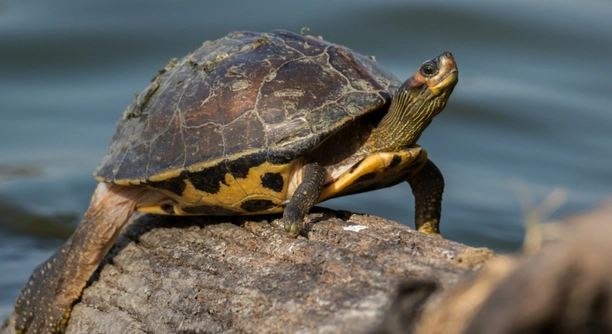
Heating pads are essential for providing the right environment for your Indian roofed tortoise, especially in colder climates. They help regulate body temperature and promote overall health, making them an important investment for tortoise owners.
The best heating pads for Indian roofed tortoises provide consistent, safe heat to help maintain their body temperature. These pads should be easy to use, durable, and offer adjustable settings to suit the needs of your tortoise.
Understanding how to select the right heating pad can be tricky. We will guide you through the key features to consider, helping you create a safe, comfortable environment for your tortoise’s well-being.
Why Heating Pads Are Important for Indian Roofed Tortoises
Heating pads are crucial for your Indian roofed tortoise’s health, especially if they live in areas with cooler temperatures. These tortoises rely on external heat sources to regulate their body temperature, which affects their digestion, metabolism, and overall well-being. Without proper heat, they can become lethargic or develop health problems. Heating pads designed for reptiles are often the most reliable way to provide consistent warmth. They help mimic the natural heat found in their native habitats, ensuring they stay healthy and active.
In the wild, Indian roofed tortoises bask under the sun to stay warm. Without that natural heat, it’s important to create a controlled, warm environment for them. Choosing the right heating pad can make a huge difference in ensuring your tortoise thrives.
When selecting a heating pad, make sure it offers reliable, steady warmth. The pad should be placed under the enclosure to provide heat from below, mimicking the natural heat they’d experience from the ground in the wild. A good heating pad will not only help maintain their health but also contribute to their overall comfort.
Features to Look for in a Heating Pad
When selecting the right heating pad, you need to consider a few key features. Durability, ease of use, and proper heat distribution are all essential for your tortoise’s habitat.
It’s important to choose a heating pad that is designed specifically for reptiles. These pads are made to provide a steady, gentle heat that’s safe for your tortoise. You’ll also want one with adjustable temperature settings, so you can fine-tune the warmth to meet your tortoise’s needs.
Heating pads come in different sizes, so you should select one that fits your tortoise’s enclosure. It’s also a good idea to choose a model with a reliable thermostat, which helps prevent overheating. The pad should be easy to clean and maintain to keep your tortoise’s environment sanitary. The best heating pads will be long-lasting, efficient, and safe to use. The safety features are particularly important to avoid accidental burns or malfunctions.
Best Heating Pads for Indian Roofed Tortoises
When selecting the best heating pads, it’s crucial to consider both the temperature control and size. A good heating pad will maintain a consistent heat level without fluctuating too much. This stability is key to your tortoise’s well-being.
Some heating pads come with adjustable thermostats, allowing you to control the temperature based on your tortoise’s needs. You should choose a pad that fits comfortably under the enclosure. For instance, a larger pad offers more consistent warmth, while a smaller one might focus heat more intensely in a specific spot. It’s important to place the pad under the tank or enclosure, never on the sides, to simulate natural heat from the ground.
Don’t forget to look for safety features, like an automatic shut-off function. This prevents overheating, which can be harmful to your tortoise. A heating pad with a durable, easy-to-clean surface will also save you time in maintaining your tortoise’s environment. Having a reliable heat source is essential for your tortoise’s health, especially during colder months.
Types of Heating Pads
Heating pads come in a few different styles, each with unique benefits. Most are either adhesive or have a flexible material that wraps around the enclosure. Adhesive pads are easy to attach and are great for smaller tanks, while flexible pads can cover larger areas.
Flexible heating pads are often the most versatile, as they can be used under tanks, in terrariums, or attached to specific areas of the enclosure. These pads help maintain a steady heat without taking up too much space. The material is usually waterproof, making them easier to clean and more durable. Adhesive pads, on the other hand, are easier to install but can only be used on flat surfaces.
Both types are available with adjustable thermostats. A thermostat is crucial to avoid the risk of overheating, ensuring your tortoise stays comfortable. Most heating pads are safe for continuous use, but always ensure the one you choose is designed for reptiles to avoid potential risks.
How to Properly Use a Heating Pad
Ensure the heating pad is placed underneath the enclosure, never on the sides or top. This setup mimics the warmth from the ground, providing your tortoise with a natural heat source. Follow the manufacturer’s instructions for safe installation.
It’s important to monitor the temperature regularly. Use a thermometer to ensure the heat stays within the ideal range for your tortoise. For Indian roofed tortoises, temperatures should range from 80°F to 90°F during the day, with a slight drop at night. Adjust the settings as needed to maintain these conditions consistently.
Regular checks are essential to avoid overheating, which could harm your tortoise. Consider using a thermostat to control the temperature, especially if your pad doesn’t have automatic temperature regulation.
Benefits of Proper Heating for Tortoises
Proper heating supports healthy digestion, boosts metabolism, and aids in overall tortoise growth. Without adequate warmth, your tortoise can become lethargic and more susceptible to illness.
Heating pads also provide a more stable environment than a heat lamp, which can create fluctuating temperatures. They offer consistent warmth from below, which is what tortoises naturally seek. Proper heat helps them remain active, digest food, and maintain a healthy immune system.
Safety Considerations
Make sure the heating pad is designed specifically for reptiles. Non-reptile pads may overheat, which can cause burns or harm your tortoise. Always check the temperature regularly and adjust accordingly.
FAQ
What is the ideal temperature for an Indian roofed tortoise’s enclosure?
The ideal temperature for your tortoise’s enclosure should be between 80°F to 90°F during the day. This range helps support proper digestion and activity levels. At night, the temperature can drop slightly, but it should not go below 70°F. A consistent heat source is important to maintain these conditions.
Can I use a regular heating pad for my tortoise?
No, regular heating pads are not designed for reptiles and can cause overheating or burns. Always choose a heating pad specifically designed for reptiles. These pads provide safe, consistent warmth, and many have built-in safety features like temperature control and automatic shut-off to prevent overheating.
How do I know if my heating pad is working correctly?
Use a thermometer to check the temperature of the pad regularly. Place it on the surface of the pad to ensure that it’s within the ideal temperature range for your tortoise. If the heating pad has a thermostat, it will help maintain a stable temperature. Monitor the pad’s performance and look for any signs of malfunction, such as inconsistent heating or overheating.
Can heating pads cause burns on my tortoise?
Yes, heating pads can cause burns if they’re not used properly. To prevent this, always use a pad specifically designed for reptiles and ensure it’s set to a safe temperature. Placing the pad under the enclosure rather than on top will help prevent direct contact, reducing the risk of burns. Check the temperature regularly to ensure it stays within safe limits.
How long can I leave the heating pad on for my tortoise?
It’s safe to leave the heating pad on for as long as your tortoise needs consistent heat. Many reptile heating pads are designed for continuous use. However, it’s important to ensure that the temperature doesn’t exceed safe limits. Using a thermostat or timer can help maintain consistent, safe temperatures without having to worry about overheating.
Do I need to use a thermostat with my heating pad?
Using a thermostat is highly recommended. While many heating pads come with built-in temperature control, a separate thermostat can provide an extra layer of safety. It helps regulate the temperature, preventing it from fluctuating too much and reducing the risk of overheating. A thermostat also ensures your tortoise is comfortable without the risk of burns or discomfort.
Can I use a heat lamp instead of a heating pad?
While a heat lamp can work, it often creates fluctuating temperatures and can dry out the air in the enclosure. Heating pads, on the other hand, provide consistent, even heat from below, which is more natural for your tortoise. If you do use a heat lamp, consider combining it with a heating pad to create a more balanced environment.
How do I clean a heating pad for my tortoise’s enclosure?
Cleaning a heating pad is simple. First, turn off the heating pad and unplug it from the power source. Wipe it down with a damp cloth to remove any dirt or debris. Avoid using harsh chemicals or cleaning agents that could damage the pad or harm your tortoise. Make sure the pad is completely dry before turning it back on.
Should I place the heating pad under the tank or inside the enclosure?
It’s best to place the heating pad underneath the tank or enclosure. This method mimics the natural heat from the ground and allows the tortoise to move around and find its ideal temperature zone. Placing it inside the tank may cause the tortoise to directly contact the pad, which increases the risk of burns.
How do I adjust the temperature of the heating pad?
Most heating pads come with an adjustable thermostat or temperature control. Adjust it based on the current temperature of the enclosure and the specific needs of your tortoise. You can also use a thermometer to monitor the temperature and adjust the heating pad accordingly. Avoid setting the pad too high, as it can be uncomfortable or harmful to your tortoise.
Can I use a heating pad in a humid environment?
Yes, but it’s important to ensure the heating pad is waterproof and designed for reptile use. High humidity can cause some heating pads to malfunction if they’re not properly sealed. Check the product’s specifications to make sure it’s safe for use in humid conditions. Regularly monitor the pad to ensure it’s functioning correctly.
Is it safe to use a heating pad with a young tortoise?
Yes, heating pads are safe for young tortoises as long as they are used correctly. Since young tortoises are more sensitive to temperature fluctuations, it’s especially important to maintain a stable and appropriate temperature range. A properly regulated heating pad will help ensure your young tortoise remains comfortable and healthy.
How do I know if the heating pad is too hot for my tortoise?
Monitor the temperature using a thermometer. If the temperature of the pad is too high, your tortoise may try to avoid it or show signs of discomfort, such as lethargy. If the heating pad’s temperature exceeds the recommended range for your tortoise (80°F to 90°F), adjust it immediately. Also, ensure there are cool areas in the enclosure where your tortoise can move to regulate its body temperature.
Can I use a heating pad for both day and night?
Yes, you can use a heating pad for both day and night. However, at night, the temperature should drop slightly to mimic natural temperature cycles. Many heating pads allow you to adjust the heat levels, so you can keep the daytime temperature stable while slightly lowering it during the night. Avoid turning off the pad completely unless your tortoise’s enclosure stays warm enough on its own.
Are there heating pads that are safe for both indoor and outdoor use?
There are heating pads designed for outdoor use, but they tend to be larger, more durable, and weather-resistant. These pads are specifically made for use in outdoor enclosures or outdoor habitats. If you’re considering using a heating pad outdoors, make sure it’s rated for such conditions, as most indoor heating pads are not designed for exposure to the elements.
Final Thoughts
Choosing the right heating pad for your Indian roofed tortoise is essential for their health and comfort. These tortoises rely on external heat sources to regulate their body temperature, which is crucial for digestion, metabolism, and overall well-being. A consistent, safe heat source helps prevent stress and illness. Whether you opt for an adhesive pad or a flexible one, it’s important to ensure that it is designed specifically for reptiles. This ensures the pad delivers the right amount of heat without causing harm. Remember to consider the size, temperature control, and safety features of the pad before making your decision.
The right heating pad will provide stable warmth, mimicking the natural conditions your tortoise would experience in the wild. A heating pad can help maintain the right environment, ensuring your tortoise stays active, healthy, and happy. A temperature-controlled heating pad, used alongside a thermostat, helps create a consistent environment that reduces the risk of overheating or fluctuating temperatures. This setup not only promotes the health of your tortoise but also allows them to regulate their body temperature in a more natural way, as they would in their native habitat.
Maintaining a comfortable and safe environment is key to the well-being of your tortoise. Always monitor the temperature regularly to make sure it stays within the ideal range. Keep in mind that your tortoise’s needs may change over time, and you may need to adjust the heating pad to meet those needs. The proper use of a heating pad, along with regular maintenance and checks, will provide your tortoise with a stable environment to thrive in. By choosing the right heating pad and setting it up correctly, you ensure your tortoise lives in the most comfortable and healthy environment possible.

Hello,
If you enjoy the content that we create, please consider saying a "Thank You!" by leaving a tip.
Every little bit helps us continue crafting quality advice that supports the health, happiness, and well-being of pets around the world, for pets of all shapes, sizes, and species.
We really appreciate the kindness and support that you show us!