
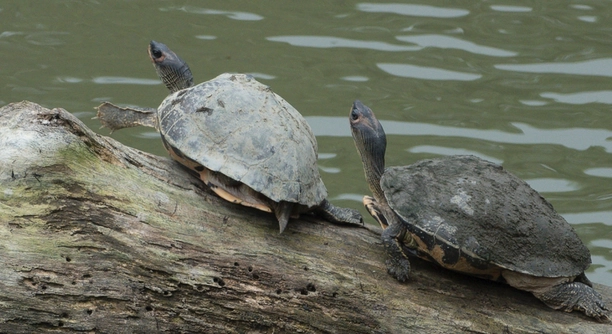
Caring for your Indian Roofed Tortoise involves paying attention to the smallest details. Nail health is an important part of their overall well-being, and understanding when something is wrong can make all the difference in preventing further injury.
If your Indian Roofed Tortoise has a broken nail, you may notice signs such as limping, blood on surfaces, or the nail appearing cracked or detached. These signs indicate that your tortoise may need immediate care to avoid infection or further damage.
Knowing the signs of a broken nail will help you provide better care for your pet. You will also be able to take action quickly to prevent complications and ensure your tortoise stays comfortable and healthy.
1. Signs of a Broken Nail
When your Indian Roofed Tortoise has a broken nail, the signs can range from subtle to obvious. One of the first things you may notice is limping or favoring a leg. If the tortoise is walking unevenly or hesitating to put pressure on one foot, it could be an indication of a broken nail. Blood stains on the floor or around the tortoise’s habitat are also common signs. A broken nail may cause bleeding if the injury is severe enough. Additionally, the nail itself may appear cracked, bent, or completely detached from the nail bed, which is a clear indication of injury. In more severe cases, the tortoise may show signs of pain, such as being unusually withdrawn or aggressive when touched. It’s crucial to keep an eye on these symptoms to ensure your tortoise gets the care it needs right away. If you notice any of these signs, a visit to the vet is recommended to avoid complications like infection.
A broken nail can cause significant discomfort and lead to infection if left untreated. Understanding these symptoms early on can make a big difference in getting proper care for your tortoise.
Take care of any bleeding or visible wounds immediately to prevent further injury. You can gently clean the wound and apply a mild antiseptic to keep it from getting infected. If the damage looks serious or the tortoise seems to be in pain, it’s essential to contact a vet for professional care. While you can manage minor injuries at home, a vet will provide the best treatment for a serious injury, including nail reattachment or appropriate pain management. Never attempt to trim the nail or apply pressure to the wound without guidance from a professional. It’s always better to be cautious and seek help when unsure.
2. Impact on Tortoise Behavior
Injuries like broken nails can alter your tortoise’s behavior. A normally active tortoise may become more withdrawn if it’s in pain. It’s also common for them to avoid moving around as much, especially if the injury is causing discomfort. A lack of movement can sometimes be misinterpreted as the tortoise being tired or uninterested in its surroundings, but it could be a direct result of the broken nail. In more severe cases, a tortoise may become more aggressive when you try to touch its injured leg, as it associates the touch with pain. Keeping track of any behavior changes is essential when caring for your tortoise.
The change in behavior isn’t just because of physical pain. The stress of being injured can also cause mental discomfort, which may make the tortoise more hesitant to interact with its environment.
A tortoise’s shell and legs are essential for its mobility, and an injury can create challenges in moving or eating. This lack of normal movement may affect its feeding habits. If your tortoise isn’t moving much, it may lose interest in its food or have trouble eating. Make sure you provide food in a place that’s easy for it to access. This will help encourage your tortoise to eat while it’s healing. If you see your tortoise losing weight or showing signs of dehydration, it’s a sign that the injury is affecting its overall health. Keeping its environment calm and supportive will aid in the recovery process. Regular check-ins on its food and water intake, along with offering comfort, will improve its chances of making a full recovery.
3. Potential for Infection
If a broken nail is not properly treated, it can lead to infection. The exposed tissue can become a breeding ground for bacteria. You may notice swelling, redness, or pus around the broken nail. This could be a clear sign of infection and should be addressed immediately. Without proper care, the infection could spread and cause more serious health issues, including systemic infections that affect other parts of the body. Infections are often painful for your tortoise and can delay the healing process.
To prevent infection, make sure you clean the broken nail carefully and monitor the area for any signs of swelling or discharge. Gently wash the wound with warm water and an antiseptic solution that’s safe for reptiles. After cleaning, you can apply a non-toxic antiseptic ointment to prevent infection. If the wound is severe or infected, it’s essential to seek professional help from a vet. A vet may need to prescribe antibiotics to treat the infection or even remove any dead tissue around the nail.
Keeping your tortoise’s environment clean and dry can also help reduce the risk of infection. Reptiles are sensitive to the conditions in their habitat, so ensure the enclosure is not too humid or dirty. A dry, well-maintained space with proper lighting can promote healing and prevent infection. If your tortoise’s nail is exposed to dirt, bacteria, or excessive moisture, infection risks will increase. Clean your tortoise’s habitat regularly to ensure it remains a safe space for recovery. If any unusual signs appear, take action quickly to prevent further complications.
4. Proper Nail Care
Nail care is crucial for maintaining your tortoise’s overall health. Regular checks on your tortoise’s nails can help prevent injuries and detect problems early. Ensure the nails are not too long, as overgrown nails can cause discomfort or break easily. However, be careful when trimming nails to avoid cutting too short. Over-trimming can expose sensitive areas and lead to bleeding or injury. If you’re unsure about trimming, it’s always best to consult a vet for guidance on how to safely care for your tortoise’s nails.
Proper nail care can also be achieved through providing your tortoise with a variety of surfaces to walk on. Natural environments with rough textures, such as rocks or logs, allow the nails to naturally wear down. This reduces the need for frequent trimming. If your tortoise’s enclosure doesn’t have enough rough surfaces, consider adding materials that promote healthy nail growth and wear. Additionally, avoid putting your tortoise in environments where it could injure itself. Keeping nails healthy is not only about trimming but also about preventing accidents and making sure the tortoise has an appropriate living space.
Regularly checking your tortoise’s nails will also help you detect potential issues before they become more serious. If you see signs of breakage, cracks, or abnormalities, it’s a good idea to consult with a vet to ensure the nail is properly cared for. Taking a preventive approach to nail care can save your tortoise from pain and prevent future injuries. Healthy nails are a sign of a well-cared-for tortoise. Keep your tortoise’s nails in check to ensure it remains happy and healthy.
5. How to Treat a Broken Nail at Home
If your tortoise has a broken nail, you can treat it at home with careful attention. First, clean the wound with warm water and a reptile-safe antiseptic. This will help remove any dirt or bacteria that could cause an infection. Gently pat it dry with a clean cloth.
If the injury is not severe, apply an antiseptic ointment that’s safe for reptiles. You can also wrap the area with a sterile bandage, but make sure it’s not too tight. This will protect the wound while allowing the tortoise to heal. Change the bandage daily to prevent bacteria from building up.
Monitor the injury for signs of infection, such as swelling, pus, or redness. If these signs appear, contact a vet immediately. Keep the tortoise in a clean and quiet environment to reduce stress. Offer food and water in a place that’s easy for your tortoise to access during recovery.
6. When to Visit the Vet
If the injury is serious, don’t hesitate to take your tortoise to the vet. A vet will examine the broken nail and assess the damage. Sometimes, professional care is required to properly treat the injury and prevent complications like infections or permanent damage to the nail bed.
A vet can also provide a more thorough cleaning and possibly stitch the nail if necessary. If the nail is severely damaged, they may recommend removing it completely to prevent further problems. The vet may also provide pain relief or antibiotics to ensure the tortoise heals properly.
FAQ
What are the most common causes of broken nails in Indian Roofed Tortoises?
Broken nails in tortoises can happen for a variety of reasons. The most common causes include accidents in their environment, such as sharp objects or rough surfaces that can cause trauma to the nails. Nails can also break if they are too long and get caught in something, or if the tortoise is digging or climbing. Sometimes, poor diet and lack of proper nail care can weaken the nails, making them more prone to injury. Overgrown nails can also cause discomfort, leading to accidental breaks when the tortoise walks or interacts with its habitat.
How can I prevent my tortoise’s nails from breaking?
Preventing broken nails starts with providing a safe environment for your tortoise. Ensure that their enclosure has rough surfaces like rocks or logs, which help naturally wear down the nails and keep them from growing too long. Regularly check their nails to make sure they are not overgrown and trim them when necessary, being careful not to cut too short. Avoid placing your tortoise in areas where there are sharp or hazardous objects that could cause injury. Additionally, providing a balanced diet rich in calcium will help keep the nails strong and healthy.
How do I know if the broken nail is infected?
Signs of infection in a broken nail include swelling, redness, heat around the wound, and the presence of pus or discharge. The tortoise may also show signs of increased pain, like avoiding movement, being unusually withdrawn, or reacting aggressively when the injured area is touched. If you notice these symptoms, it’s important to take your tortoise to the vet right away to prevent the infection from spreading and causing more serious health issues.
Can I treat a broken nail at home?
Yes, you can treat minor broken nails at home. Start by gently cleaning the wound with warm water and a reptile-safe antiseptic. Afterward, apply a mild antiseptic ointment to help prevent infection. If needed, you can wrap the area with a clean bandage to protect the injury, but make sure it’s not too tight. You should change the bandage daily and monitor the injury for any signs of infection. If you see signs of infection or if the injury seems severe, it’s best to consult with a vet immediately.
How long does it take for a tortoise’s broken nail to heal?
The healing time for a tortoise’s broken nail can vary depending on the severity of the injury. Minor breaks may heal within a few weeks, while more severe injuries could take longer. During this time, it’s important to keep your tortoise’s environment clean and stress-free to aid in recovery. If the injury becomes infected or if complications arise, healing may take even longer. Always monitor the wound and seek professional care if needed to ensure proper healing.
Should I trim my tortoise’s nails after it’s healed?
Once your tortoise’s nail has healed, you should regularly check its nails for overgrowth. If the nails are too long, they can cause discomfort or break easily. You can trim the nails carefully using a pair of reptile nail clippers. Be cautious when trimming, as cutting too short can cause bleeding or pain. If you’re unsure about trimming the nails yourself, it’s a good idea to ask a vet to show you the proper technique or even have them trim the nails for you.
Is it safe to use regular human antiseptic on a tortoise’s broken nail?
No, you should not use regular human antiseptics on your tortoise’s broken nail. Many human antiseptics contain ingredients that can be harmful to reptiles, such as alcohol or other chemicals. It’s best to use a reptile-safe antiseptic that is designed for use on their skin and nails. These products are specifically formulated to be gentle on their sensitive systems while effectively preventing infection. Always check with your vet to ensure you are using the correct products.
What should I do if my tortoise is bleeding from its broken nail?
If your tortoise is bleeding from a broken nail, the first step is to apply gentle pressure with a clean cloth to stop the bleeding. Once the bleeding has slowed, clean the area with warm water and a reptile-safe antiseptic. You can then apply an antiseptic ointment and wrap the area with a sterile bandage if needed. Keep the bandage clean and change it daily to avoid infection. If the bleeding doesn’t stop or the injury is severe, it’s important to contact a vet for further assistance.
Can broken nails affect my tortoise’s health in the long term?
If not treated properly, broken nails can lead to long-term health issues. For example, if a broken nail gets infected, it can spread to other parts of the body, causing more serious systemic health problems. In some cases, untreated injuries can lead to permanent damage to the nail bed, affecting the tortoise’s ability to walk properly. Chronic pain or infection could also affect your tortoise’s behavior and overall well-being. Timely treatment and proper care are essential to avoid these long-term issues.
Are there any specific foods that can help strengthen my tortoise’s nails?
A balanced diet rich in calcium is essential for strong nails in tortoises. Calcium helps support the growth and strength of their shells and nails. Offering foods such as leafy greens (like kale and dandelion greens), calcium-fortified pellets, and occasionally safe fruits can contribute to healthier nails. Make sure to dust their food with a calcium supplement if necessary, especially if their diet lacks sufficient natural sources of calcium. Also, providing a varied diet that includes high-fiber vegetables will help maintain overall health, which in turn supports the growth of strong nails.
Final Thoughts
Taking care of your Indian Roofed Tortoise involves paying attention to even the smallest details, like nail health. A broken nail may seem like a minor issue, but it can cause discomfort, pain, and potential health risks if not treated properly. Regularly check your tortoise’s nails for any signs of injury, overgrowth, or abnormal wear. By staying vigilant, you can catch problems early and prevent more serious complications down the line. Remember, if you’re unsure about treating an injury, don’t hesitate to seek professional help from a vet. They can offer guidance and ensure your tortoise gets the best care possible.
Proper nail care is not just about preventing injuries, but also about creating an environment where your tortoise can thrive. Providing rough surfaces like rocks and logs in its habitat will help naturally wear down its nails. This not only reduces the chances of overgrowth, but it also keeps the nails healthy and strong. A balanced diet with the right amount of calcium and other essential nutrients will further support strong nails and overall well-being. When your tortoise’s nails are healthy, it can move freely and enjoy its environment without pain or discomfort.
Ultimately, keeping an eye on your tortoise’s nail health is an important part of being a responsible pet owner. A little extra attention to their care can go a long way in ensuring they stay comfortable and happy. If you ever find yourself in doubt about your tortoise’s health, whether it’s a broken nail or any other issue, seeking professional advice is always the best approach. A healthy tortoise is a happy tortoise, and providing the proper care will help ensure a long, comfortable life for your pet.

Hello,
If you enjoy the content that we create, please consider saying a "Thank You!" by leaving a tip.
Every little bit helps us continue crafting quality advice that supports the health, happiness, and well-being of pets around the world, for pets of all shapes, sizes, and species.
We really appreciate the kindness and support that you show us!