
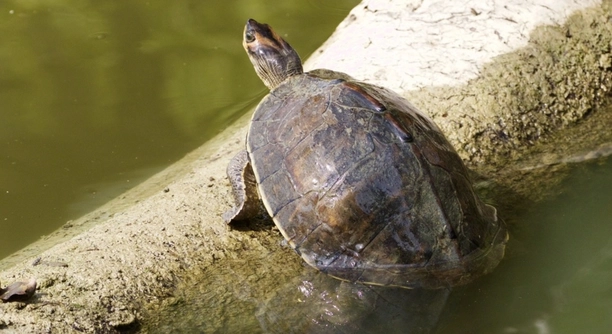
Shedding issues in Indian Roofed Tortoises are common but can be managed effectively with the right approach. Knowing how to minimize these problems helps keep your tortoise healthy and comfortable.
The key to reducing shedding problems in Indian Roofed Tortoises lies in maintaining proper humidity, diet, temperature, and ensuring regular hydration. These factors, along with routine care, can help prevent excessive shedding and promote healthy skin growth.
By understanding how these factors contribute to shedding, you can provide the best environment for your tortoise. We’ll explore simple ways to address these concerns and keep your pet in top condition.
Proper Humidity Levels
Maintaining the right humidity is crucial for Indian Roofed Tortoises. If the environment is too dry, their skin can become flaky, leading to increased shedding. A humidity level of 60% to 80% is ideal for these tortoises. Using a humidity gauge to monitor the enclosure’s moisture can help you maintain this range.
If humidity drops too low, consider adding a humidity box or misting the tank lightly. Be careful not to make it too damp, as excess moisture can lead to fungal issues. Proper ventilation is also important to avoid mold growth.
It’s essential to regularly check the humidity levels and adjust accordingly. Adding a water dish, moist substrate, or even a humidifier can help keep the air moist. By ensuring the environment is not too dry, you can avoid issues like excessive shedding or skin irritation, helping your tortoise stay comfortable and healthy.
Balanced Diet
A nutritious diet directly impacts the shedding process. Feeding your tortoise a varied diet rich in fiber, calcium, and vitamins will keep its skin and shell in good condition.
Leafy greens, such as dandelion leaves, collard greens, and kale, should be included in their daily meals. Calcium supplements can also help with shell health, reducing the likelihood of shedding problems. Avoid feeding them too much fruit, as the sugars can cause imbalance and potential health issues.
A healthy diet is vital for your tortoise’s overall well-being. It can help strengthen its immune system, reduce shedding, and encourage proper growth. Regularly changing up their food keeps them interested and nourished.
Proper Temperature Regulation
Temperature plays a significant role in shedding. Keeping your tortoise’s enclosure between 80°F and 85°F during the day helps them stay comfortable. If the temperature drops too low, it can affect their metabolism and cause skin problems, including excessive shedding.
A heat lamp or ceramic heater can be used to maintain consistent warmth. Be sure to provide a cooler area in the enclosure where your tortoise can retreat if it gets too hot. Temperature gradients help mimic natural conditions and promote healthy skin and shedding cycles.
Monitoring temperature carefully can also help prevent stress. If your tortoise is exposed to fluctuating temperatures, it may become sluggish, affecting its overall health. Keeping the right balance will reduce unnecessary shedding and encourage your tortoise to thrive.
Hydration
Hydration is key in preventing shedding issues. A well-hydrated tortoise is less likely to experience dry, flaky skin. Always provide fresh water in a shallow dish to ensure they can drink and soak regularly.
Dehydration can cause serious skin problems, leading to more frequent shedding. If your tortoise is not drinking enough, consider increasing the humidity or soaking it in shallow water once or twice a week. Hydration helps maintain their skin elasticity and improves overall health.
Regularly checking your tortoise’s water dish and ensuring it is clean encourages drinking and prevents dehydration. Make sure the water is always available at the right temperature—too cold or too hot can discourage them from drinking. This simple step will go a long way in reducing shedding problems.
Regular Bathing
Regular baths can help prevent shedding issues. Soaking your tortoise in shallow, lukewarm water for 15-20 minutes can assist with hydration and help remove dead skin.
Bathing also allows your tortoise to naturally clean itself. This routine helps keep its skin supple and prevents the buildup of old, dry skin.
The water should be shallow enough to allow your tortoise to walk, but deep enough for it to soak comfortably. Avoid using soap or chemicals. Bathing encourages your tortoise to shed naturally without stress or discomfort.
Healthy Shell Care
Shell care is essential for overall well-being. Keeping your tortoise’s shell clean and free of debris will help prevent skin irritation that could contribute to excessive shedding.
Regularly cleaning the shell with a soft brush and water can remove dirt and old skin. This helps maintain healthy skin and ensures proper shedding.
A well-maintained shell encourages proper circulation beneath the skin, reducing the risk of shedding problems. It’s a simple step to ensure your tortoise stays in good condition.
Avoiding Stress
Stress can directly affect your tortoise’s shedding patterns. Stressors like loud noises, improper handling, or overcrowding in the enclosure can lead to skin issues.
By creating a calm, quiet environment and avoiding sudden temperature changes, you can minimize stress. Additionally, refrain from handling your tortoise too much, as this can disturb it.
Maintaining a peaceful and stable environment helps prevent unnecessary shedding and promotes overall health. Keeping the enclosure clean and providing hiding spots where your tortoise can retreat will reduce stress significantly.
FAQ
Why is my Indian Roofed Tortoise shedding excessively?
Excessive shedding in tortoises can be a sign of several factors, such as improper humidity, temperature, or dehydration. It could also be related to stress or an unbalanced diet. If the environment is too dry or the temperature is inconsistent, it may lead to the tortoise shedding more than usual. A healthy tortoise will shed in small amounts regularly, but if it’s shedding large patches of skin frequently, this could be a sign that something in its habitat needs adjusting.
How can I prevent my tortoise from shedding too much?
The best way to prevent excessive shedding is to create a stable and healthy environment for your tortoise. Ensure the humidity is at the right level (60-80%), the temperature is consistent, and there is always fresh water available. Proper hydration, a balanced diet, and regular soaking can also help reduce shedding. If you notice that the shedding is still excessive, consider consulting a veterinarian to rule out health issues.
What is the ideal humidity for an Indian Roofed Tortoise?
Indian Roofed Tortoises thrive in environments with a humidity level between 60% and 80%. If the humidity is too low, the skin can dry out, leading to more shedding. You can achieve the right humidity by misting the enclosure, using a humidity box, or placing a shallow water dish in the habitat. Regular monitoring with a humidity gauge ensures that the level remains within the ideal range.
How often should I bathe my tortoise?
Bathing your tortoise once or twice a week is sufficient. Regular baths help keep their skin hydrated, encourage natural shedding, and clean away debris. Soak your tortoise in lukewarm water for 15-20 minutes. Never use soap, as it can harm their skin. Make sure to provide a clean and shallow water dish for drinking as well.
What kind of food should I provide to prevent shedding problems?
A balanced diet is crucial in preventing shedding issues. Provide your tortoise with a variety of leafy greens, such as dandelion leaves, collard greens, and mustard greens. You can also add flowers like hibiscus and edible weeds, along with small amounts of fruits, but avoid giving too much fruit due to its high sugar content. Offering calcium-rich foods, such as calcium-fortified greens, will also help maintain healthy skin and shell.
Can temperature affect shedding in tortoises?
Yes, temperature has a significant impact on shedding. If the temperature in the enclosure is too high or low, it can cause your tortoise to shed excessively. The ideal temperature range for an Indian Roofed Tortoise is between 80°F and 85°F during the day. At night, it should drop slightly to around 70°F. Using heat lamps and ensuring proper temperature gradients in the enclosure can help keep your tortoise comfortable and reduce unnecessary shedding.
Is it normal for my tortoise to shed in patches?
Shedding in patches can be normal, especially if it’s a regular part of their growth cycle. However, if the shedding appears excessive or abnormal, it could indicate a problem with their habitat or health. If patches of skin seem to peel off in larger chunks or if the tortoise seems to be struggling with its shedding, consider adjusting the humidity, diet, or temperature. If the issue persists, consulting a veterinarian is recommended.
How do I maintain the health of my tortoise’s shell?
A healthy shell is vital for your tortoise’s overall well-being. To keep the shell in good condition, clean it regularly using a soft brush to remove debris. Avoid scrubbing too hard, as this could damage the shell. Ensure that your tortoise gets enough calcium in its diet, as it’s crucial for shell health. Providing proper UVB lighting also helps in the synthesis of vitamin D3, which is essential for calcium absorption.
Can stress cause shedding in tortoises?
Yes, stress can lead to various health problems, including excessive shedding. Tortoises are sensitive to their environment, and stressors such as loud noises, overcrowding, or sudden changes in temperature can trigger excessive shedding. To reduce stress, create a quiet, stable environment for your tortoise. Make sure it has enough space to roam, along with hiding spots where it can retreat and feel safe.
Why is my tortoise not shedding?
If your tortoise is not shedding, it could be due to a number of reasons. It may be healthy and simply not in the right stage of its growth cycle to shed. However, it could also be a sign of dehydration or improper humidity levels. Regularly checking the environment, diet, and hydration can help ensure your tortoise remains in good health. If you’re concerned, a visit to the vet may be necessary to rule out any underlying issues.
Can shedding affect my tortoise’s behavior?
Excessive shedding can sometimes cause discomfort, which may make your tortoise more irritable or less active. If the shedding is causing skin irritation, your tortoise may appear lethargic or avoid eating. If this happens, review its habitat for issues like temperature, humidity, or hydration, and make the necessary adjustments. A calm, well-maintained environment will help reduce stress during the shedding process.
How do I know if my tortoise has a shedding problem?
If your tortoise’s shedding seems abnormal—such as peeling off large patches of skin, exhibiting signs of skin irritation, or showing behavioral changes—it may indicate a problem. Excessive shedding often points to environmental issues, like incorrect humidity or temperature. Keep a close eye on the tortoise’s habitat and habits, and consult a vet if necessary.
Final Thoughts
Maintaining a healthy environment for your Indian Roofed Tortoise is essential to prevent shedding issues. Proper humidity, temperature, hydration, and diet are the key factors to ensure your tortoise sheds naturally and comfortably. A well-balanced diet of leafy greens, occasional fruits, and calcium-rich foods will support healthy skin and shell growth. By regularly monitoring the conditions of your tortoise’s habitat, such as humidity levels and temperature, you can create an environment that promotes healthy shedding cycles. Soaking your tortoise in warm, shallow water also helps to keep its skin hydrated and free from irritation.
Stress can also play a significant role in shedding problems. Your tortoise thrives in a calm, quiet space where it feels secure. Too much handling, noise, or overcrowding can lead to stress, which may increase the likelihood of shedding issues. Creating a stress-free environment with plenty of hiding spots and regular maintenance of the enclosure can greatly reduce the impact of stress on your tortoise’s health. When your tortoise is comfortable and relaxed, it’s much more likely to go through the shedding process without any problems.
If you follow these basic guidelines, most shedding issues can be prevented or minimized. However, if your tortoise’s shedding continues to be a problem despite your best efforts, it may be time to consult with a veterinarian. Sometimes, underlying health issues could be contributing to excessive shedding or skin irritation. With the right care and attention, your Indian Roofed Tortoise can stay healthy, happy, and free from shedding problems.

Hello,
If you enjoy the content that we create, please consider saying a "Thank You!" by leaving a tip.
Every little bit helps us continue crafting quality advice that supports the health, happiness, and well-being of pets around the world, for pets of all shapes, sizes, and species.
We really appreciate the kindness and support that you show us!