
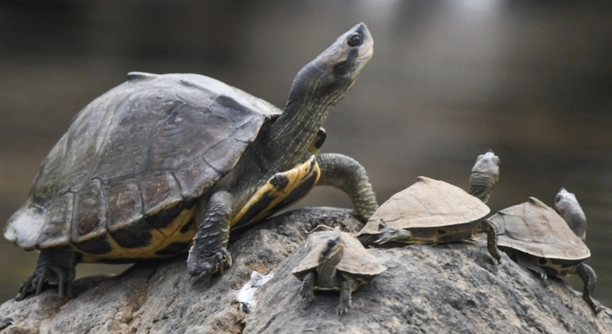
Is your Indian roofed tortoise constantly trying to climb the walls of its enclosure? This behavior can be puzzling for pet owners, especially when all its basic needs seem to be met. Understanding the reasons behind this can help ensure your tortoise’s well-being.
The most common reason your Indian roofed tortoise is attempting to climb the walls is stress or an unsuitable habitat. A small enclosure, lack of hiding spots, or incorrect temperature and humidity levels can make your tortoise feel uncomfortable and restless.
There is more to this behavior than just enclosure size. Environmental factors, instincts, and even personality play a role in your tortoise’s actions. Learning about these influences will help you create a more comfortable and enriching space for your pet.
Understanding Your Tortoise’s Behavior
Tortoises are naturally curious creatures that explore their surroundings by climbing, burrowing, and roaming. If your Indian roofed tortoise keeps trying to climb the walls, it may be responding to an issue in its environment. A small enclosure, incorrect lighting, or a lack of hiding spots can make it feel uneasy. In the wild, these tortoises have large areas to roam, so confinement can cause stress. They may also climb in search of food, mates, or better conditions. Observing your tortoise’s behavior closely can help identify what needs to change in its enclosure.
A tortoise that frequently attempts to climb may also be reacting to reflections on the glass. It may not understand the barrier and could be trying to walk toward what appears to be open space. Reducing glare or using a different enclosure material can minimize this confusion.
Ensuring that your tortoise has a properly sized habitat, along with suitable temperatures, hiding spots, and enrichment, can significantly reduce climbing attempts. A well-structured space will make it feel secure and engaged. Adding logs, plants, and basking areas can help satisfy its natural instincts while preventing stress. Making small adjustments to the enclosure can improve your tortoise’s comfort and overall health.
Adjusting the Enclosure for Comfort
A spacious enclosure with varied terrain and hiding places will make your tortoise feel more at ease. Glass enclosures can cause stress due to reflections, so choosing an opaque or semi-transparent setup may help reduce climbing attempts.
Temperature and humidity play a major role in your tortoise’s comfort. The ideal basking temperature should be around 85–90°F, with a cooler area between 75–80°F. Humidity levels should be kept moderate, as excessive dryness or moisture can cause discomfort. Using a UVB light is also essential for your tortoise’s health.
Substrate choice matters as well. A mix of soil, sand, and coconut fiber can provide a natural feel and encourage digging. Providing climbing structures, such as branches or rocks, allows for safe exploration. A diet rich in leafy greens, vegetables, and calcium supplements will also support its well-being. Regularly checking and adjusting the enclosure setup ensures a happy and active tortoise.
Common Reasons for Climbing
A tortoise may climb due to stress, boredom, or an unsuitable enclosure. If it lacks enough space or hiding spots, it may try to escape. Temperature, humidity, and lighting issues can also make it restless and eager to find a better environment.
An enclosure that is too small can make a tortoise feel trapped. Indian roofed tortoises need plenty of space to explore. If the walls are too reflective, your tortoise might mistake them for open space and continuously try to walk through. Providing a varied terrain with natural barriers can help reduce this behavior. A hiding spot is essential, as it gives a sense of security. Without it, the tortoise may feel exposed and stressed. Ensuring the enclosure is large enough and has proper coverage can prevent unnecessary climbing.
Boredom can also be a factor. If the enclosure lacks stimulation, your tortoise may seek new areas to explore. Adding logs, rocks, and different textures can keep it engaged. Tortoises are naturally curious and need a space that allows them to express their instincts. Regularly changing the enclosure layout and providing occasional treats can help keep their environment interesting. A well-enriched habitat reduces stress and encourages natural behaviors.
How to Prevent Climbing
A larger enclosure with natural hiding spots, varied textures, and climbing structures can keep a tortoise engaged and content. Keeping temperature and humidity levels stable is important. A well-maintained space with enough enrichment helps reduce stress and unwanted behaviors like climbing.
The enclosure should be at least four times the length of your tortoise to provide enough room. Avoid clear walls if possible, as glass enclosures can cause confusion. A mix of soil, sand, and mulch can create a natural environment. Adding safe, low-height climbing structures gives your tortoise an outlet for exploration without encouraging escape attempts. Rocks and branches can also help break up open space, making the enclosure feel more secure.
Lighting is another key factor. UVB exposure is necessary for shell and bone health. Without it, your tortoise may become restless or weak. Keep a consistent light and dark cycle to support its natural rhythm. Providing a proper diet with calcium and vitamin supplements also helps maintain health. By making these adjustments, you can create a safe and stimulating space that minimizes climbing behavior.
Signs of Stress in Your Tortoise
A stressed tortoise may pace its enclosure, refuse food, or hide for long periods. Excessive climbing, scratching at the walls, or trying to escape are clear signs of discomfort. Addressing stress early can prevent health problems and improve your tortoise’s well-being.
Changes in behavior, such as aggression or lethargy, can indicate stress. If a tortoise becomes unusually active or inactive, it may be reacting to environmental issues. Checking enclosure conditions, diet, and daily routine can help identify the cause. Making small adjustments can make a big difference in reducing stress levels.
When to Seek Help
If a tortoise continues to climb despite environmental improvements, a health issue might be the cause. Parasites, respiratory infections, or nutritional deficiencies can lead to restless behavior. A vet visit is necessary if climbing is paired with wheezing, weight loss, or shell problems. Professional advice ensures your tortoise stays healthy.
Final Thoughts
Understanding why a tortoise climbs helps create a better environment. Small changes in enclosure setup, lighting, and enrichment can reduce stress and improve behavior. A comfortable space allows a tortoise to thrive and feel secure.
FAQ
Why is my tortoise constantly trying to climb?
Your tortoise may be trying to climb due to stress or boredom. If the enclosure is too small, it might feel confined and try to escape. A lack of hiding spots or stimulation can also lead to climbing behavior. Additionally, temperature and lighting issues can make your tortoise restless. Ensuring that its environment is spacious, enriched, and properly set up can reduce this behavior.
Can climbing be dangerous for my tortoise?
Yes, climbing can be dangerous for a tortoise, especially if it tries to scale walls or obstacles. A tortoise could injure itself by falling or straining its body. It’s important to ensure that the enclosure is safe, with low walls or barriers that prevent climbing but still offer opportunities for exploration.
How can I tell if my tortoise is stressed?
Stress in a tortoise can show in several ways. If it’s climbing excessively, pacing, or refusing food, it might be stressed. Other signs include hiding for long periods, aggressive behavior, or lethargy. It’s crucial to monitor its behavior and check if environmental conditions like temperature and humidity are appropriate.
Should I change the enclosure size?
If your tortoise is trying to climb out frequently, a larger enclosure could help. A cramped space can cause stress, making the tortoise more likely to search for an escape. Providing enough room for your tortoise to move around, explore, and hide will reduce the urge to climb.
What is the ideal habitat for an Indian Roofed Tortoise?
An Indian Roofed Tortoise needs a spacious enclosure with plenty of hiding spots. Temperature should be around 85-90°F for basking, and a cooler area should range between 75-80°F. The humidity level should be moderate. A mix of soil, sand, and coconut fiber as substrate and natural plants or logs will create a more comfortable environment.
Can I use a glass tank for my tortoise?
Using a glass tank can cause confusion for a tortoise, as it may see its reflection and try to climb out. Glass can also lead to stress because of limited airflow and visibility. A more suitable option is an opaque or semi-transparent enclosure made from materials that allow for better ventilation and less reflection.
How can I keep my tortoise entertained?
Providing enrichment is key to keeping your tortoise engaged. Add rocks, logs, and plants for it to climb on or hide under. Offering new items to explore regularly will stimulate its curiosity. You can also hide food in different areas of the enclosure to encourage foraging, mimicking natural behavior.
How often should I change my tortoise’s bedding?
Bedding should be changed regularly to maintain hygiene and prevent odor. Depending on the size of the enclosure and the materials used, change the bedding every two to four weeks. If the bedding becomes soiled or wet before that time, it should be replaced sooner to ensure a clean environment.
Is it normal for my tortoise to be active at night?
Indian Roofed Tortoises are generally more active during the day, but they can also be active in the evening. However, excessive nighttime activity could indicate that the tortoise feels unsettled or the enclosure is not providing a sense of security. It’s essential to ensure that it has a proper day-night cycle with adequate basking time and cooler areas for resting.
What should I do if my tortoise stops eating?
A loss of appetite can be a sign of stress, illness, or improper diet. If your tortoise stops eating, check the environment for temperature, humidity, and lighting issues. Make sure its diet is varied and includes calcium supplements. If it continues to refuse food or shows other signs of illness, consult a vet.
How can I prevent my tortoise from getting too hot or cold?
Maintaining a stable temperature in the enclosure is essential. Use a reliable thermometer to monitor both the basking and cooler areas. Ensure that the basking spot is around 85–90°F and the cooler side is between 75–80°F. If your tortoise is getting too hot or cold, adjust the heating or cooling elements and check for drafts or heat sources.
Do Indian Roofed Tortoises need UVB light?
Yes, UVB light is essential for your tortoise’s health. It helps them process calcium, which is crucial for their shell and bone development. Without proper UVB exposure, your tortoise can develop metabolic bone disease. Use a UVB bulb designed for reptiles and ensure it provides adequate coverage for the entire enclosure.
Can my tortoise be kept with other reptiles?
It’s not recommended to house your tortoise with other reptiles unless you’re sure they have similar care needs. Some reptiles may be aggressive or carry diseases that could harm your tortoise. It’s better to keep your tortoise in its own enclosure to ensure its safety and well-being.
How do I know if my tortoise is getting enough calcium?
Calcium is important for shell and bone health. You can ensure your tortoise is getting enough by dusting its food with a calcium supplement. Make sure the diet includes dark leafy greens and other calcium-rich foods. If your tortoise shows signs of soft or deformed shell growth, it could be calcium deficient.
Why is my tortoise trying to dig or burrow?
Digging is a natural behavior for tortoises, as it helps them search for food, create hiding spaces, and regulate their temperature. If your tortoise is digging excessively, it may be trying to find a cooler area or escape the enclosure. Providing a substrate that encourages digging and adding hiding spots can help fulfill this instinct.
Understanding why your Indian Roofed Tortoise is trying to climb the walls of its enclosure can help you make adjustments to improve its comfort and well-being. Climbing behavior often signals that something is wrong with the environment, whether it’s stress, boredom, or unsuitable living conditions. It’s important to take a closer look at your tortoise’s habitat and consider factors like enclosure size, temperature, humidity, and lighting. A secure and comfortable space will help reduce the urge to climb and make your tortoise feel more at ease.
Creating an enriched environment for your tortoise is also crucial. Adding various textures, rocks, branches, and hiding spots can keep your tortoise mentally stimulated. It’s natural for tortoises to be curious and explore their surroundings, so giving them a more interesting space can reduce the desire to escape. Regularly changing the layout and introducing new objects can provide a sense of novelty and prevent boredom. Offering food in different spots will also encourage foraging behavior, which can help keep your tortoise active and engaged in a healthy way.
Ultimately, small adjustments to the habitat can have a big impact on your tortoise’s behavior. By providing a spacious, secure, and enriched environment, you can reduce stress and prevent unwanted climbing. Keeping a consistent routine, including proper lighting and temperature, ensures that your tortoise remains healthy and happy. If the climbing persists despite improvements, it may be time to consult a vet to rule out health issues. By understanding your tortoise’s needs and behaviors, you can create a better, more fulfilling life for your pet.

Hello,
If you enjoy the content that we create, please consider saying a "Thank You!" by leaving a tip.
Every little bit helps us continue crafting quality advice that supports the health, happiness, and well-being of pets around the world, for pets of all shapes, sizes, and species.
We really appreciate the kindness and support that you show us!