
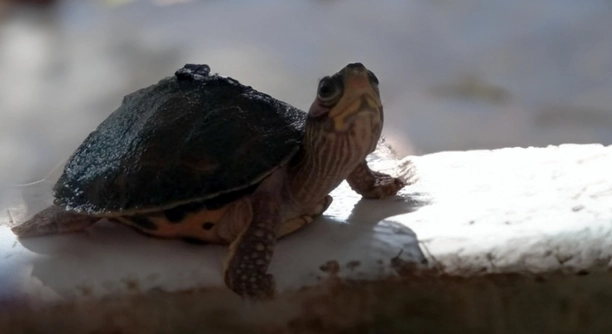
Overfeeding your Indian roofed tortoise can be a common concern for pet owners. Understanding when your tortoise is being fed too much is important for its overall health and well-being. Proper feeding habits are essential for your pet’s care.
Overfeeding can lead to obesity, shell deformities, and a shorter lifespan in Indian roofed tortoises. A balanced diet with appropriate portion sizes is key to maintaining a healthy weight and preventing long-term health issues.
Knowing the signs of overfeeding will help you make better choices for your tortoise’s health. In this article, we will cover what to look for and how to ensure your pet is properly fed.
Signs Your Indian Roofed Tortoise May Be Overfed
Overfeeding can cause your Indian roofed tortoise to gain too much weight, leading to health problems. You might notice that your tortoise becomes lethargic or less active. A significant increase in body size and an overly rounded shell are also clear signs of overfeeding. When your tortoise doesn’t get enough exercise combined with too much food, its metabolism can slow down, resulting in weight gain.
Overfeeding can also lead to softer shells, as excessive fat layers affect the shell’s strength. If your tortoise appears to be growing unusually fast or struggles to move around, it’s a red flag. These physical changes are often linked to an imbalanced diet.
Another issue caused by overfeeding is the development of shell deformities. Overweight tortoises might develop elongated, misshapen, or soft shells due to the excess weight pressing down on the structure. It’s essential to keep an eye on their shell condition and consult a veterinarian if needed. Regular exercise is also key to preventing these physical issues.
How to Adjust Your Tortoise’s Diet
It’s important to feed your tortoise only the right amount of food, keeping their portion sizes consistent. Overfeeding can easily happen if you’re not aware of the proper food ratios.
Ensure that your tortoise’s diet is balanced with appropriate portions of vegetables, fruits, and other foods it enjoys. Try offering a variety of healthy options, but avoid giving too much high-fat food, such as certain fruits. Stick to feeding your tortoise two to three times per week and observe its weight regularly to track any changes.
Being mindful of how much your tortoise eats and adjusting their food intake as needed is the best way to prevent overfeeding. By providing the right balance of nutrients, you can keep your tortoise in good health and help it maintain an ideal weight.
Consequences of Overfeeding Your Indian Roofed Tortoise
Overfeeding your tortoise can lead to serious health problems such as obesity, shell deformities, and a weakened immune system. Excess fat puts strain on their organs and can shorten their lifespan. Keeping your tortoise at a healthy weight is essential for its well-being.
An overweight tortoise often shows signs of reduced mobility, such as struggling to move or flip itself over if it falls. This can lead to a sedentary lifestyle, causing further weight gain and muscle atrophy. When they become too heavy, tortoises may also lose their appetite or become stressed, impacting their overall health.
Overfeeding also disrupts their natural eating habits, which can interfere with digestion. With too much food, the tortoise might not properly digest nutrients, leading to imbalanced growth. Tortoises need a controlled diet with plenty of fiber to maintain digestive health and ensure they are absorbing the nutrients they need to thrive.
How to Monitor Your Tortoise’s Weight
Regular weight checks are a simple way to track if your tortoise is overeating. Use a digital scale to measure their weight every couple of weeks. This helps you spot any rapid weight gain and adjust their feeding schedule accordingly. Keep a log of their weight so you can track long-term trends.
If your tortoise is gaining weight quickly, it’s important to cut back on its food intake and offer more high-fiber, low-calorie options. Focus on leafy greens and limit fruits that are high in sugar. A diet high in greens and low in high-fat foods can help maintain their ideal weight. You can also increase their exercise by allowing them to roam in a safe, enclosed space for a few hours each day. This will help your tortoise burn off excess calories and stay fit.
Proper Feeding Schedule for Your Indian Roofed Tortoise
A consistent feeding schedule is crucial to prevent overfeeding. Stick to a routine of feeding your tortoise two to three times per week, with meals that are sized appropriately for its age and size. This helps avoid overindulgence and keeps its metabolism in check.
It’s also important to avoid free-feeding, where food is constantly available. Tortoises tend to eat more than they need if food is always present. By offering meals at set times and taking away any uneaten food after a few hours, you ensure your tortoise eats the right amount.
Types of Food to Include in Their Diet
A varied diet is essential for your tortoise’s health. Leafy greens, such as dandelion greens, kale, and collard greens, should be the staple of their meals. Occasionally, you can offer small amounts of fruits, such as berries or melons, but keep these as treats, not a daily staple.
Incorporating high-fiber foods helps maintain digestive health, while a mix of calcium-rich foods supports shell strength. It’s important to limit high-fat foods, such as certain seeds or fruits, to prevent obesity. You can also supplement their diet with occasional flowers like hibiscus or marigold, which are safe and nutritious.
Hydration and Its Role in Overfeeding
Dehydration can sometimes be mistaken for overfeeding, as tortoises that aren’t drinking enough water might eat excessively. Ensure your tortoise has access to clean, fresh water at all times.
FAQ
How can I tell if my tortoise is overweight?
You can tell if your tortoise is overweight by observing its shape and behavior. An overweight tortoise may have a noticeably rounded shell, especially around the sides, and its limbs might appear smaller or less defined. If your tortoise struggles to move or has difficulty lifting its body, that could be another indicator. Additionally, if you notice a change in its activity level, like reduced roaming or more time spent resting, it could be a sign of excessive weight. Regularly monitoring its weight can also help track any unwanted weight gain.
What should I do if my tortoise is overweight?
If your tortoise is overweight, the first step is to reduce its food intake. Cut back on high-fat, high-sugar foods and focus on providing leafy greens and other low-calorie vegetables. You should also increase their exercise by offering more time outside the enclosure for roaming and foraging. Consult with a vet to ensure there aren’t any underlying health issues causing the weight gain and to develop a balanced feeding plan. Slow, steady weight loss is key to avoiding stress or harm to your tortoise.
Is it safe to feed my tortoise fruits and vegetables every day?
It’s safe to feed your tortoise vegetables every day, but fruits should be given sparingly. Too much fruit can lead to obesity due to its high sugar content. Focus on offering a variety of leafy greens and safe vegetables, such as dandelion greens, collard greens, and squash. Fruits like berries, melon, or apple can be offered as occasional treats, not a daily part of their diet. This helps ensure they maintain a healthy weight and prevent imbalances.
How often should I feed my Indian Roofed Tortoise?
Indian roofed tortoises should generally be fed two to three times per week, depending on their age and activity level. Overfeeding can lead to obesity, so avoid feeding them daily. Young tortoises, however, may need to eat more frequently, but their portions should still be controlled. It’s crucial to give them time to forage and move around between meals to help with digestion and maintain a healthy metabolism.
Can overfeeding affect my tortoise’s shell?
Yes, overfeeding can impact your tortoise’s shell. Excess weight can lead to softening or deformities of the shell, as the excess fat puts added pressure on the structure. A heavy tortoise may also experience difficulty moving, which can affect the natural growth and development of the shell. Ensuring your tortoise has a balanced diet and regular exercise will help prevent these issues.
What types of food should I avoid feeding my tortoise?
Avoid feeding your tortoise processed foods, dairy, or meats, as these can cause digestive problems and aren’t suited to their herbivorous diet. Certain high-fat foods like nuts and seeds should also be limited. Foods such as spinach, lettuce, and cabbage should be given in moderation due to their high oxalate content, which can interfere with calcium absorption. Always avoid feeding your tortoise toxic plants, like those containing pesticides or chemicals.
How much should I feed my Indian Roofed Tortoise?
The amount of food you should provide depends on the size and age of your tortoise. A general guideline is to offer an amount of leafy greens about the size of your tortoise’s shell per meal. For younger tortoises, you can offer slightly larger portions, but still avoid overfeeding. It’s important to provide enough food for them to graze on, but not leave large amounts of uneaten food in the enclosure, as it can lead to overconsumption.
Can I feed my tortoise flowers or herbs?
Yes, flowers and herbs can be a great addition to your tortoise’s diet. Safe options include dandelions, hibiscus, and marigold flowers, along with herbs like basil and parsley. These can provide variety and additional nutrients to their diet. Just be sure the flowers or herbs are pesticide-free and are from a safe source. Avoid flowers that may be toxic, such as those from plants like lilies or daffodils.
Should I use supplements for my tortoise’s diet?
Supplements can be beneficial for your tortoise if you are concerned about a deficiency in their diet. A calcium supplement with vitamin D3 is often recommended to prevent metabolic bone disease, especially if your tortoise isn’t getting enough sunlight or UVB exposure. However, it’s important not to overdo supplements, as too much calcium or vitamins can cause health problems. Always consult with a vet before introducing supplements into your tortoise’s diet.
How do I know if my tortoise is getting enough exercise?
To ensure your tortoise is getting enough exercise, you should provide a safe and spacious environment for them to roam. Daily access to an outdoor enclosure or a large indoor space will allow your tortoise to move around and forage naturally. Regular movement helps burn calories, build muscle, and maintain a healthy metabolism. If your tortoise appears lethargic or unwilling to move, consider adjusting the size or type of space they have to explore.
Is it okay to feed my tortoise during the winter months?
During the winter, your tortoise’s metabolism may slow down, and they may eat less or even enter brumation (a state of dormancy). You should monitor their food intake and adjust according to their activity level. If your tortoise is brumating, it may stop eating altogether, which is natural. However, if your tortoise is still active during the colder months, continue offering food, but reduce the amount to match its decreased activity. Always make sure the enclosure is kept at an appropriate temperature for their species.
Final Thoughts
Overfeeding your Indian roofed tortoise can lead to a variety of health issues, including obesity, shell deformities, and a weakened immune system. It is essential to provide the right amount of food, focusing on a well-balanced diet that consists primarily of leafy greens, safe vegetables, and occasional fruits. Being mindful of portion sizes and feeding schedules helps ensure that your tortoise remains healthy and active, without gaining excess weight. Regularly monitoring your tortoise’s weight and observing any changes in behavior or appearance are good practices to avoid overfeeding. If you notice any signs of weight gain, adjusting the diet and offering more exercise will help bring your tortoise back to a healthy state.
Additionally, providing a suitable environment with plenty of space for exercise is just as important as diet. Tortoises need room to roam and explore, which helps keep them physically active and prevents them from becoming overweight. Creating an enclosure with plenty of natural elements like rocks and plants, or allowing supervised outdoor time, can help encourage your tortoise to stay active. Exercise also aids in digestion and overall well-being. Regular movement is crucial for maintaining a proper metabolism and preventing sedentary behavior, which can lead to health complications.
By staying consistent with feeding schedules, offering a variety of healthy foods, and ensuring proper exercise, you can help your tortoise thrive. It’s also important to remember that each tortoise has unique needs, so paying attention to their individual behavior and adjusting accordingly will lead to better long-term health. Overfeeding may seem harmless at first, but its consequences can be serious and difficult to reverse. With the right care and attention, your Indian roofed tortoise can live a long, healthy, and active life.

Hello,
If you enjoy the content that we create, please consider saying a "Thank You!" by leaving a tip.
Every little bit helps us continue crafting quality advice that supports the health, happiness, and well-being of pets around the world, for pets of all shapes, sizes, and species.
We really appreciate the kindness and support that you show us!