
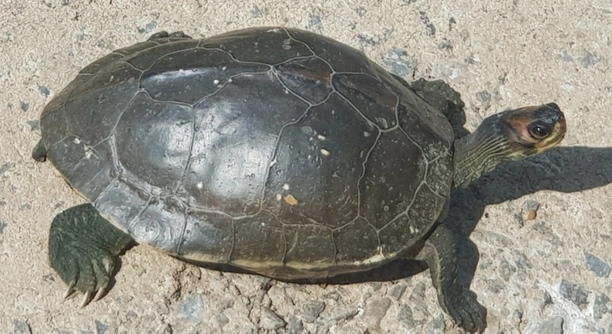
Taking care of an Indian Roofed Tortoise involves more than just feeding it. Its health is greatly affected by the right supplements, which play a key role in ensuring your pet thrives.
Supplements are crucial for maintaining the health of your Indian Roofed Tortoise. The best supplements provide essential nutrients that promote strong bones, a healthy shell, and overall well-being, while supporting its immune system and digestive health.
Understanding which supplements your tortoise needs can make a big difference. This guide will walk you through the best options to support its long-term health.
Calcium Supplements for Bone and Shell Health
Calcium is essential for the proper development of your Indian Roofed Tortoise’s bones and shell. Without enough calcium, your tortoise may experience weakened bones and a soft shell, which can lead to serious health issues. It’s crucial to provide a calcium supplement that your pet can easily absorb. You can offer calcium in the form of powder, cuttlebone, or a special supplement that can be sprinkled over its food. These supplements should be given regularly to support strong, healthy growth.
When choosing a calcium supplement, make sure it is free from phosphorus, as too much phosphorus can interfere with calcium absorption. Additionally, it is important to provide UVB light exposure, as it helps with calcium metabolism and vitamin D production.
Too little calcium can lead to metabolic bone disease, a condition that can cause deformities and health problems. If your tortoise isn’t getting enough from its food or environment, a supplement will make up for the deficiency. This is a key step in keeping your pet strong and healthy.
Vitamin D3 for Proper Calcium Absorption
Vitamin D3 is vital for the absorption of calcium in your tortoise. Without it, even the best calcium supplements may not be effective.
Vitamin D3 helps your tortoise’s body use calcium efficiently. The easiest way to ensure your tortoise gets enough vitamin D3 is by providing UVB lighting. Natural sunlight is another great source, but artificial UVB bulbs are a suitable alternative, especially if your tortoise is kept indoors. A proper UVB light source will allow your pet to produce its own vitamin D3, which is necessary for absorbing calcium and maintaining bone strength.
Many tortoise keepers make the mistake of not providing adequate UVB light. Over time, this can lead to calcium deficiency, even if the tortoise receives calcium supplements. Make sure your pet gets 10 to 12 hours of UVB light daily. It is essential for long-term health and avoiding bone-related health problems.
Multivitamins for Overall Health
Multivitamins can provide a broad spectrum of nutrients that your Indian Roofed Tortoise needs for overall health. These supplements typically contain vitamins A, C, and E, which help with immune function and skin health. They also support proper growth and prevent deficiencies.
Including multivitamins in your tortoise’s diet ensures they get all the necessary nutrients for bodily functions, especially if its diet lacks variety. Be cautious about over-supplementing, as too much of certain vitamins can lead to toxicity. A balanced approach is best.
When choosing a multivitamin, look for one formulated specifically for reptiles, as these will have the right proportions of vitamins and minerals. Dusting their food with the right amount once or twice a week can provide a reliable source of essential nutrients.
Probiotics for Digestive Health
Probiotics are beneficial bacteria that help regulate your tortoise’s digestive system. These supplements improve the gut flora, which is important for breaking down food and absorbing nutrients.
Adding probiotics to your tortoise’s diet helps prevent digestive issues like bloating, constipation, and diarrhea. This can also support overall immune function, as a healthy gut is closely linked to a healthy immune system. You can easily find reptile-specific probiotic supplements available in powder form or liquid form.
To use probiotics, sprinkle the powder or add the liquid to your tortoise’s food. Follow the instructions on the packaging to ensure the right dosage. Over time, you’ll notice that your pet’s digestion improves, and it may experience fewer health issues related to the gut.
Omega-3 Fatty Acids for Healthy Skin and Shell
Omega-3 fatty acids help keep your tortoise’s skin and shell in top condition. These essential fats reduce inflammation and promote healthy growth. Omega-3s can also boost your tortoise’s immune system and improve its overall appearance.
You can offer omega-3s through supplements or natural food sources like flaxseed oil or fish oil. Make sure to include them in moderation to avoid excess fat in the diet. Omega-3s are an easy addition that can lead to noticeable improvements in your tortoise’s health.
Fiber Supplements for Digestive Health
Fiber is essential for a tortoise’s digestive system. It helps in proper bowel movements and prevents constipation. A fiber supplement can support gut health, especially if your tortoise’s diet isn’t rich in high-fiber foods.
Adding a fiber supplement can prevent blockages and aid in digestion, ensuring your tortoise can absorb nutrients properly. Many fiber supplements are available in the form of powdered additives that can be mixed with food, making them easy to use.
Zinc for Immune System Support
Zinc is vital for a healthy immune system. This mineral helps your tortoise fight off infections and promotes cell growth and repair. Zinc also contributes to healthy skin, shell, and tissue regeneration.
Providing zinc in the right amount helps maintain good health and prevents deficiencies. Zinc supplements are available in many forms, including powders and drops that can be added to your pet’s food or water.
FAQ
How often should I give supplements to my Indian Roofed Tortoise?
Supplements should be given based on the specific type and the needs of your tortoise. Generally, calcium and multivitamins can be offered two to three times a week. Probiotics and omega-3 supplements can be added once a week, while fiber supplements should be used as needed based on your tortoise’s digestion. Make sure to avoid over-supplementing, as this can lead to health problems.
Can I rely on food alone to meet my tortoise’s supplement needs?
While a varied and balanced diet is important, it may not always provide all the nutrients your tortoise needs. Supplements are especially important if your pet’s diet lacks certain elements like calcium, vitamins, or omega-3 fatty acids. Offering supplements ensures your tortoise gets all the essential nutrients that may not be present in its regular food.
Are there any risks of over-supplementing my tortoise?
Yes, over-supplementing can cause health problems. For example, too much calcium can lead to kidney problems or soft tissue calcification, while excessive vitamin D3 can result in toxicity. It’s important to follow recommended dosages and not exceed the suggested frequency of supplementation. Always consult with a reptile vet if you’re unsure about proper supplementation.
What are the best food sources for an Indian Roofed Tortoise?
An Indian Roofed Tortoise’s diet should be mostly plant-based. They thrive on leafy greens like collard greens, dandelion greens, and romaine lettuce. You can also offer grasses, flowers, and small amounts of fruits like strawberries or melons. Including foods high in fiber, such as hibiscus flowers and safe weeds, is beneficial for digestive health. Fresh water should always be available.
Can I use human vitamins for my tortoise?
It’s best to avoid using human vitamins for your tortoise. Reptile-specific supplements are specially formulated for their unique needs. Human vitamins may contain additives or proportions that are not suitable for tortoises. Always choose reptile-safe vitamins and supplements to ensure your pet receives the right balance of nutrients.
Should I give my tortoise UVB light if I’m providing supplements?
Yes, UVB lighting is crucial even if you’re providing supplements. UVB helps your tortoise produce vitamin D3, which is necessary for calcium absorption. Without proper UVB light, even the best supplements may not be as effective. Aim to provide 10-12 hours of UVB light per day to support your tortoise’s health.
Is it safe to feed my tortoise fish or animal protein?
While some species of tortoises may require animal protein in their diet, the Indian Roofed Tortoise is primarily herbivorous. It’s best to focus on a plant-based diet with occasional leafy greens and vegetables. Feeding too much animal protein can lead to kidney problems or other health issues. Always focus on plant-based options unless a vet advises otherwise.
Can my tortoise eat all types of leafy greens?
Not all leafy greens are safe for your tortoise. Avoid feeding high-oxalate greens like spinach and beet greens, as they can interfere with calcium absorption and cause kidney issues. Stick to safe options like dandelion greens, collard greens, and mustard greens, as they offer essential nutrients without risks.
How can I tell if my tortoise is getting enough supplements?
Signs of a healthy tortoise include clear, bright eyes, a smooth, firm shell, and consistent growth. If your tortoise appears lethargic, has a soft or deformed shell, or struggles with digestion, it may not be receiving enough nutrients. Regular check-ups with a reptile vet can help ensure proper supplementation.
What should I do if my tortoise refuses to eat supplements?
If your tortoise refuses to eat food dusted with supplements, you can try mixing the supplement into the food in smaller amounts. Some tortoises might prefer different textures, so experimenting with wet or dry foods could help. You can also try using a liquid form of supplements, like those added to water or food. If problems persist, consult with a reptile vet to rule out any underlying health issues.
Can I give my tortoise vitamin supplements if it’s a baby?
Yes, but baby tortoises have more delicate needs. Calcium and vitamin D3 supplements are especially important for young tortoises to support shell growth and bone development. Always use supplements specifically designed for young reptiles, and consult a vet for proper dosages. Avoid over-supplementing, as this can cause health issues in young tortoises.
Are there any natural ways to supplement my tortoise’s diet?
There are some natural ways to supplement your tortoise’s diet. You can feed them a variety of wild weeds and grasses that are naturally high in essential nutrients. Additionally, feeding edible flowers like hibiscus, dandelions, and clover can help provide some extra vitamins. Always ensure that any plants you offer are safe and pesticide-free.
What signs indicate a supplement deficiency in my tortoise?
If your tortoise is experiencing calcium deficiency, it may show signs like soft or deformed shells, lethargy, or difficulty moving. A vitamin D3 deficiency may cause weak bones, making your tortoise more prone to fractures. Digestive issues like bloating or constipation can indicate a lack of fiber. Always monitor your tortoise closely for any changes in behavior or appearance.
Final Thoughts
Taking care of your Indian Roofed Tortoise’s health requires more than just providing food and water. Supplements play a crucial role in filling in nutritional gaps and supporting your tortoise’s overall well-being. Calcium, vitamin D3, probiotics, and omega-3 fatty acids are just a few of the essential nutrients that contribute to a healthy shell, strong bones, and a proper digestive system. Offering the right supplements ensures that your tortoise grows and thrives without facing common health issues related to deficiencies.
However, it’s important to remember that supplements should not replace a balanced diet. Fresh, varied foods should always be the foundation of your tortoise’s diet, with supplements used as an addition to fill in the gaps. Over-supplementing can also cause harm, leading to toxicity or imbalance in your tortoise’s health. It’s always best to follow recommended dosages and use supplements in moderation. Pay attention to your tortoise’s behavior and appearance, as any changes might signal that something is off with its diet or health.
Finally, regular visits to a reptile vet are important to ensure that your tortoise is getting the right nutrients and is in good health. A vet can help guide you in choosing the best supplements and can also catch any early signs of health issues. By maintaining a consistent routine with proper diet and supplementation, you can ensure that your tortoise lives a long, healthy life.

Hello,
If you enjoy the content that we create, please consider saying a "Thank You!" by leaving a tip.
Every little bit helps us continue crafting quality advice that supports the health, happiness, and well-being of pets around the world, for pets of all shapes, sizes, and species.
We really appreciate the kindness and support that you show us!