
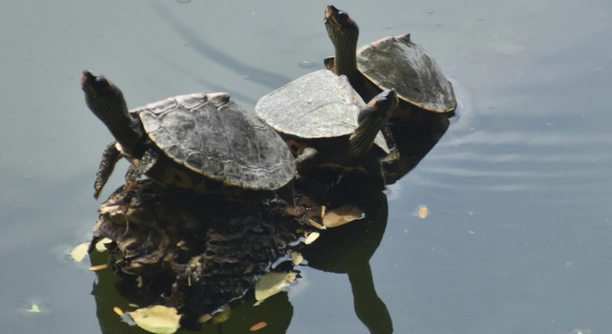
Is your Indian roofed tortoise getting the right amount of calcium for strong bones and a healthy shell? Calcium is essential for their overall well-being, and ensuring they receive enough is key to preventing serious health problems.
The most effective way to determine if your Indian roofed tortoise is getting enough calcium is by monitoring its shell condition, movement, and diet. A soft or deformed shell, sluggish behavior, and lack of calcium-rich foods indicate a deficiency that requires immediate attention.
Shell deformities and mobility issues can develop over time, affecting your tortoise’s quality of life. Understanding the signs of calcium deficiency will help you maintain its health and longevity.
Signs Your Indian Roofed Tortoise May Lack Calcium
A tortoise with a calcium deficiency may show clear signs that something is wrong. A soft or misshapen shell is one of the most noticeable indicators. Their shell should be firm and well-formed. Weak limbs or difficulty moving can also signal a lack of calcium. If your tortoise seems less active or struggles to walk, its bones may not be strong enough. Another sign to watch for is a loss of appetite. Tortoises need calcium for proper digestion, and a deficiency can cause them to eat less. Swollen or misshapen limbs can also occur in severe cases.
If your tortoise’s shell feels unusually soft, it may not be absorbing enough calcium. A weak shell can make them more vulnerable to injuries. Providing the right diet and lighting can help prevent serious health issues. Addressing these signs early can improve their overall well-being.
A balanced diet with calcium-rich foods is essential. Leafy greens like dandelion and mustard greens can provide natural calcium. Additionally, a proper UVB light source is necessary for calcium absorption. Without it, even a good diet won’t be enough. Ensuring your tortoise gets both calcium and UVB exposure will help keep its bones and shell strong.
Best Ways to Ensure Proper Calcium Intake
Providing a variety of calcium-rich foods is the first step in preventing deficiency. Dark leafy greens, cuttlebone, and calcium supplements can support strong bones and shell health. Avoid feeding excessive amounts of foods high in phosphorus, as this can interfere with calcium absorption. Proper nutrition is the foundation of good health.
Your tortoise also needs UVB lighting to properly absorb calcium. Without it, their body cannot produce vitamin D3, which is necessary for calcium metabolism. Natural sunlight is best, but if that’s not an option, a high-quality UVB bulb will work. Replace the bulb every six months to maintain effectiveness. Additionally, monitor your tortoise’s activity level and appetite. If they appear sluggish or refuse food, they may not be getting enough calcium. Regular vet checkups can also help detect deficiencies early.
By providing a proper diet, UVB lighting, and regular monitoring, you can ensure your tortoise stays strong and healthy. A well-balanced approach to care will prevent serious health issues and keep them active for years to come. Taking these steps now will help them thrive in their environment.
The Role of Supplements in Calcium Intake
Calcium supplements help prevent deficiencies, especially when dietary sources are not enough. A powdered calcium supplement without phosphorus is best. Lightly dusting your tortoise’s food a few times a week can provide extra support. Be sure to avoid over-supplementation, as too much calcium can cause health problems.
Calcium blocks or cuttlebones are another option. These allow your tortoise to regulate its intake by chewing as needed. If your tortoise avoids powdered supplements, offering a cuttlebone in their enclosure can be a good alternative. Some tortoises naturally consume more calcium when they have free access. Combining supplements with a varied diet ensures they receive a steady supply of nutrients. Keep an eye on their eating habits to make adjustments as necessary. A mix of natural and supplemental sources works best for maintaining a healthy balance.
Hydration is also important for calcium absorption. Dehydrated tortoises may struggle to metabolize calcium properly. Regular soaks in shallow, lukewarm water can keep them hydrated. Fresh drinking water should always be available. Proper hydration supports digestion and helps the body process calcium more effectively. Pairing hydration with a balanced diet and UVB exposure will improve calcium absorption, promoting stronger bones and a healthier shell over time.
Common Mistakes That Lead to Calcium Deficiency
Many owners forget that diet alone is not enough. Without UVB lighting, calcium cannot be properly absorbed. Even the best diet will not be effective if your tortoise does not receive the right amount of UVB exposure. Proper lighting is just as important as feeding the right foods.
Some foods block calcium absorption. High-phosphorus foods like spinach and rhubarb should be given in moderation. These foods contain oxalates, which bind to calcium and prevent the body from using it. If your tortoise eats too many of these, they may develop a deficiency over time. Always check the calcium-to-phosphorus ratio of foods before feeding.
Inconsistent feeding schedules can also lead to problems. Tortoises need regular access to calcium-rich foods. Skipping meals or feeding an unbalanced diet can contribute to long-term health issues. Monitoring food intake and ensuring variety is key. A simple feeding routine with a mix of greens, vegetables, and supplements will prevent deficiencies and keep your tortoise in good condition.
How Lighting Affects Calcium Absorption
UVB exposure is necessary for vitamin D3 production, which allows the body to use calcium. Without it, even a calcium-rich diet will not be effective. A high-quality UVB bulb or natural sunlight is essential for preventing calcium deficiency and maintaining a strong, healthy shell.
UVB bulbs should be replaced every six months, as their effectiveness decreases over time. Position the light correctly to ensure full exposure. If using natural sunlight, allow your tortoise to spend time outside in a safe enclosure. Consistent UVB exposure helps regulate calcium levels and prevents metabolic bone disease.
How to Monitor Your Tortoise’s Calcium Levels
A tortoise’s shell and behavior are key indicators of calcium levels. A firm, well-shaped shell and active movement suggest they are getting enough. Soft shells, sluggishness, or difficulty walking may indicate a deficiency. Regularly checking their condition helps catch potential issues early before they worsen.
The Importance of Regular Vet Checkups
A reptile vet can assess calcium levels through physical exams and, if needed, X-rays or blood tests. Early detection of imbalances allows for quicker intervention. Regular checkups ensure your tortoise receives proper care and helps prevent long-term health issues related to calcium deficiency.
FAQ
How often should I give my tortoise calcium supplements?
Calcium supplements should be given about three to four times per week. Lightly dust their food with a phosphorus-free calcium powder. If using cuttlebone, leave it in their enclosure so they can nibble as needed. Over-supplementing can lead to health issues, so avoid excessive amounts.
Can my tortoise get enough calcium from food alone?
A well-balanced diet provides some calcium, but it is often not enough without additional sources. Leafy greens, calcium-rich vegetables, and cuttlebone help, but UVB lighting is necessary for proper absorption. Without vitamin D3 from UVB exposure, even calcium-rich foods will not be effective.
What are the best foods for calcium?
Dark leafy greens like dandelion, mustard greens, and collard greens are excellent choices. Cactus pads and calcium-rich vegetables like turnip greens also work well. Avoid high-oxalate foods like spinach and rhubarb, as they block calcium absorption and can contribute to deficiencies over time.
How do I know if my tortoise is getting too much calcium?
Excess calcium can lead to kidney issues and shell deformities. Signs of over-supplementation include white, chalky deposits on the shell or skin, lethargy, and loss of appetite. If you suspect your tortoise is getting too much, reduce supplements and consult a reptile vet for guidance.
Why is UVB lighting important for calcium absorption?
UVB lighting helps your tortoise produce vitamin D3, which allows them to absorb calcium properly. Without it, they cannot process the calcium in their diet, leading to weak bones and shell deformities. A high-quality UVB bulb or natural sunlight is essential for their health.
How long should my tortoise be exposed to UVB light daily?
Your tortoise should receive 10 to 12 hours of UVB exposure each day. If using artificial UVB lighting, place the bulb at the correct distance as recommended by the manufacturer. If allowing outdoor sunlight exposure, ensure they have a shaded area to avoid overheating.
What happens if my tortoise has a calcium deficiency for too long?
Long-term calcium deficiency can cause metabolic bone disease, leading to soft shells, weak limbs, and deformities. It can also affect their ability to move, eat, and function properly. Severe cases may become life-threatening if not addressed in time with dietary changes and proper lighting.
Can I use human calcium supplements for my tortoise?
Human calcium supplements are not recommended, as they may contain additives or incorrect calcium-to-phosphorus ratios. Always use reptile-specific calcium powder, which is formulated to meet their needs. Cuttlebone and natural food sources also provide a safe way to supplement their intake.
Does my tortoise need vitamin D3 supplements?
If your tortoise has proper UVB lighting or regular access to sunlight, they do not need additional vitamin D3. However, if UVB exposure is lacking, a calcium supplement with D3 may help. Too much D3 can be harmful, so consult a vet before using it regularly.
What should I do if my tortoise refuses to eat calcium-rich foods?
Try offering different calcium sources, such as cuttlebone or calcium-fortified commercial tortoise food. You can also mix calcium powder into their favorite foods. Ensuring proper UVB lighting encourages natural calcium absorption, making them more likely to benefit from dietary sources.
How can I tell if my UVB bulb is still working?
UVB bulbs lose effectiveness over time, even if they still emit visible light. Replace them every six months to ensure proper UVB output. A UVB meter can measure the levels in your tortoise’s enclosure if you want to check before replacing the bulb.
What type of calcium supplement should I buy?
Choose a phosphorus-free calcium powder. If your tortoise has adequate UVB exposure, a plain calcium supplement is best. If UVB is limited, a calcium supplement with vitamin D3 may be needed. Cuttlebone is also a good natural option that allows self-regulation.
Can baby tortoises have the same calcium routine as adults?
Baby tortoises need more calcium because they are growing. Offer calcium supplements four to five times a week instead of three. Provide a mix of dietary calcium and supplements to support healthy shell and bone development as they mature.
Final Thoughts
Ensuring your Indian roofed tortoise gets enough calcium is essential for its overall health. A proper diet, UVB lighting, and the right supplements all play a role in keeping its bones and shell strong. Without enough calcium, your tortoise may develop serious health problems, including metabolic bone disease and mobility issues. Paying attention to its shell condition, movement, and eating habits can help you detect deficiencies early. Making small adjustments to its diet and environment can prevent long-term complications and keep your tortoise active and healthy. A combination of calcium-rich foods, cuttlebone, and a high-quality UVB light source will help maintain a good balance.
Regular monitoring is important to ensure your tortoise continues to get the right amount of calcium. Over-supplementation can be just as harmful as a deficiency, so finding the right balance is key. Checking the condition of its shell and observing its behavior can provide insight into its overall health. If you notice signs of a problem, such as a soft shell, sluggish movement, or lack of appetite, making adjustments quickly can prevent further issues. Routine vet visits can also help identify imbalances before they become severe. A professional can assess your tortoise’s calcium levels and recommend changes if necessary.
Caring for a tortoise takes time and attention, but providing proper nutrition and lighting will ensure it thrives for years to come. Simple changes, like rotating different calcium-rich greens or adjusting the placement of a UVB light, can make a big difference. Every tortoise is different, so observing its habits and making adjustments based on its needs is the best approach. A well-balanced diet, the right lighting setup, and occasional checkups will help your tortoise stay strong and healthy. Taking these steps will give it the best chance at a long, comfortable life.

Hello,
If you enjoy the content that we create, please consider saying a "Thank You!" by leaving a tip.
Every little bit helps us continue crafting quality advice that supports the health, happiness, and well-being of pets around the world, for pets of all shapes, sizes, and species.
We really appreciate the kindness and support that you show us!