
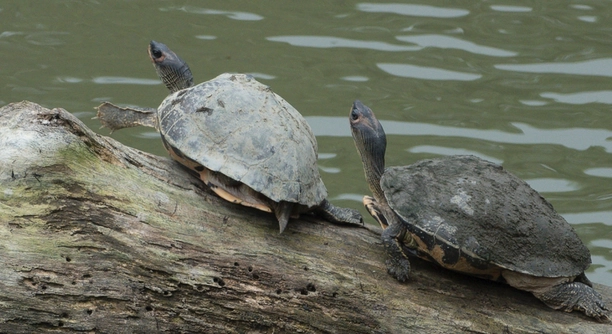
Do you ever find your Indian Roofed Tortoise repeatedly headbutting objects in its enclosure? This behavior may seem odd, but it is not uncommon among tortoises and can have several explanations related to their natural instincts and environment.
Indian Roofed Tortoises often headbutt objects due to territorial behavior, mating instincts, or stress. This action can also result from frustration, improper habitat setup, or attempts to establish dominance. Observing their environment and behavior closely can help determine the exact cause.
There is more to this behavior than simple curiosity. Understanding why your tortoise is acting this way will help you ensure its well-being and create a suitable living environment for it.
Common Reasons for Headbutting
Indian Roofed Tortoises headbutt objects for various reasons, including territorial behavior, stress, and mating instincts. Males often headbutt to establish dominance, especially if they sense another tortoise nearby. If the enclosure is too small or lacks enrichment, stress may lead to this behavior. Tortoises also headbutt when trying to communicate, whether to assert control over their space or seek attention. Another possibility is reflection; seeing their own image in glass can make them think another tortoise is present, prompting defensive actions. Environmental factors such as improper lighting, incorrect temperatures, or unfamiliar surroundings can contribute as well.
Some tortoises develop repetitive behaviors due to boredom. If they lack enough stimulation, they may engage in actions like headbutting as a way to release energy. Providing a spacious and enriched habitat can help reduce this behavior over time.
Making small adjustments to their environment can prevent unnecessary stress. Ensuring proper space, temperature, and enrichment can create a more comfortable setting for your tortoise.
How to Prevent Excessive Headbutting
Observing your tortoise’s environment can help identify what triggers its headbutting behavior. If its enclosure is too small or lacks hiding spots, expanding the space and adding shelters can provide relief.
A well-structured habitat reduces stress and prevents repetitive behaviors. Ensuring proper lighting, temperature, and humidity levels is essential for their well-being. Avoid placing enclosures near mirrors or glass panels where reflections can cause distress. Adding climbing structures, logs, and safe objects to explore can also keep them engaged. If headbutting seems aggressive, consider whether a nearby tortoise or pet may be causing tension.
Feeding schedules and interaction times can also influence their behavior. A consistent routine helps tortoises feel secure and reduces stress-related actions. If you notice persistent headbutting despite these changes, consulting a reptile specialist can provide additional insights. With the right adjustments, your tortoise can live comfortably without unnecessary stress.
Signs That Your Tortoise May Be Stressed
Frequent headbutting, pacing, and excessive digging can indicate stress. A stressed tortoise may also refuse food, hide for long periods, or become unusually aggressive. Watching for these signs can help you determine if something in its environment needs adjustment.
Environmental changes, such as temperature fluctuations, improper lighting, or loud noises, can contribute to stress. If your tortoise is headbutting more often, check if there have been recent changes in its habitat. A small enclosure with limited hiding spots can also make it feel insecure. Overhandling or the presence of other pets nearby may increase stress levels. Ensuring a stable environment with proper space and enrichment can help minimize these issues.
Tortoises thrive in predictable routines. Feeding them at the same time daily and keeping their enclosure setup consistent can prevent unnecessary stress. If they still display signs of distress, a vet checkup may be necessary to rule out health issues.
Adjusting Their Habitat for Comfort
Creating a comfortable space starts with providing enough room. A small enclosure can make a tortoise feel trapped, leading to repetitive behaviors. Adding hiding spots, plants, and textured surfaces can create a more natural and stimulating environment. Keeping the habitat clean and free from excessive noise will also reduce stress.
Lighting and temperature play a major role in their well-being. Ensuring proper basking spots and maintaining the right humidity levels can prevent discomfort. Tortoises need a balance of warm and cool areas to regulate their body temperature. If they seem restless, adjusting these factors can make a significant difference. Enrichment is also key—rocks, logs, and tunnels can encourage natural behaviors.
A stable, well-maintained environment helps your tortoise feel safe and content. Making gradual changes and monitoring their response can help you find the right balance for their comfort.
How to Safely Redirect Headbutting Behavior
Providing distractions can help minimize headbutting. Placing safe objects like logs, tunnels, or climbing structures in the enclosure gives them something else to interact with. Adjusting their environment to reduce reflections or potential triggers can also make a noticeable difference.
Increasing physical and mental stimulation is important. Allowing time outside the enclosure in a safe, supervised area can help reduce excess energy. Rotating enrichment items regularly prevents boredom and keeps them engaged.
When to Seek Veterinary Advice
If headbutting becomes excessive or is accompanied by unusual behavior, a vet visit is necessary. Loss of appetite, lethargy, or signs of injury may indicate an underlying health issue. A professional can assess their condition and recommend changes to their diet, habitat, or medical care if needed.
Final Thoughts
Addressing headbutting behavior early prevents stress-related problems. Simple adjustments to their habitat and routine can make a significant difference in their well-being.
FAQ
Why does my tortoise headbutt me?
Tortoises may headbutt their owners as a way of seeking attention, showing dominance, or expressing discomfort. If they associate you with food, they might be trying to get fed. Some tortoises also display this behavior when they feel territorial or overstimulated. Observing their body language can help determine the cause.
Is headbutting a sign of aggression?
Headbutting is not always aggressive, but it can be if the tortoise feels threatened. Males, in particular, use this behavior to assert dominance. If the headbutting is accompanied by hissing, biting attempts, or other defensive actions, it could indicate aggression. Giving them space and reducing stress triggers can help prevent conflicts.
Do tortoises headbutt when they are happy?
Tortoises do not express happiness in the same way mammals do, but some headbutt as part of playful or curious behavior. If they are not showing signs of distress, it could simply be a form of interaction. However, excessive headbutting may indicate boredom or frustration, requiring environmental changes.
Can headbutting damage my tortoise’s shell or head?
Frequent, forceful headbutting can cause injuries, especially if they hit hard surfaces. While their shells and skulls are strong, repeated impact can lead to bruising, stress fractures, or beak damage. If you notice swelling, cuts, or changes in behavior, a vet visit is recommended to ensure their health.
Why does my tortoise headbutt other objects in its enclosure?
Tortoises may headbutt objects due to territorial behavior, frustration, or mistaken identity. If they see their reflection, they may believe another tortoise is present. They might also be testing their environment or reacting to boredom. Providing more space, enrichment, and reducing reflective surfaces can help curb this habit.
Is my tortoise headbutting because it’s trying to mate?
During mating season, male tortoises often headbutt females as part of courtship. If your tortoise is unpaired but still displaying this behavior, it could be due to hormonal changes. In some cases, they may redirect this instinct toward objects or their owner. This behavior usually lessens outside of breeding periods.
How can I tell if my tortoise is stressed from headbutting?
Signs of stress include frequent pacing, loss of appetite, excessive hiding, and repeated headbutting. If their enclosure is too small, lacks hiding spots, or has improper temperature settings, they may feel uneasy. Adjusting their habitat, reducing loud noises, and maintaining a stable routine can help relieve stress.
Should I stop my tortoise from headbutting?
Mild headbutting is usually harmless, but excessive or aggressive headbutting should be addressed. Ensuring a properly sized enclosure, offering enrichment, and monitoring their interactions can help reduce unwanted behavior. If it persists despite adjustments, a vet consultation can rule out any underlying health concerns.
Can I train my tortoise to stop headbutting?
Tortoises do not respond to training like dogs or cats, but their behavior can be influenced by environmental changes. Reducing stressors, adding enrichment, and ensuring a consistent routine can decrease headbutting tendencies. If they headbutt for attention, responding calmly instead of reinforcing the action can help discourage it.
Will my tortoise grow out of this behavior?
Some tortoises headbutt more when they are younger due to curiosity or developing instincts. In many cases, this behavior lessens as they mature, especially if they are in a comfortable and enriched environment. However, if the behavior persists, it may be a sign of ongoing stress or hormonal changes.
Final Thoughts
Headbutting is a common behavior among Indian Roofed Tortoises, and it can happen for several reasons. Whether they are asserting dominance, seeking attention, or simply reacting to stress, understanding the cause is key. Observing your tortoise’s actions and environment will help you determine what might be causing this behavior. It’s important to remember that headbutting is not always harmful, but when it becomes excessive or appears to be a sign of aggression or distress, adjustments to their habitat are necessary. By addressing the root cause, you can help your tortoise feel more comfortable and reduce unnecessary stress.
One of the most important factors in preventing headbutting is ensuring that your tortoise has a proper living space. A larger enclosure with plenty of room to roam, hide, and explore can reduce frustration and territorial behavior. Adding safe enrichment, like climbing logs, tunnels, or plants, can also keep your tortoise entertained and mentally stimulated. Reflective surfaces or mirrors should be avoided, as they can cause your tortoise to believe another tortoise is nearby, prompting unnecessary headbutting. By making simple changes to their environment, you can help prevent these behaviors from escalating and ensure your tortoise stays happy and healthy.
If your tortoise’s headbutting behavior continues or becomes more aggressive despite environmental changes, it may be worth seeking advice from a veterinarian. A professional can help rule out health issues and give more specific advice tailored to your tortoise’s needs. Overall, understanding your tortoise’s behavior and making thoughtful adjustments to their care routine will improve their quality of life. Headbutting can be a natural part of their instincts, but when managed properly, it should not be a cause for concern. By creating a comfortable and enriching environment, you’ll help your tortoise thrive.

Hello,
If you enjoy the content that we create, please consider saying a "Thank You!" by leaving a tip.
Every little bit helps us continue crafting quality advice that supports the health, happiness, and well-being of pets around the world, for pets of all shapes, sizes, and species.
We really appreciate the kindness and support that you show us!