
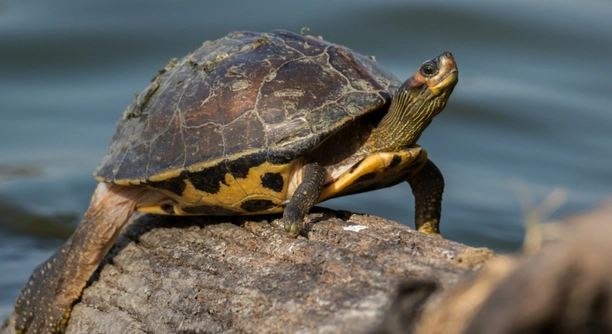
Has your Indian Roofed Tortoise been digging more than usual? It’s a common behavior that many owners notice. Understanding why this happens can help you provide the best care for your shelled friend.
Digging is a natural behavior for Indian Roofed Tortoises. It could indicate a need for nesting, boredom, or environmental stress. Changes in habitat, temperature, or diet can also trigger this action. Addressing these factors can help reduce excessive digging.
Digging can be a sign of more than just exploration. Understanding its cause will help keep your tortoise healthy and happy. Let’s take a closer look at why this behavior happens and how you can manage it.
Why Do Tortoises Dig?
Digging is a common behavior among tortoises. For your Indian Roofed Tortoise, it could be a sign of different needs or desires. Tortoises dig to create a comfortable space for themselves. This could be for nesting, cooling down, or hiding from stress. They may also dig if they feel their environment is not safe or if they need to establish a burrow. In some cases, the digging could be an attempt to escape an enclosure if it feels too small or restrictive.
Tortoises may also dig if they are bored and need a form of entertainment. Providing enrichment in their habitat, such as hiding food or offering new things to explore, can help. It’s important to observe the frequency and intensity of the digging to understand whether it’s a sign of stress or just natural behavior.
If your tortoise is digging excessively, consider its environment. Ensure the enclosure is large enough, with proper heating and lighting. Providing a natural substrate for digging, like soil or sand, can help satisfy the digging instinct and avoid stress.
How to Prevent Excessive Digging
To prevent excessive digging, create a more stimulating environment.
Offer toys or hiding spots to encourage natural behavior without digging. If the digging is due to stress, reducing noise and disturbances can help. Consider adding plants or rocks for climbing. These simple changes can make a big difference.
Is Digging a Sign of Stress?
Excessive digging can be a sign that your tortoise is stressed. Changes in its environment, like temperature fluctuations or loud noises, can cause discomfort. Stress can also stem from improper living conditions, such as an overcrowded enclosure or a lack of hiding spots.
If your tortoise is digging more than usual, it’s a good idea to check for environmental stressors. Make sure the habitat is quiet, safe, and comfortable. Ensure there are no other pets or noises that could be causing anxiety. A stable temperature is crucial too; Indian Roofed Tortoises need a warm spot to bask and a cooler place to retreat.
Also, ensure that your tortoise has a comfortable hiding spot, like a log or a small shelter. Tortoises often dig when they feel unsafe, so providing privacy can help them feel more secure. A small change in its environment might be all it takes to reduce digging.
How to Provide a Comfortable Environment
Creating a comfortable environment is key to reducing digging.
Make sure the enclosure has a proper temperature gradient, with a basking area and a cooler zone. Tortoises also need access to fresh water and a clean space to roam. It’s essential to maintain the right humidity level, too. If the habitat feels too dry or too humid, your tortoise might dig in search of a more suitable environment. The substrate you use can also play a role; soft, loose soil or sand encourages natural digging behavior.
Add hiding spots, like rocks or plants, so your tortoise can feel more secure. Keeping the space clean and free of excess waste will help prevent stress.
Is Your Tortoise Digging to Nest?
Female Indian Roofed Tortoises may dig if they are ready to lay eggs. This behavior is instinctual, as they try to create a suitable spot for nesting. It’s completely natural and doesn’t necessarily indicate stress or discomfort.
If you notice your female tortoise digging excessively, she could be looking for a place to lay eggs. This is a normal part of her reproductive cycle. It’s important to provide her with a safe, secure place to do this. If the enclosure doesn’t offer the right conditions, she may become frustrated and dig even more.
Create a nesting area by providing a deeper substrate, like moist sand or soil. This encourages her to dig and feel comfortable while laying eggs.
Temperature and Humidity Effects
Temperature and humidity play a big role in your tortoise’s behavior.
Ensure the temperature in the enclosure matches the needs of your tortoise. Too hot or too cold, and your tortoise might start digging to find a more comfortable spot. Keep the basking area warm and the cooler side of the habitat at a comfortable level. Also, check the humidity. Too little moisture can lead your tortoise to dig in search of a better environment.
Boredom and Digging
Tortoises may dig simply because they are bored.
Providing a variety of items for them to explore or hide under can help keep their minds engaged. A few changes in their environment or new things to interact with will give them something to focus on other than digging.
FAQ
Why is my Indian Roofed Tortoise digging so much?
Digging is a natural behavior for Indian Roofed Tortoises. It could be due to nesting, boredom, or stress. They dig to find a comfortable spot to hide or cool down. Excessive digging might also indicate an environmental issue, such as improper temperature, humidity, or lack of enrichment in the enclosure. Monitor the conditions in their habitat and consider adding more hiding spots or toys to reduce stress and boredom.
How can I tell if my tortoise is digging due to stress?
If your tortoise is digging excessively and seems restless or anxious, stress could be the cause. Signs of stress include decreased activity, refusing food, and increased digging. Environmental changes, like loud noises, crowded living spaces, or improper temperature and lighting, can cause stress. Make sure the habitat is quiet, secure, and comfortable to help alleviate stress.
What should I do if my female tortoise is digging to lay eggs?
If your female tortoise is digging, it’s likely she is preparing to lay eggs. This behavior is instinctual and should be respected. You should provide a safe, secure area for her to dig and lay eggs. A deeper substrate, like moist sand or soil, will encourage nesting. Ensure the area is private and free from disturbances. If your tortoise is in an enclosure, make sure the space is large enough for her to dig without restriction.
Can I prevent my tortoise from digging?
While digging is a natural behavior, you can reduce excessive digging by ensuring your tortoise has a proper habitat. Provide a large, secure enclosure with the right temperature, humidity, and hiding spots. Enrichment, such as toys, plants, and rocks to climb, can also reduce boredom and excessive digging. If your tortoise is digging because of stress or environmental discomfort, addressing these factors will help minimize the behavior.
Should I be worried if my tortoise is digging a lot?
In most cases, digging is not a cause for concern. It’s a natural behavior, but if it becomes excessive or disruptive, it may signal an underlying issue. Check the habitat for factors such as temperature, humidity, or a lack of stimulation. If the digging is related to nesting, ensure your tortoise has a proper nesting area. If your tortoise seems to be constantly digging and showing signs of distress, a visit to the vet may be needed.
How deep should the substrate be for nesting?
If your female tortoise is digging to lay eggs, the substrate should be deep enough to allow her to dig comfortably. About 6–8 inches of loose, moist soil or sand will give her enough space to create a proper nesting hole. It’s important to keep the substrate moist but not soggy to prevent any discomfort while she digs and lays eggs.
Can digging be a sign of boredom?
Yes, tortoises often dig when they are bored or not mentally stimulated. If your tortoise doesn’t have enough to do in its enclosure, digging may be a way to pass the time. Adding toys, rocks, or plants to their habitat can provide more enrichment and reduce the desire to dig. You can also hide food around the enclosure to encourage natural foraging behaviors.
Is it normal for a tortoise to dig at night?
Yes, it is normal for tortoises to dig at night. They are nocturnal creatures by nature, and their activity levels may increase during the evening or early morning. Digging can be a part of their natural behavior as they explore their environment, search for food, or find a comfortable spot to sleep. If your tortoise is digging at night and seems to be doing it excessively, check the temperature and humidity levels to ensure they are in an optimal range.
How can I reduce my tortoise’s digging behavior?
To reduce digging, ensure your tortoise’s environment is well-maintained. Proper lighting, temperature, and humidity are essential for a healthy tortoise. Enrichment can also help, such as providing climbing structures, hiding spots, or toys. If your tortoise is still digging excessively, it may be due to stress, nesting behavior, or boredom. Addressing these factors can help reduce the frequency of digging.
What if my tortoise is trying to escape by digging?
If your tortoise is digging in an attempt to escape, it may not feel secure in its environment. Check the enclosure to ensure it is large enough and free from stressors. A tortoise may dig if it feels cramped or if the substrate is not comfortable for burrowing. Make sure there are no gaps or weaknesses in the enclosure that your tortoise can exploit. If the enclosure is too small or lacks hiding spots, consider upgrading to a larger space with more enrichment to prevent escape attempts.
Final Thoughts
Digging is a natural behavior for Indian Roofed Tortoises, and it’s important to remember that it’s not always a cause for concern. Tortoises dig for a variety of reasons, including nesting, exploring, and regulating their environment. Whether it’s to find a cool spot or to create a burrow, digging is simply a way for your tortoise to feel comfortable and safe. By understanding the different reasons behind this behavior, you can make adjustments to your tortoise’s habitat to ensure it remains healthy and stress-free.
If your tortoise is digging excessively, it’s helpful to look closely at the conditions in its environment. Temperature and humidity levels play a significant role in your tortoise’s behavior, and improper settings could lead to stress and more frequent digging. Check that your tortoise’s habitat has a proper temperature gradient, with a warm basking area and a cooler spot for retreat. Also, make sure the humidity level is right, as this can impact how comfortable your tortoise feels in its enclosure. Providing plenty of space and places to hide will reduce stress and help your tortoise feel more secure.
Finally, keep in mind that some level of digging is normal. If your tortoise is digging to lay eggs, it’s simply following its natural instincts. Female tortoises need to dig in order to create a safe nesting site, so providing them with a deep, loose substrate will support this process. On the other hand, if your tortoise is digging out of boredom or stress, offering enrichment like climbing structures or toys can help keep it entertained and engaged. With a little observation and care, you can create the ideal environment for your tortoise, ensuring it’s comfortable, happy, and free from excessive digging.

Hello,
If you enjoy the content that we create, please consider saying a "Thank You!" by leaving a tip.
Every little bit helps us continue crafting quality advice that supports the health, happiness, and well-being of pets around the world, for pets of all shapes, sizes, and species.
We really appreciate the kindness and support that you show us!