
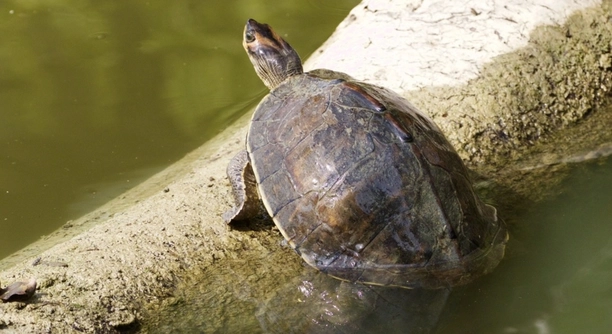
If you’re a proud owner of an Indian Roofed Tortoise, you may notice changes in its behavior that raise concerns. Stressed tortoises can exhibit a variety of signs, which can be hard to spot at first.
Indian Roofed Tortoises are highly sensitive creatures, and stress can significantly impact their health. Stress often manifests through behavioral changes, such as aggression, lack of appetite, or withdrawal from their environment, signaling the need for intervention.
Addressing stress early can help restore your tortoise’s well-being. Learn more about the key signs and simple steps to ease their tension for a happier, healthier pet.
Lack of Appetite
A stressed Indian Roofed Tortoise may refuse to eat, even when offered its favorite foods. Appetite loss can be caused by environmental changes, improper temperatures, or a lack of hiding spots. Stress affects digestion, leading to weight loss and weakened immunity. Providing a stable habitat with proper lighting, humidity, and diet can help restore their eating habits. If the issue persists, a vet visit may be necessary to rule out illness. Watching for other stress-related behaviors, such as lethargy or aggression, can give insight into your tortoise’s well-being. Addressing stress early helps maintain a healthy appetite.
If your tortoise refuses food for more than a few days, monitor its weight and hydration levels. A warm soak may help with digestion, and adjusting the enclosure’s setup can encourage eating. Ensure that their diet is well-balanced with fresh greens, protein sources, and calcium supplements.
Stress can make tortoises lose interest in food, but a calm environment encourages natural feeding behaviors. Keep handling to a minimum, avoid loud noises, and maintain a consistent feeding schedule. Offer food in a quiet space to reduce anxiety. A stressed tortoise may need time to adjust, but with patience, its appetite can return to normal.
Excessive Hiding
When a tortoise is stressed, it may spend more time hiding than usual. If your pet stays in its shelter for long periods, it may be feeling anxious or overwhelmed. Sudden changes in the environment or excessive handling can contribute to this behavior.
Indian Roofed Tortoises need a sense of security in their habitat. A lack of proper hiding spots can make them feel vulnerable, leading to stress. Ensure the enclosure has multiple hiding areas where they can retreat comfortably. Temperature fluctuations, new surroundings, or other pets nearby may also cause excessive hiding. Keeping their environment stable helps them feel secure.
If your tortoise hides too much, check for signs of illness or improper habitat conditions. Make sure temperatures are within the recommended range, and avoid rearranging the enclosure too often. Reducing interactions and loud noises can also help. Over time, as your tortoise feels safer, it will begin to explore more confidently.
Restlessness and Pacing
A stressed Indian Roofed Tortoise may pace around its enclosure repeatedly. This behavior often signals discomfort, frustration, or an unsuitable environment. If your tortoise constantly moves along the walls or tries to escape, it may be feeling anxious or overstimulated.
Pacing can be triggered by a habitat that is too small or lacks enrichment. A tortoise needs enough space to explore, along with hiding spots and varied terrain. If the enclosure is too bare, your pet may feel trapped. Ensure the habitat has proper lighting, temperature, and humidity levels. Rearranging their setup too often can also cause stress, so keeping a consistent layout helps them feel secure.
If pacing continues, check for external stressors like loud noises, bright lights, or frequent disturbances. Limiting handling and providing a quiet environment can reduce anxiety. Adding natural elements, such as logs or plants, encourages natural behaviors and gives them a sense of security.
Unusual Aggression
A normally calm tortoise becoming aggressive may indicate stress. If it starts biting, lunging, or showing defensive postures, something in its environment may be causing distress. This behavior can be directed at humans, other tortoises, or even objects in the enclosure. Identifying and removing the stressor can help reduce aggression.
Aggression is often linked to overcrowding, improper temperatures, or excessive handling. If housed with other tortoises, competition for space, food, or basking spots can lead to tension. Separating them may be necessary. If aggression is directed at people, reducing interaction and allowing more alone time can help. A stable, well-maintained habitat is key to minimizing stress-induced aggression.
Excessive Digging
A stressed Indian Roofed Tortoise may dig excessively, even outside of normal burrowing behavior. This can be a sign of discomfort, anxiety, or an attempt to escape unsuitable conditions. If digging becomes persistent, evaluating their habitat and overall health is important.
Inadequate substrate, improper temperatures, or a lack of hiding spots can trigger excessive digging. Ensure the enclosure has a deep, soft substrate for burrowing. If temperatures are too high or low, your tortoise may dig to regulate its body heat. Providing a balanced environment can help reduce this behavior.
Unresponsiveness
A stressed tortoise may become less responsive to stimuli, appearing sluggish or uninterested in its surroundings. It may stop reacting to food, movement, or handling. This could indicate deep stress or an underlying health issue requiring immediate attention.
Erratic Swimming (For Semi-Aquatic Tortoises)
If a semi-aquatic tortoise frantically swims against the tank walls, it may be experiencing stress. Poor water quality, lack of basking areas, or an overcrowded space can contribute to this behavior. Ensuring clean water, proper temperature, and an adequate land area can help your tortoise feel more comfortable.
FAQ
How can I help my tortoise feel less stressed?
Creating a stable and comfortable environment is the best way to reduce stress. Ensure the enclosure has proper temperature, humidity, and lighting. Provide hiding spots, a balanced diet, and minimal disturbances. Avoid excessive handling, as tortoises need time to feel secure. If stress symptoms persist, check for illness or external stressors.
Can loud noises stress my tortoise?
Yes, loud noises can cause stress. Indian Roofed Tortoises are sensitive to their surroundings, and constant noise from televisions, music, or household activity can make them anxious. Keep their enclosure in a quiet area, away from high-traffic spaces. A calm environment helps them feel more secure and relaxed.
Why is my tortoise trying to climb or escape its enclosure?
Tortoises attempt to escape when their habitat is too small, lacks stimulation, or has incorrect conditions. Ensure the enclosure is spacious with varied terrain, hiding spots, and proper lighting. If it continues, check for stress factors such as improper temperatures, new surroundings, or the presence of other pets.
Is excessive basking a sign of stress?
Excessive basking may indicate discomfort or stress. If your tortoise basks for long periods without moving, check the enclosure’s temperature gradient. An imbalance in heat or UVB exposure can make them seek warmth excessively. Adjust the basking area and ensure they have shaded spots to regulate their body temperature.
Can stress affect my tortoise’s shell health?
Yes, prolonged stress can impact shell health. A stressed tortoise may not get enough UVB exposure or proper nutrition, leading to shell problems. Ensure a well-balanced diet rich in calcium, along with proper lighting and hydration. Regularly check for any signs of shell damage or unusual softness.
How can I tell if my tortoise is stressed or sick?
Stress and illness can have similar symptoms, such as loss of appetite, lethargy, or excessive hiding. If stress-related adjustments don’t improve behavior, consult a reptile veterinarian. Signs of illness may include swollen eyes, difficulty breathing, or abnormal stools. Early intervention can prevent serious health issues.
Why is my tortoise suddenly aggressive towards me?
Sudden aggression can be a reaction to stress, feeling threatened, or discomfort in its habitat. Avoid excessive handling and provide a secure environment. If aggression continues, assess any recent changes in their surroundings, diet, or routine that might be causing distress. Giving them space can help them feel at ease.
Should I separate my tortoise from others if it seems stressed?
Yes, if your tortoise is showing stress-related behaviors and lives with others, separation may be necessary. Competition for space, food, or basking areas can cause tension. Provide individual enclosures or ensure they have enough space to reduce stress and avoid potential conflicts.
How long does it take for a stressed tortoise to recover?
Recovery time varies depending on the cause of stress. Some tortoises adjust within a few days, while others may take weeks. Providing a calm, stable environment with minimal changes can speed up the process. Patience and consistency are key to helping them feel comfortable again.
Can handling my tortoise too much make it stressed?
Yes, excessive handling can cause stress, especially for shy or newly acquired tortoises. Limit handling to necessary interactions and allow them to explore their enclosure undisturbed. Over time, they may become more comfortable, but forcing interaction can make them feel unsafe.
What should I do if my tortoise won’t eat due to stress?
If stress is affecting appetite, ensure the enclosure’s conditions are optimal and reduce disturbances. Offer fresh, varied food in a quiet setting. Warm soaks may help stimulate appetite. If refusal to eat continues for more than a week, seek veterinary advice to rule out underlying health issues.
Can changing my tortoise’s enclosure cause stress?
Yes, sudden changes in their habitat can be stressful. If you need to modify their setup, introduce changes gradually. Keeping familiar elements, such as their favorite hiding spot or basking area, can help ease the transition. Give them time to adjust before making further modifications.
Does my tortoise need mental stimulation to prevent stress?
Yes, a lack of stimulation can lead to boredom and stress. Adding enrichment, such as natural obstacles, varied terrain, and occasional treats, encourages exploration. Avoid a bare enclosure, as a stimulating environment keeps them engaged and promotes natural behaviors.
Final Thoughts
Stress can greatly affect an Indian Roofed Tortoise’s health and behavior. Recognizing the signs early, such as loss of appetite, excessive hiding, or unusual aggression, can help prevent further issues. A stable and well-maintained habitat plays a key role in reducing stress. Proper temperature, humidity, and lighting are essential for their comfort. Avoid frequent changes to their enclosure, as sudden adjustments can make them anxious. Providing enough space, hiding spots, and enrichment will help them feel secure. Limiting handling and keeping their environment quiet can also make a big difference in their well-being.
A stressed tortoise may take time to recover, so patience is important. If symptoms persist despite improvements to their habitat, a veterinary checkup may be necessary. Underlying health conditions can sometimes cause stress-like behaviors, making professional advice valuable. Regular monitoring of their behavior, eating habits, and physical condition can help you identify problems early. Small adjustments, such as offering a varied diet or providing additional shade, can make them more comfortable. Every tortoise is different, and some may need more time than others to adapt to changes. Consistency and a calm environment will help them feel safe.
Understanding your tortoise’s needs will allow you to create a stress-free home for them. A healthy tortoise is active, eats well, and explores its surroundings with confidence. Reducing stress will not only improve their quality of life but also strengthen your bond with them. Paying attention to their behavior and making gradual improvements to their care routine will ensure they stay happy and healthy for years to come.

Hello,
If you enjoy the content that we create, please consider saying a "Thank You!" by leaving a tip.
Every little bit helps us continue crafting quality advice that supports the health, happiness, and well-being of pets around the world, for pets of all shapes, sizes, and species.
We really appreciate the kindness and support that you show us!