
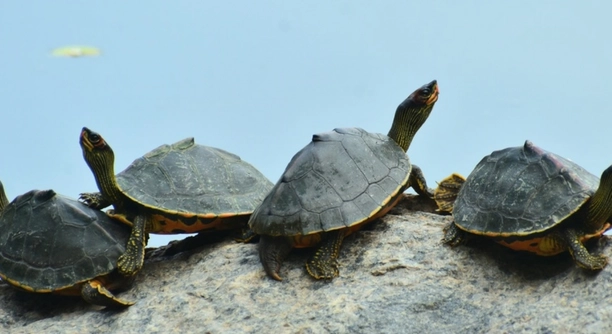
Your Indian Roofed Tortoise’s happiness is essential for its well-being, but how do you know if it’s content? There are several signs to look out for, and recognizing them can ensure that your tortoise stays healthy and happy.
Observing your Indian Roofed Tortoise’s behavior, physical condition, and environment can help determine if it’s happy. Active movements, proper eating, and a healthy shell are signs of a happy tortoise, whereas lethargy or loss of appetite may signal stress.
Understanding the little details of your tortoise’s habits can make a big difference in its overall health. By keeping an eye on key indicators, you can ensure a positive and fulfilling life for your pet.
Signs Your Indian Roofed Tortoise is Happy
A healthy and happy Indian Roofed Tortoise typically displays a few key signs. These include active movement, a strong appetite, and a bright, well-maintained shell. When they are content, they often explore their surroundings, search for food, and show interest in their environment. A tortoise that is constantly hiding or refuses to move may be stressed or unwell. Regular basking behavior and a healthy appetite are positive indicators that your tortoise is thriving. Their physical appearance also provides clues: a shiny, smooth shell without cracks or dryness shows they are in good health.
These signs are the first indicators of a happy tortoise. If your tortoise is active, eating well, and physically healthy, it’s likely doing well in its habitat.
Pay attention to changes in behavior, such as sudden lethargy or lack of movement. If these symptoms occur, it may indicate discomfort or illness. Healthy eating habits, along with steady movement, are key to a thriving tortoise.
Proper Habitat for Happiness
A well-maintained habitat is crucial for your tortoise’s happiness. Make sure it has a proper balance of warmth, light, and space to roam. A heated basking area and a cooler section for resting are necessary.
Your Indian Roofed Tortoise needs enough space to move around comfortably. A small enclosure or too much confinement may result in stress. A suitable habitat also includes hiding spots, providing a sense of security. Fresh, clean water and proper UV lighting are essential. Keeping its environment clean, with the right humidity, will also help maintain its overall health and happiness. Proper care of its habitat directly impacts its behavior and well-being.
Eating Habits and Appetite
A healthy tortoise will eat regularly, enjoying a variety of fresh vegetables and occasional fruits. A sudden lack of interest in food could be a warning sign. Monitoring its diet ensures it receives the proper nutrients, contributing to its well-being. If your tortoise isn’t eating or shows reduced appetite, investigate environmental or health issues.
Their diet should be high in fiber and low in protein, mimicking their natural intake. You’ll notice your tortoise nibbling on leafy greens, dandelion greens, and grasses. This is normal, and it helps keep their digestive system working properly. If your tortoise refuses food for days, it might signal stress, illness, or an improper environment.
If food refusal continues, check for any possible changes in temperature, light, or other environmental factors. A consistent, appropriate diet is essential for growth and energy. Be mindful of how much your tortoise eats—too much or too little can cause health problems.
Activity Level and Exploration
Tortoises, especially healthy ones, enjoy exploring their surroundings. A happy tortoise will be seen roaming, climbing, and basking. If it’s staying in one spot for too long, something could be off. Changes in activity levels, such as excessive inactivity, can indicate stress, illness, or environmental discomfort.
Tortoises require physical activity to stay healthy. They naturally enjoy moving around and foraging for food. If your tortoise is not moving or hiding in its shell for extended periods, the cause could be temperature issues or a lack of stimulation. Providing a large enough space, hiding spots, and natural elements to explore will keep your tortoise active. Regular movement is a sign of a content and healthy pet.
Shell Health
A healthy shell is an important sign of a happy tortoise. It should be smooth, shiny, and free of cracks or soft spots. Any discoloration, softness, or visible damage could indicate a health problem. Regularly check for any signs of injury or illness.
The shell’s condition is also linked to the tortoise’s diet and habitat. A lack of UVB light or poor nutrition can cause the shell to become unhealthy. If your tortoise’s shell appears sunken or soft, it’s time to reassess their care routine, ensuring they get proper lighting, vitamins, and minerals.
Behavioral Changes
Tortoises can experience stress from changes in their environment or routine. If your tortoise suddenly becomes more withdrawn or aggressive, it may be trying to adjust. Any sudden behavioral change should not be ignored, as it could be a sign of distress or illness.
Stress can arise from improper temperature, lighting, or even lack of space. Make sure the habitat is as natural as possible. Providing regular stimulation through safe items to explore can help reduce stress. Keeping your tortoise’s routine consistent will also support its overall well-being.
FAQ
How can I tell if my tortoise is stressed?
A stressed tortoise may become more withdrawn or lethargic, refusing to move around or eat. It might spend more time hiding or show signs of aggression, like biting or hissing. Stress can be caused by factors such as improper habitat conditions, too much handling, or changes in routine. Always monitor their environment to ensure they have a proper temperature, lighting, and space to roam. If you notice behavioral changes, investigate the possible stressors and address them promptly to help your tortoise feel more secure.
What should I do if my tortoise isn’t eating?
If your tortoise refuses to eat for more than a day or two, check for any environmental issues first. Ensure the temperature is correct, especially the basking area, and that there is enough UVB light. Lack of appetite could also indicate illness, so monitor other symptoms like lethargy or unusual behavior. If the issue persists, a visit to the vet may be necessary for a health check-up. Keep their diet varied and offer fresh, appropriate foods regularly to keep their interest.
Is it normal for my tortoise to sleep a lot?
Tortoises do sleep for a considerable amount of time, especially during the night. However, excessive sleep during the day could indicate something is wrong. If your tortoise seems to be sleeping too much or hiding constantly, it may be due to stress, illness, or improper environmental conditions, such as too low or too high temperatures. Make sure the habitat is balanced with proper lighting, temperature, and humidity to encourage natural behavior. If the behavior continues, consult a vet.
How do I maintain the right temperature for my tortoise?
The temperature in your tortoise’s habitat is crucial for its health. The basking area should be around 85-95°F (29-35°C), while the cooler side should be 75-80°F (24-27°C). Ensure there is a temperature gradient, so your tortoise can move between warmer and cooler areas. Use a reliable thermometer to check the temperature regularly and adjust heating equipment if necessary. Never allow the enclosure to get too cold, as this could lead to health issues.
Can I give my tortoise fruit every day?
Fruit should be offered as an occasional treat, not a daily part of the diet. While tortoises enjoy fruits like strawberries, melons, and mangoes, they are high in sugar and can upset their digestive system if given too often. Fruits should only make up a small portion of their diet, and the bulk should consist of dark leafy greens, grasses, and other vegetables. Always ensure the fruits are fresh and free of pesticides before offering them to your tortoise.
What kind of substrate should I use for my tortoise’s enclosure?
A good substrate for your tortoise’s enclosure should be natural, absorbent, and easy to clean. You can use materials like coconut coir, shredded newspaper, or non-toxic grass hay. Avoid using sand or wood chips, as these can cause impaction if ingested. The substrate should allow your tortoise to burrow and maintain a comfortable humidity level. Keep the substrate clean by replacing it regularly to avoid bacteria buildup.
Why is my tortoise’s shell turning soft?
A soft shell could be a sign of calcium deficiency or a lack of proper UVB lighting. Calcium is essential for strong shell growth, and without adequate UVB exposure, your tortoise cannot properly process calcium. To prevent this, provide UVB lighting for 10-12 hours a day, and ensure your tortoise’s diet includes calcium-rich foods like dark leafy greens. You may also consider offering a calcium supplement, but it’s important to get the lighting and diet right first. A soft shell could also be a sign of dehydration or poor nutrition.
How much space does my tortoise need?
Indian Roofed Tortoises need plenty of space to roam and explore. The minimum recommended space is 4 square feet per tortoise for small individuals, but larger enclosures are always better. The enclosure should provide areas for both basking and hiding. If possible, let your tortoise have supervised outdoor time in a secure, safe area. A larger space allows for natural behavior, which is essential for their happiness and health. Make sure the space is free from sharp objects and that they have access to fresh water at all times.
Can I house more than one tortoise together?
Indian Roofed Tortoises can be territorial, and housing more than one together can sometimes lead to aggression or competition for food and space. If you choose to keep multiple tortoises in one enclosure, it’s essential to provide ample space and hideouts to reduce stress and aggression. Monitor their behavior closely, and be prepared to separate them if any fighting or excessive stress occurs. Some tortoises can live harmoniously together, but it’s crucial to understand each individual’s temperament.
How do I know if my tortoise is sick?
Signs that your tortoise may be sick include changes in behavior such as lethargy, loss of appetite, or difficulty moving. A runny nose, wheezing, or abnormal discharge from the eyes could indicate a respiratory infection. Any abnormal shell changes, like softening, cracks, or abnormal growth, are also red flags. If your tortoise exhibits any of these symptoms, it’s important to seek veterinary care as soon as possible. Early intervention can help ensure a better outcome and avoid complications.
Final Thoughts
Caring for an Indian Roofed Tortoise involves more than just feeding and keeping it in a safe environment. Understanding its behavior and physical condition plays a key role in making sure it stays happy and healthy. By paying attention to how your tortoise moves, eats, and interacts with its surroundings, you can quickly spot any changes that might indicate stress, illness, or discomfort. A well-balanced diet, proper lighting, temperature control, and enough space are essential to its well-being. Consistent monitoring and quick adjustments when needed can prevent many common issues from becoming serious problems.
It’s also important to remember that every tortoise is unique. Some may be more active and curious, while others prefer to stay hidden or rest more often. Keep an eye on your tortoise’s normal habits so that you can easily notice when something is out of the ordinary. If any changes in behavior occur, whether it’s a decrease in appetite, unusual lethargy, or aggression, it’s essential to identify the cause quickly. Regular checkups with a vet can help ensure that your tortoise remains in good health, and they can provide advice on managing any specific needs or concerns.
In the end, your tortoise’s happiness and health are closely tied to the care and environment you provide. A little knowledge about their needs and signs of distress goes a long way in helping them live a long, fulfilling life. By staying observant and proactive, you can ensure that your Indian Roofed Tortoise feels comfortable and secure, allowing it to thrive in your care. The more you understand your tortoise’s habits and needs, the better you’ll be at offering the right care.

Hello,
If you enjoy the content that we create, please consider saying a "Thank You!" by leaving a tip.
Every little bit helps us continue crafting quality advice that supports the health, happiness, and well-being of pets around the world, for pets of all shapes, sizes, and species.
We really appreciate the kindness and support that you show us!