
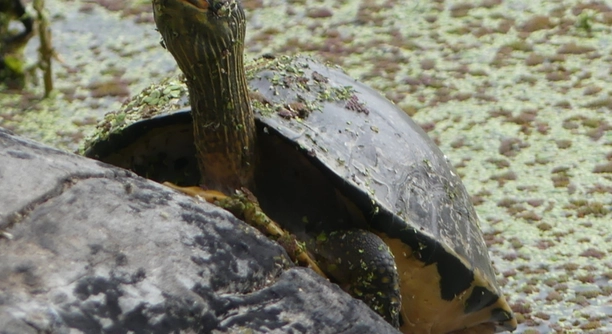
Caring for an Indian Roofed Tortoise requires attention to detail, especially when it comes to their shells. These creatures are known for their unique and beautiful shell patterns, but certain mistakes can cause deformities.
Mistakes like improper diet, lack of UVB light, poor habitat conditions, and excessive handling can result in shell deformities in Indian Roofed Tortoises. Over time, these mistakes may hinder the tortoise’s growth and overall health, leading to irreversible damage.
Knowing what to avoid is key to preventing long-term harm to your tortoise. The following tips will help you maintain a safe, healthy environment for your shelled companion.
Incorrect Diet and Nutritional Imbalance
One of the biggest mistakes people make is feeding their Indian Roofed Tortoises the wrong diet. These tortoises need a variety of leafy greens, vegetables, and occasional fruits to stay healthy. When they are fed an improper diet, such as too much fruit or processed food, it can lead to soft, brittle shells. A lack of calcium and fiber also contributes to poor shell development. Without enough nutrients, their shells may not form properly, leading to deformities that can be difficult to correct. Proper feeding helps their shells grow strong and healthy.
To keep your tortoise’s shell in top condition, offer a balanced diet that mirrors what they would find in the wild. Leafy greens like dandelion greens, collard greens, and mustard greens are great choices. Avoid feeding them too many sugary fruits or foods that lack the essential nutrients they need for shell health.
A well-balanced diet not only supports shell development but also keeps your tortoise’s overall health in check. Including a variety of vegetables and calcium-rich foods like cuttlebone or calcium supplements ensures that they receive everything they need. Be mindful of overfeeding, as obesity can also cause shell deformities. The right nutrition, paired with other proper care, can prevent long-term shell issues and improve the overall quality of life for your tortoise.
Lack of Proper UVB Lighting
UVB light is crucial for the health of your tortoise’s shell. Without it, they can develop shell deformities due to calcium deficiency. This light helps in the production of Vitamin D3, which aids in calcium absorption.
Tortoises need at least 10-12 hours of UVB exposure each day. Without it, their shells may become soft or misshapen. Providing UVB lighting ensures that they get the necessary nutrients to maintain a strong and healthy shell. It’s essential to use proper lighting fixtures, as not all bulbs are effective at emitting UVB rays. Regular replacement of bulbs is necessary to keep the light levels optimal for your tortoise’s health.
Poor Habitat Conditions
A tortoise’s habitat is essential for their well-being. If their living space is too small, too humid, or lacks proper ventilation, it can affect their shell development. Without enough space to roam and explore, they may not get the exercise needed for healthy growth.
To prevent shell deformities, ensure their habitat has plenty of space, appropriate humidity levels, and proper temperature gradients. A large enclosure with areas for hiding, basking, and soaking is ideal. Make sure the temperature is warm enough during the day and cool enough at night to help regulate their health.
Adding climbing structures or items to encourage movement can also help. It is vital that the enclosure has a safe and clean environment. Dirty or overcrowded spaces can increase stress and make it harder for your tortoise to thrive. The right conditions will allow your tortoise to move freely and grow at a healthy rate, avoiding unnecessary shell issues.
Excessive Handling
Indian Roofed Tortoises can become stressed if handled too often or improperly. Handling can cause shell distortions over time, especially if their shells are frequently touched or pressed too hard. It is important to minimize stress to prevent long-term damage.
Although they may seem like the perfect pet to handle, excessive handling can interfere with their natural behaviors. Being touched too much can cause anxiety and result in issues like a weakened immune system, which affects overall health. Always allow your tortoise time to rest and explore without constant interaction.
Instead of frequent handling, focus on observing their behaviors from a distance. This helps them feel safe in their environment and promotes natural growth. Tortoises should be allowed to feel comfortable in their own space. When handling is necessary, be gentle and brief to avoid causing stress or harm.
Overuse of Water
Allowing your tortoise to stay in water for extended periods can lead to deformities in their shell. Tortoises need water for soaking, but too much moisture can weaken their shell, causing soft spots or misshaping. Proper soaking time should not exceed 20-30 minutes.
A shallow water dish that they can easily climb in and out of is ideal. This allows them to hydrate while also preventing any prolonged exposure. If left in water too long, their shells become vulnerable to deformation. Keep their soaking times balanced to avoid shell issues and promote better overall health.
Inadequate Exercise
Lack of exercise can result in deformities as well. Tortoises need ample room to move around and engage in physical activity to develop strong muscles and shells. Without enough exercise, they may not grow properly, affecting the shape and strength of their shell.
Allow your tortoise to roam freely within a safe, enclosed area. Encouraging natural movements like climbing, walking, and foraging will help develop their body and shell. Exercise is essential for their physical health and will reduce the risk of shell deformities. Proper space and daily movement contribute to long-term well-being.
FAQ
How can I tell if my Indian Roofed Tortoise has a shell deformity?
Shell deformities can be spotted by looking for unusual shapes, soft spots, or uneven growth in the shell. If the shell looks misshapen or appears to be growing in an abnormal direction, it could be a sign of a deformity. Another sign is when the shell feels unusually soft, which indicates a lack of calcium. If you notice any of these signs, it’s important to consult a veterinarian to address the issue early.
Can poor diet affect my tortoise’s shell?
Yes, diet plays a huge role in the development of a tortoise’s shell. A diet that lacks essential nutrients like calcium, fiber, and vitamins can lead to weak and misshapen shells. It’s crucial to feed your tortoise a balanced diet that includes leafy greens, vegetables, and occasional fruits. Avoid feeding them too much fruit or processed foods, as these can lead to nutritional imbalances and shell deformities.
What should I do if I suspect my tortoise is not getting enough UVB light?
If you think your tortoise isn’t getting enough UVB light, it’s important to adjust its environment. Ensure that your tortoise has access to a proper UVB light source that emits the necessary rays for Vitamin D3 production. UVB light is essential for calcium absorption, which helps in the development of a healthy shell. Make sure the light is placed at the right distance from the tortoise and replaced regularly as UVB bulbs lose their effectiveness over time.
Can my tortoise’s shell deformity be corrected?
In many cases, shell deformities caused by poor nutrition, inadequate lighting, or improper care can be improved if caught early. With the right diet, proper UVB lighting, and an improved habitat, the tortoise’s shell may gradually improve. However, severe deformities that have been left untreated for a long time may be permanent. It’s best to consult with a reptile veterinarian who can guide you on how to support your tortoise’s recovery.
How can I avoid stress-related shell deformities in my tortoise?
Minimizing stress is essential for your tortoise’s overall health. Stress can lead to weakened immune systems and contribute to shell deformities. To avoid this, limit handling, provide a safe and calm environment, and ensure that the habitat is large enough for your tortoise to move freely. Keep the enclosure clean and quiet, and avoid overcrowding with other animals.
Is it necessary to provide a basking spot for my tortoise?
Yes, a basking spot is crucial for your tortoise’s health. It allows them to regulate their body temperature, which is important for digestion and overall growth. A basking area should be warm enough to allow your tortoise to absorb heat but not too hot to cause discomfort. A proper basking spot encourages healthy shell growth and keeps your tortoise active and healthy.
How often should I handle my Indian Roofed Tortoise?
Handling should be limited to minimize stress. While occasional interaction is fine, tortoises do not enjoy being handled constantly. Try to observe your tortoise from a distance instead of frequently picking it up. If you do handle it, keep it brief and gentle, and always allow the tortoise time to rest and move around on its own.
Can too much water affect my tortoise’s shell?
Yes, too much time spent in water can lead to shell problems. If your tortoise is kept in water for extended periods, it may cause the shell to become soft or misshapen. Soaking should be limited to 20-30 minutes at a time to allow the tortoise to hydrate without causing harm to its shell. Ensure that the water is not too deep, and always provide an easy way for your tortoise to exit the water when it’s done soaking.
What are the signs that my tortoise is not getting enough calcium?
Signs that your tortoise may not be getting enough calcium include soft or pliable shells, irregular growth, and difficulty moving. If the shell appears to be caving in or has soft spots, it’s likely a sign of calcium deficiency. A proper calcium supplement or adding cuttlebone to their habitat can help prevent these issues. Always ensure a balanced diet with plenty of calcium-rich foods like leafy greens and supplements.
Is it okay to feed my tortoise the same food every day?
While it’s important to provide a consistent diet, feeding your tortoise a variety of foods is better for its health. A diet that includes a mix of leafy greens, vegetables, and occasional fruits will provide a broader range of nutrients. Feeding the same food every day may lead to nutritional deficiencies or imbalances, so it’s best to offer different types of greens and vegetables to ensure your tortoise is getting all the nutrients it needs for a healthy shell.
Final Thoughts
Taking care of an Indian Roofed Tortoise requires a lot of attention, especially when it comes to its shell health. Many factors can affect the development of a tortoise’s shell, including diet, habitat conditions, and exposure to UVB light. By ensuring that your tortoise gets the right amount of nutrition, light, and space, you can help prevent deformities and promote healthy growth. Keeping their environment clean and stress-free is also essential in supporting their overall well-being. Simple adjustments in how you care for them can make a big difference.
It’s important to recognize that some mistakes, like improper feeding or inadequate lighting, can have long-lasting effects on your tortoise’s shell health. While some deformities may be corrected with changes in diet and care, others may require veterinary intervention. Regularly checking on their health and behavior will help you spot any issues early, making it easier to address them before they become more serious. If you are unsure about any aspect of your tortoise’s care, don’t hesitate to consult with a reptile veterinarian for expert advice.
By following basic care guidelines, you can help your Indian Roofed Tortoise live a long, healthy life. Proper feeding, regular UVB exposure, and a stress-free environment will go a long way in preventing shell deformities. While mistakes may happen, staying informed and making small changes will help improve their health in the long run. Your tortoise depends on you to provide the right conditions, so always keep their needs in mind to ensure they have the best chance for a strong, healthy shell and overall well-being.

Hello,
If you enjoy the content that we create, please consider saying a "Thank You!" by leaving a tip.
Every little bit helps us continue crafting quality advice that supports the health, happiness, and well-being of pets around the world, for pets of all shapes, sizes, and species.
We really appreciate the kindness and support that you show us!