
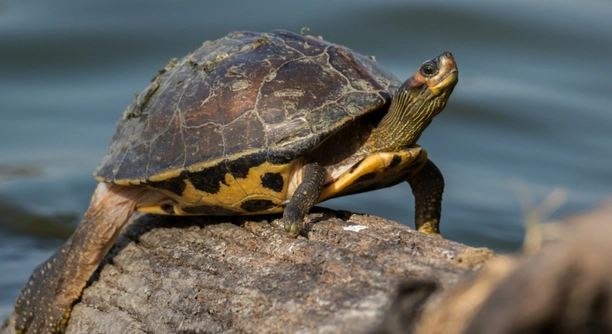
Indian Roofed Tortoises are fascinating creatures that require proper care to stay healthy. A balanced diet is key to ensuring their well-being. Knowing what to feed them can make a significant difference in their long-term health.
The best diet for an Indian Roofed Tortoise includes a variety of leafy greens, fruits, vegetables, and occasional protein sources. Proper feeding ensures they receive essential nutrients while avoiding health issues such as obesity or vitamin deficiencies.
With the right food, your tortoise can thrive and live a long, healthy life. Learn more about the specific foods that should make up their diet.
Essential Greens for a Healthy Tortoise Diet
Indian Roofed Tortoises thrive on a variety of leafy greens. These greens provide essential nutrients and help with digestion. Common choices include dandelion greens, collard greens, and mustard greens. Leafy greens are rich in calcium, which is important for shell health and overall growth. It’s essential to rotate these greens regularly to ensure your tortoise gets a range of nutrients. Avoid feeding them too many high-oxalate greens like spinach, as these can interfere with calcium absorption.
Leafy greens should be the main part of your tortoise’s diet, and it’s important to ensure they are fresh. Some tortoises can be picky eaters, but persistence in offering a variety of greens will encourage healthy eating habits.
Mixing in other vegetables like zucchini, cucumber, and carrots with the greens will also add variety and keep your tortoise’s meals interesting. Always wash the vegetables thoroughly before feeding them to remove any pesticides or harmful residues.
The Role of Fruits in Their Diet
Fruits, when offered in moderation, are a great addition to your tortoise’s diet. They provide hydration and extra vitamins.
A mix of fruits such as apples, strawberries, and melons can be enjoyed by your tortoise. However, fruits should not make up more than 10-15% of their overall diet. Excessive fruit intake can cause imbalances in their nutrition and lead to health problems. It’s important to offer fruits as treats rather than as regular meals.
The best approach is to feed fruits as a supplement to their main diet of greens and vegetables. This ensures they get all the essential nutrients without the risk of overeating sugar-rich fruits. Also, fruits help maintain hydration, which is vital for the tortoise’s overall health.
Protein Sources for Your Tortoise
Protein is necessary for growth, but it should be given sparingly. Insects like crickets and mealworms can be offered as a protein source.
Though essential, protein should only make up a small part of their diet. Overfeeding protein can lead to kidney damage or other health issues. Stick to occasional feedings of protein-rich foods to maintain a balanced diet for your tortoise.
Some tortoises may also enjoy small amounts of cooked egg or even fish. However, these should only be occasional treats, not regular components of their diet. Offering too much protein can cause more harm than good.
The Importance of Fiber
Fiber is a key component of your tortoise’s diet. It aids digestion and ensures proper bowel movements.
The best way to add fiber is through a variety of fibrous vegetables and leaves. Dandelion greens and hibiscus flowers are good examples, as they offer both fiber and essential nutrients. Fiber helps maintain a healthy gut and prevents digestive problems.
In addition to greens, fiber can also come from some fruits and flowers. Always make sure to provide a variety of fibrous food sources to keep things interesting and nutritious. Fiber plays a crucial role in your tortoise’s overall health, helping to avoid problems like impaction or constipation.
Hydration Needs
Proper hydration is essential for your tortoise’s health. Always provide fresh water in a shallow dish.
Ensure the water is clean and easily accessible. Tortoises may not drink from deep water, so keep the dish shallow to prevent drowning. Regularly change the water to avoid bacterial growth.
Tortoises also get hydration from their food, especially juicy fruits and vegetables. Cucumber, melon, and leafy greens contribute to their daily water intake. It’s important to monitor hydration closely to prevent dehydration, which can lead to serious health problems like kidney damage.
Calcium for Strong Shells
Calcium is vital for shell growth and bone health. Always include calcium-rich foods in their diet.
In addition to greens, you can provide a calcium supplement, especially if you feel their natural food sources aren’t sufficient. Make sure to offer calcium regularly to help prevent metabolic bone disease.
Feeding foods like clover, dandelion greens, and fortified pellets can improve calcium intake. A proper balance of calcium and phosphorus is necessary for healthy shell development. Without adequate calcium, your tortoise’s shell may become soft or deformed.
Avoiding Harmful Foods
Some foods should be avoided as they can harm your tortoise’s health. These include processed or high-fat foods.
Tortoises cannot digest dairy, grains, or anything too rich in fats or sugars. Foods like lettuce and certain fruits can also be problematic, as they may cause diarrhea or other digestive issues. Always research before introducing new foods.
FAQ
What should I feed my Indian Roofed Tortoise daily?
A healthy daily diet for your Indian Roofed Tortoise includes a variety of leafy greens like collard greens, mustard greens, and dandelion greens. You can also offer vegetables such as zucchini, cucumber, and bell peppers. Occasionally, you can add a small amount of fruit, such as apple slices, berries, or melon. It’s important to offer fresh, pesticide-free food every day, ensuring a balanced mix of fiber, vitamins, and minerals. Protein should be offered sparingly, as too much can cause health problems. Remember to provide fresh water at all times.
How often should I feed my Indian Roofed Tortoise?
Indian Roofed Tortoises should generally be fed every day, but younger tortoises may need more frequent meals to support their growth. Adult tortoises can eat once a day or every other day, depending on their size and activity level. Always monitor your tortoise’s eating habits and adjust feeding frequency if necessary. Overfeeding can lead to obesity, while underfeeding can cause nutritional deficiencies. Offering a variety of fresh greens and occasional fruits will ensure they stay healthy and well-nourished.
Can I feed my tortoise fruits every day?
Fruits should only be offered occasionally, about 2-3 times a week. While fruits provide vitamins and hydration, they are high in sugar and can lead to digestive issues if fed in excess. Feeding your tortoise too much fruit can also unbalance their calcium-to-phosphorus ratio. Stick to low-sugar fruits like melons, strawberries, and apples, and always pair them with more fibrous vegetables and greens to maintain a balanced diet.
Can Indian Roofed Tortoises eat carrots?
Yes, Indian Roofed Tortoises can eat carrots, but they should be given in moderation. Carrots are rich in vitamin A, which is beneficial for their health, but they should not be the primary vegetable in their diet. Carrots can be fed grated or sliced and mixed with other leafy greens and vegetables to provide a well-rounded meal. Too many carrots can lead to an imbalance in their diet, so always mix them with fibrous greens and avoid making them a daily staple.
Are there any foods I should avoid feeding my Indian Roofed Tortoise?
Yes, some foods can harm your tortoise. Avoid feeding them high-fat, high-protein, or high-sugar foods such as dairy, processed snacks, and fatty meats. Also, steer clear of iceberg lettuce, as it has very little nutritional value and can cause diarrhea. Some common foods to avoid include potatoes, onions, garlic, and avocado, as they are toxic to reptiles. Always do thorough research on any new food items before offering them to your tortoise.
How much water does my tortoise need?
Your Indian Roofed Tortoise needs access to fresh water at all times. Make sure to provide water in a shallow dish that is easy for your tortoise to drink from. Change the water daily to ensure it stays clean. Tortoises also get some hydration from their food, especially water-rich vegetables and fruits like cucumber and melon. However, always prioritize providing fresh water to prevent dehydration, which can lead to serious health issues.
Can I feed my tortoise lettuce?
While lettuce is not toxic to tortoises, it should be avoided, especially iceberg lettuce. It has low nutritional value and is mostly water, which can lead to digestive upset. Some types of darker, more nutritious lettuce, such as romaine or red leaf lettuce, can be offered occasionally, but it should not be the primary vegetable. Instead, focus on more nutrient-dense greens like dandelion leaves, mustard greens, or kale.
Is it okay to feed my tortoise flowers?
Yes, you can feed your Indian Roofed Tortoise edible flowers. Safe options include dandelion flowers, hibiscus, and nasturtiums. These flowers provide essential nutrients and are a natural part of their diet in the wild. Just make sure the flowers are pesticide-free and have not been treated with chemicals. Always check for toxicity before offering any new flowers to your tortoise. Flowers should be offered as an occasional treat and not a daily staple.
Can I feed my tortoise egg?
Yes, you can occasionally feed your Indian Roofed Tortoise a small amount of cooked egg. Eggs are a good source of protein, but they should not be given too often, as protein should make up only a small part of their diet. Too much protein can lead to kidney problems. Offer egg as a treat every few weeks, and always ensure it is fully cooked to avoid any risk of bacteria. Scrambled or boiled eggs work best.
Should I use supplements for my tortoise’s diet?
Supplements can be useful if you feel your tortoise is not getting all the necessary nutrients from their diet. Calcium and vitamin D3 are important for their shell and bone health, especially if they don’t get enough natural sunlight. You can use a calcium supplement sprinkled over their food once or twice a week, but be careful not to over-supplement, as it can lead to health problems. Always consult a veterinarian before adding supplements to your tortoise’s diet.
How can I tell if my tortoise is overweight?
An overweight tortoise may have a rounder, fuller shell, and may appear sluggish or inactive. If you notice that your tortoise is not moving as much or seems less interested in food, it could be a sign of excess weight. You should also monitor their feeding habits and make sure they are getting a balanced diet. Regularly check your tortoise’s weight, and consult with a veterinarian if you suspect obesity. Keep their diet low in high-calorie foods and encourage regular activity to maintain a healthy weight.
Final Thoughts
Caring for an Indian Roofed Tortoise involves more than just feeding it the right food. A balanced diet is key to ensuring that your tortoise remains healthy and thrives in its environment. By providing a variety of leafy greens, vegetables, and occasional fruits, you can help meet its nutritional needs. Always remember that tortoises, like all animals, need a diet that is not only rich in essential nutrients but also varied enough to prevent boredom and encourage a healthy appetite. Make sure to avoid feeding them too much fruit or protein, as these can upset their delicate nutritional balance.
In addition to a good diet, hydration is just as important. Tortoises need constant access to fresh, clean water. While many foods provide some moisture, it’s essential that they drink enough water on their own. It’s important to regularly clean their water dish to ensure that it remains free of bacteria or contaminants. Providing a shallow dish that they can easily access is also important. Dehydration can lead to serious health issues, so it’s crucial that hydration is not overlooked in their daily care routine.
Lastly, keeping your Indian Roofed Tortoise healthy also means being mindful of its environment. A proper diet, along with appropriate living conditions like a proper habitat, lighting, and temperature, can significantly impact its overall well-being. Make sure the habitat is large enough to allow your tortoise to move freely and that it gets enough natural sunlight or UVB lighting to support its health. By offering a balanced diet and a well-maintained environment, you can help ensure your tortoise lives a long, healthy life. Always consult a veterinarian if you are unsure about your tortoise’s dietary needs or health concerns.

Hello,
If you enjoy the content that we create, please consider saying a "Thank You!" by leaving a tip.
Every little bit helps us continue crafting quality advice that supports the health, happiness, and well-being of pets around the world, for pets of all shapes, sizes, and species.
We really appreciate the kindness and support that you show us!