
Paragraph 1:
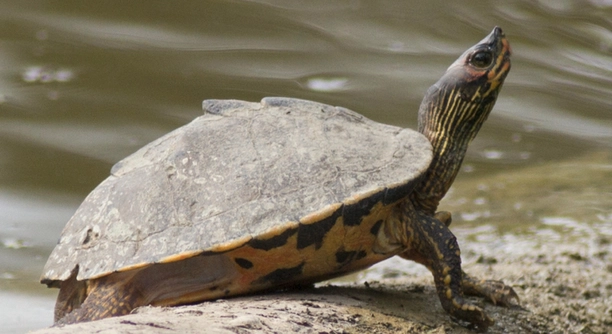
If you have an Indian Roofed Tortoise, you might occasionally worry about their health. One concern could be if they’ve hurt their claws.
Paragraph 2:
A broken claw in an Indian Roofed Tortoise can usually be identified by signs of bleeding, limping, or discomfort when walking. The break may also appear as a cracked or split claw. Immediate care should be provided.
Paragraph 3:
Knowing how to identify a broken claw early will help ensure your tortoise gets the care it needs. Understanding the symptoms can lead to a faster recovery.
Signs of a Broken Claw in an Indian Roofed Tortoise
A broken claw can be concerning for your Indian Roofed Tortoise. When it occurs, the first thing you’ll notice is a change in their behavior. They may limp, avoid walking, or seem more cautious than usual. In some cases, you might even see blood around the injured claw. The break itself can vary in severity, from a small crack to a completely broken piece of the claw. If your tortoise refuses to move much or keeps its paw elevated, these are signs that it’s in discomfort. These behaviors will help you spot the injury early and prevent further complications. Keep an eye on your pet’s mobility and general activity level. If your tortoise has been especially sluggish or unwilling to move, it’s a red flag that something is wrong with its claws.
It’s crucial to inspect the claws regularly to prevent injuries or address them quickly when they happen. This can help maintain their comfort and mobility.
A clean, dry environment can also lower the chance of infections. If a claw is damaged, bacteria can enter, making the injury more serious. Always watch for signs of swelling or infection, such as redness or discharge. This requires immediate care. If you notice these symptoms, it’s time to act.
Treatment Options for a Broken Claw
If you suspect that your tortoise has a broken claw, it’s important to clean the area carefully. Rinse the wound with clean water to prevent infection. You may need to gently trim any jagged edges, but be cautious not to hurt your tortoise further. It’s best to avoid using harsh chemicals on the injury, as this can cause irritation. After cleaning, apply a mild antiseptic and bandage the claw if necessary. Keep the bandage on for a few days to protect the area. If the injury seems severe, consult with a veterinarian to ensure proper care.
In most cases, the injury will heal naturally if given proper attention. However, if there are any signs of complications, such as pus or extreme swelling, it’s essential to seek veterinary help. Keeping your tortoise in a clean, dry environment will help the healing process. Avoid letting it walk on rough surfaces or gravel until it’s fully recovered.
Preventing Broken Claws in an Indian Roofed Tortoise
To reduce the risk of broken claws, provide a safe and comfortable environment. Avoid sharp or hard surfaces that could damage the tortoise’s claws. Regularly inspect the habitat for any potential hazards, such as rough rocks or metal objects. Ensuring that the living space is smooth and free of sharp edges will help minimize injuries.
In addition, make sure your tortoise gets the right amount of exercise. A proper balance between active playtime and rest is crucial. This helps maintain strong and healthy claws, preventing breakage from overexertion. Avoid sudden changes in the tortoise’s routine or environment that might cause stress, which could also increase the risk of accidents. Regularly check their claws for early signs of wear and tear so you can act promptly.
Lastly, provide a diet that supports overall health, as strong bones and claws depend on proper nutrition. Calcium-rich foods like leafy greens and occasional supplementation can keep their claws strong and less prone to breaking.
What to Do if a Claw Becomes Infected
If you notice signs of infection, such as swelling or pus, immediate action is needed. Start by cleaning the wound gently with clean water, then apply a mild antiseptic. Be sure to monitor the injury for any changes, and do not allow your tortoise to walk on rough surfaces during the healing process. Keep the injured area covered with a soft bandage to prevent further contamination.
If the infection persists or worsens, you must consult a veterinarian. They may recommend stronger treatments or medications to address the infection. In some cases, the infected area may need to be drained or treated with antibiotics. It’s crucial to address an infection quickly to prevent more serious complications, such as septicemia.
You should always check for signs of infection, even if the injury seems minor. Early intervention is key to preventing more severe problems. Regular care and monitoring will help your tortoise heal faster and reduce the risk of permanent damage.
Claw Care and Maintenance
Regularly trimming your tortoise’s claws can prevent them from becoming too long or sharp, which could lead to injury. Make sure to use proper tools, like small animal nail clippers, and avoid cutting too close to the quick to prevent bleeding.
Check the claws for any abnormalities after each trimming session. If you notice signs of cracks, chips, or excessive wear, take action quickly. Healthy claws should be smooth with no cracks or swelling. By keeping up with claw care, you help prevent any serious problems from developing.
When to Seek Veterinary Help
If your tortoise’s claw injury doesn’t seem to heal after a few days or appears to be getting worse, it’s time to consult a vet. A professional will offer proper treatment and guidance for recovery. Avoid self-diagnosing serious injuries.
Tortoises are not great at showing pain, so if their behavior changes drastically or if they stop eating, it’s a good idea to see a veterinarian. Any signs of long-term discomfort, such as limping or swelling, need medical attention. A vet can assess the damage and recommend the best course of action for healing.
Post-Injury Care
After treating the broken claw, ensure your tortoise has a quiet, comfortable place to rest. Avoid stressing the injured tortoise with handling or forcing it to walk. Keep it away from other pets or rough surfaces that might irritate the injury. Let the claw heal naturally.
FAQ
How can I tell if my tortoise’s claw is broken?
The most noticeable signs of a broken claw are bleeding, limping, or avoiding walking. You might also see cracks or splits in the claw itself. If the tortoise is favoring one leg or seems to be in pain, it’s a clear indication that something is wrong with the claw. Additionally, look for swelling or discoloration around the injured area. If the tortoise shows discomfort when touched or refuses to move, it could be a sign of a serious injury.
Should I trim my tortoise’s claws regularly?
Yes, regular claw trimming is important for keeping your tortoise’s claws in good condition. Overgrown claws can cause discomfort, affect mobility, and even break if they get too long or sharp. Depending on the species, your tortoise may need a trim every few months. Always be gentle when trimming and avoid cutting too close to the quick to prevent bleeding.
What should I do if I notice an infection in the claw?
If you notice signs of infection, such as redness, swelling, or discharge, clean the wound gently with clean water and apply a mild antiseptic. Make sure the area is dry and covered to prevent bacteria from entering. If the infection does not improve after a few days or gets worse, consult a veterinarian. They may need to prescribe antibiotics or recommend additional treatments.
Can a broken claw heal on its own?
Yes, in many cases, a broken claw can heal on its own, but it’s important to monitor the injury. Keep the injured claw clean and dry, and avoid letting the tortoise walk on rough surfaces that could aggravate the injury. If the break is severe or shows no signs of improvement, a vet may need to step in to ensure proper healing.
How do I prevent my tortoise from injuring its claws?
To prevent injuries, make sure your tortoise’s living environment is safe. Remove sharp objects from its enclosure and ensure it has a smooth, soft surface to walk on. Providing the right habitat, with plenty of space and secure areas to explore, can help keep your tortoise active without the risk of injury. Regular checks on your tortoise’s claws will also help spot any potential problems early.
Can I use bandages on my tortoise’s claw?
Yes, you can use bandages to protect a broken or injured claw, but it’s important to use them carefully. The bandage should be soft and not too tight, as it can cause further discomfort or restrict blood flow. Make sure to change the bandage regularly and check for signs of infection. If you’re unsure how to bandage the claw correctly, consult a veterinarian for advice.
How long will it take for a broken claw to heal?
Healing time depends on the severity of the break and the care provided. Minor breaks may take a few weeks to heal, while more severe injuries could take longer. During this time, ensure the tortoise has a calm and safe environment to recover. Keep it away from other animals or potential hazards that might worsen the injury. If there is no improvement after a few weeks, consider seeking veterinary advice.
Are there any special foods that help with claw health?
A balanced diet rich in calcium and vitamins is essential for strong, healthy claws. Offer your tortoise dark leafy greens such as kale, dandelion greens, and collard greens. You can also provide calcium supplements to ensure bone and claw strength. Always make sure the tortoise’s diet is varied, as proper nutrition helps prevent issues like soft claws or fractures.
How can I tell if the claw is healing properly?
A healthy healing process will show signs of improvement within a few days. The swelling should reduce, and any bleeding or discharge should stop. If the tortoise is moving around more and seems to be using the injured leg again, this is a good sign. However, if the injury looks worse or the tortoise still seems in pain, it may need additional medical attention.
Can stress cause my tortoise to hurt its claws?
Yes, stress can affect a tortoise’s behavior and lead to injuries. Stress may cause a tortoise to become more prone to accidents, such as slipping or trying to escape. Stressors can include changes in the environment, loud noises, or overcrowding. Keeping your tortoise in a calm, stable environment will reduce the risk of injury. Make sure it has a quiet place to retreat and doesn’t feel threatened by sudden changes.
What should I do if my tortoise has a chipped claw?
A chipped claw is usually less serious than a full break, but it still needs attention. Gently trim any sharp edges to prevent it from catching on surfaces. Clean the area and monitor it for any signs of infection. If the tortoise seems to be in pain or if the chip doesn’t improve, seek advice from a veterinarian.
Final Thoughts
Taking care of an Indian Roofed Tortoise’s claws is essential to its overall health. A broken or injured claw can cause discomfort and even lead to further complications if not properly treated. Early detection and treatment are key to preventing the injury from worsening. Regular checks on your tortoise’s claws can help spot problems before they become serious. If you notice any signs of injury, whether it’s a limp, bleeding, or discomfort, it’s important to act quickly and provide care. A clean environment, along with the right diet, can help maintain healthy claws and avoid injuries in the first place.
Although a broken claw may seem like a small issue, it can affect your tortoise’s ability to move and be active. If the injury is severe or shows no sign of improvement, don’t hesitate to seek professional help from a veterinarian. They can provide the proper treatment and guidance to ensure your tortoise heals quickly and fully. Even though your tortoise may try to hide signs of pain or discomfort, it’s your responsibility to watch for any changes in behavior or physical condition. By keeping an eye on your pet’s health, you can avoid major issues and provide the best care possible.
By understanding the signs of broken claws and how to treat them, you can help your Indian Roofed Tortoise lead a comfortable and healthy life. Whether it’s preventing injuries, providing the right care after an injury, or ensuring a clean environment, all these factors play a part in your tortoise’s well-being. Remember that your tortoise relies on you for its health and comfort. Taking the time to address issues like broken claws can make a significant difference in its overall quality of life. Regular care, patience, and knowledge are your best tools in keeping your tortoise happy and healthy.

Hello,
If you enjoy the content that we create, please consider saying a "Thank You!" by leaving a tip.
Every little bit helps us continue crafting quality advice that supports the health, happiness, and well-being of pets around the world, for pets of all shapes, sizes, and species.
We really appreciate the kindness and support that you show us!