
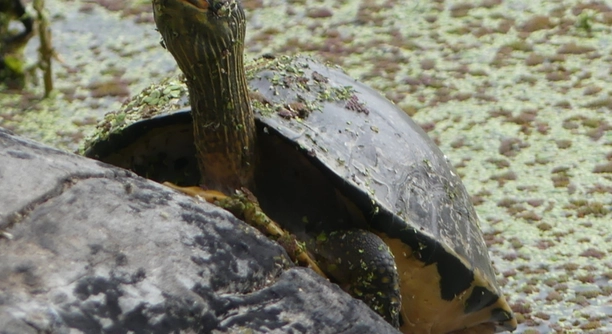
Setting up the perfect tank for your Indian Roofed Tortoise can make all the difference in their health and happiness. Proper care starts with creating a suitable environment for them to thrive in.
The best tank setup for Indian Roofed Tortoises includes a spacious enclosure with proper heating, humidity, lighting, and substrates. Providing hiding spaces and appropriate plants also helps in mimicking their natural habitat for their overall well-being.
Creating the right setup can seem overwhelming, but with the right knowledge, your tortoise will enjoy a comfortable home.
Choosing the Right Tank Size for Your Indian Roofed Tortoise
When setting up a tank for your Indian Roofed Tortoise, size matters. A larger tank provides ample space for movement, which is essential for their well-being. A minimum of 40 gallons is recommended for a single tortoise, but more space is always better. It’s important to give them room to roam, dig, and explore, as these activities are vital for their physical and mental health.
While a small tank might seem sufficient at first, as your tortoise grows, it will need more space. A cramped environment can lead to stress and health issues. Therefore, make sure the tank size is adjusted to accommodate their size and growth over time.
You want to create an environment where your tortoise feels comfortable and has room to stretch out. Avoid keeping them in small, overcrowded enclosures. By offering a spacious area, you help them live a happier and healthier life.
Maintaining Proper Temperature and Humidity
Proper temperature and humidity are essential for the health of your tortoise. The tank should have a warm area with temperatures ranging from 85°F to 90°F. A cooler area of around 75°F should also be provided.
Maintaining the correct humidity levels (50% to 70%) is key for their skin health and digestion. You can achieve this by misting the enclosure daily or using a humidifier. These adjustments help your tortoise feel comfortable and prevent respiratory issues.
A basking area with a heat lamp is necessary for your tortoise to regulate its body temperature. The heat source should be positioned in one corner of the tank, providing a gradient of temperatures so your tortoise can choose where to be. Keep an eye on these elements to ensure they stay consistent for optimal comfort.
Choosing the Right Substrate for the Tank
Choosing the right substrate is important for your tortoise’s comfort and health. Avoid using sand or gravel, as they can cause digestion problems if ingested. Instead, opt for materials like coconut coir, soil, or a combination of both, which provide a natural environment.
The substrate should be deep enough for your tortoise to burrow or dig, as they enjoy this behavior. Make sure it is also easy to clean, as the tank will need regular maintenance. Wetting the substrate lightly can help maintain the right humidity levels. Be mindful to change it out periodically to prevent any buildup of waste or bacteria.
If you want to add a natural touch to the tank, incorporating plants like grasses and succulents can be great. Just make sure they are non-toxic to your tortoise. The substrate plays a major role in your tortoise’s daily life, so get it right from the start to keep them happy and healthy.
Providing Hiding Spaces and Enrichment
Tortoises need hiding spots to feel secure. Providing small shelters or areas for them to retreat to can help reduce stress and anxiety. These can be simple structures like wooden boxes or even logs. They prefer dark, enclosed spaces that mimic natural shelters.
In addition to hiding spots, adding some environmental enrichment can keep your tortoise active and mentally stimulated. Things like safe climbing objects, branches, and flat stones can encourage exercise. Be mindful of the tank’s layout, offering both quiet, dark spaces and open areas for them to explore.
You can also add some edible plants to encourage foraging behaviors. Indian Roofed Tortoises naturally search for food, so placing leafy greens or flowers within the tank gives them something to do. This not only stimulates their mind but also supports their natural instincts, helping to keep them happy.
Lighting for Your Indian Roofed Tortoise
Proper lighting is crucial for your tortoise’s health. Provide both UVB and UVA lighting to mimic natural sunlight. A UVB light helps with vitamin D3 synthesis, which is necessary for calcium absorption.
Ensure the UVB light covers a sufficient area and is positioned about 12-18 inches above the tank. Replace the bulb every 6-12 months, as it loses effectiveness over time. Additionally, offer a day-night cycle by turning the lights off at night, which helps regulate your tortoise’s natural rhythms.
Providing proper lighting will not only help your tortoise thrive physically but also improve their overall quality of life.
Tank Maintenance and Cleaning
Maintaining a clean tank is vital for preventing bacterial growth and keeping your tortoise healthy. Remove uneaten food daily and spot clean waste as often as possible. Every couple of weeks, you should do a deep clean by changing the substrate and cleaning all surfaces thoroughly.
Ensure that the temperature, humidity, and lighting are checked regularly to keep the tank environment stable. Cleaning the tank often will also prevent odors from building up, making it a more pleasant environment for both you and your tortoise.
Food and Water Availability
Always provide fresh water for your tortoise. It’s important to have a shallow water dish that is easy for them to access but not too deep to avoid drowning. Keep the water clean by changing it daily.
In addition to water, your tortoise needs a balanced diet. Fresh leafy greens, such as dandelion, collard greens, and mustard greens, are great staples. You can also offer edible flowers, fruits in moderation, and safe vegetables to supplement their diet.
FAQ
How often should I feed my Indian Roofed Tortoise?
Feed your tortoise daily, but adjust the portions based on their age and size. Juveniles may need more frequent feedings, while adults can typically be fed once a day. Make sure to provide a variety of leafy greens and some vegetables. Offering fresh, safe food daily ensures your tortoise receives the proper nutrients to stay healthy.
What temperature should the tank be for my tortoise?
The tank should have a temperature gradient, with a basking area around 90°F and a cooler end around 75°F. The variation allows your tortoise to regulate its body temperature by moving between the warmer and cooler areas. At night, the temperature can drop to around 70°F to 75°F, which is acceptable for them.
How much space does my tortoise need?
Your Indian Roofed Tortoise needs at least a 40-gallon tank, but bigger is always better. As they grow, you should aim for a larger enclosure that gives them plenty of space to roam, dig, and explore. A spacious tank helps them maintain physical health and reduces stress.
Can I keep multiple tortoises together in the same tank?
It’s not ideal to house multiple tortoises in the same enclosure unless it’s large enough to provide each one with their own space. Tortoises are solitary creatures, and having multiple in one tank can lead to territorial behavior, which might result in stress or fighting. If you do decide to house them together, ensure there’s plenty of space and hiding spots for each.
What kind of substrate should I use for my tortoise’s tank?
A natural substrate like coconut coir or a mix of soil is ideal for your Indian Roofed Tortoise. Avoid using sand or gravel, as they can cause problems if ingested. The substrate should be deep enough for burrowing and should maintain humidity to keep your tortoise comfortable.
Do I need to provide a basking light?
Yes, your tortoise needs a basking light for proper temperature regulation and overall health. The light should provide heat and UVA/UVB rays, simulating natural sunlight. It’s essential for vitamin D3 production, which helps with calcium absorption. Make sure to replace the bulb regularly, as its effectiveness can decline over time.
How often should I clean the tank?
Spot clean your tortoise’s tank daily by removing any uneaten food and waste. A deep clean should be done every 2-4 weeks, where you change the substrate, scrub the walls, and sanitize the water dish. Regular cleaning helps prevent the buildup of harmful bacteria and keeps your tortoise’s environment healthy.
Can I let my tortoise roam outside?
Yes, you can allow your tortoise to roam outside, provided it is safe. Make sure the area is secure and free from predators. The outdoor space should also have access to sunlight so they can bask, but ensure there are shaded areas to escape to. Always supervise outdoor time to ensure your tortoise’s safety.
What kind of plants can I put in my tortoise’s tank?
You can add non-toxic plants like grasses, dandelions, and succulents to your tortoise’s tank. These plants can provide enrichment by giving your tortoise something to forage and nibble on. Make sure to avoid any toxic plants, as they could cause harm. You can also use live plants to help maintain humidity levels in the tank.
What should I do if my tortoise isn’t eating?
If your tortoise isn’t eating, check its environment for any issues. Make sure the temperature, humidity, and lighting are at the proper levels. Stress, illness, or an improper setup can lead to a lack of appetite. If the problem persists, consider consulting a veterinarian experienced with reptiles.
How can I tell if my tortoise is healthy?
A healthy tortoise will have bright eyes, smooth and firm skin, and a strong, solid shell. They should be active and responsive, especially during feeding times. A healthy appetite and normal, consistent waste are signs of good health. If you notice lethargy, weight loss, or changes in behavior, it’s important to consult a vet.
Do Indian Roofed Tortoises need humidity?
Yes, maintaining the right humidity is crucial for your tortoise’s health. Aim for humidity levels between 50-70% in the tank. You can achieve this by misting the tank or using a humidifier. Proper humidity helps with digestion and skin health, and it can prevent respiratory problems.
Can I use a glass tank for my tortoise?
Yes, a glass tank is a suitable choice for an Indian Roofed Tortoise, but it’s essential to ensure the enclosure is large enough for them to move freely. Glass tanks are easy to maintain and provide a clear view of your tortoise, but they might need ventilation to prevent humidity from becoming too high.
What should I do if my tortoise is being overly aggressive?
If your tortoise seems aggressive, it may be due to stress, territorial behavior, or environmental issues. Check the tank setup, ensuring there are no overcrowded spaces or inadequate hiding spots. Reducing stressors and providing a proper environment can help calm your tortoise. If aggression continues, it’s a good idea to consult a vet or reptile expert for advice.
Final Thoughts
Setting up a suitable environment for your Indian Roofed Tortoise is essential for their health and well-being. While it may take some time and effort to ensure the right temperature, humidity, lighting, and space, the reward is a happy and healthy tortoise. The more effort you put into creating a comfortable habitat, the more your tortoise will thrive. It’s important to remember that these creatures can live a long time, sometimes up to 50 years, so ensuring they have a good home is a long-term commitment.
Providing your tortoise with proper care means paying attention to small details, like the substrate, the amount of food, and how often you clean their tank. These steps are essential to prevent health issues and keep your tortoise active. The right setup helps create a natural and enriching environment, which will benefit both you and your tortoise. Giving your pet a safe and clean space to roam helps ensure they live a full, healthy life.
Remember, every tortoise is unique, and their needs may change over time. What works for one tortoise may not be ideal for another, so don’t hesitate to adjust their tank setup as needed. Be observant, and don’t be afraid to seek advice if you have questions or concerns. By following these basic guidelines and maintaining a consistent routine, you’ll be providing a loving home for your Indian Roofed Tortoise.

Hello,
If you enjoy the content that we create, please consider saying a "Thank You!" by leaving a tip.
Every little bit helps us continue crafting quality advice that supports the health, happiness, and well-being of pets around the world, for pets of all shapes, sizes, and species.
We really appreciate the kindness and support that you show us!