
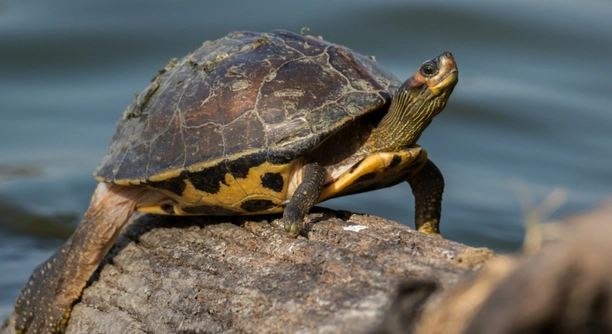
Taking care of an Indian Roofed Tortoise involves more than just providing food and shelter. Like any pet, they can face health issues, some of which are preventable. Understanding these problems is the first step in ensuring their well-being.
Several factors, including poor diet, improper habitat, lack of sunlight, stress, or parasitic infections, can cause your Indian Roofed Tortoise to fall ill. Identifying these issues early can prevent serious health problems and ensure your pet thrives.
By understanding these factors, you can take proactive steps to maintain your tortoise’s health. With the right knowledge, you can avoid common pitfalls and create a healthier environment for your pet.
1. Poor Diet Can Lead to Health Issues
A well-balanced diet is crucial for your Indian Roofed Tortoise’s health. Without the right nutrients, your pet can suffer from various issues like poor growth, shell deformities, or digestive problems. A diet too high in protein or too low in fiber can harm their digestive system and overall health. You must offer a variety of leafy greens, vegetables, and occasional fruits. Tortoises are herbivores, and their diet should reflect that. Feeding them the wrong food can lead to long-term issues.
While it’s tempting to give your tortoise treats, moderation is key. Too much fruit can lead to obesity or calcium imbalance. Calcium is essential for shell growth, so always ensure your tortoise gets the proper amount.
A consistent diet plan with proper vitamins and minerals ensures your tortoise stays healthy and strong. Avoid feeding them processed foods or items that may not align with their natural diet. Keeping your tortoise well-fed will help prevent many health concerns down the road.
2. Incorrect Habitat Conditions
The habitat you create for your Indian Roofed Tortoise directly impacts its well-being.
Your tortoise needs a warm and humid environment to feel comfortable and healthy. This includes a basking area, UVB lighting, and appropriate substrate for burrowing. Too low or too high humidity can cause dehydration or respiratory issues. The proper temperature gradient in their enclosure is important for digestion and overall health.
A comfortable habitat promotes a tortoise’s ability to digest food and stay active. It’s crucial that you provide a spacious, safe, and clean environment for them to roam. Make sure there are no sharp objects that can cause injury or places where they might get stuck. Regularly clean their living space to avoid bacteria build-up or fungal infections.
3. Lack of Sunlight
Tortoises need sunlight to produce Vitamin D3, which helps them absorb calcium. Without enough sunlight or proper UVB lighting, they may develop metabolic bone disease, weak shells, and other health problems. It’s essential to provide your tortoise with access to natural sunlight or UVB bulbs for several hours each day.
Without UVB exposure, your tortoise can’t properly process calcium, which can lead to deformities and fragile bones. Ensure your tortoise gets access to UVB light for about 10-12 hours a day. If natural sunlight is not an option, UVB bulbs are an effective alternative but need to be replaced regularly to maintain their strength.
Not enough sunlight will weaken your tortoise’s immune system and overall health. Always monitor your tortoise’s environment to make sure they’re getting the right balance of light. A well-lit habitat supports their natural behaviors, boosting both their physical and mental health.
4. Stress and Overhandling
Tortoises can get stressed from changes in their environment, handling, or even loud noises. Prolonged stress can lead to health issues like loss of appetite, weakened immune systems, and other signs of illness. It’s important to minimize stress to help your tortoise thrive.
Handling your tortoise too much or placing them in a busy area can lead to anxiety. If they’re not used to being handled, they may feel threatened and avoid eating or exploring. Give them time to adjust to their habitat, and try to keep disturbances to a minimum.
Stress can also be triggered by improper socialization, where a tortoise is kept with another animal that makes them feel unsafe. Allow your tortoise to feel secure in their environment and avoid unnecessary handling. The more relaxed they feel, the healthier they’ll be.
5. Poor Hygiene and Dirty Habitat
A dirty living space can lead to infections and illness in your tortoise. Bacteria and fungi can grow in wet conditions, causing respiratory and skin infections. Regular cleaning of the enclosure is essential to prevent these problems.
To keep your tortoise healthy, spot clean their habitat daily and do a deep clean once a week. Remove any uneaten food, waste, and damp substrate. Clean the water dish regularly to ensure it’s free from bacteria. A clean environment prevents unnecessary health issues and keeps your tortoise comfortable.
6. Parasitic Infections
Parasites are a common issue for tortoises. They can cause weight loss, poor appetite, and lethargy. Regular check-ups and deworming are important to keep your tortoise healthy.
If you notice any unusual behavior, such as excessive sleeping or changes in eating habits, consider consulting a vet for a fecal test. Identifying parasites early can prevent long-term health problems. Keep an eye on your tortoise’s overall behavior to spot any signs of illness.
7. Overfeeding and Obesity
Feeding your tortoise too much food, especially fruits, can lead to obesity. Obesity causes many health issues, including shell deformities and heart problems. Make sure you feed your tortoise in moderation.
A healthy tortoise needs a balanced diet with enough fiber and low amounts of fats. Avoid feeding them too many fatty or sugary foods. Obesity is a serious issue that can shorten your tortoise’s lifespan, so it’s important to maintain a proper feeding schedule. Overfeeding can seem harmless, but it can have long-term consequences.
FAQ
What temperature is best for an Indian Roofed Tortoise’s habitat?
Indian Roofed Tortoises need a temperature gradient in their enclosure. The basking area should be around 90°F (32°C), while the cooler side of the habitat should range from 75-80°F (24-27°C). At night, temperatures can drop to 70°F (21°C), but never below 65°F (18°C). Maintaining this gradient allows your tortoise to regulate its body temperature by moving between areas. Heat is essential for digestion, and your tortoise will also need access to UVB lighting for around 10-12 hours daily. Proper heating helps avoid respiratory issues and supports overall health.
How often should I feed my Indian Roofed Tortoise?
An adult Indian Roofed Tortoise should be fed every other day. Their diet should primarily consist of leafy greens, grasses, and some vegetables, with occasional fruits. Juveniles may need to be fed daily to ensure they grow properly. It’s important to avoid overfeeding, as this can lead to obesity and related health issues. Always remove any uneaten food to prevent it from rotting and affecting their living space. In addition, ensure your tortoise has access to fresh water at all times to stay hydrated.
Can I handle my Indian Roofed Tortoise every day?
Handling should be kept to a minimum, especially if your tortoise isn’t used to it. Overhandling can cause stress, leading to health problems like loss of appetite or lethargy. It’s best to allow your tortoise time to adjust to their environment first. When you do handle them, make sure it’s calm and gentle. Place them back in their habitat after a short period to avoid stressing them out. A relaxed and secure tortoise is a healthier tortoise, so always prioritize their comfort over regular handling.
How can I tell if my Indian Roofed Tortoise is sick?
Signs of illness in your tortoise include loss of appetite, lethargy, watery or swollen eyes, nasal discharge, or a soft or deformed shell. You might also notice behavioral changes, like excessive hiding or difficulty moving. If your tortoise is not eating or drinking, it’s a clear sign that something is wrong. Any unusual symptoms should prompt an immediate visit to a vet familiar with reptiles. Catching health problems early can make treatment easier and more effective. Regular check-ups can help keep your tortoise in top condition.
How much UVB light does my Indian Roofed Tortoise need?
Your tortoise needs UVB lighting for around 10-12 hours each day to ensure it produces enough Vitamin D3 for calcium absorption. This light helps prevent metabolic bone disease and supports their shell development. Make sure the UVB bulb is placed close enough to your tortoise to be effective but not so close that it could cause burns. Replace the UVB bulb every 6-12 months, even if it still lights up, as its UVB output weakens over time. If possible, allow your tortoise to get some natural sunlight a few times a week.
Can I keep more than one Indian Roofed Tortoise together?
Indian Roofed Tortoises are typically solitary creatures and can become territorial. While it’s possible to keep more than one in the same enclosure, it’s crucial to ensure they have enough space. If they feel crowded or stressed, they may fight or become ill. Male tortoises are particularly territorial, and there’s a risk of aggression. If you decide to house multiple tortoises together, monitor their behavior closely and provide separate spaces within the enclosure to avoid conflicts. If fighting or stress occurs, it’s best to separate them.
Is it necessary to give my tortoise a bath?
Occasionally giving your tortoise a bath is a good way to keep them clean and hydrated. Fill a shallow container with lukewarm water and let them soak for 15-20 minutes. This helps with hydration and can encourage them to drink. Be sure to never use hot water, as it can cause burns. A bath also gives you the chance to check for signs of infection or parasites. Don’t force your tortoise into the water; let them enter at their own pace. Only bathe them a few times a week, as too many baths can stress them out.
What type of substrate should I use in my tortoise’s enclosure?
The best substrate for an Indian Roofed Tortoise’s enclosure is a mixture of organic soil, coconut coir, and sand. This provides a natural feel and allows them to burrow. Avoid using any toxic materials or sharp substrates that can injure your tortoise. The substrate should be kept dry, but some moisture is necessary for humidity. Always spot clean the substrate daily and replace it completely every few months to prevent bacteria build-up. The right substrate helps keep the enclosure clean and promotes healthy behaviors like digging and exploring.
Can I feed my tortoise fruits every day?
Fruits should be given in moderation to your Indian Roofed Tortoise. While they may enjoy the sweet taste, too much fruit can lead to obesity and imbalanced nutrition. Fruits like strawberries, apples, and melons are fine occasionally, but they should only make up a small part of their diet. A tortoise’s primary food should be leafy greens, grasses, and some vegetables. Too much sugar or fat from fruits can negatively affect their digestion and overall health. Limit fruits to a few times a week and balance them with other more nutritious foods.
How do I ensure my tortoise stays hydrated?
Indian Roofed Tortoises need access to fresh, clean water at all times. Provide a shallow water dish large enough for them to drink from, and make sure it’s changed regularly. Soaking them in warm water a few times a week also helps them stay hydrated. Watch for signs of dehydration like dry skin or lethargy. If your tortoise isn’t drinking from the water dish, try gently offering water through a syringe or spraying their enclosure to increase humidity. Ensuring proper hydration helps prevent kidney problems and supports healthy digestion.
Final Thoughts
Taking care of an Indian Roofed Tortoise involves paying attention to many details. From their diet to their habitat, each aspect plays a vital role in their overall health and happiness. These tortoises are relatively low-maintenance pets but require consistent care and proper environment settings. Keeping them in a space that meets their needs, like the right temperature and humidity levels, helps avoid many common health issues. Regularly providing them with the correct food and ensuring they get enough UVB light is also essential for their well-being.
It’s important to monitor your tortoise’s behavior and look out for signs of illness, such as changes in eating habits or unusual lethargy. Early detection of health problems can make a significant difference in treatment. If you’re unsure, always consult with a vet who specializes in reptiles. Your tortoise may not be able to tell you when something’s wrong, but observing their patterns and behavior will help you spot issues before they become serious.
Lastly, while the care of an Indian Roofed Tortoise might seem challenging at times, it is rewarding. Watching your tortoise thrive in a well-maintained environment, grow healthy, and be active brings great satisfaction. Whether it’s adjusting their diet, changing the layout of their habitat, or simply ensuring they’re comfortable, these small efforts add up to a happier, healthier pet. Patience and attention to detail are key when caring for any reptile, and with the right approach, your Indian Roofed Tortoise can live a long, healthy life.

Hello,
If you enjoy the content that we create, please consider saying a "Thank You!" by leaving a tip.
Every little bit helps us continue crafting quality advice that supports the health, happiness, and well-being of pets around the world, for pets of all shapes, sizes, and species.
We really appreciate the kindness and support that you show us!