
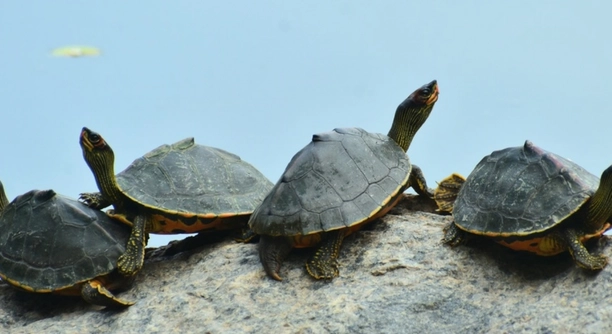
Sometimes, when interacting with your Indian Roofed Tortoise, you may notice that it frequently bites you. This behavior can be confusing and even painful. Understanding why it happens can help you address the issue.
The main reason your Indian Roofed Tortoise bites you is due to its natural instincts, including territorial behavior, stress, or seeking attention. It’s important to recognize these causes and take steps to prevent the biting.
By understanding your tortoise’s behavior and needs, you can foster a more positive relationship. Let’s explore how to stop this biting and ensure a better bond with your pet.
Understanding Why Your Tortoise Bites
Indian Roofed Tortoises, like many reptiles, can bite for various reasons. One common cause is territorial behavior. Tortoises are naturally protective of their space, and if they feel threatened, they might resort to biting. Another factor is stress. Changes in their environment, such as new surroundings or loud noises, can make them anxious, leading to defensive actions like biting. Additionally, some tortoises bite out of curiosity or to show dominance. In some cases, they might even mistake your hand for food. It’s essential to recognize these triggers so you can handle your tortoise more effectively.
Understanding these natural instincts can help you make the right adjustments. By keeping their habitat consistent and recognizing when they feel threatened, you can reduce unwanted biting.
Tortoises need a sense of security and comfort to thrive. If they feel safe, they are less likely to bite. Identifying signs of stress and creating a peaceful environment can help eliminate many biting behaviors.
How to Prevent Biting Behavior
It’s crucial to approach your tortoise calmly. If your tortoise bites, avoid quick movements or loud reactions, as they might think you’re a threat. Instead, try using a gentle tone to soothe them. When handling your tortoise, always move slowly and keep your hand at their level to prevent startling them. Over time, your tortoise will start to recognize that you mean no harm.
The right habitat setup can also play a significant role in reducing biting. Make sure your tortoise has enough space to move around and hide when it feels stressed. If they have access to hiding spots, they are more likely to feel secure and less inclined to bite. Additionally, keeping their enclosure at the right temperature and humidity level is key to maintaining their overall health, which can reduce irritability and biting.
By paying attention to the small things, like their comfort and how you interact with them, you can minimize biting and form a better relationship. It’s about making your tortoise feel safe, respected, and understood.
Handling Your Tortoise to Avoid Bites
The way you handle your tortoise plays a big role in preventing biting. Always approach them gently and avoid sudden movements. If you respect their space, they are more likely to feel safe.
When you pick up your tortoise, make sure to support its body properly. Never grab them by the shell or force them into your hands. Instead, gently lift them from both sides, ensuring their feet are supported. If your tortoise feels secure, it will be less likely to bite. Allow them time to adjust to your presence before interacting with them.
It’s also essential to handle them regularly to get them used to human contact. However, don’t overdo it, as this might lead to stress. Aim for short, calm interactions to build trust without overwhelming them. As your tortoise gets accustomed to you, they may stop seeing your hand as a threat and become less prone to biting.
Creating a Stress-Free Environment
A stress-free environment can help your tortoise feel more at ease. Ensure they have a spacious and clean habitat. A small or dirty enclosure can contribute to frustration and defensive behavior.
Temperature is also important. Tortoises are cold-blooded, so if their environment is too hot or too cold, they will feel uncomfortable. Make sure to maintain a balanced temperature, with a warm basking area and cooler areas for retreat. Proper lighting is also crucial for their well-being. Without enough UV light, tortoises can become stressed and unhealthy, leading to behavioral issues like biting. Providing a steady, calming environment reduces stress and promotes a more peaceful, bite-free tortoise.
Recognizing Your Tortoise’s Body Language
Your tortoise’s body language can tell you a lot about how it’s feeling. Pay attention to their posture and behavior to understand their mood. If they seem defensive or agitated, it’s best to give them space.
Tortoises often retreat into their shells when they feel threatened or stressed. If your tortoise pulls into its shell or moves quickly away from you, it’s a sign that they’re not comfortable. Avoid interacting at these times, as it may cause further stress and increase the chances of biting.
The Role of Diet in Biting Behavior
What your tortoise eats can also affect its behavior. A well-balanced diet helps maintain its health and reduces irritability. If your tortoise isn’t getting enough nutrition, it could lead to stress, which may result in biting.
Providing a proper diet, including a mix of vegetables, leafy greens, and occasional protein, supports your tortoise’s overall well-being. Ensure fresh food is available daily and avoid overfeeding. A satisfied, healthy tortoise is more likely to be calm and less prone to biting.
FAQ
Why does my Indian Roofed Tortoise bite me?
Biting can occur for several reasons. Tortoises are naturally territorial animals, and they might see you as a threat to their space. Stress and anxiety are also common triggers for biting. If the tortoise is in an unfamiliar environment or feeling insecure, it may resort to biting as a defense mechanism. Additionally, they may bite out of curiosity, as tortoises sometimes nibble at objects they encounter. It’s important to pay attention to their surroundings and behavior to identify the root cause.
How can I tell if my tortoise is stressed?
Stressed tortoises often display certain behaviors, such as rapid movement or excessive hiding. If they pull into their shells frequently, that’s a clear sign they feel threatened. They may also stop eating or drinking, become less active, or show aggressive behavior like biting. Keep an eye on changes in their eating habits or activity levels, as these can indicate stress. Providing a quiet, secure space for your tortoise and ensuring its habitat is properly maintained will help reduce stress.
Is my tortoise biting because it’s hungry?
While it’s possible for your tortoise to bite because it’s hungry or curious about food, this is not the most common reason for biting. Tortoises can sometimes mistake your hand for food, especially if they associate you with feeding time. However, if your tortoise is consistently biting during feeding, it could be an indication that they are too eager for food or simply trying to interact with you. Make sure they are fed regularly and properly, and avoid giving them too many treats that might make them overly excited.
How do I stop my tortoise from biting me?
To stop biting, it’s important to approach your tortoise calmly and avoid sudden movements. If it bites, don’t react aggressively, as this may make it more anxious. Instead, allow it to calm down and remove your hand slowly. Handling your tortoise gently and consistently will help build trust. Also, ensure your tortoise’s environment is stress-free. If it feels secure, it’s less likely to bite. Gradually, your tortoise will learn that you’re not a threat and will be less prone to biting.
Can stress cause my tortoise to bite more often?
Yes, stress is one of the main reasons a tortoise will bite. When a tortoise feels threatened, either by its environment or by handling, it may bite as a defensive response. This is especially true if the tortoise is not accustomed to human interaction. Reducing stress in their environment—such as keeping their habitat quiet and making sure they have plenty of space—can help minimize biting. Consistent and gentle handling will also make your tortoise feel more secure and less likely to bite.
What should I do if my tortoise bites me?
If your tortoise bites, it’s important to remain calm. Avoid jerking your hand away or yelling, as this could startle your tortoise and worsen the situation. Instead, slowly remove your hand and give the tortoise space to settle. Check for any signs of stress in its environment, such as overcrowding or temperature fluctuations, and adjust accordingly. Be sure to handle your tortoise gently and consistently, giving it time to trust you and reducing the likelihood of future bites.
Can I train my tortoise not to bite?
Yes, it is possible to train your tortoise to stop biting. Building trust with your tortoise is key. Start by handling them gently and regularly, but don’t force interaction. Gradually, your tortoise will learn to recognize you as a safe presence. Always use slow and calm movements, as sudden actions can cause stress. If biting continues, check for other underlying issues, such as poor habitat conditions or incorrect feeding schedules. By being patient and consistent, you can train your tortoise to stop biting over time.
Does my tortoise bite because it’s aggressive?
Aggression in tortoises is rare, especially in Indian Roofed Tortoises, as they are generally more passive. However, biting can appear to be a form of aggression when they feel their space is being invaded. This could happen if they feel threatened or if they are trying to establish dominance. While rare, tortoises can become more aggressive if they are not properly handled or if their environment is not suitable. Being aware of their needs and ensuring a peaceful environment can reduce the chances of aggressive behavior.
How do I know if my tortoise is in pain from biting?
Tortoises don’t usually bite out of pain, but they may bite if they are physically uncomfortable or in distress. Signs that your tortoise might be in pain include difficulty moving, changes in eating habits, or lethargy. If your tortoise is suddenly more aggressive or seems irritated, it could be a sign of pain. It’s best to monitor for any changes in their behavior, and if the biting is accompanied by other concerning symptoms, it may be time to consult a vet for further evaluation.
Is it normal for my tortoise to bite during mating season?
Yes, biting can be more common during mating season, as tortoises may display more aggressive or territorial behaviors. Male tortoises, in particular, might bite or become more active in defending their space or trying to attract a mate. If your tortoise is engaging in biting during this time, it’s usually related to natural mating instincts. However, if the biting becomes excessive or problematic, you should consider adjusting their environment to reduce stress and give them a more suitable space for this behavior.
Do tortoises bite each other?
Yes, tortoises can bite each other, especially when competing for territory or during mating season. Males may become more aggressive toward each other as they compete for the attention of females. In some cases, this aggression can also occur over food or space. If you have more than one tortoise, ensure their enclosure is large enough to provide separate areas, so they don’t feel threatened. Providing hiding spots for each tortoise can also help minimize conflict and reduce the chances of biting between them.
Final Thoughts
Understanding why your Indian Roofed Tortoise bites is essential in addressing the behavior. It’s important to remember that biting is often a result of stress, territorial instincts, or simple curiosity. Tortoises are not naturally aggressive, but they will react defensively if they feel threatened or anxious. By recognizing these triggers, you can work toward creating a more peaceful environment for your tortoise, reducing the likelihood of biting. Paying attention to their body language and habits is key in identifying when they might be feeling overwhelmed or uncomfortable.
Proper handling and a stable environment play a significant role in preventing biting behavior. Handling your tortoise gently and consistently will help them trust you over time. Avoid sudden movements, and always approach them calmly. Make sure they feel safe by providing enough space, a clean habitat, and the correct temperature. A well-maintained enclosure not only promotes good health but also reduces stress, which in turn minimizes biting. A secure and quiet space will help your tortoise feel more at ease, making them less likely to view you as a threat.
In some cases, biting may be a sign of other issues, like hunger or a lack of proper stimulation. Ensuring your tortoise has a balanced diet and engaging activities can help prevent unwanted behavior. Regular check-ups with a vet will also ensure your tortoise’s health is on track, as underlying health problems could contribute to irritability or aggressive actions. With patience, consistency, and the right approach, you can stop your tortoise from biting and develop a healthier, more comfortable relationship with your pet.

Hello,
If you enjoy the content that we create, please consider saying a "Thank You!" by leaving a tip.
Every little bit helps us continue crafting quality advice that supports the health, happiness, and well-being of pets around the world, for pets of all shapes, sizes, and species.
We really appreciate the kindness and support that you show us!