
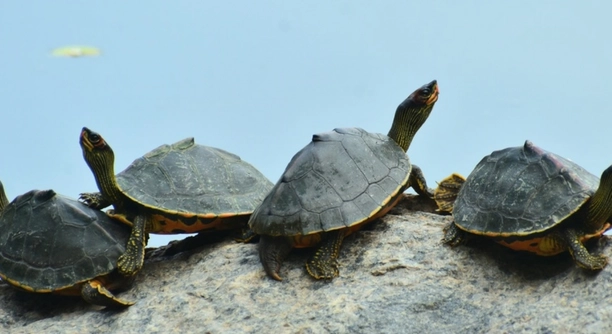
Caring for an Indian Roofed Tortoise can be rewarding, but it’s important to avoid common mistakes that can affect its health. These mistakes might unknowingly shorten their lifespan, so understanding how to care for them properly is essential.
Several factors can contribute to the shortening of your tortoise’s lifespan, including improper diet, inadequate habitat, and insufficient veterinary care. These mistakes can weaken their immune system, cause stress, and lead to chronic health issues over time.
By understanding these mistakes, you can create a better environment for your tortoise, ensuring it lives a long, healthy life. Making small changes can have a big impact on their well-being.
Not Providing the Right Diet
One of the most common mistakes that can shorten your tortoise’s life is feeding it the wrong foods. Indian Roofed Tortoises are herbivores, and they rely on a diet that mimics their natural habitat. Offering them too many sugary fruits or processed foods can lead to digestive problems, obesity, and other health issues. It’s crucial to provide a variety of leafy greens, grasses, and some vegetables to meet their nutritional needs. Without proper food, their immune system weakens, and they may become more prone to illness.
A healthy, well-balanced diet is essential for keeping your tortoise in good condition. Ensure you offer foods that are high in fiber and calcium while avoiding high-oxalate plants like spinach.
Tortoises may seem to enjoy eating fruits, but too much of it can cause metabolic bone disease or kidney issues. Focus on leafy greens like dandelion, kale, and hibiscus flowers. It’s important to supplement their diet with calcium powder, as this ensures healthy shell growth. The key is variety and balance, mimicking their natural diet as closely as possible.
Inadequate Habitat
An incorrect habitat can cause long-term health problems for your tortoise. An enclosure that is too small or lacks the right environmental conditions can stress your pet, leading to a shorter life.
The right environment for an Indian Roofed Tortoise includes a warm, spacious habitat with both basking and shaded areas. They need a proper light source to mimic the sun’s UV rays, which help them process calcium and maintain healthy bones. Temperature regulation is also crucial, as cold temperatures can slow their metabolism and make them more vulnerable to illness.
Your tortoise’s habitat should be large enough for them to roam freely. They need space to explore and hide. Make sure there’s also a clean, dry area where they can dig and burrow, as this is something they instinctively enjoy. Additionally, their living space must be kept clean to avoid the buildup of harmful bacteria. If you fail to create a safe and comfortable habitat, it can lead to stress, illness, and a reduced lifespan.
Overfeeding
Overfeeding your Indian Roofed Tortoise can be harmful. While it’s tempting to feed them often, providing too much food can lead to obesity and metabolic issues.
It’s essential to monitor portion sizes carefully. Tortoises are slow eaters, so it’s easy to misjudge how much they’re consuming. You should only offer them enough food that they can finish within an hour. Offering too much can result in leftover food that rots and leads to unhealthy living conditions. A well-measured portion ensures they get the nutrients without becoming overweight.
Overfeeding can cause problems like bloating or indigestion, which may stress your tortoise. Overweight tortoises are more likely to suffer from shell deformities and have a harder time moving around. Keeping their weight in check is critical to their overall health. Avoid feeding them too many high-calcium foods or excessive fruits, as these can worsen health issues. Instead, stick to a balanced, appropriate diet to help them live a long, healthy life.
Lack of Regular Vet Check-ups
Skipping regular vet check-ups can be dangerous for your tortoise. Many health issues go unnoticed until they become severe, which can shorten their lifespan.
A good veterinarian will monitor your tortoise’s health regularly, check for any signs of illness, and ensure they are growing properly. Early detection of issues such as respiratory infections, parasites, or shell problems can make all the difference in their recovery. A vet will also provide guidance on how to maintain a healthy diet and proper living conditions.
Without regular vet visits, health problems can go undiagnosed. Your tortoise might seem fine at first, but subtle signs of illness can develop into serious conditions. For example, a mild respiratory infection could lead to pneumonia if untreated. Schedule routine check-ups to keep your pet in optimal health and prevent any surprise illnesses from affecting their longevity. Regular care and prompt treatment are key in avoiding unnecessary complications.
Exposure to Poor Lighting
Tortoises need UVB light to help them process calcium properly. Without it, they can develop serious health issues, such as metabolic bone disease.
If your tortoise doesn’t get proper UVB exposure, its shell and bones can weaken. It’s essential to provide a good UVB light source, especially if they are kept indoors. Natural sunlight is best, but if that’s not possible, a UVB bulb will do.
Without the proper light, their body struggles to absorb nutrients, which can lead to weak bones and deformities. Make sure the light is positioned correctly, so they can bask under it for several hours a day.
Stress from Handling
Excessive handling can cause stress for your tortoise. They are naturally shy creatures, and constant handling can be overwhelming.
Handling your tortoise too often can make them anxious, leading to long-term health problems. While short, gentle interactions are fine, you should let them roam freely in their habitat most of the time. Tortoises need their space to feel safe and comfortable.
When they feel stressed, it can lead to weakened immune systems, making them more vulnerable to diseases. Giving them time to adjust and move around without constant human interference helps them stay healthy.
Poor Hydration
Proper hydration is essential for tortoises. Without enough water, they can become dehydrated, affecting their digestion and overall health.
Dehydration can cause your tortoise to become lethargic, and it can lead to kidney failure or urinary problems. Always ensure your tortoise has access to fresh, clean water. You can offer them water in a shallow dish, allowing them to drink and soak.
They may not always drink water directly from the dish, but it’s still important to keep it available. Adding moisture-rich vegetables to their diet can also help with hydration. Regular soaking can help prevent dehydration and promote proper digestion.
FAQ
How often should I feed my Indian Roofed Tortoise?
It’s important to feed your Indian Roofed Tortoise every day, but the amount depends on its age and size. Hatchlings and young tortoises should be fed daily with smaller portions, while adults can be fed every other day. Aim to offer food that can be consumed within an hour to avoid overfeeding. Too much food can lead to obesity, which is a common issue. Provide a balanced diet with a variety of leafy greens, grasses, and some vegetables.
What temperature should my tortoise’s enclosure be?
The temperature in your tortoise’s enclosure should be carefully regulated. During the day, the basking area should be between 90-95°F (32-35°C), and the cooler side of the enclosure should be around 75-80°F (24-27°C). At night, temperatures should not drop below 70°F (21°C). Consistency is key. Ensure you have a heat source, like a heat lamp, and a UVB light to maintain proper conditions. Temperature fluctuations can cause stress and health problems, so it’s best to invest in a thermometer to monitor the environment.
Can my tortoise live outside?
Yes, Indian Roofed Tortoises can live outside, but only if the climate is suitable. They thrive in warm environments and need a secure outdoor space. If you live in an area with mild temperatures, you can build an outdoor enclosure with proper shade, warmth, and protection from predators. The enclosure should be escape-proof and large enough for your tortoise to roam and dig. If temperatures drop too low in the winter, it’s best to bring them indoors to ensure their safety and health.
How do I know if my tortoise is sick?
Common signs of illness in tortoises include lethargy, loss of appetite, abnormal breathing, or changes in their shell, such as soft spots or cracks. If you notice these signs, it’s important to take your tortoise to a veterinarian who specializes in reptiles. Respiratory infections, parasites, and metabolic bone disease are common health issues. Regular check-ups can help detect problems early. Also, monitor their behavior and appearance regularly to catch anything out of the ordinary before it becomes serious.
Can I handle my tortoise?
Yes, you can handle your tortoise, but it should be done in moderation. Indian Roofed Tortoises are not as social as some other pets, and excessive handling can cause stress. Short, gentle interactions are fine, but let your tortoise roam freely in its habitat most of the time. If you want to handle your tortoise, make sure to support its body properly and avoid picking it up by the legs. Handling should always be calm and gentle to avoid causing anxiety.
How do I clean my tortoise’s habitat?
Cleaning your tortoise’s enclosure is crucial for its health. Remove any uneaten food and waste daily. Once a week, clean the entire enclosure by removing all furniture and wiping down the surfaces with a reptile-safe disinfectant. Replace the bedding material regularly to keep it fresh. Additionally, wash water dishes daily to prevent bacteria buildup. If your tortoise’s substrate becomes soiled or damp, replace it with dry material. A clean environment helps reduce the risk of infections and parasites.
Can I keep multiple tortoises together?
Indian Roofed Tortoises are territorial and can be aggressive toward each other, especially males. It’s best to house them separately, unless they are siblings or have been raised together from a young age. Even then, always monitor their interactions for signs of aggression. If you do decide to keep multiple tortoises together, ensure the enclosure is large enough to provide plenty of space and hiding places for each one. Overcrowding can lead to stress, fights, and potential injuries.
What should I do if my tortoise’s shell is damaged?
If your tortoise’s shell is damaged, it’s important to act quickly. Minor cracks or scratches can be cleaned with a mild antiseptic solution and kept dry. However, if the shell has a deep crack or injury, you should take your tortoise to a reptile vet immediately. Shell injuries can become infected and lead to serious health issues. The vet will assess the damage and provide the necessary treatment, which might include antibiotics or a shell repair procedure.
Do I need to give my tortoise supplements?
Yes, Indian Roofed Tortoises require calcium supplements to maintain strong bones and a healthy shell. You can provide calcium powder or liquid, but be sure not to overdo it. Too much calcium can lead to kidney issues. Additionally, you can offer vitamin D3 if your tortoise does not get enough UVB light. However, a balanced diet with the right food should be the primary source of nutrients. Only supplement if your tortoise’s diet isn’t sufficient.
How long do Indian Roofed Tortoises live?
Indian Roofed Tortoises can live for several decades if they are cared for properly. On average, they can live anywhere from 30 to 50 years, and some even reach 70 years in the right conditions. Their lifespan depends on the quality of care they receive, including diet, environment, and medical attention. A well-maintained enclosure, proper feeding, and regular vet check-ups can help ensure your tortoise enjoys a long and healthy life.
What kind of substrate should I use for my tortoise’s enclosure?
The substrate in your tortoise’s enclosure should be absorbent, non-toxic, and comfortable for them to walk on. Some good options include coconut coir, aspen shavings, or grass hay. Avoid using sand, as it can cause impaction if ingested. The substrate should be deep enough for your tortoise to dig and burrow. A layer of about 2-3 inches works well. Always ensure the substrate is dry and clean to avoid mold or bacterial growth.
Final Thoughts
Taking care of an Indian Roofed Tortoise requires attention to detail and a commitment to providing the best environment for your pet. By avoiding common mistakes such as improper diet, inadequate habitat, and stress, you can greatly improve the chances of your tortoise living a long, healthy life. A balanced diet rich in leafy greens and a safe, spacious enclosure are the basics, but regular vet visits and proper lighting also play key roles in maintaining your tortoise’s well-being. Small changes in care can lead to significant benefits over time.
It’s important to remember that each tortoise is unique, and some may have specific needs or preferences. Observing your tortoise closely and adjusting care routines when necessary will help keep it in good health. The bond you form with your tortoise can grow stronger over the years as you learn more about its behavior and care needs. While tortoises are generally independent animals, they still rely on their owners for proper care and a safe environment. It’s your responsibility to meet these needs to ensure they live their best life.
By following the guidelines outlined in this article and avoiding mistakes, you can create a more enriching experience for both you and your tortoise. A little knowledge and consistent effort can make all the difference in providing your tortoise with the best life possible. Whether you’re a first-time tortoise owner or have had one for years, staying informed and adjusting to their needs will ensure they thrive. Healthy tortoises are not only a joy to have as pets but also a testament to the care and attention they receive from their owners.

Hello,
If you enjoy the content that we create, please consider saying a "Thank You!" by leaving a tip.
Every little bit helps us continue crafting quality advice that supports the health, happiness, and well-being of pets around the world, for pets of all shapes, sizes, and species.
We really appreciate the kindness and support that you show us!