
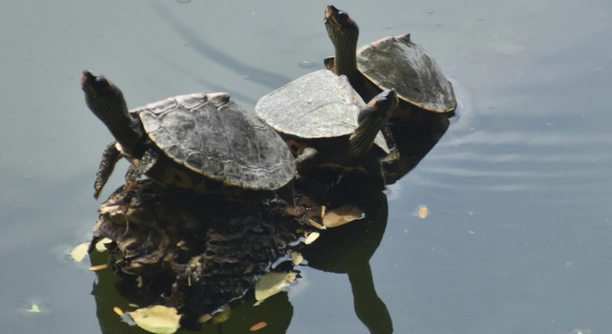
Are you looking for ways to bond with your Indian Roofed Tortoise and build a deeper connection?
The key to bonding with your Indian Roofed Tortoise is through consistent, gentle interactions and providing an enriching environment. Spending quality time with them, offering food, and creating a comfortable habitat can help strengthen your relationship.
Understanding their needs and behaviors is essential for creating a positive experience. We’ll walk you through effective ways to bond with your tortoise, making your time together enjoyable and rewarding.
1. Spend Time with Your Tortoise Daily
To build a bond with your Indian Roofed Tortoise, the best way is to spend time with them every day. Tortoises are creatures of habit, so a consistent routine helps them feel comfortable and secure. Whether you let them roam around or sit near their enclosure, it’s essential to interact with them regularly. These simple moments, like talking to them softly or observing them as they explore, can create a sense of trust. It doesn’t have to be long periods; just a few minutes every day can make a big difference in how your tortoise responds to you.
Tortoises do not form bonds as easily as some other pets, so patience is key when trying to build trust with them.
Start by offering food in a way that allows your tortoise to associate you with something positive. This helps them feel more comfortable around you, and they’ll begin to recognize you as a source of care. As your tortoise gets more used to your presence, you can gradually increase the amount of time you spend with them. Every interaction strengthens the bond and helps them feel more secure in their environment.
2. Provide a Comfortable Habitat
Creating the right environment for your tortoise is essential for their well-being and comfort. The more relaxed your tortoise feels in its habitat, the easier it is for them to interact with you. Ensure their enclosure is spacious, provides adequate hiding places, and has the right temperature and humidity levels. Tortoises like to retreat to shaded areas, so providing a few corners with hiding spots can help them feel safe and secure. The setup should mimic their natural environment, allowing them to thrive and enjoy their space without stress.
A comfortable habitat encourages natural behaviors and makes your tortoise feel at home.
Additionally, the enclosure should include a variety of surfaces for climbing or digging, as this encourages activity and enrichment. A variety of objects, such as small logs or rocks, can mimic the tortoise’s natural habitat and help them stay active and healthy. Regular cleaning and checking the setup for hazards are also necessary. By ensuring your tortoise is comfortable, they will feel more at ease and open to your presence, allowing you to develop a stronger bond over time.
3. Offer Treats to Encourage Interaction
Offering treats to your Indian Roofed Tortoise can help strengthen your bond. Treats are a positive way to engage with them and encourage trust.
Use small pieces of fruits or vegetables as a way to reward your tortoise for coming near you or interacting with you. Always choose foods that are safe for them and avoid overfeeding. Over time, your tortoise will start associating you with positive experiences. This can encourage them to be more comfortable around you and even seek you out when they see you coming with a treat. Just be patient, as tortoises may take a while to trust that the treats are truly for them.
Remember that the treats should not make up a large portion of their diet, so moderation is key. Stick to healthy options like small slices of fruit, leafy greens, or occasional flowers. By making your tortoise’s interactions with you enjoyable and rewarding, you will increase their comfort level and willingness to spend time with you.
4. Handle with Care
When handling your tortoise, always be gentle and calm. Quick movements or sudden actions can cause stress or fear. Be mindful of how you approach them and avoid grabbing or forcing them into your hands.
Start by offering your hand and letting your tortoise explore it at their own pace. Slowly lift them up if they seem comfortable, and keep them close to the ground. Never drop or raise them too high, as this can scare them or cause injury. Tortoises have delicate shells, and rough handling can result in harm or stress. Focus on their body language and allow them to move freely, as this shows respect for their boundaries.
Building trust through careful handling will allow your tortoise to feel safe and secure with you. Over time, they will become more accustomed to being gently touched or picked up, which is an important step in strengthening your bond. Always remember that patience and kindness go a long way with these animals.
5. Provide a Varied Diet
A healthy and varied diet is crucial for your tortoise’s well-being. Offering a range of foods helps keep them engaged and active.
Incorporate a mix of greens, vegetables, and occasional fruits into their meals. This variety ensures that they receive the necessary nutrients to stay healthy and strong. Over time, your tortoise will look forward to mealtime and associate it with positive experiences, which can strengthen your bond. It also shows that you care about their health, making them more comfortable with you.
6. Create a Stimulating Environment
Tortoises are curious creatures, and providing them with a stimulating environment can help keep them entertained and engaged. Add plants, rocks, or hides to their habitat to encourage natural behaviors like climbing, digging, and exploring.
A stimulating environment promotes physical activity and mental stimulation, helping to prevent boredom. This also creates a positive association with their space, making it easier for them to trust you. Tortoises enjoy moving around and interacting with their surroundings, so providing a variety of textures and objects will allow them to explore at their own pace. A richer environment also contributes to their overall health and well-being, allowing them to thrive and remain active.
7. Be Patient and Consistent
Building a bond with your tortoise takes time and patience. Unlike other pets, tortoises are more independent and may take a while to trust humans. Consistency is key to forming a connection with them.
Spend time with them daily, provide treats, and be gentle in your handling. Every little interaction adds up, and with time, your tortoise will start to recognize you as a source of care and comfort.
FAQ
How often should I handle my Indian Roofed Tortoise?
Handling your tortoise should be done sparingly, as they don’t enjoy being picked up often. Aim to handle them no more than a few times a week. This ensures that they don’t feel stressed or overwhelmed. When you do handle them, keep it short and gentle. Allow them to roam freely and explore their environment, as this is often when they are most comfortable.
Can I let my tortoise roam outside?
Yes, but only in a secure and safe area. If you want to allow your tortoise to roam outside, make sure the area is enclosed to prevent them from escaping. Avoid direct sunlight for long periods and ensure there are no harmful plants or predators around. Supervise them at all times when outside to ensure their safety.
What kind of food does my Indian Roofed Tortoise like?
Indian Roofed Tortoises are herbivores, and their diet should consist mainly of leafy greens, grasses, and occasional vegetables and fruits. They enjoy food like dandelion greens, collard greens, and romaine lettuce. Offering a variety of foods will keep them interested in their meals and provide necessary nutrients. Be cautious of overfeeding fruits, as they are high in sugar and should be given as treats.
How can I tell if my tortoise is stressed?
Signs of stress in a tortoise include hiding excessively, not eating, or becoming more reclusive than usual. If your tortoise is constantly withdrawing into its shell or exhibiting unusual behavior, it could be a sign of stress. Try to identify the cause, such as improper habitat conditions, lack of interaction, or environmental changes. If stress persists, it may be worth consulting a vet.
Should I provide water for my Indian Roofed Tortoise?
Yes, it’s essential to provide clean, fresh water for your tortoise at all times. While they get some moisture from their food, they also need to drink. Offer water in a shallow dish so they can easily access it. Be sure to change the water regularly to keep it clean and prevent any bacterial growth.
Can I keep multiple tortoises together?
It’s possible to keep multiple Indian Roofed Tortoises together, but it requires careful attention. They can be territorial, and it’s essential to ensure that each tortoise has enough space. If you notice any aggression, it may be best to separate them. When housed together, they should have plenty of room to roam without feeling crowded, which helps prevent stress or fights.
How can I make my tortoise more comfortable in its enclosure?
Making your tortoise feel comfortable involves creating a habitat that mimics its natural environment. Ensure the enclosure is spacious with areas to hide, bask, and climb. Provide a mix of substrates like soil and grass to allow digging and burrowing. Maintain the proper humidity and temperature levels, as Indian Roofed Tortoises need warmth to digest food and stay active. Offering access to natural light or a UVB light source is also crucial for their overall health.
What should I do if my tortoise is not eating?
If your tortoise is not eating, the first step is to check the environmental conditions, including temperature and humidity, as these factors can affect their appetite. If the conditions are right and your tortoise still refuses food, it could be due to stress or an underlying health issue. In this case, it’s best to consult a veterinarian to rule out any health problems. Be patient and try offering different foods, such as leafy greens or flowers, to see if that sparks their interest.
Is it normal for my tortoise to sleep a lot?
Tortoises tend to sleep more during colder weather or when they are adjusting to their environment. However, if your tortoise is sleeping excessively or seems lethargic all the time, this could be a sign of illness or an unsuitable environment. Make sure their enclosure has the right temperature and humidity levels. If the behavior persists, a visit to the vet may be necessary to ensure everything is okay.
How long does it take for my Indian Roofed Tortoise to get used to me?
Building a bond with your tortoise can take time. Every tortoise is different, but most will start to get used to your presence within a few weeks if you interact with them consistently. Be patient and gentle during each interaction, and avoid forcing them into situations that may cause stress. Gradually, they will come to recognize you as a source of care and comfort. Keep in mind that tortoises may never be as affectionate as other pets, but they can develop a sense of trust over time.
Final Thoughts
Building a bond with your Indian Roofed Tortoise takes time and patience. Unlike more traditional pets, such as dogs or cats, tortoises are more independent and slower to form connections with humans. However, with the right care and attention, your tortoise can learn to trust you. Consistency is key, and daily, gentle interactions will help establish that trust over time. Whether it’s offering them a treat or spending quiet time near their enclosure, every little action contributes to a growing bond.
Creating a comfortable environment for your tortoise is just as important as the time you spend with them. Ensuring their habitat mimics their natural surroundings will help them feel secure and happy. A proper diet, consistent temperature, and a variety of textures in their enclosure can make a huge difference in their comfort level. A tortoise that feels safe and content in their space is more likely to be open to interactions with you. Be mindful of their behavior and always respect their need for space. Understanding their natural instincts and respecting their boundaries will help them adjust to your presence more easily.
Finally, remember that tortoises are not overly social animals, and while they may bond with you over time, they will always maintain their independent nature. It’s essential not to expect constant affection or attention, as tortoises are much more self-sufficient than other pets. However, the bond you share will be rewarding, and your tortoise will recognize you as a reliable and caring presence in their life. With patience, consistency, and proper care, you can enjoy a fulfilling relationship with your Indian Roofed Tortoise.

Hello,
If you enjoy the content that we create, please consider saying a "Thank You!" by leaving a tip.
Every little bit helps us continue crafting quality advice that supports the health, happiness, and well-being of pets around the world, for pets of all shapes, sizes, and species.
We really appreciate the kindness and support that you show us!