
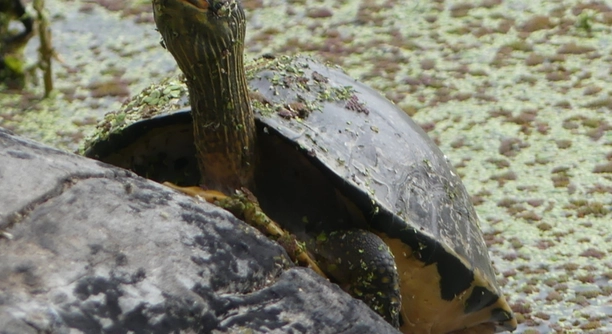
Caring for an Indian Roofed Tortoise can be a rewarding experience, but it’s important to make sure it’s growing properly. Knowing the signs of healthy growth helps ensure your tortoise is thriving in its environment.
To determine if your Indian Roofed Tortoise is growing properly, monitor its weight, shell development, and activity levels. Proper growth depends on factors like diet, temperature, and habitat conditions, which all play a crucial role in its overall health.
There are a few simple steps to keep in mind to check on your tortoise’s growth. Ensuring that it’s healthy and strong is easier when you know what to look for.
How to Monitor Your Tortoise’s Weight
Weight is one of the most important indicators of healthy growth. Regularly checking your Indian Roofed Tortoise’s weight will help you spot any potential issues early. A healthy tortoise will steadily gain weight over time, but a sudden drop or slow growth could signal problems. If you notice any changes, it’s essential to assess its diet and overall care. An underweight tortoise might not be getting enough food, or it could be struggling with a health issue. On the other hand, obesity can also be a problem, especially if the tortoise is fed too much or not as active as it should be.
You can track your tortoise’s weight by using a digital scale. Weigh your tortoise once a month or every few weeks to keep track of its progress. Keep a record of these weights to notice any patterns that may develop over time.
Proper care and nutrition play a significant role in maintaining a healthy weight. A balanced diet, including the right mix of leafy greens, fruits, and vegetables, ensures your tortoise has enough nutrients. Excessive fatty foods or inconsistent feeding schedules can disrupt its growth, so offering meals at regular intervals is essential for promoting healthy weight gain.
Shell Development and Growth
A well-developed shell reflects your tortoise’s overall health. A healthy shell should be smooth and free of cracks or deformities. Pay attention to how the scutes (the individual plates on the shell) shed and grow. Slow or irregular shedding could point to nutritional deficiencies or improper environmental conditions.
If the shell has abnormal growth patterns, like soft spots or pyramiding (the formation of pyramid-like bumps), you should reevaluate its diet, humidity, and temperature settings. A tortoise that doesn’t get enough UVB light can develop soft shells. Likewise, incorrect humidity levels in the habitat can cause shell deformities.
Ensure your tortoise receives proper UVB lighting for at least 12 hours a day. This is essential for calcium absorption and shell health. Calcium should be part of your tortoise’s diet, but if the lighting or humidity is inadequate, calcium will not be absorbed properly. If you notice any issues with your tortoise’s shell, consult a veterinarian for advice on adjusting its habitat and diet.
Activity Levels and Exercise
Indian Roofed Tortoises need regular exercise to stay healthy. A tortoise that moves around frequently shows signs of proper development. If it is often lethargic or hides away, it could be a sign that something is wrong. Make sure your tortoise has enough space to roam, and offer a variety of surfaces and areas for it to explore.
Provide different textures and objects like logs or rocks that your tortoise can climb. This helps encourage movement, keeping its muscles and bones strong. A spacious, safe environment allows your tortoise to stay active, which promotes healthy growth. Regular activity also improves its digestion and metabolism.
Tortoises should be encouraged to move around in an environment where they feel secure. A small enclosure can restrict movement, which may lead to a slower growth rate. Over time, lack of exercise could result in muscle weakness, poor bone development, and even obesity. It’s important to give your tortoise opportunities for both physical and mental stimulation.
Proper Diet and Nutrition
A well-balanced diet is essential for proper growth. An Indian Roofed Tortoise should primarily eat leafy greens, along with some fruits and vegetables. Avoid too many high-protein foods, as this can lead to health problems. The right amount of fiber is also important for digestive health.
You can mix things up by offering dandelion greens, collard greens, and clover. These are all great for your tortoise. Fruits like strawberries or melons can be given occasionally but should never be the main part of the diet. The key is variety, with a focus on leafy greens and fibrous plants. Make sure your tortoise always has access to fresh water.
Occasionally, adding calcium supplements to its diet can help strengthen the shell. This is particularly important for growing tortoises. Avoid feeding processed or sugary foods, as they don’t provide the nutrients your tortoise needs for healthy growth. Keeping a consistent feeding schedule and offering the right nutrients at the right times will support your tortoise’s long-term health.
Temperature and Humidity
Maintaining the right temperature and humidity is key to your tortoise’s growth. An ideal temperature range for an Indian Roofed Tortoise is between 75°F and 85°F during the day. At night, it can drop to around 70°F. If the enclosure is too cold, growth may slow down.
Humidity levels should also be consistent. Keep the humidity between 50% and 70%. Too little humidity can cause dehydration and shell problems, while excessive humidity can encourage fungal growth. Use a hygrometer to monitor the levels and adjust the enclosure accordingly.
Make sure your tortoise has a heat source like a basking lamp. This provides the warmth needed for digestion and activity. Keep the cool and warm zones in the enclosure so your tortoise can regulate its body temperature.
Health Monitoring and Vet Visits
Regular check-ups with a vet will ensure your tortoise is growing as it should. A reptile vet can spot any issues that might not be obvious to you. This helps prevent serious health problems in the future.
Monitoring for signs of sickness, such as lethargy, lack of appetite, or changes in behavior, is crucial. Any of these could indicate a health issue that may impact growth. If you see anything unusual, schedule a vet visit as soon as possible.
Lighting and UVB Exposure
Your tortoise needs proper lighting for healthy bone growth. UVB light is essential for calcium absorption, which supports its shell and skeletal development. Ensure your tortoise gets at least 12 hours of UVB exposure daily. Without it, your tortoise could suffer from metabolic bone disease.
FAQ
How often should I feed my Indian Roofed Tortoise?
It’s best to feed your tortoise once a day, offering a variety of leafy greens, fruits, and vegetables. Stick to a consistent schedule, providing fresh food at the same time each day. A varied diet is key for proper nutrition, but avoid overfeeding. Some tortoises may not eat every day, so it’s okay if they skip a meal occasionally. Just make sure they have fresh water available at all times.
What kind of enclosure does my tortoise need?
An Indian Roofed Tortoise requires a spacious enclosure, with a minimum of 4 feet long by 2 feet wide for an adult. It should have a warm side and a cooler side, allowing your tortoise to regulate its body temperature. Use a solid substrate like coconut coir or organic soil that’s easy to clean. Providing hiding spots and climbing structures will help keep your tortoise active and comfortable.
Can I keep multiple tortoises together?
It’s not recommended to house multiple Indian Roofed Tortoises in the same enclosure unless you have a large space. Even then, keep a close eye on them to ensure they aren’t showing aggressive behavior toward each other. Male tortoises, in particular, can be territorial, and constant fighting can lead to stress or injury.
How can I tell if my tortoise is sick?
Signs of illness in an Indian Roofed Tortoise include lethargy, lack of appetite, wheezing or nasal discharge, swollen eyes, and a change in the color of the shell. If your tortoise shows any of these symptoms, it’s important to consult a vet. Early intervention can help prevent further complications.
Is it necessary to supplement my tortoise’s diet?
In many cases, supplementing your tortoise’s diet with calcium and vitamin D3 is necessary, especially if it doesn’t get enough natural sunlight or UVB lighting. Sprinkle calcium powder on food a few times a week to support healthy shell and bone development. If you are unsure, ask a vet to recommend the right supplements.
What should I do if my tortoise isn’t growing properly?
If your tortoise isn’t growing at the expected rate, check its habitat conditions first, including temperature, humidity, and lighting. Make sure it has a balanced diet, access to fresh water, and plenty of space for movement. If these factors seem in order and growth is still slow, a visit to a vet is advised to rule out underlying health issues.
How can I provide proper UVB lighting for my tortoise?
UVB lighting is essential for your tortoise’s health, as it helps it absorb calcium and promotes bone growth. You can use a fluorescent UVB bulb, which should be placed within 12 inches of your tortoise’s basking spot. Replace the bulb every six months to ensure it continues emitting UVB rays effectively.
Should I bathe my tortoise?
Yes, bathing your Indian Roofed Tortoise once a week can help keep it hydrated, especially in dry environments. Use shallow, lukewarm water, and allow your tortoise to soak for about 20 minutes. This also encourages natural behavior, as they will often drink and defecate during the bath.
Can I feed my tortoise fruits?
While fruits are okay in moderation, they should not be the main component of your tortoise’s diet. Overfeeding fruits can lead to digestive problems or an unbalanced diet. Offer them occasionally, such as a small slice of melon or berries, but make sure most of the diet consists of leafy greens and other low-calcium foods.
What’s the ideal temperature for my tortoise’s enclosure?
Indian Roofed Tortoises thrive in temperatures between 75°F and 85°F during the day, with a slight drop at night. Create a gradient within the enclosure with a basking area that reaches around 90°F and a cooler zone at around 70°F. This allows your tortoise to regulate its body temperature as needed.
How long does it take for an Indian Roofed Tortoise to reach full size?
Indian Roofed Tortoises typically reach full size by 5 to 7 years of age, depending on their diet, care, and environment. Growth rates vary between individual tortoises, but providing a balanced diet and optimal living conditions will help ensure steady growth.
How do I prevent pyramiding in my tortoise’s shell?
Pyramiding, which results in a bumpy or uneven shell, is often caused by improper diet or habitat conditions. Ensure your tortoise gets enough calcium and UVB light, and avoid a high-protein diet. Also, make sure the humidity and temperature levels in the enclosure are stable and within the recommended range.
Can I let my tortoise roam outside?
If you have a safe outdoor space, allowing your tortoise to roam in a controlled environment can provide mental stimulation and exercise. Make sure the area is secure, free from predators, and has a shaded spot for your tortoise to retreat to when it gets too hot. Never leave your tortoise unattended outside.
How often should I clean my tortoise’s enclosure?
Clean your tortoise’s enclosure at least once a week to prevent the buildup of waste and bacteria. Spot-clean daily to remove uneaten food and waste. Regular cleaning ensures a healthy environment for your tortoise, which is crucial for its overall well-being.
What are the signs of dehydration in a tortoise?
Signs of dehydration include a lack of appetite, sunken eyes, and a dry or flaky shell. If you notice these signs, offer your tortoise a bath in lukewarm water to help hydrate it. If symptoms persist, contact a vet for advice.
Final Thoughts
Taking care of an Indian Roofed Tortoise requires attention to detail and a commitment to providing the right environment. Ensuring it has the proper diet, temperature, humidity, and UVB light is crucial for its healthy growth. By keeping a consistent routine and observing your tortoise closely, you can address any issues early and make sure it grows strong. Regular check-ups with a vet also play a key role in maintaining its health, as they can catch any problems that may not be obvious to you.
Each tortoise is unique, so it’s important to be patient and adjust care according to your tortoise’s individual needs. Some tortoises may grow at different rates depending on factors like genetics, diet, and overall environment. Even if your tortoise doesn’t seem to be growing as fast as expected, it’s essential to stay vigilant with monitoring its weight, shell, and activity levels. If you ever feel uncertain about any aspect of your tortoise’s care, don’t hesitate to reach out to a veterinarian experienced with reptiles for advice.
Remember that owning a tortoise is a long-term commitment. These creatures can live for several decades, so it’s important to be prepared for the responsibility. By providing a proper habitat and regular care, you will ensure that your Indian Roofed Tortoise has the best chance of growing properly and living a healthy, happy life. Keep an eye on any changes in behavior, appearance, or growth patterns, as they can often signal changes in health that need attention. With the right care, your tortoise will thrive and become a wonderful companion for years to come.

Hello,
If you enjoy the content that we create, please consider saying a "Thank You!" by leaving a tip.
Every little bit helps us continue crafting quality advice that supports the health, happiness, and well-being of pets around the world, for pets of all shapes, sizes, and species.
We really appreciate the kindness and support that you show us!