
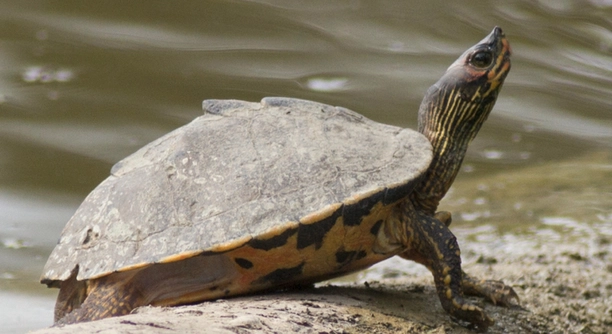
Is your Indian roofed tortoise avoiding the heat lamp, leaving you concerned about its well-being? Understanding why this happens can help ensure your pet stays comfortable and healthy in its enclosure.
Your tortoise may be avoiding the heat lamp due to incorrect placement, excessive temperature, poor bulb choice, or underlying health issues. Ensuring the right setup and monitoring its behavior can help maintain a safe and comfortable environment.
There are several factors that could be influencing your tortoise’s behavior. Learning more about these reasons will help you make the necessary adjustments and keep your pet happy.
The Heat Lamp May Be Too Hot
A heat lamp that is too hot can make your tortoise uncomfortable. Indian roofed tortoises need a basking spot between 85-95°F, but anything higher may cause them to retreat. If the temperature is too extreme, your tortoise may prefer cooler areas of the enclosure, avoiding the heat lamp altogether. Overheating can lead to dehydration and stress, which can impact your pet’s health. A properly regulated heat source is important for maintaining a comfortable and safe environment. Using a thermometer to check the basking area ensures it stays within the right range.
If your tortoise is constantly avoiding the heat lamp, measure the temperature right away. If it is too high, adjust the bulb wattage or raise the fixture to lower the heat intensity.
A tortoise’s body reacts to extreme temperatures by seeking cooler spaces. Making small adjustments will encourage proper basking behavior and prevent unnecessary stress.
The Lamp Placement Is Incorrect
If the heat lamp is placed too close or too far, your tortoise may not use it. The ideal distance depends on the wattage and the type of bulb being used.
A heat lamp that is too close can cause excessive warmth, while one that is too far may not provide enough heat. If your tortoise is avoiding the basking area, repositioning the lamp might help. Use a thermometer to check the basking temperature and adjust accordingly. Ensuring there is a temperature gradient in the enclosure allows your tortoise to regulate its body temperature properly.
The basking area should be warm enough to encourage your tortoise to sit under it but not so hot that it becomes uncomfortable. A properly placed heat lamp will create an ideal environment, allowing your pet to bask and stay warm without discomfort.
The Bulb Type May Not Be Suitable
Not all heat bulbs provide the right warmth for an Indian roofed tortoise. Some bulbs emit too much heat, while others do not provide enough. Using an improper bulb can make your tortoise uncomfortable, leading it to avoid the basking area completely.
A ceramic heat emitter may produce too much heat if placed too close, while a standard incandescent bulb might not be warm enough. Mercury vapor bulbs provide both heat and UVB but can be intense for small enclosures. Choosing a bulb that delivers consistent warmth without overheating the space is important. Using a thermostat or dimmer can help regulate the temperature, ensuring your tortoise gets the heat it needs without discomfort. Checking the basking temperature regularly will prevent overheating or insufficient warmth.
Providing a proper heat source encourages your tortoise to bask comfortably. If it continues to avoid the lamp, testing different bulb options can help create the best environment. Adjusting the wattage or switching to a different type of bulb may resolve the issue. Ensuring the enclosure has both heat and UVB lighting will promote healthy basking behavior, digestion, and overall well-being.
The Enclosure Lacks a Temperature Gradient
A well-balanced enclosure should have a warm basking spot and a cooler area. Without a proper gradient, your tortoise may struggle to regulate its body temperature, avoiding the heat lamp entirely. An unbalanced setup can make the space too warm or too cold.
If the entire enclosure is too warm, your tortoise may stay in cooler areas to avoid overheating. On the other hand, if the basking area is not significantly warmer than the rest of the enclosure, it may not feel inviting. Placing the heat lamp on one side of the enclosure creates a temperature gradient, allowing your tortoise to move between warm and cool zones. Using a thermometer to monitor different areas will help maintain the right balance. A well-regulated habitat keeps your tortoise comfortable and encourages natural basking behavior.
The Enclosure Is Too Bright
If the heat lamp produces too much light, your tortoise may avoid it. Bright lighting can be uncomfortable, especially for a species that prefers moderate lighting conditions. Using a bulb that emits intense white light may cause stress.
A lower-intensity bulb or a ceramic heat emitter can provide warmth without excessive brightness. If the enclosure is too bright, adding shaded areas or adjusting the lighting setup can make the space more comfortable. Ensuring a balance between warmth and light will help your tortoise feel secure while basking.
Your Tortoise Is Feeling Unwell
If your tortoise is avoiding the heat lamp despite proper setup, it may not be feeling well. A lack of appetite, lethargy, or unusual behavior could indicate an underlying health issue. Respiratory infections, dehydration, or parasites can affect basking habits. If symptoms persist, consulting a reptile veterinarian is important.
The Substrate Is Uncomfortable
A rough or improper substrate can make basking uncomfortable. If the surface under the heat lamp is too hard or irritating, your tortoise may choose to stay elsewhere. Using a soft, natural substrate like coconut coir or soil helps create a more inviting basking area.
FAQ
Why is my Indian roofed tortoise not using the heat lamp?
If your tortoise is avoiding the heat lamp, it could be due to an excessive temperature, an incorrect bulb type, or improper placement. Sometimes, if the bulb is too bright, the tortoise might feel uncomfortable. Check the temperature and adjust the bulb to ensure it provides the right warmth without being overwhelming.
What temperature should the basking spot be for my tortoise?
The basking spot should be between 85°F to 95°F. It’s essential to monitor the temperature with a thermometer and adjust the lamp if the heat is too high or too low. Keeping the area within this range encourages your tortoise to bask comfortably.
Can the heat lamp cause stress to my tortoise?
Yes, if the heat lamp is too bright or produces excessive heat, it can cause stress to your tortoise. Too much heat or light can make them feel overwhelmed, causing them to avoid the basking spot. Reducing the brightness or using a less intense bulb can help.
How can I create the right temperature gradient in my tortoise’s enclosure?
To create the right temperature gradient, place the heat lamp at one end of the enclosure, leaving the other side cooler. This allows your tortoise to move between the warm basking area and a cooler spot for temperature regulation. Ensure the cooler side is between 75°F to 80°F.
How do I know if the heat lamp is the right type?
The heat lamp should emit the proper warmth for basking without being too harsh. For an Indian roofed tortoise, a basking bulb or ceramic heat emitter is ideal. Ensure that the bulb provides heat without producing excessive light. A mercury vapor bulb is also a good option, as it offers both heat and UVB light.
Why is my tortoise not eating or behaving normally?
If your tortoise is avoiding the heat lamp and exhibiting abnormal behavior such as a loss of appetite or lethargy, it could be a sign of health issues. Respiratory infections, dehydration, or parasites can cause these symptoms. A visit to a reptile vet is recommended to check for any underlying problems.
Can I use a regular light bulb for my tortoise’s heat source?
Regular light bulbs are not ideal for reptiles like the Indian roofed tortoise. They might not provide the proper heat or UVB light. It’s best to use a basking bulb or ceramic heat emitter specifically designed for reptiles to create the right environment.
Is it safe to use a heat lamp 24/7 for my tortoise?
No, heat lamps should not be on 24/7. Your tortoise needs a day-night cycle, so the lamp should be on for 10-12 hours a day, simulating daylight. At night, you should turn off the heat lamp, but a low heat source can be used to maintain warmth.
Can the substrate affect my tortoise’s basking behavior?
Yes, the substrate can affect how comfortable your tortoise feels while basking. A hard or rough substrate can make it difficult for your tortoise to relax under the heat lamp. Using soft materials like coconut coir, soil, or sand creates a more comfortable basking spot.
How do I know if the heat is too much for my tortoise?
If the basking area is too hot, your tortoise will likely avoid it. You may also notice signs of stress like excessive panting, lethargy, or hiding more often. Checking the temperature with a thermometer and adjusting the heat lamp can prevent overheating.
Can my tortoise live without a heat lamp?
While it is possible for a tortoise to survive without a heat lamp for short periods, it is not ideal. They need the warmth to digest food and stay healthy. Without proper heat, your tortoise may become lethargic and its overall health could deteriorate.
How do I maintain proper humidity in my tortoise’s enclosure?
Humidity is important for your tortoise’s health, particularly for shedding. To maintain proper humidity, lightly mist the enclosure once or twice a day, depending on the climate. You can also use a shallow water dish to increase humidity levels. Just ensure the enclosure isn’t too damp.
What is the ideal size for my tortoise’s enclosure?
The size of the enclosure depends on the age and size of your tortoise. A juvenile Indian roofed tortoise can be kept in a 40-gallon tank, but as it grows, it will need more space. Ideally, the enclosure should provide enough room for your tortoise to move freely and find both warm and cool areas.
How can I tell if my tortoise is too hot or too cold?
If your tortoise is too hot, it may pant, stay in shaded areas, or move away from the heat lamp. If it is too cold, it may be lethargic, inactive, or avoid eating. Monitoring the temperature in the enclosure will help you keep it within the proper range.
Can I use UVB light instead of a heat lamp?
UVB light is essential for your tortoise’s overall health, but it cannot replace a heat lamp. UVB light helps with calcium absorption, but your tortoise still needs a heat source for proper digestion and metabolism. Use both a heat lamp and UVB light in the enclosure for a balanced environment.
Should I turn off the heat lamp at night?
Yes, it’s important to turn off the heat lamp at night to simulate a natural day-night cycle. However, if the enclosure gets too cold at night, you can use a low-wattage ceramic heat emitter or a nighttime heat source to maintain warmth without disturbing the natural cycle.
Final Thoughts
Understanding why your Indian roofed tortoise might be avoiding the heat lamp is crucial for maintaining its health and comfort. Tortoises are sensitive to temperature, light, and environmental conditions. If your tortoise is staying away from the heat lamp, it’s essential to consider factors such as the lamp’s temperature, placement, and the type of bulb you’re using. If the temperature is too high or the bulb is too bright, it can lead to discomfort and stress. A simple adjustment to the setup, like repositioning the heat lamp or choosing a different type of bulb, can make a significant difference.
Your tortoise’s health and well-being should always be a priority. Ensuring the proper temperature gradient, where one side of the enclosure is warmer and the other cooler, will allow your tortoise to regulate its body temperature naturally. If the basking area is too hot or cold, your tortoise may avoid it, which can lead to issues with digestion and overall health. Keep the temperature range between 85°F to 95°F for the basking spot and monitor it regularly with a thermometer to ensure your pet feels comfortable.
If your tortoise continues to avoid the heat lamp despite making adjustments, it’s essential to check for underlying health issues. Unexplained behavior changes, such as lack of appetite or lethargy, could indicate a health problem. In such cases, it is always wise to consult a reptile vet for a thorough check-up. With the right environmental setup, proper lighting, and regular health monitoring, your Indian roofed tortoise will stay happy and healthy.

Hello,
If you enjoy the content that we create, please consider saying a "Thank You!" by leaving a tip.
Every little bit helps us continue crafting quality advice that supports the health, happiness, and well-being of pets around the world, for pets of all shapes, sizes, and species.
We really appreciate the kindness and support that you show us!