
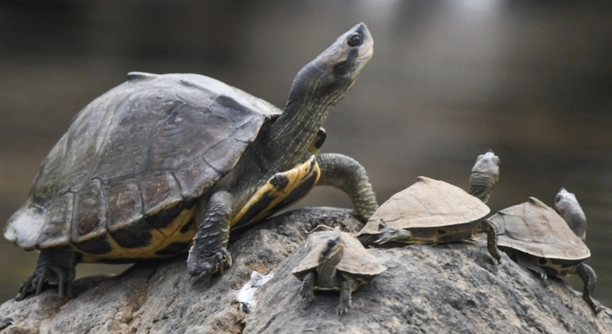
Indian Roofed Tortoises are fascinating creatures that require specific care to thrive in captivity. Ensuring they get the right nutrients is crucial for their overall well-being. Proper diet and supplementation can help keep them healthy and active.
Vitamins and minerals play a vital role in maintaining the health of Indian Roofed Tortoises. These nutrients support their immune system, bone health, and digestion. Providing a balanced diet with essential vitamins and minerals ensures long-term vitality.
Understanding which vitamins and minerals are crucial can make a significant difference in their health. This article will highlight the key nutrients every Indian Roofed Tortoise needs for a thriving life.
Vitamin A: Key for Vision and Immunity
Vitamin A is essential for Indian Roofed Tortoises as it helps maintain healthy vision and supports their immune system. This vitamin aids in proper growth and reproduction. It is found in many plant-based foods, such as leafy greens and carrots, which should be included in their diet to keep them healthy. Without enough Vitamin A, tortoises may suffer from eye issues, respiratory infections, or slow growth.
Tortoises can get Vitamin A from a variety of vegetables like kale, collard greens, and squash. These foods should be offered regularly to ensure they receive enough of this nutrient. It is crucial to balance the amount given to avoid toxicity.
A lack of Vitamin A can lead to more than just eye problems. Respiratory issues and slower growth are also common signs of deficiency. By ensuring your tortoise receives enough of this vitamin, you support their overall health and well-being. Keep their diet varied to prevent deficiencies.
Calcium: Vital for Strong Shell and Bones
Calcium is a critical nutrient that supports bone health and shell development. Without enough calcium, your tortoise’s shell can become soft and brittle, leading to serious health problems.
Providing calcium is simple through foods like leafy greens and calcium-rich supplements. A balanced intake ensures strong bones and proper growth.
Vitamin D3: Helps Absorb Calcium
Vitamin D3 is necessary for the absorption of calcium. Without it, your tortoise won’t be able to properly process the calcium in their diet, which can lead to weak bones and shell deformities. Sunlight is the best source of Vitamin D3.
Tortoises need exposure to natural sunlight or a UVB light to produce Vitamin D3. Without it, they may develop metabolic bone disease, which can severely affect their health. If they are kept indoors, make sure their enclosure has a UVB light that mimics natural sunlight to keep their bones strong and healthy.
Even with a calcium-rich diet, if your tortoise does not receive enough Vitamin D3, they may still suffer from bone-related issues. It is essential to provide both calcium and Vitamin D3 for the best results in maintaining their health.
Vitamin E: Promotes Healthy Skin and Muscles
Vitamin E plays an important role in keeping your tortoise’s muscles and skin healthy. It is an antioxidant that helps protect cells from damage, contributing to their overall well-being.
You can provide Vitamin E through foods such as leafy greens and seeds. This vitamin supports the immune system and ensures healthy skin and muscle development. A deficiency in Vitamin E can lead to muscle weakness, skin issues, and even neurological problems.
To prevent deficiencies, include a variety of vegetables rich in Vitamin E in your tortoise’s diet. Regular exposure to natural sunlight will also help ensure they receive adequate amounts of this important nutrient, maintaining their overall health.
Phosphorus: Works with Calcium for Bone Health
Phosphorus is essential for bone and shell health, as it works alongside calcium. It helps form the structure of bones and aids in energy production. Too much phosphorus, however, can interfere with calcium absorption, leading to bone problems.
Phosphorus is found in foods like leafy greens, squash, and beans. Balancing phosphorus and calcium intake is vital for your tortoise to maintain a healthy skeleton. Too much phosphorus can cause issues, so it’s important to offer foods that provide the right amount.
Magnesium: Supports Muscle Function and Energy
Magnesium helps regulate muscle function, nerve function, and energy production. It also contributes to strong bones and supports the absorption of other minerals. Without enough magnesium, your tortoise may experience weakness and fatigue, affecting their overall health and mobility.
Magnesium is found in foods such as dark leafy greens, carrots, and various fruits. Including these in your tortoise’s diet helps ensure they get enough magnesium to stay active and healthy. This nutrient supports more than just muscles; it also plays a role in digestive health and metabolism.
Iron: Essential for Blood Health
Iron is necessary for the production of hemoglobin in the blood, which helps carry oxygen throughout the body. Without enough iron, your tortoise may experience anemia, leading to lethargy and weakness.
FAQ
What are the signs of a vitamin or mineral deficiency in Indian Roofed Tortoises?
Common signs of vitamin or mineral deficiencies include lethargy, poor appetite, soft or deformed shells, and difficulty moving. If your tortoise is not active or has trouble eating, it may be lacking important nutrients. Eye issues, such as swelling or discharge, can also indicate a deficiency, particularly in Vitamin A. Other symptoms can include respiratory issues or weakness, suggesting a calcium or Vitamin D3 deficiency. To address these problems, ensure your tortoise is getting a balanced diet with all essential nutrients and consider consulting a vet for a proper diagnosis.
How can I provide Vitamin D3 to my tortoise if I keep it indoors?
If your tortoise is housed indoors, you can provide Vitamin D3 through a UVB light. These lights mimic natural sunlight and are essential for indoor tortoises. Place the light close to the tortoise’s basking area and ensure they have access to it for 10-12 hours a day. Make sure to replace the bulb every 6-12 months, as UVB output diminishes over time. This will allow your tortoise to produce Vitamin D3, which helps with calcium absorption and bone health.
Can I over-supplement vitamins and minerals for my tortoise?
Yes, over-supplementing can lead to toxicity, particularly with fat-soluble vitamins like Vitamin A, D3, and E. Too much Vitamin A can cause swelling around the eyes and skin issues, while excessive Vitamin D3 can lead to calcium imbalances and kidney problems. Always follow recommended dosages when using supplements and focus on providing a well-balanced diet through natural food sources. If unsure, consult a veterinarian to ensure you are not over-supplementing and that your tortoise is receiving the proper nutrition.
What foods should I feed my tortoise to ensure they get enough calcium?
Leafy greens such as collard greens, dandelion greens, and kale are excellent sources of calcium. Offering these vegetables regularly will help support strong bones and shell development. You can also supplement their diet with cuttlebone, which is rich in calcium. Another good option is offering calcium powder, sprinkled over food, though be careful not to overdo it. Avoid feeding high-phosphorus foods like spinach too often, as they can interfere with calcium absorption.
Can Indian Roofed Tortoises eat fruit?
Yes, Indian Roofed Tortoises can eat fruit, but it should be offered in moderation. Fruits are high in sugars, which can lead to obesity and digestive issues if fed too often. Suitable fruits include papaya, watermelon, and strawberries. However, these should be considered treats and not the main part of their diet. Focus on offering a variety of leafy greens, vegetables, and edible flowers to meet their nutritional needs. Always wash fruits thoroughly to remove any pesticides or chemicals.
How do I know if my tortoise is getting enough Vitamin A?
A healthy tortoise with sufficient Vitamin A should have clear, bright eyes and be active. If you notice signs of eye swelling or discharge, it may be an indication of a Vitamin A deficiency. Additionally, a tortoise that is slow-growing or shows signs of respiratory issues may need more Vitamin A in its diet. Offering Vitamin A-rich foods such as dark leafy greens, carrots, and squash can help prevent this deficiency. Regularly check your tortoise for signs of illness or discomfort and adjust their diet accordingly.
How often should I feed my tortoise?
The feeding frequency depends on the age and size of your tortoise. Young tortoises typically need to be fed daily, as they are growing rapidly. Adult tortoises, on the other hand, can be fed every other day. Offer a variety of leafy greens, vegetables, and occasional fruit to ensure a balanced diet. Make sure they always have access to clean, fresh water. Overfeeding can lead to obesity and shell deformities, so it’s important to monitor portion sizes and feeding times.
What is the best way to provide a balanced diet for my tortoise?
The best way to provide a balanced diet for your tortoise is by offering a wide variety of leafy greens, such as collard greens, dandelion greens, and mustard greens. You can also provide non-leafy vegetables like squash, bell peppers, and carrots. Occasionally, offer fruits as treats, but they should not make up more than 10-20% of their diet. Calcium-rich foods like kale and cuttlebone are essential, as well as the proper UVB light to help with Vitamin D3 production. Avoid feeding them high-oxalate or high-phosphorus foods like spinach regularly, as they can interfere with calcium absorption.
Are there any foods I should avoid feeding my tortoise?
Yes, there are certain foods you should avoid feeding your tortoise. These include high-oxalate vegetables like spinach, which can interfere with calcium absorption. Avoid feeding iceberg lettuce, as it has little nutritional value and can cause digestive issues. Fruits that are too high in sugar, like grapes, should also be limited. Additionally, avoid feeding tortoises any processed or human food, as it can upset their stomach and cause long-term health problems. Always research any new food before offering it to ensure it’s safe and nutritious for your tortoise.
How do I know if my tortoise has metabolic bone disease?
Metabolic bone disease (MBD) occurs when your tortoise doesn’t get enough calcium or Vitamin D3, leading to weak bones and deformities. Signs of MBD include soft or misshapen shells, difficulty moving, or tremors in the legs. If your tortoise has these symptoms, it’s essential to provide proper supplementation and increase exposure to UVB light. In severe cases, consult a veterinarian for diagnosis and treatment. Preventing MBD involves providing a balanced diet with adequate calcium, Vitamin D3, and proper UVB light exposure.
Maintaining the health of your Indian Roofed Tortoise requires more than just providing food and water. A well-balanced diet, rich in essential vitamins and minerals, is key to keeping your tortoise healthy and active. Understanding the specific needs of your tortoise and offering a variety of nutritious foods can help prevent common health issues like shell deformities, weak bones, and poor growth. By paying attention to their diet, you can ensure they live a long, happy life.
In addition to offering the right foods, it’s crucial to provide your tortoise with proper environmental conditions. Exposure to natural sunlight or UVB light is necessary for the production of Vitamin D3, which helps with calcium absorption. Without adequate UVB light, your tortoise may develop metabolic bone disease, a condition that can severely affect their bones and overall health. Ensuring they have a comfortable habitat with the correct temperature, humidity, and space will also support their well-being. Regular check-ups with a veterinarian are also beneficial in catching any potential health issues early.
Remember that the key to a healthy tortoise is balance. Avoid over-supplementing with vitamins and minerals, as this can cause more harm than good. Instead, focus on providing a variety of nutrient-rich foods that support their growth and development. By making informed choices and being mindful of their needs, you can offer your tortoise the best care possible. With the right attention and effort, your tortoise will thrive and bring joy to your life for many years to come.

Hello,
If you enjoy the content that we create, please consider saying a "Thank You!" by leaving a tip.
Every little bit helps us continue crafting quality advice that supports the health, happiness, and well-being of pets around the world, for pets of all shapes, sizes, and species.
We really appreciate the kindness and support that you show us!