
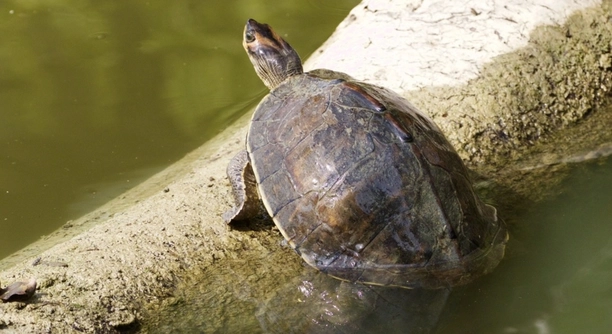
Is your Indian Roofed Tortoise showing less interest in its food lately? It can be worrying when your pet suddenly loses its appetite, but there are several possible reasons behind this change.
The main reason your Indian Roofed Tortoise may be losing interest in food could be due to environmental changes, stress, or health issues. Factors such as temperature fluctuations, a lack of proper lighting, or even parasites can all contribute to a loss of appetite.
Understanding these possible causes will help you identify the issue and take appropriate steps to ensure your tortoise’s well-being. By addressing these factors, you can help your tortoise regain its healthy appetite.
Temperature and Lighting Conditions
One of the most common reasons for your Indian Roofed Tortoise losing interest in food is improper temperature or lighting. These reptiles rely on consistent warmth and UVB lighting to stay healthy. If the temperature in their habitat drops too low, or if they don’t get enough light, they might lose their appetite. Tortoises need a warm basking spot between 85°F and 90°F and a cooler area around 75°F to regulate their body temperature. Without the right lighting, their metabolism can slow down, causing them to eat less. Be sure to check the temperature in your tortoise’s enclosure regularly and adjust the lighting as needed to help them thrive.
To improve their environment, ensure the light is a UVB bulb, not just an ordinary light bulb. UVB light helps your tortoise synthesize vitamin D3, which is essential for calcium absorption.
Making sure their enclosure is kept at a steady, comfortable temperature will encourage your tortoise to resume eating regularly. Adjusting the lighting and temperature could be the simplest fix to getting them back on track.
Stress and Environmental Changes
Stress can also cause your tortoise to lose interest in food. Changes in their environment, like moving their enclosure, new pets, or even loud noises, can cause stress. Tortoises are creatures of habit, and sudden disruptions can throw them off balance.
Tortoises are sensitive to stress, and this can affect their behavior, including eating. If you’ve recently made changes to their enclosure or routine, give them time to adjust.
Try to keep your tortoise’s environment quiet and peaceful. A calm, consistent setting will help them feel secure and more likely to eat. Consider limiting any drastic changes and give your tortoise time to get used to its surroundings again.
Health Issues
If your tortoise is losing interest in food, it may be dealing with an underlying health issue. This could include digestive problems, respiratory infections, or parasites. Tortoises often hide their illnesses, so a decrease in appetite might be one of the first signs something is wrong.
A visit to the vet is essential if you notice other signs like lethargy, abnormal behavior, or any physical changes. It’s better to get a professional opinion before it becomes a bigger issue. The vet may recommend specific treatments, such as antibiotics or changes in diet, to address the health concern.
Some health issues, like shell rot or internal parasites, can significantly affect a tortoise’s appetite. If your tortoise isn’t eating, keep an eye out for any physical changes, like swelling or unusual discharge. Addressing these concerns early on can help get your pet back to its healthy self.
Diet Imbalance
A change in diet can also contribute to a loss of interest in food. If you recently introduced new foods, your tortoise may not be as interested due to unfamiliar tastes or textures. Some tortoises can be picky eaters, and they prefer certain foods over others.
It’s important to offer a balanced diet that mimics what they would eat in the wild. Incorporate leafy greens, vegetables, and occasionally fruits to make their meals more enticing. Avoid offering too much high-fat or high-protein food, as it can lead to imbalances.
Stick to a consistent feeding schedule and give your tortoise a variety of foods. Observe if they start avoiding certain items or seem disinterested in specific types of food. Adjusting their diet may spark their interest again and help them eat regularly.
Overfeeding
Overfeeding can be another reason your tortoise might lose interest in food. If you’re offering too much food at once, your tortoise may simply not be hungry. A full stomach can make them less likely to eat again for a while.
It’s important to provide the right portions based on your tortoise’s size and age. Avoid leaving food in the enclosure for too long. If they don’t finish it, remove it after a few hours to prevent spoilage.
Hydration
Dehydration can cause a tortoise to eat less or lose interest in food. Tortoises need access to fresh, clean water at all times. If they aren’t drinking enough, they may feel lethargic or unwilling to eat.
Make sure your tortoise has a shallow dish of water that’s easy for them to access. Monitor their water intake and provide fresh water daily to keep them hydrated and encourage healthy eating habits.
FAQ
What should I do if my tortoise refuses to eat for several days?
If your tortoise refuses to eat for more than a few days, you should check its environment and health. Ensure the temperature and lighting are appropriate. If those are correct and your tortoise still isn’t eating, it may be a sign of a health issue. Visit a vet to rule out any infections, parasites, or other underlying conditions. A professional can give you specific advice and treatment to get your tortoise eating again.
How can I tell if my tortoise is sick?
Signs of illness in tortoises can be subtle. Look for changes in behavior, such as lethargy, hiding more than usual, or not moving around much. Also, check for physical signs like swollen limbs, discharge from the eyes or nose, or shell abnormalities. If you notice any of these, consult a vet.
Can I feed my tortoise fruits and vegetables every day?
While fruits and vegetables should be part of your tortoise’s diet, they should not make up the majority of their meals. Offer leafy greens and fibrous vegetables as the main part of their diet. Fruits should be given occasionally because they can be too high in sugar. Balance is key.
Why is my tortoise not eating after hibernation?
It’s common for tortoises to lose their appetite after coming out of hibernation. Their metabolism may take some time to return to normal. Make sure your tortoise is properly warmed up and hydrated before offering food. If they continue to refuse food for an extended period, consult a vet.
How often should I feed my Indian Roofed Tortoise?
An adult Indian Roofed Tortoise typically eats every other day. Juvenile tortoises may need food daily due to their rapid growth. Always monitor their eating habits and adjust their feeding schedule based on their individual needs and appetite.
Can I feed my tortoise protein-rich food?
Tortoises are primarily herbivores, and their diet should mostly consist of plants. Protein-rich food, like animal-based sources, should only be offered sparingly and on rare occasions. Overfeeding protein can lead to health problems like kidney disease. Stick to plant-based foods as their primary source of nutrition.
Is it okay to feed my tortoise lettuce?
Not all types of lettuce are suitable for tortoises. Iceberg lettuce, for example, has little nutritional value and can cause digestive issues. Romaine or other dark leafy greens like kale, dandelion greens, and collard greens are much better choices for their diet. Avoid feeding them iceberg lettuce.
How do I prevent my tortoise from becoming overweight?
To prevent your tortoise from becoming overweight, offer the right portion sizes and avoid overfeeding. Keep track of the amount of food you provide and make sure they’re getting a balanced diet. Overfeeding fruits or high-fat foods can lead to obesity, so stick to healthy leafy greens and vegetables.
Can stress cause my tortoise to lose appetite?
Yes, stress can definitely affect your tortoise’s eating habits. Changes in their environment, loud noises, or the introduction of new pets can create anxiety and cause them to lose interest in food. Try to create a quiet, stable environment for your tortoise and give them time to adjust to any changes.
What should I do if my tortoise seems lethargic and isn’t eating?
Lethargy and loss of appetite in tortoises can be signs of various issues, including illness, temperature problems, or stress. First, check that the temperature and lighting are correct. If those factors are fine, and the tortoise is still lethargic, a vet visit is necessary to rule out health concerns.
Is it okay for my tortoise to eat flowers?
Yes, many tortoises enjoy flowers as part of their diet, but make sure they are safe for them. Safe flowers include dandelions, hibiscus, and pansies. Avoid flowers that may have been treated with pesticides or chemicals. Always research a flower’s safety before feeding it to your tortoise.
How can I tell if my tortoise is dehydrated?
Signs of dehydration in tortoises can include sunken eyes, dry or wrinkled skin, and lethargy. Make sure your tortoise has access to fresh water at all times. If you notice these signs, try soaking your tortoise in lukewarm water for about 20 minutes to help hydrate them.
Can I feed my tortoise food from my garden?
Yes, food from your garden can be a great addition to your tortoise’s diet, as long as the plants are safe for them to eat. Avoid using pesticides or chemicals on any plants. Be sure to research which garden plants are safe for tortoises, such as dandelions and clover.
How can I get my tortoise to eat more variety?
To encourage a more varied diet, try offering different types of leafy greens, vegetables, and occasional fruits. You can also try changing the way you present the food, like chopping it up into smaller pieces or offering it on a different surface. Keep experimenting with variety to see what your tortoise prefers.
Final Thoughts
When your Indian Roofed Tortoise loses interest in food, it can be concerning, but it’s often a manageable issue. Many factors can influence a tortoise’s appetite, from changes in temperature and lighting to stress or health issues. By understanding the common causes of reduced eating, you can take steps to address the problem. Ensuring your tortoise’s environment is stable, with the correct temperature, lighting, and humidity, is crucial for its well-being.
Sometimes, the problem might be a dietary imbalance or overfeeding. Adjusting the amount of food and the type of food offered can help spark your tortoise’s interest. A balanced diet, with an emphasis on fresh greens and vegetables, can improve appetite and overall health. If you’ve recently introduced new foods or changes to your tortoise’s routine, these factors may be affecting its eating habits. Keep an eye on your tortoise’s response to different foods and make changes based on their preferences.
However, if your tortoise continues to refuse food or exhibits other concerning signs, it’s important to consult with a veterinarian. Health problems such as infections or parasites may be the root cause, and timely intervention is essential for recovery. With proper care, a balanced diet, and the right environment, your Indian Roofed Tortoise can regain its appetite and thrive.

Hello,
If you enjoy the content that we create, please consider saying a "Thank You!" by leaving a tip.
Every little bit helps us continue crafting quality advice that supports the health, happiness, and well-being of pets around the world, for pets of all shapes, sizes, and species.
We really appreciate the kindness and support that you show us!