
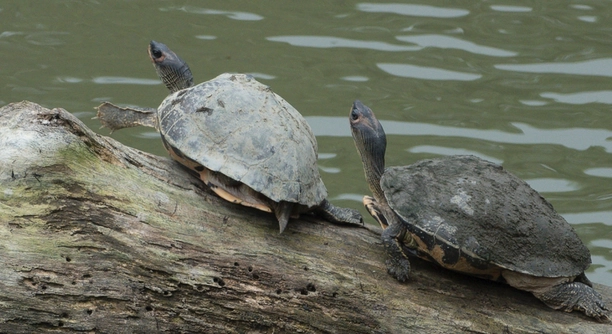
Indian roofed tortoises are known for their hardy nature, but even the healthiest reptiles can fall ill. It’s important to recognize the signs when they do. Monitoring their behavior closely can help you identify when something might be wrong.
If your Indian roofed tortoise is unwell, look for symptoms like lethargy, lack of appetite, or changes in their shell. These can indicate an underlying health problem that requires immediate attention to avoid further complications.
Understanding these signs is key to ensuring your tortoise stays healthy. Early intervention can make a big difference in your pet’s recovery.
Lethargy and Reduced Activity
When your Indian roofed tortoise becomes unusually sluggish or spends more time hiding than moving around, it could be a sign of sickness. A healthy tortoise is generally active, whether it’s foraging for food or exploring its environment. However, if it shows little interest in movement or seems lethargic, this behavior could indicate health issues.
This could be caused by stress, poor diet, or an infection. It’s important to take note of any environmental changes, such as temperature fluctuations or overcrowding, as these can also lead to a decrease in activity.
If your tortoise is staying still or moving less than usual, it’s a sign to pay closer attention to its behavior. It could be struggling to regulate its body temperature or dealing with a more serious health concern, such as a respiratory infection. Consulting a veterinarian to rule out illnesses can ensure that your tortoise stays healthy and active.
Loss of Appetite
When an Indian roofed tortoise refuses food, it’s a clear warning sign that something may be wrong. These tortoises are typically eager eaters, so a sudden loss of appetite should not be ignored.
A lack of interest in food could stem from various factors, such as an improper diet, digestive problems, or stress. If your tortoise has not been eating for more than a day or two, it’s essential to assess its overall environment. Ensure that the temperature is optimal, and check for any signs of discomfort like shell deformities or breathing issues.
If the problem persists, a visit to the vet may be necessary. They can identify if the lack of appetite is due to an illness or if it is simply a case of your tortoise needing some environmental adjustments.
Swollen or Soft Shell
A healthy Indian roofed tortoise has a hard, well-formed shell. If you notice swelling or softness, something is wrong. This could be a sign of a bacterial infection, metabolic bone disease, or a calcium deficiency.
Swelling often points to infection or injury, while a soft shell may indicate poor nutrition or inadequate UVB lighting. It’s important to check the environment and diet. Ensure your tortoise has a proper calcium supplement and access to UVB light. Lack of these can cause shell deformities or weakening over time.
If you see swelling or a soft shell, it’s vital to take action quickly. If left untreated, these issues can worsen and lead to long-term health problems. A vet will help determine the exact cause and guide you on treatment, such as antibiotics or changes in diet and lighting.
Abnormal Breathing or Nasal Discharge
If your tortoise is wheezing, coughing, or has nasal discharge, this could signal a respiratory infection. These infections are common in reptiles, especially when the temperature or humidity isn’t properly regulated.
Respiratory issues can be triggered by poor temperature control, stress, or unsanitary living conditions. If the air is too cold or humid, it weakens the tortoise’s immune system, making it vulnerable to bacteria and viruses. In severe cases, it can lead to pneumonia, which requires immediate medical attention.
Taking quick action is important in these cases. Keep the enclosure at the proper temperature and humidity levels. If symptoms persist, seeing a vet for an antibiotic treatment may be necessary. Proper care of their living space can often prevent such conditions from arising.
Unusual Feces or Lack of Bowel Movements
If your Indian roofed tortoise is passing unusual feces, or not going at all, it’s a sign of distress. Healthy tortoises should have regular bowel movements with firm, dark-colored stools. Any significant changes should be monitored closely.
Dry, watery, or overly soft feces could indicate dehydration or digestive issues. If your tortoise hasn’t passed any stool for several days, it could be suffering from constipation or other digestive blockages. Check for changes in diet and water intake. You might need to increase hydration or adjust the type of food it eats.
When bowel movement problems persist, it’s time to consult a vet. They can check for parasites, gastrointestinal issues, or other underlying causes. Adjusting the environment or diet often helps, but professional guidance is crucial for your tortoise’s recovery.
Shell Rot or Discoloration
If you notice patches of soft or discolored areas on your tortoise’s shell, it’s likely a case of shell rot. This is a bacterial or fungal infection that can cause permanent damage if left untreated.
Shell rot typically occurs due to poor living conditions or excess moisture in the enclosure. It can start as small, discolored spots that may eventually turn into larger, soft patches. If not addressed early, it can cause the shell to weaken and deform. Regular cleaning of the enclosure and proper humidity control are essential in preventing shell rot.
Treatment involves cleaning the infected area and using antiseptic solutions to remove the infection. A veterinarian may recommend topical treatments or antibiotics for more severe cases.
FAQ
What should I do if my Indian roofed tortoise is not eating?
If your tortoise is not eating, first check if it is in the right environment. Ensure the temperature, humidity, and lighting are all suitable for your tortoise. Make sure the UVB light is working, as a lack of it can cause appetite loss. Next, check the type of food you’re offering. It should be varied and fresh, with both greens and protein sources like insects. If the environment and diet are correct but the tortoise still refuses to eat, it could be stressed or sick. A visit to the vet may be needed if the issue persists.
How do I know if my tortoise is dehydrated?
Dehydration in a tortoise is a serious concern. If your tortoise seems lethargic, has sunken eyes, or its skin appears dry or wrinkled, dehydration could be the cause. Dehydration can happen if your tortoise is not drinking enough water or if the humidity in the enclosure is too low. Try soaking your tortoise in shallow warm water for about 15-20 minutes to help rehydrate it. If these signs continue, take your tortoise to the vet, as dehydration can lead to more serious health issues.
Why is my tortoise’s shell soft?
A soft shell is often a sign of calcium deficiency or poor diet. Calcium is essential for maintaining a strong, healthy shell, and a lack of it can cause the shell to become soft and deformed. Make sure you’re offering a calcium supplement, either through calcium-rich food like dark leafy greens or a powdered supplement sprinkled on the food. Also, ensure your tortoise gets enough UVB light, as it helps process calcium. If the shell remains soft despite these changes, it’s best to consult a veterinarian to rule out metabolic bone disease.
Can my tortoise get sick from being too cold?
Yes, being too cold can make your tortoise sick. Tortoises are cold-blooded animals, meaning they depend on external temperatures to regulate their body temperature. If the enclosure is too cold, your tortoise’s immune system can weaken, making it more susceptible to infections. It can also become lethargic and stop eating. Make sure your tortoise’s enclosure has a warm side and a cooler side, with a heat source like a heat lamp to provide warmth. The ideal temperature should range from 75°F to 85°F during the day, with a basking spot around 95°F.
How often should I bathe my tortoise?
Soaking your Indian roofed tortoise once or twice a week is usually sufficient. Bathing helps with hydration and can also help encourage bowel movements, especially if your tortoise is constipated. You can also soak your tortoise more often if you notice signs of dehydration or if it’s been eating particularly dry foods. Ensure the water is warm, but not hot, and is shallow enough for your tortoise to walk in comfortably. If you’re unsure, consult a vet for personalized advice.
Why is my tortoise breathing with its mouth open?
Mouth breathing can be a sign of respiratory distress or an infection. If your tortoise is opening its mouth to breathe, it could be struggling with a respiratory infection, which is often caused by poor environmental conditions like low temperatures or high humidity. Check your tortoise’s habitat to make sure it’s at the right temperature and humidity. If mouth breathing continues, it’s important to take your tortoise to the vet immediately for a proper diagnosis and treatment. Respiratory infections can be serious if not treated promptly.
How can I tell if my tortoise is stressed?
Stress in tortoises can be caused by various factors, including an inadequate living environment, loud noises, or even changes in routine. Signs of stress include hiding more than usual, refusing food, excessive pacing, or aggression. If your tortoise is showing signs of stress, start by checking the temperature and humidity levels in the enclosure. Ensure there are hiding spots and that the enclosure is big enough. Avoid sudden changes and handle your tortoise gently. If the stress continues, consult a vet to ensure there are no underlying health issues.
What are the signs of shell rot?
Shell rot is an infection caused by bacteria or fungi, often due to excess moisture or poor hygiene. If you notice soft, discolored spots on your tortoise’s shell, it could be shell rot. It can start as small, dark spots and grow into larger, mushy areas. To prevent shell rot, keep the tortoise’s enclosure clean and ensure proper humidity levels. If you notice any signs of shell rot, it’s crucial to act quickly. You may need to clean the affected area and apply antiseptic solutions, and possibly visit a vet for a more thorough treatment.
Is it normal for my tortoise to sleep a lot?
Tortoises are known to sleep a lot, especially during the colder months. However, if your tortoise is sleeping more than usual and showing signs of lethargy, it could be a sign of illness. During hibernation or brumation, tortoises may sleep for extended periods, but this behavior should only happen seasonally. If the excessive sleep is occurring during warmer months, check the tortoise’s environment for stressors like poor diet, incorrect temperatures, or illness. If the problem continues, a vet’s advice is recommended.
Can my tortoise get sick from its water bowl?
Yes, dirty water bowls can cause illness. Bacteria and parasites can grow in stagnant water, leading to infections or digestive issues. Always ensure that your tortoise’s water is fresh and clean. Change the water daily, and scrub the water bowl with mild soap and water regularly. Keeping the water bowl clean reduces the risk of contamination and promotes good health for your tortoise. If you notice any signs of illness, such as diarrhea or lethargy, check the water source as a potential cause.
Final Thoughts
Taking care of an Indian roofed tortoise requires attention to detail and a commitment to maintaining its health and well-being. By observing your tortoise’s behavior closely, you can catch any signs of illness early. Recognizing changes like a loss of appetite, lethargy, or abnormal shell conditions can make a big difference in preventing serious health issues. These small signs are important because, in reptiles, early intervention often leads to better outcomes. Whether it’s adjusting its diet, checking the enclosure conditions, or visiting a vet, quick action can ensure your tortoise remains healthy and active.
Maintaining the right environment is crucial for a healthy tortoise. Temperature, humidity, and proper lighting all play significant roles in your tortoise’s health. Without the proper setup, your tortoise could be at risk of developing various health problems, including shell rot, respiratory infections, and metabolic bone disease. Providing a clean, safe space for your tortoise with access to UVB light and the correct heat sources can prevent many issues. Regular cleaning of its habitat and monitoring of environmental conditions can go a long way in keeping your tortoise comfortable and stress-free.
In case of health concerns, don’t hesitate to consult a veterinarian. It’s always better to address problems early before they become severe. Tortoises are resilient animals, but they need proper care to thrive. Understanding what signs to look for and how to act when something is wrong will help ensure a long, healthy life for your Indian roofed tortoise. By offering the right care, attention, and support, you can provide your tortoise with a comfortable, happy life in your home.

Hello,
If you enjoy the content that we create, please consider saying a "Thank You!" by leaving a tip.
Every little bit helps us continue crafting quality advice that supports the health, happiness, and well-being of pets around the world, for pets of all shapes, sizes, and species.
We really appreciate the kindness and support that you show us!