
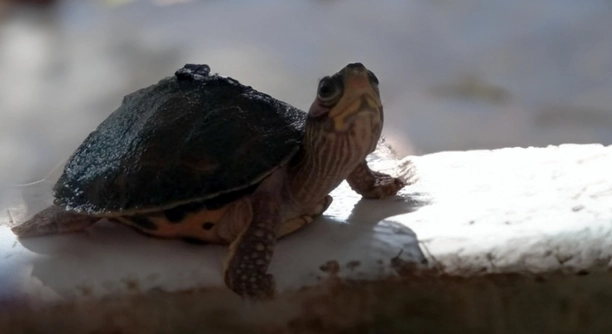
Do you ever find yourself looking for ways to make your Indian roofed tortoise feel more secure in its habitat? Creating natural hiding spots in their tank helps reduce stress and encourages natural behaviors, making them feel safe and comfortable.
Adding natural hiding spots to an Indian roofed tortoise tank provides security and enrichment. Using items like logs, plants, and rocks mimics their natural environment, reducing stress and promoting exploration. These elements also help regulate temperature and humidity for their well-being.
Incorporating natural elements not only benefits your tortoise but also enhances the overall look of the enclosure. Understanding the best hiding spots will help you create a habitat that feels safe, natural, and well-balanced for your pet.
Hollow Logs for Shelter
Hollow logs create a perfect hiding spot for an Indian roofed tortoise. They mimic natural burrows, providing a safe space to retreat. Logs also help maintain humidity levels inside the tank, which is essential for your tortoise’s shell health. Choosing untreated wood ensures there are no harmful chemicals. Logs with a wide opening allow easy entry and exit, making them more accessible. Positioning them in shaded areas of the tank creates a cool resting place. A hollow log also encourages exploration, keeping your tortoise active. Adding moss inside can enhance comfort while maintaining moisture.
Place the log near plants or rocks to create a natural hiding area. This setup helps your tortoise feel secure while blending seamlessly into the enclosure. Regularly check for mold or rot to maintain a healthy environment.
Hollow logs not only provide security but also contribute to a more natural habitat. The textured surface encourages natural behaviors like climbing and rubbing, which helps with shell maintenance. Logs also retain moisture, helping regulate humidity inside the tank. When placed correctly, they become a safe, shaded area for rest. A well-positioned log can be an essential feature in your tortoise’s enclosure, offering both comfort and enrichment.
Dense Plants for Cover
Dense plants offer excellent hiding spots by creating shaded areas in the tank. They provide privacy and reduce stress. Using live plants also helps maintain humidity, making the enclosure more suitable for your tortoise’s needs.
Plants like pothos, ferns, and spider plants work well because they are safe and easy to maintain. They provide thick coverage, allowing your tortoise to feel hidden while still having room to explore. Artificial plants are another option for those who prefer less maintenance. Arranging plants in clusters can create natural tunnels and resting spots. If using live plants, ensure they are pesticide-free and tortoise-safe. Proper plant care will keep them lush and healthy, providing long-lasting benefits.
Adding plants to the enclosure not only benefits your tortoise but also enhances the tank’s overall appearance. A well-planted enclosure creates a natural setting that feels more comfortable. Dense plants help filter light, creating a more shaded and cool environment.
Rock Caves for Security
Rock caves provide a sturdy and reliable hiding spot. They create a cool, shaded area where your tortoise can rest. Using smooth, stacked rocks helps prevent injury while maintaining a natural look. Ensure the cave is stable to avoid accidents inside the enclosure.
Choosing the right rocks is important for safety. Flat, smooth stones work best since they reduce the risk of scratches. Arrange them to form a small cave with an entrance large enough for your tortoise to enter easily. You can also use aquarium-safe adhesive to secure stacked rocks, preventing collapses. Placing the cave in a quiet corner of the tank enhances security. Adding moss inside can make the space more comfortable while improving humidity control. Regularly checking the structure ensures it remains stable and safe.
Rock caves help regulate temperature by staying cooler than open spaces. The natural texture of rocks encourages exploration and climbing. They also contribute to a well-balanced enclosure by mimicking natural landscapes. A well-placed rock cave gives your tortoise a sense of security while keeping the tank visually appealing. Avoid using sharp or unstable rocks that may pose a risk. Proper placement and maintenance will ensure the cave remains a safe retreat.
Terracotta Pots for Cozy Hiding
Terracotta pots provide a simple and affordable hiding spot. Their natural material helps regulate temperature, keeping the inside cool. Placing a pot on its side creates an easy entrance, while partially burying it adds stability. This setup gives your tortoise a comfortable and shaded retreat.
Choosing the right size pot ensures your tortoise can enter and exit easily. A medium-sized pot works well for most enclosures. If using a broken pot, make sure the edges are smooth to prevent injury. Positioning it in a corner or near plants provides additional privacy. Adding some damp moss inside can help maintain moisture, benefiting your tortoise’s shell health. Regularly checking for cracks or sharp edges ensures the pot remains safe. Keeping the pot clean prevents mold buildup and keeps the enclosure fresh.
Terracotta pots blend naturally into the enclosure while offering a secure space. Their breathable material helps with humidity control, preventing dryness. They are also easy to replace and clean, making them a convenient option. Combining them with other natural elements like rocks and plants creates a more enriching environment. Proper placement ensures your tortoise feels secure while keeping the tank looking well-balanced.
Bark Shelters for a Natural Hideaway
Bark shelters provide a lightweight and natural hiding space. Placing large pieces of bark in the enclosure creates shaded areas where your tortoise can rest. Bark also helps retain humidity, making it a great addition for maintaining the right environment inside the tank.
Arranging bark pieces against a wall or rock creates a simple, cave-like hide. Choosing thick, untreated bark ensures durability and safety. Replacing bark regularly prevents mold buildup and keeps the enclosure fresh. Pairing bark shelters with plants or moss enhances the natural feel of the habitat while providing extra cover.
Tunnels for Exploration
Tunnels create an interactive hiding spot while encouraging movement. Using PVC pipes, hollow logs, or curved rocks provides a safe passage for your tortoise. These tunnels mimic burrows, helping your tortoise feel secure while adding an element of enrichment. Proper placement ensures easy access without taking up too much space.
Leaf Litter for Extra Cover
Leaf litter creates a soft and natural hiding area. Dried leaves provide coverage while helping with humidity retention. Spreading them across the enclosure allows your tortoise to burrow slightly, offering extra security. Regularly replacing leaves ensures cleanliness and prevents mold growth.
FAQ
What are the best materials for creating hiding spots for an Indian roofed tortoise?
The best materials for creating hiding spots are natural and safe options such as untreated wood, smooth stones, bark, and terracotta. These materials mimic the tortoise’s natural environment, providing both security and comfort. Hollow logs, large rocks, and terracotta pots also serve well for hiding. Make sure to avoid any material treated with chemicals or pesticides. Natural wood and rocks help maintain the right humidity and temperature, which are crucial for your tortoise’s health.
How often should I clean the hiding spots in my tortoise’s tank?
It’s important to clean the hiding spots regularly to avoid the buildup of mold, bacteria, and waste. A good rule of thumb is to clean them every two weeks, but more often if you notice any unpleasant odors or visible dirt. Use mild, pet-safe cleaners and rinse thoroughly to remove any residue. Always check the hiding spots for signs of damage or wear, as broken pieces may pose a risk to your tortoise. Keeping the area clean ensures a healthy, safe environment for your pet.
Can I use artificial plants in my tortoise’s tank instead of live ones?
Yes, you can use artificial plants, especially if you prefer low-maintenance options. Artificial plants offer excellent coverage and hiding spaces for your tortoise. However, they do not help with humidity control or air filtration like live plants. If you decide to use artificial plants, ensure they are made from non-toxic materials and are free from any sharp edges that could harm your tortoise. Live plants offer the added benefit of improving the overall air quality in the tank, so a mix of both might be ideal.
Should I use a heat source near the hiding spots?
While heat is essential for your tortoise’s tank, the hiding spots should be placed in areas where they won’t get too hot. Tortoises often use hiding spots to cool down or rest, so placing them away from direct heat sources like lamps or heat pads is crucial. Instead, position the hiding spots in shaded areas where the temperature is more stable. You can place heat sources in other areas of the tank but make sure they do not directly affect the hiding spots, allowing your tortoise to choose where it feels most comfortable.
Can I put my tortoise in a tank with too many hiding spots?
It’s important not to overcrowd the tank with hiding spots. While your tortoise may appreciate a variety of options, having too many can reduce space and limit its ability to move around freely. A few well-placed hiding spots are sufficient to create a sense of security without overcrowding the tank. Focus on creating comfortable, spacious areas that encourage exploration and rest. Keep in mind that the tank should also allow for adequate basking areas and access to water.
What size hiding spots do I need for my Indian roofed tortoise?
The size of the hiding spots should be large enough for your tortoise to fit comfortably inside. Your tortoise should be able to enter, turn around, and rest inside the hide. It’s important to avoid spots that are too tight, as they may cause stress. As a general rule, the hiding spot should be at least one and a half times the size of your tortoise’s shell length to ensure it has enough space. Ensure the entrances are wide enough for easy access.
Do I need to add bedding inside the hiding spots?
Adding bedding inside the hiding spots can help with comfort and humidity regulation. Materials like moss, shredded coconut fiber, or hay are great choices. Moss can retain moisture, which is beneficial for maintaining proper humidity levels. Shredded coconut fiber or hay can create a soft resting area for your tortoise. Make sure the bedding is clean, dry, and changed regularly to prevent mold or bacterial growth. Avoid using cedar or pine bedding, as these can release harmful oils that may be toxic to your tortoise.
Can I use plastic items for hiding spots?
Plastic items are not ideal for hiding spots, as they don’t provide the natural environment your tortoise needs. While they may seem easy to clean, plastic can retain heat and moisture, leading to an unhealthy environment. Plastic may also have sharp edges that could injure your tortoise. If you do use plastic, ensure it is smooth, non-toxic, and safe for use with reptiles. However, natural materials like rocks, wood, and terracotta are much better options for creating a safe and comfortable environment.
What’s the best placement for hiding spots in my tortoise’s tank?
The placement of hiding spots depends on the layout of the tank and the needs of your tortoise. It’s best to place them in corners or areas that are not in direct sunlight or too close to heat lamps. This allows your tortoise to rest in a cool, shaded area while still having access to the necessary heat and UV light. Spread out the hiding spots to give your tortoise multiple options. Placing one in a quieter area will give your tortoise a sense of security.
Should I provide a water dish near the hiding spots?
It’s a good idea to place a water dish near the hiding spots, as it allows your tortoise easy access to hydration when it’s resting or hiding. However, make sure the water dish is shallow to prevent accidental drowning. A larger, shallow water dish will also help regulate humidity, which is important for your tortoise’s shell health. Ensure the water dish is cleaned daily to avoid bacterial growth. Regular access to clean water encourages proper hydration and helps keep your tortoise healthy.
Final Thoughts
Creating a comfortable and secure environment for your Indian roofed tortoise is essential for its overall well-being. Natural hiding spots not only provide your tortoise with a sense of safety but also encourage natural behaviors like exploration and resting. By adding items like hollow logs, rocks, and plants, you can mimic the tortoise’s natural habitat, which will help reduce stress and promote a healthier, more active lifestyle. Remember to keep the tank well-maintained, with regular cleaning and appropriate humidity levels, so your tortoise can thrive in its space.
The size and number of hiding spots in the tank should be carefully considered. Too many hiding spots can overcrowd the enclosure, limiting space for movement. A few well-placed hides, however, will give your tortoise the privacy and comfort it needs while still allowing room for exercise and basking. The materials you choose for these hiding spots are also important. Natural elements like wood, rocks, and live plants offer many benefits, including helping to maintain proper humidity and temperature. Using materials that are safe, non-toxic, and easy to clean will ensure a healthy environment for your tortoise.
Lastly, the goal is to create a balanced enclosure that supports your tortoise’s health and natural instincts. It’s not just about providing hiding spots, but also offering opportunities for your tortoise to move, explore, and bask. Regularly check for any signs of wear or mold in the tank and replace items as needed to keep the environment fresh and safe. By investing time and effort into setting up a well-designed habitat, you can ensure that your tortoise lives a happy, healthy life.

Hello,
If you enjoy the content that we create, please consider saying a "Thank You!" by leaving a tip.
Every little bit helps us continue crafting quality advice that supports the health, happiness, and well-being of pets around the world, for pets of all shapes, sizes, and species.
We really appreciate the kindness and support that you show us!