
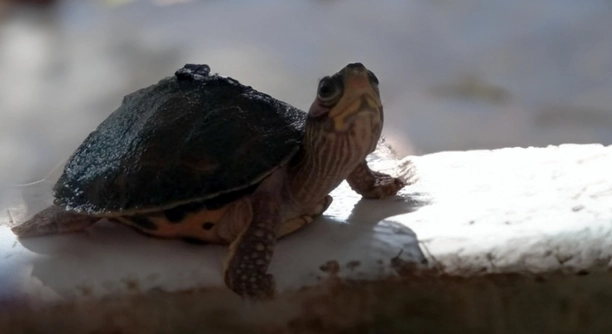
Owning an Indian Roofed Tortoise can be an exciting and rewarding experience. These gentle creatures require attention and care to thrive in a home environment. Understanding their needs will ensure a healthy and happy pet.
To properly care for your Indian Roofed Tortoise, you must maintain the right temperature, provide a balanced diet, and create a suitable habitat. Additionally, monitoring its health and providing occasional veterinary care are crucial for its well-being.
Taking care of your tortoise involves more than just feeding it. Proper habitat setup and routine care will keep your pet safe and comfortable for years to come. Understanding these essentials is key to successful tortoise ownership.
Temperature is Key for Your Tortoise’s Health
Indian Roofed Tortoises need a warm environment to stay healthy. The ideal temperature for their habitat should be between 85°F and 90°F during the day, with a slight drop at night. You can create a temperature gradient by using a heat lamp on one side of the enclosure. This will allow your tortoise to move between warmer and cooler areas as needed.
To achieve the proper temperature, invest in a reliable thermometer. Without accurate temperature control, your tortoise may become stressed or develop health issues like respiratory infections. A basking spot of around 95°F will also help them regulate their body temperature. If it gets too cold, they may become lethargic and lose appetite, which can be dangerous over time.
Don’t forget to make sure the environment is stable. Consistent temperatures reduce stress and help your tortoise digest food properly. If you live in a region with extreme weather, consider investing in an enclosure with insulation to maintain the temperature.
Diet and Nutrition for a Healthy Tortoise
A balanced diet is essential for an Indian Roofed Tortoise’s overall well-being. They primarily eat leafy greens, grasses, and occasional fruits. You should avoid feeding them high-protein foods like meat or dairy, as it can harm their digestion.
Provide a variety of safe, fresh vegetables, such as dandelion greens, collard greens, and kale. Adding small amounts of fruits like papaya or banana can also offer them a tasty treat. You can occasionally offer them some edible flowers like hibiscus or clover for variety. The more diverse their meals, the better.
A proper diet contributes to a strong shell, good health, and high energy levels. You should also provide a calcium supplement regularly to promote strong bones and prevent shell deformities. Always avoid feeding tortoises harmful or toxic plants like lettuce, spinach, and avocado.
Habitat Setup for Comfort
Creating a suitable habitat for your Indian Roofed Tortoise requires a bit of planning. Start with an enclosure large enough to allow for exploration. A 4×6-foot space is a good minimum for an adult tortoise. The flooring should be non-toxic, such as grass or soil, to mimic their natural environment. Avoid using sand, as it can cause impaction if ingested.
You’ll need to include both hiding spots and basking areas. The basking area should be near the heat source, while a shaded area will give them a place to retreat when they need to cool off. Fresh water should be available at all times in a shallow dish that they can easily access.
Be mindful of humidity, too. While not too high, a humidity level around 50%-60% is ideal. This will help your tortoise stay hydrated and keep its skin in good condition. Regular cleaning of the habitat is important to prevent bacteria growth and unpleasant odors.
Health Monitoring and Regular Check-ups
Regular health monitoring is crucial for the well-being of your tortoise. Look for signs of illness such as lethargy, loss of appetite, or abnormal behavior. If you notice any of these signs, a visit to the vet is necessary. Tortoises can be prone to respiratory infections, shell rot, and parasites if their environment isn’t properly maintained.
Routine check-ups will help ensure that your tortoise is thriving. During these visits, the vet will check for any signs of malnutrition or shell issues. Regular fecal tests are also recommended to rule out internal parasites. Catching issues early is important for the long-term health of your pet.
Staying on top of their health allows you to make adjustments in their care if needed. By keeping track of their behavior and physical condition, you can prevent many health problems before they escalate.
Proper Lighting for Your Tortoise’s Habitat
Lighting is essential for your Indian Roofed Tortoise’s health. They need both UVB light for vitamin D3 production and basking light for warmth. The UVB light should be on for 10-12 hours a day to mimic natural sunlight.
Without UVB light, your tortoise could develop metabolic bone disease, which causes weak bones and shells. You should invest in a good UVB bulb designed for reptiles. Place the bulb within 6-12 inches of the tortoise’s basking area to ensure it gets the proper exposure. If your tortoise spends a lot of time indoors, the UVB light will be especially important.
Use a separate heat lamp to provide warmth. This lamp should create a basking area of around 95°F. The heat source helps your tortoise digest food properly and maintain its body temperature. Make sure the lighting setup is consistent, and replace the UVB bulb every 6-12 months, as its effectiveness decreases over time.
Hydration and Its Importance
Keeping your tortoise hydrated is important for its overall health. They need access to clean, fresh water every day. Hydration helps in digestion and also aids in preventing kidney problems.
Provide a shallow dish of water that is easy for your tortoise to drink from. Make sure the water is changed daily to avoid bacteria buildup. While they may not soak in water as often as other reptiles, they will drink from it throughout the day. If you see your tortoise drinking more than usual, this could indicate a health issue, and you should consult a vet.
In addition to drinking water, misting the enclosure occasionally can help maintain the right humidity level. This can be especially useful in drier climates. Hydration plays a big role in skin health and the shedding process, so it’s important to keep track of their water needs regularly.
Shell Care and Maintenance
Your tortoise’s shell is a key indicator of its health. It should be smooth, strong, and free of cracks or lesions. A well-maintained shell is a sign of a healthy tortoise.
To keep their shell in good condition, ensure they receive proper calcium intake through their diet or supplements. This helps to keep the shell strong and prevents deformities. Regular exposure to UVB light is also necessary for shell growth. If you notice soft spots or cracks in the shell, it could be due to a lack of calcium or improper habitat conditions.
Avoid handling your tortoise too roughly, as this can cause injury to the shell. If the shell becomes dirty or has accumulated debris, you can gently clean it with a soft brush and lukewarm water. Be sure to dry it properly afterward to avoid any moisture buildup, which can cause shell rot.
Handling Your Tortoise Safely
When handling your Indian Roofed Tortoise, it’s important to be gentle and calm. These tortoises may not enjoy being picked up frequently, so limit handling to a few minutes at a time.
Always support your tortoise’s body evenly when lifting. Never pick them up by the shell or limbs, as this can cause stress or injury. Hold them close to your body to ensure they feel secure. Avoid sudden movements, as these can startle your tortoise and cause it to withdraw into its shell.
If your tortoise is stressed or unwilling to be handled, give it space. Overhandling can cause them to become anxious and affect their health.
Cleaning Your Tortoise’s Habitat
Cleaning the tortoise’s habitat regularly is crucial to prevent illness. At least once a week, remove any uneaten food and soiled bedding. Replace the substrate as needed to keep the area fresh.
Use safe, non-toxic cleaning products to sanitize the enclosure. A gentle scrub with warm water can help remove bacteria without harming the tortoise. Regular cleaning helps prevent mold and parasites, keeping your pet’s living environment safe and healthy. Never use harsh chemicals, as they can be harmful to your tortoise’s sensitive skin and respiratory system.
Outdoor Time and Exercise
Indian Roofed Tortoises enjoy exploring, so offering them outdoor time is beneficial. If possible, allow them to roam in a secure, enclosed outdoor area during warm weather. This gives them the opportunity to forage naturally, which is great for their diet and physical health.
Supervise outdoor time to ensure they stay safe from predators and don’t escape. Providing a variety of natural surfaces like grass, dirt, and rocks allows them to exercise their limbs, which is essential for muscle development. Outdoor time also helps them regulate their body temperature naturally.
FAQ
How often should I feed my Indian Roofed Tortoise?
Indian Roofed Tortoises should be fed once a day, preferably at the same time every day. They require a diet of leafy greens like collard greens, dandelion greens, and occasional fruits such as bananas or papayas. You can offer a small variety of vegetables as well. It’s important to avoid feeding them high-protein foods like meat or dairy, as this can upset their digestive system. Offering fresh food daily will ensure they get the nutrients they need to stay healthy.
What temperature should I maintain for my Indian Roofed Tortoise?
The temperature in your tortoise’s enclosure should be around 85°F to 90°F during the day, with a slight drop in temperature at night. You can achieve this by using a heat lamp, placing it on one side of the enclosure to create a temperature gradient. This allows your tortoise to move to a cooler area when needed. A basking spot should reach around 95°F to help them regulate their body temperature. Consistency is key for their comfort and well-being.
Can I keep my Indian Roofed Tortoise in a tank or aquarium?
While a tank or aquarium can work for younger tortoises, it’s better to provide a larger, more spacious enclosure as they grow. A larger area will allow them to roam and explore, which is important for their mental and physical health. The enclosure should have enough space for them to move freely, with proper ventilation to maintain airflow. For adult tortoises, aim for at least a 4×6-foot space. A tank is not ideal for an adult because it doesn’t provide the space they need to be active.
How long do Indian Roofed Tortoises live?
Indian Roofed Tortoises can live for 50 years or more if provided with proper care. Their lifespan can vary depending on environmental factors and health care, but they are generally long-lived pets. It’s important to prepare for a long-term commitment when adopting one, as their needs will change over time. With proper care, they can become a cherished part of the family for decades.
Do Indian Roofed Tortoises need UVB light?
Yes, Indian Roofed Tortoises need UVB light to help them synthesize vitamin D3, which is essential for proper calcium absorption. Without UVB light, they are at risk of developing metabolic bone disease, leading to soft or deformed shells and weakened bones. Use a UVB light bulb designed for reptiles, and keep it on for 10-12 hours per day. Be sure to replace the bulb every 6-12 months to ensure your tortoise gets the necessary exposure.
What is the best substrate for an Indian Roofed Tortoise?
The best substrate for an Indian Roofed Tortoise’s enclosure is a mixture of soil, coconut fiber, or grass. Avoid using sand, as it can cause impaction if ingested. The substrate should be able to retain some moisture but not stay too wet. It helps to maintain the right humidity levels in the enclosure and provides a natural surface for digging and burrowing. Ensure the substrate is deep enough to allow your tortoise to bury itself if it wants to. You should clean the substrate regularly to prevent bacteria buildup.
How can I tell if my tortoise is sick?
If your Indian Roofed Tortoise is sick, you may notice signs such as lethargy, loss of appetite, or abnormal behavior. A healthy tortoise is typically active and curious, especially when offered food. Look for changes in the shell, such as soft spots, cracks, or discoloration, which could indicate illness. Respiratory infections may present as nasal discharge or wheezing. If you suspect your tortoise is unwell, it’s best to consult a vet experienced with reptiles for diagnosis and treatment. Regular health checks can help detect issues early.
Can Indian Roofed Tortoises live together?
Indian Roofed Tortoises are generally solitary creatures, so it’s best to house them individually to avoid territorial disputes. In some cases, they may tolerate other tortoises, but it’s important to monitor them for signs of aggression. When housed together, there is a risk of fighting, which can lead to injury or stress. Each tortoise should have its own space, even when housed in a large enclosure. If you decide to keep more than one tortoise, ensure there are plenty of hiding spots and areas where they can retreat to avoid conflict.
Is it necessary to take my tortoise to the vet regularly?
It’s a good idea to take your Indian Roofed Tortoise to the vet for an annual check-up, especially as they age. A vet can check for signs of parasites, shell problems, and other health concerns. If your tortoise shows signs of illness or changes in behavior, it’s important to seek veterinary care sooner. Regular check-ups help ensure that your tortoise remains in good health, and they can catch any potential problems early. A reptile vet will be able to guide you on proper care and any special considerations.
What should I do if my tortoise isn’t eating?
If your tortoise isn’t eating, it could be a sign of stress, illness, or incorrect environmental conditions. Make sure the habitat’s temperature and lighting are within the proper range. Stress can come from overhandling, other pets, or improper enclosure setup. If the issue persists for more than a couple of days, it’s important to consult with a vet to rule out any underlying health issues. Tortoises are also sensitive to changes in diet, so stick to a routine and provide fresh, safe food.
Final Thoughts
Caring for an Indian Roofed Tortoise requires attention to detail and a commitment to meeting their specific needs. From providing the right temperature and lighting to offering a balanced diet, these tortoises depend on a controlled environment to thrive. Their long lifespan means you will need to consider their needs for decades, so setting up a proper habitat and maintaining it is crucial. A little effort goes a long way in ensuring that your tortoise lives a healthy and happy life.
One of the most important aspects of tortoise care is understanding the importance of their diet and hydration. Feeding them fresh, leafy greens, vegetables, and occasional fruits will help keep them in good health. Always remember to avoid feeding them foods that can harm their digestive system. Providing fresh water daily and ensuring their habitat has the right humidity will prevent dehydration and other health issues. Regular cleaning of their living space and monitoring their health can also prevent infections and other problems.
Lastly, handling your tortoise with care and respect is essential. They may not enjoy frequent handling, so always be gentle and allow them to retreat into their shell when they feel threatened or stressed. By creating an environment where they can feel safe and comfortable, you will help them adjust to life in your home. Regular veterinary visits and attention to their well-being will ensure that your Indian Roofed Tortoise stays healthy for many years to come.

Hello,
If you enjoy the content that we create, please consider saying a "Thank You!" by leaving a tip.
Every little bit helps us continue crafting quality advice that supports the health, happiness, and well-being of pets around the world, for pets of all shapes, sizes, and species.
We really appreciate the kindness and support that you show us!