
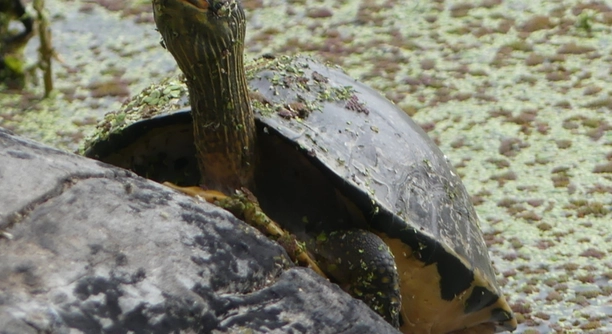
Brumation is a natural behavior for many reptiles, including the Indian Roofed Tortoise. Knowing the signs of brumation can help ensure your tortoise stays healthy during this period.
Brumation is a form of hibernation, where the tortoise’s activity and metabolism significantly slow down due to cooler temperatures and shorter daylight hours. During this time, they may burrow and eat less or stop eating altogether.
Understanding the signs of brumation will help you care for your tortoise during this period. By monitoring their behavior, you can ensure they stay safe and healthy throughout brumation.
What Is Brumation?
Brumation is a natural process where reptiles, like the Indian Roofed Tortoise, slow down their activity during colder months. It is similar to hibernation in mammals, but not exactly the same. During this time, the tortoise’s metabolism drops, and they may become less active. This behavior is typically triggered by cooler temperatures and less daylight, signaling the need for rest. Unlike hibernation, brumation does not involve deep sleep; tortoises can still wake up and drink water but usually eat much less.
Understanding brumation is key to taking proper care of your tortoise. If you notice signs of reduced movement or appetite, it could indicate they are entering brumation. Knowing what to expect will help you ensure their well-being.
During this time, it’s essential to keep your tortoise in a stable environment. Make sure their enclosure is cool but not too cold. The temperature should be around 50 to 60°F (10 to 15°C). Also, ensure they have access to water even though they may not drink as much. Regular checks on their health are important, so you can notice any changes that might signal illness instead of brumation. If you’re unsure whether your tortoise is in brumation or unwell, it’s always wise to consult with a vet.
Signs of Brumation
A decrease in appetite is one of the most noticeable signs that your tortoise may be entering brumation.
While your tortoise may stop eating, other signs include less movement or more time spent buried in their bedding. They might also seem more sluggish than usual, even when they are awake. These are typical symptoms, and it is part of their natural rhythm. However, if your tortoise becomes completely inactive, refuses to drink water, or appears weak, there could be another issue. You should monitor these signs carefully and ensure your tortoise is in a safe environment.
It’s important to distinguish between normal brumation and potential health problems. If your tortoise shows signs of illness, such as discharge from the eyes or nose, persistent lethargy, or difficulty moving, it may be a sign that medical attention is needed. Brumation should not cause extreme distress or illness, so always watch for any signs that your tortoise might need help.
How to Care for a Tortoise in Brumation
During brumation, your tortoise won’t need as much care as usual. However, there are a few things you should keep in mind.
Maintain a cool, but not cold, environment for your tortoise. Their enclosure should be kept at 50-60°F (10-15°C). If you have a temperature-controlled area, that’s ideal. Avoid exposing them to extreme heat or direct sunlight during this time, as it can disrupt their cycle. You can also reduce their food offerings, since they won’t eat much. Just provide access to fresh water regularly.
Checking on them occasionally is important, but try not to disturb them too much. Ensure they have access to water, but don’t force them to drink. They may not show interest. If your tortoise is buried, don’t worry. It’s natural for them to seek out a hiding spot. Just keep the enclosure safe and secure. Brumation can last anywhere from a few weeks to a couple of months, so patience is key.
When to Seek Help from a Veterinarian
It’s important to know when to consult a vet during brumation. If your tortoise isn’t waking up or seems excessively weak, it might need professional care.
If your tortoise doesn’t drink water for extended periods or seems lethargic beyond what’s typical for brumation, it could be a sign of a problem. In these cases, a vet visit is necessary. It’s always better to be cautious and get a check-up, especially if the tortoise was healthy before entering brumation. Additionally, if your tortoise has not eaten at all during the brumation period, it’s a good idea to get them examined. Prolonged refusal of food may indicate an underlying issue that should be addressed.
Even though brumation is a normal process, any drastic changes in behavior should be monitored closely. Early detection of illness can prevent more severe health problems for your tortoise. Always trust your instincts—if something doesn’t feel right, contact a vet.
Temperature and Lighting Considerations
It’s important to provide the right temperature for your tortoise during brumation. Keeping the enclosure cool but not cold will help support the brumation process.
Ensure the temperature stays within 50-60°F (10-15°C). A stable environment helps avoid stress or disruption to the brumation cycle. Avoid sudden changes in temperature.
Monitoring Health During Brumation
Even though your tortoise is less active, it’s essential to monitor their health throughout the brumation period. Regular checks will help ensure they’re not experiencing any health problems.
Check for any signs of illness like abnormal discharge, swelling, or irregular breathing. Keep their environment clean and ensure they have access to water. If there are any concerns, contact a vet right away.
Feeding During Brumation
During brumation, your tortoise will likely lose interest in food. It’s normal for them to stop eating, so don’t force them to eat.
You can offer small amounts of food, but only provide it if they seem interested. Most tortoises eat very little during this time and can go without food for weeks.
FAQ
How long does brumation last for an Indian Roofed Tortoise?
Brumation can last anywhere from a few weeks to a few months, depending on factors like temperature and the individual tortoise’s needs. Typically, it lasts between 2 to 3 months, but it can be shorter or longer. During this time, the tortoise’s metabolism slows down significantly. The length of brumation is influenced by the environmental conditions, such as the amount of light and the temperature. It’s important to ensure your tortoise has access to fresh water and is kept in a stable, cool environment.
Should I wake my tortoise up during brumation?
It’s generally not a good idea to wake your tortoise up unless you notice signs of illness. If they are buried or not moving, they are likely in brumation and need this rest. Disturbing them during this time can cause unnecessary stress. However, if you notice that they have been inactive for an extended period or seem unusually weak, it’s best to consult a vet. Waking your tortoise up abruptly could disrupt their natural cycle.
Can my tortoise eat during brumation?
Most tortoises, including the Indian Roofed Tortoise, will lose interest in food during brumation. It’s normal for them to stop eating, and you should not force them to eat. If your tortoise does eat during brumation, offer small amounts of food like leafy greens. However, be aware that they typically won’t be interested in food during this time. You can continue to offer food and water, but if they refuse, don’t worry—it’s part of their natural process.
How do I know if my tortoise is sick or just in brumation?
It can be difficult to distinguish between illness and brumation because the symptoms are similar. If your tortoise is sluggish, not eating, and inactive, it could be brumation. However, if these symptoms persist longer than usual or if they show signs of weakness, respiratory problems, or discharge from the eyes or nose, it could indicate illness. If you’re unsure, it’s always better to consult a vet to rule out any health issues.
Can I handle my tortoise during brumation?
It’s best to limit handling during brumation. Your tortoise is resting and conserving energy, so handling can cause unnecessary stress. While it may be tempting to check on them frequently, try to minimize disturbance unless it’s necessary. Handling them too much could wake them up or interfere with their natural process. If you must handle them, do so gently and for short periods only.
What should I do if my tortoise refuses to drink water during brumation?
Tortoises typically drink less water during brumation because their metabolic rate has slowed down. However, it’s essential to still provide access to fresh water at all times. If your tortoise refuses to drink, don’t worry too much, but check their hydration levels. If they are not drinking at all for an extended period or show signs of dehydration (like sunken eyes), it may be time to consult a vet.
Is brumation harmful to my tortoise?
Brumation is a natural and healthy process for many reptiles, including the Indian Roofed Tortoise. As long as the environment is suitable, and the tortoise is not exhibiting signs of illness, brumation should not harm them. However, if the conditions are not right, or if your tortoise becomes sick during this time, it can lead to problems. Ensure that your tortoise has access to water and is kept at the correct temperature to avoid complications.
Should I provide extra heating during brumation?
No, extra heating is usually not necessary during brumation. In fact, it’s important to avoid heating the enclosure too much, as this can disrupt the brumation cycle. The temperature should remain cool (50-60°F or 10-15°C). Providing extra warmth could cause your tortoise to wake up too early or not enter brumation at all. If your tortoise seems cold or if the temperature drops too low, you can adjust the environment to maintain a stable, cool condition.
Can I move my tortoise to a different enclosure during brumation?
It’s best to avoid moving your tortoise during brumation. Changing their environment can be stressful and disrupt their natural resting cycle. If you need to relocate your tortoise, try to do so before they begin brumation or after they finish. If moving is necessary due to space or safety reasons, ensure the new enclosure maintains the same cool, stable conditions.
What are the signs that my tortoise is ready to come out of brumation?
Your tortoise will typically begin to wake up naturally as temperatures rise and days become longer. Signs that your tortoise is ready to emerge from brumation include increased activity, more interest in food, and movement around the enclosure. As soon as you notice these signs, you can slowly begin to adjust the temperature and offer food. Make sure the environment is stable before encouraging them to fully wake up.
Final Thoughts
Brumation is a natural process that many reptiles, including the Indian Roofed Tortoise, go through. Understanding brumation helps ensure that your tortoise stays healthy and comfortable during this time. While they may become less active and eat less, this is a normal behavior that helps them conserve energy. As long as the environment remains stable, with the right temperature and water access, they should be able to go through brumation safely. It’s important not to disturb them too much during this time. Allowing them to rest is essential for their well-being.
Though brumation can be worrying for pet owners, it is usually harmless as long as the tortoise shows no signs of illness. If your tortoise stops eating or seems lethargic, it’s likely just part of the process. However, if their condition worsens, or if they are showing signs of illness, consulting a vet is always the best choice. Early detection of any health problems can prevent more serious issues from developing. Keeping a close eye on your tortoise, while still respecting their need for rest, will help keep them healthy during brumation.
Overall, the key to supporting your tortoise through brumation is providing a safe, cool environment and monitoring their condition. Do not force them to eat or drink if they are not interested. Instead, focus on maintaining the right conditions for them to rest properly. The time spent in brumation is an essential part of their life cycle, so with the right care, your tortoise will emerge healthy and ready to resume their usual activities.

Hello,
If you enjoy the content that we create, please consider saying a "Thank You!" by leaving a tip.
Every little bit helps us continue crafting quality advice that supports the health, happiness, and well-being of pets around the world, for pets of all shapes, sizes, and species.
We really appreciate the kindness and support that you show us!