
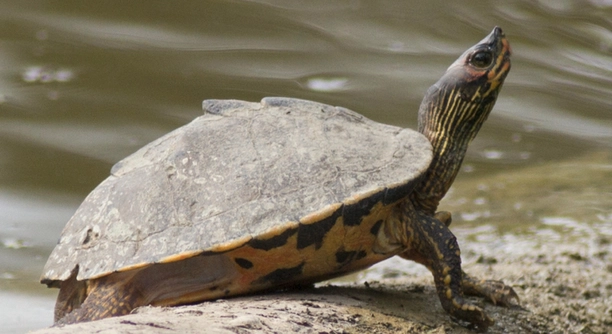
Indian Roofed Tortoises are often observed being more active at night. This behavior can raise curiosity for many owners. Understanding why they exhibit this pattern can help in creating the best environment for your pet.
The increased activity at night is linked to the natural behavior of Indian Roofed Tortoises, which are primarily crepuscular and nocturnal. They are more likely to forage, move around, and explore during the cooler nighttime hours to avoid daytime heat.
Exploring the reasons behind their nocturnal behavior will help you provide a more comfortable habitat for your tortoise and improve their overall well-being.
Why Do Indian Roofed Tortoises Have Nocturnal Habits?
Indian Roofed Tortoises are naturally adapted to be more active during the cooler hours of the day or at night. Their wild counterparts often roam at dusk and night, searching for food, mates, and shelter. The heat during the daytime makes it harder for them to stay active, so they tend to rest. In captivity, when they are kept in environments with a steady temperature, they may still follow this natural rhythm, becoming more mobile when the surroundings cool down in the evening. Tortoises are not nocturnal in the same way some animals are; instead, they are more likely to engage in activities like walking, foraging, and exploring as temperatures drop.
The main reason for this nighttime activity is simply temperature regulation. At night, the environment is cooler, making it easier for the tortoise to move around without the stress of the midday heat.
As temperatures rise during the day, these reptiles tend to retreat to cooler areas or stay hidden to avoid dehydration. At night, they feel more comfortable and tend to become more active. Understanding their natural rhythm can help owners provide the best care possible for them. Ensuring that their habitat offers enough space for nighttime activity will help them remain healthy. The environment should also have an appropriate level of humidity and be free from excessive heat, which could disrupt their natural cycles.
How Can You Support Your Tortoise’s Nocturnal Nature?
Supporting your tortoise’s preference for nighttime activity can make a big difference in its overall health. Provide a habitat that mimics their natural cycle, with temperature and humidity control to encourage this behavior.
Offer a spacious and safe area where they can explore, especially during the cooler evening hours. Adding hiding spots and textured surfaces will give them the opportunity to follow their instincts naturally.
Temperature and Its Impact on Activity
Temperature is one of the biggest factors that influence your tortoise’s activity patterns. When it’s too hot during the day, your tortoise will likely become sluggish and seek shelter. As the temperature drops at night, they feel more comfortable moving around.
A stable, cool environment at night allows your tortoise to stay active without the risk of overheating. This behavior mimics their natural habitat, where temperatures tend to be cooler during the night. By adjusting the temperature in their enclosure, you’ll encourage them to follow their natural activity cycle.
Maintaining the right temperature for your tortoise is key to their well-being. During the day, ensure they have a basking spot with higher heat, but make sure the surrounding area stays cooler. At night, make sure the temperature drops to a comfortable level, helping them feel more at ease to explore.
Creating a Comfortable Habitat for Your Tortoise
A comfortable habitat for your tortoise should reflect their need for nighttime activity. By providing the right environmental conditions, you’ll help your tortoise feel more comfortable and active.
Ensure the enclosure has enough space for your tortoise to roam around, especially during the night when they are most active. Including hiding spots and a variety of textures will allow them to engage in natural behaviors like burrowing or climbing. These additions also help reduce stress and promote well-being.
Proper humidity levels are equally important. Keeping the enclosure too dry can cause dehydration and make your tortoise less active. On the other hand, too much humidity can lead to respiratory problems. Strive for balanced humidity levels to promote your tortoise’s overall health.
Feeding and Its Role in Nighttime Activity
The timing of meals can influence when your tortoise is most active. If they are fed during the day, they may rest until nighttime to digest their food. Feeding them in the evening can trigger activity during their preferred active hours.
Offering food at night encourages your tortoise to explore and search for their meal. This matches their natural behavior, where they may forage for food during cooler periods. By adjusting their feeding schedule, you help sync their activity with their natural instincts, making them more likely to move around in the evening.
Stress and How It Affects Activity
Stress can also impact your tortoise’s behavior and activity levels. If your tortoise is stressed, they may retreat into their shell and avoid movement. This could disrupt their natural cycle of nighttime activity.
Factors like noisy environments, improper handling, or a cramped habitat can cause stress. If your tortoise is kept in a stressful environment, they may not be as active at night. Reducing stress is essential to keeping your tortoise healthy and encouraging them to move around during their preferred active hours.
The Importance of Routine
Maintaining a regular routine for your tortoise helps reinforce their natural rhythms. Establishing set times for feeding, lighting, and temperature changes creates a predictable environment for your tortoise. This encourages them to follow their instincts and become more active during the night.
FAQ
Why is my tortoise so active at night?
Tortoises, including the Indian Roofed Tortoise, are naturally crepuscular or nocturnal. This means they are more active during the cooler hours, such as early morning or late evening. When the temperature drops at night, they feel more comfortable to move around, forage, and explore. In captivity, even with controlled environments, they tend to follow this pattern. The nighttime offers relief from daytime heat, making it easier for them to stay active without the risk of overheating.
Can I change my tortoise’s activity schedule?
While it’s difficult to completely change a tortoise’s natural activity cycle, you can encourage a more daytime active routine by adjusting their environment. To do this, you can gradually alter the lighting and temperature. For example, make their habitat warmer during the daytime and ensure it cools down at night. However, it’s important to avoid drastic changes, as sudden shifts can stress your tortoise and disrupt its normal behavior. The key is consistency and allowing time for your tortoise to adjust.
How do I create a nighttime-friendly environment for my tortoise?
To support your tortoise’s natural nighttime activity, ensure the enclosure offers cool areas and comfortable spaces for them to move around. Use heat lamps or under-tank heaters to provide a warm basking spot during the day, but make sure the rest of the habitat stays cooler, especially at night. Providing hiding spots and different textures in the enclosure will also encourage natural movement. Keeping the humidity levels stable helps them feel comfortable too. When setting up their space, make sure it mimics the cooler environments they would experience at night in the wild.
Is it normal for my tortoise to sleep during the day?
Yes, it’s normal. Many tortoises, including the Indian Roofed Tortoise, sleep during the day and become more active at night. They do this because they are adapted to cooler temperatures in the wild, which they find at night. Their natural circadian rhythm is set to reflect this. As long as they have access to proper lighting, warmth, and humidity, sleeping during the day and being active at night is perfectly natural.
What time should I feed my tortoise?
Feeding time plays a role in your tortoise’s activity cycle. While it’s okay to feed them during the day, feeding them in the evening can encourage them to be more active at night. This is because tortoises, being natural foragers, will likely want to move around and look for food when they are most active. Keep in mind that feeding should be consistent. Whether you choose to feed during the day or evening, try to stick to the same time to avoid stressing your tortoise.
Can my tortoise be active during the day if I adjust the temperature?
Yes, adjusting the temperature can encourage daytime activity. If your tortoise seems sluggish during the day, it might be too hot, causing them to retreat into their shell. Make sure they have a cooler area to roam around in, while still providing a warm basking spot. A proper day-night temperature gradient in their habitat can help them feel comfortable throughout the day and night. However, it’s important not to make drastic changes, as that can stress them and impact their health.
What if my tortoise refuses to move around at night?
If your tortoise isn’t active at night, it could be due to stress, an improper habitat, or health issues. Ensure their enclosure provides the correct temperature and humidity levels. Tortoises may also not be active if they are sick, stressed, or not comfortable. A quiet, safe space with ample room to move around is essential. If the lack of activity persists, consider consulting a vet to rule out any health concerns.
How much space does my tortoise need for nighttime activity?
Space is important for any tortoise’s well-being. A larger enclosure gives them room to move around and engage in natural behaviors, like walking and foraging. For nighttime activity, ensure that their space is big enough to allow them to roam freely. This also provides opportunities for them to explore hiding spots or burrows, mimicking the natural environment. Make sure the space includes both warm and cool areas so they can regulate their body temperature as needed.
Should I worry if my tortoise is only active at night?
No, there is no need to worry if your tortoise is more active at night. It is a normal behavior for many tortoises, including the Indian Roofed Tortoise, to be active during cooler hours. However, if you notice significant changes in their activity levels or behavior, it’s always a good idea to check their habitat conditions or consult with a vet to ensure everything is in order.
How can I tell if my tortoise is stressed?
Signs of stress in a tortoise include lack of movement, hiding more often than usual, and refusing to eat. A stressed tortoise might also show signs of aggression or withdraw from interaction. Poor enclosure conditions, such as incorrect temperature or humidity, and sudden changes in their environment can lead to stress. If you suspect stress, observe your tortoise’s behavior closely and ensure they are in a calm, stable environment.
What do I do if my tortoise stops being active at night?
If your tortoise suddenly stops being active at night, check the temperature and humidity levels in their enclosure. A drop in temperature or an increase in humidity could cause them to retreat into their shell. Additionally, stress from handling or changes in their surroundings can cause inactivity. If their behavior persists, it may be a sign of a health issue, so a trip to the vet may be necessary to ensure everything is okay.
Final Thoughts
Understanding why your Indian Roofed Tortoise is more active at night is key to providing the best care for it. Their natural behavior is shaped by their need to stay cool and comfortable, which is why they often become more active when temperatures drop in the evening. Tortoises are not necessarily nocturnal, but they tend to be more mobile during the cooler hours to avoid the midday heat. This behavior is completely normal and should be embraced as part of their natural rhythm. By setting up their habitat to align with this pattern, you can ensure your tortoise stays healthy and content.
The environment you create for your tortoise plays a huge role in their activity levels. Proper temperature regulation is one of the most important factors in encouraging nighttime movement. If your tortoise’s habitat gets too hot during the day, they may become lethargic and avoid moving around. However, if you provide a cooler area at night, they’ll feel more comfortable to explore. Offering a spacious enclosure with hiding spots and textures also helps, as it allows your tortoise to feel safe and engaged. By paying attention to their specific needs, you can better support their natural behavior and improve their overall quality of life.
It’s important to remember that every tortoise is different. Some may show more daytime activity, while others may remain more active at night. This can depend on factors such as age, health, and the specific environment they are kept in. If your tortoise is not behaving as expected, it may be worth checking for signs of stress or health issues. Regularly observing their behavior and adjusting their habitat accordingly will go a long way in ensuring their well-being. With the right care, your Indian Roofed Tortoise can thrive and maintain its natural activity cycle.

Hello,
If you enjoy the content that we create, please consider saying a "Thank You!" by leaving a tip.
Every little bit helps us continue crafting quality advice that supports the health, happiness, and well-being of pets around the world, for pets of all shapes, sizes, and species.
We really appreciate the kindness and support that you show us!