
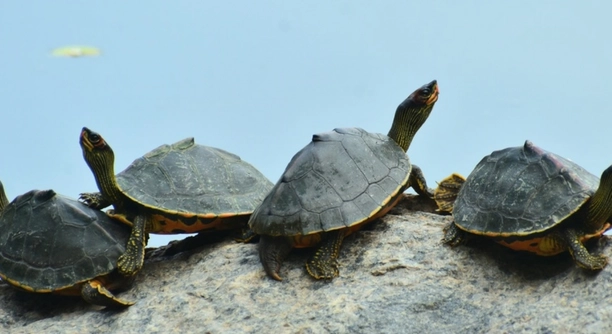
Keeping your Indian Roofed Tortoise’s water clean is essential for their health and well-being. It’s important to maintain the water quality to ensure they thrive in a safe environment. Clean water helps prevent illness and stress.
Maintaining clean water for your Indian Roofed Tortoise is essential to prevent bacterial growth and algae buildup. Regularly changing the water, adding filtration systems, and removing debris are key actions to ensure a clean habitat for your tortoise.
Proper water care is crucial for your tortoise’s overall health. Understanding how to maintain a clean water environment will ensure they stay happy and healthy. Keep reading to learn practical tips for improving their water quality.
1. Regular Water Changes
One of the easiest ways to keep your Indian Roofed Tortoise’s water clean is by regularly changing it. Tortoises are sensitive to water quality, and without frequent water changes, toxins can build up, leading to infections or other health problems. You should replace their water at least once a week, or more frequently if they’re particularly messy. When you change the water, try to clean the tank thoroughly by removing any leftover food, waste, or debris. The cleaner the water, the happier your tortoise will be.
Changing the water prevents the growth of harmful bacteria that can affect your tortoise. Regular water changes also reduce the buildup of algae.
In addition to weekly water changes, you can use a water siphon or turkey baster to remove debris from the bottom of the tank. If your tortoise tends to be messy, you may need to change the water more often. This extra step helps to keep the water clear and reduces the risk of bacterial growth, ensuring your tortoise stays healthy and comfortable.
2. Filtration Systems
A good filtration system can make a big difference in maintaining clean water for your tortoise. It helps to remove waste and toxins, keeping the water fresh for a longer period. When selecting a filter, ensure it is strong enough to handle the size of your tortoise’s tank.
Choosing the right filter is important for your tortoise’s habitat. A good filter will clear debris, food scraps, and waste, making your life easier and ensuring your tortoise’s health.
In addition to choosing the right filter, ensure it is properly maintained. Filters can become clogged over time, reducing their effectiveness. Clean the filter regularly and replace the filter media as needed. This will help the filter perform its job efficiently, keeping the water clean and clear. You can also use a sponge filter, which is gentle on small tortoises but still effective in maintaining water quality.
3. Remove Debris Immediately
Debris like uneaten food, leaves, and waste can quickly contaminate your tortoise’s water. The longer debris sits in the water, the more likely bacteria will grow, making the environment unhealthy for your tortoise. Remove leftover food after each feeding and clean up any waste immediately.
Keeping the water clean requires consistent attention to detail. It’s essential to monitor the tank regularly for debris and waste. Even small bits of food or droppings can negatively affect the water quality if left too long. Using a small net or aquarium vacuum can help remove unwanted particles efficiently.
Also, don’t forget about the tank’s surfaces. Check the corners of the tank and any decorations for hidden waste or algae buildup. The cleaner the tank and its surfaces, the better the water quality will remain. Cleaning the entire tank regularly will reduce the amount of debris that could affect your tortoise’s environment.
4. Temperature Control
Water temperature plays a big role in maintaining clean water. Water that is too warm encourages algae growth, while water that is too cold can stress your tortoise. Keep the water at an ideal temperature for your Indian Roofed Tortoise, around 75°F to 85°F.
Use a water heater if necessary to maintain a stable temperature. Tortoises thrive in water that is neither too hot nor too cold. By keeping the water at the proper temperature, you can prevent unwanted algae growth and help your tortoise stay healthy.
Also, monitor the water temperature with a thermometer to ensure it stays within the ideal range. A sudden change in temperature can stress your tortoise, causing health issues. Maintaining a consistent and appropriate water temperature reduces the chances of temperature-related problems, helping both you and your tortoise avoid any unpleasant surprises.
5. Avoid Overfeeding
Overfeeding your tortoise can lead to uneaten food sinking to the bottom of the tank. This rots and contaminates the water, creating an unhealthy environment. Feed your tortoise an appropriate amount of food, and remove leftovers after a short time.
Pay attention to the amount you feed your tortoise and adjust based on its size and activity level. Overfeeding not only pollutes the water but can also cause health problems for your tortoise. Regularly monitor their eating habits to ensure you’re providing the right amount of food.
6. Use a UVB Light
UVB light is crucial for your tortoise’s health and can indirectly help keep the water clean. UVB light promotes proper calcium metabolism and helps maintain a healthy immune system. If your tortoise is healthy, its waste will be easier to manage, leading to cleaner water.
Incorporating a UVB light into your tortoise’s setup also benefits its behavior and overall well-being. Tortoises need exposure to UVB light to regulate their body functions, and it helps improve their digestion. When your tortoise feels good, it contributes to a cleaner environment by producing less waste and being more active.
7. Use Plants for Filtration
Live plants not only provide your tortoise with a natural environment but also help keep the water clean. Plants absorb excess nutrients and help control algae growth. Aquatic plants like anacharis or duckweed are great for maintaining water balance.
Using live plants helps to naturally filter the water, reducing the buildup of harmful substances. They also provide a source of food and shelter for your tortoise, improving its overall environment. Make sure to regularly prune the plants to prevent them from overgrowing, which could lead to reduced water flow or blocked filtration systems.
FAQ
How often should I change my tortoise’s water?
You should change your tortoise’s water at least once a week, but if the tank is small or your tortoise is particularly messy, you may need to change it more frequently. If you notice the water getting cloudy or dirty sooner, consider doing partial water changes every few days to maintain the quality.
Can I use tap water for my tortoise?
Tap water can be used, but it depends on your local water quality. Some tap water contains chlorine or chloramine, which can be harmful to your tortoise. You can either let the water sit for 24 hours to let the chemicals dissipate or use a water conditioner designed for reptiles to remove chlorine and chloramine.
Is a filter necessary for my tortoise’s tank?
While a filter is not absolutely necessary, it makes keeping the water clean much easier. A filter helps remove debris, waste, and excess nutrients from the water, reducing the frequency of water changes. For a more stable environment, a good filter is highly recommended, especially if you have a larger tank.
How do I clean the tank properly?
To clean your tortoise’s tank, first remove the tortoise and any plants or decorations. Use a reptile-safe cleaning solution or a vinegar-water mixture to scrub the tank’s walls and bottom. Make sure to rinse thoroughly to remove any residue. Afterward, refill with fresh, conditioned water.
What plants can I use to help keep the water clean?
Live aquatic plants such as anacharis, duckweed, and water lettuce are great options for helping maintain clean water. These plants absorb excess nutrients in the water, preventing algae from growing. They also provide food and shelter for your tortoise, improving the overall habitat.
How can I prevent algae from growing in the water?
Algae thrive in water that is warm and has excess nutrients. To prevent algae growth, maintain proper water temperature, use a good filtration system, and avoid overfeeding your tortoise. Regularly clean the tank and consider adding live plants to help absorb nutrients and prevent algae buildup.
Should I add a heater to my tortoise’s water?
Adding a heater to your tortoise’s water is helpful if the water temperature fluctuates or if you live in a cooler climate. The ideal temperature for an Indian Roofed Tortoise is around 75°F to 85°F. A heater can help maintain a stable temperature, preventing stress on your tortoise and promoting better health.
How can I remove waste from the tank quickly?
To remove waste, use a small net or a turkey baster to suck up debris. If you have a larger tank, an aquarium siphon can be a great tool to quickly remove waste from the bottom. Regularly check for waste and clean it up immediately to maintain water quality.
Can I use chemical water treatments to clean the water?
While chemical water treatments can be effective at cleaning, it’s better to avoid them if possible, as they can sometimes harm your tortoise. Natural methods like frequent water changes, using a filter, and adding live plants are safer options. If you need to use a treatment, make sure it’s specifically designed for reptile habitats.
How do I know if the water quality is good for my tortoise?
Healthy water should be clear, free from debris, and free of any unpleasant odor. If the water is cloudy, has a foul smell, or is full of algae, these are signs that the water quality is poor. You can also use water testing kits designed for aquarium use to check for harmful chemicals or imbalances in the water.
What should I do if my tortoise’s water gets really dirty?
If the water gets extremely dirty, immediately remove your tortoise and clean the tank. Replace the water with fresh, conditioned water. Use a filter or an aquarium vacuum to clean out the debris, and ensure you’re changing the water more frequently in the future to prevent this from happening again.
How can I prevent my tortoise from making the water dirty so quickly?
To help keep the water cleaner longer, avoid overfeeding your tortoise and clean up any uneaten food immediately. Consider using a feeding dish or placing food on a raised platform above the water. Additionally, adding a filtration system and live plants can help manage waste and keep the water cleaner.
Is it necessary to use a UVB light in the tank?
UVB light is not directly related to water cleanliness, but it’s essential for your tortoise’s health. UVB helps your tortoise synthesize vitamin D3, which is needed to absorb calcium. Without UVB, your tortoise may suffer from metabolic bone disease, which could also affect its waste and overall tank environment.
How often should I clean the filter?
You should clean your filter at least once a month or as needed, depending on how dirty it gets. If the filter becomes clogged with debris, it won’t function properly. Regularly check the filter to make sure it’s working efficiently and replace any media when it starts to wear out.
What’s the best way to keep the water at the right temperature?
To maintain the right water temperature, invest in a good water heater with a thermostat. Check the water temperature regularly with a thermometer to ensure it stays between 75°F and 85°F. Avoid placing the tank in direct sunlight or near drafts, as this can cause temperature fluctuations.
Final Thoughts
Keeping your Indian Roofed Tortoise’s water clean is essential for its overall health and happiness. Maintaining a clean water environment prevents bacterial growth, algae buildup, and keeps toxins in check. Regular water changes, using a good filtration system, and monitoring the water temperature are all simple yet effective ways to ensure your tortoise thrives in a healthy habitat. It may seem like a lot of work, but with a bit of routine, the task becomes easier and less time-consuming. By focusing on these key factors, you’ll create a safe space for your tortoise to enjoy.
In addition to maintaining the water quality, it’s important to also pay attention to the overall setup of your tortoise’s tank. Regular cleaning of the tank, removing debris, and ensuring proper lighting all contribute to a more comfortable living space for your tortoise. Remember, a tortoise’s environment plays a big role in its physical and mental well-being. By creating a space that mimics its natural habitat, you can promote healthier growth, better behavior, and fewer health concerns down the road.
Lastly, don’t forget to observe your tortoise closely. If the water becomes cloudy or starts smelling bad quickly, it could be a sign of an underlying issue, such as overfeeding or insufficient filtration. It’s important to adjust your cleaning schedule or tank setup accordingly. A little effort each week can prevent bigger problems and keep your tortoise happy and healthy for years to come. With the right care and attention, your Indian Roofed Tortoise will not only enjoy a cleaner, safer environment but will also have a more fulfilling life.

Hello,
If you enjoy the content that we create, please consider saying a "Thank You!" by leaving a tip.
Every little bit helps us continue crafting quality advice that supports the health, happiness, and well-being of pets around the world, for pets of all shapes, sizes, and species.
We really appreciate the kindness and support that you show us!