
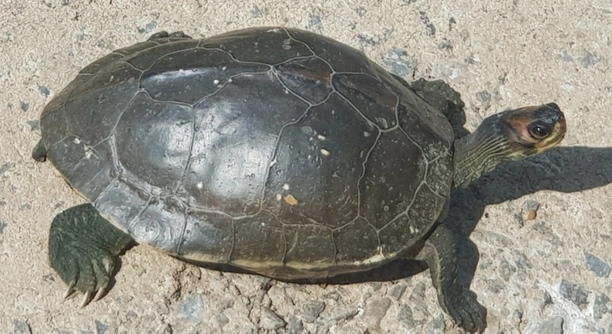
Do you ever wonder if your Indian Roofed Tortoise is getting the proper UVB light it needs? UVB exposure is crucial for their health, as it helps them absorb calcium and maintain strong bones.
The easiest way to ensure your tortoise gets enough UVB is by providing a UVB bulb that mimics natural sunlight. The bulb should be placed at the correct distance from the tortoise’s habitat and replaced regularly.
Proper UVB lighting can significantly impact your tortoise’s well-being. Learn how to create the ideal environment to keep your pet healthy and thriving.
Importance of UVB for Your Tortoise’s Health
UVB light plays a key role in helping your Indian Roofed Tortoise process vitamin D3. This vitamin is essential for calcium absorption, which supports healthy shell and bone growth. Without sufficient UVB exposure, your tortoise can develop metabolic bone disease, leading to weakened bones and a softened shell. This can be painful and severely impact their quality of life. UVB light also helps regulate your tortoise’s behavior and overall well-being. It’s not just about the shell—proper UVB lighting contributes to your tortoise’s general health and immune system.
UVB is necessary for the metabolism of vitamin D3 in reptiles. Without it, they cannot absorb calcium properly, leading to weak bones and other health issues.
When choosing UVB lights, it’s important to select the right type for your tortoise’s enclosure. Not all bulbs are equal, and some provide more UVB than others. Fluorescent tubes or mercury vapor bulbs are common choices. The placement of the light is also important. Keep the UVB light close enough to your tortoise to ensure it can soak up the rays but avoid too much distance, which may weaken the light’s effect. UVB bulbs need to be replaced every 6–12 months because their intensity diminishes over time.
Signs Your Tortoise May Not Be Getting Enough UVB
A lack of UVB light can show in your tortoise’s behavior and appearance. If your tortoise becomes lethargic or starts hiding more often, it might be a sign of insufficient UVB exposure.
Your tortoise may also experience a loss of appetite and show signs of weakness. If left untreated, these symptoms can worsen and lead to more serious health problems. Ensuring your tortoise has proper access to UVB light will help prevent these issues.
How to Set Up UVB Lighting for Your Tortoise
To provide the right UVB light, place a UVB bulb above your tortoise’s enclosure. The light should be positioned 8–12 inches from the tortoise, depending on the bulb’s strength. Ensure your tortoise has access to both UVB light and shade.
The UVB light should cover the majority of the enclosure, creating a gradient where your tortoise can move between light and shade. This setup mimics their natural habitat, giving them control over how much light they receive. It’s important to use a bulb designed specifically for reptiles, as standard household lights don’t emit UVB rays.
Make sure to replace the UVB bulb as recommended by the manufacturer. Over time, the bulb loses its ability to produce UVB, even if it still looks lit. Keep track of when it was installed and replace it every 6–12 months to maintain proper UVB levels.
How Long Should Your Tortoise Be Exposed to UVB?
Tortoises need around 10–12 hours of UVB exposure each day. This mimics the sunlight patterns they would naturally experience.
A consistent light schedule helps regulate your tortoise’s natural sleep-wake cycle. Use a timer to turn the UVB light on and off at the same time each day. This ensures your tortoise gets the proper amount of light and rest. If your tortoise’s enclosure has areas with natural sunlight, you can balance artificial UVB exposure with natural light, but make sure to avoid overheating.
Common Mistakes in UVB Lighting Setup
One common mistake is placing the UVB bulb too far from the tortoise. This reduces the effectiveness of the light.
Another mistake is not replacing the bulb on time. UVB bulbs lose intensity over time, and your tortoise may not get enough light if the bulb is too old.
How to Test UVB Lighting
You can use a UV meter to measure the amount of UVB being emitted. This tool helps ensure the light is at the right intensity for your tortoise.
Testing the light at different distances can help you find the optimal position for the UVB bulb. Make adjustments as needed to ensure proper exposure.
FAQ
How do I know if my tortoise is getting enough UVB?
If your tortoise is active, eating well, and showing normal behavior, it’s a sign that it’s getting enough UVB. A lack of UVB may cause lethargy, weakness, loss of appetite, and shell deformities. If you notice any of these signs, it’s time to check the UVB lighting.
Can my tortoise get enough UVB from sunlight alone?
While natural sunlight provides UVB, it’s often inconsistent. Clouds, time of day, and season affect how much UVB your tortoise gets. It’s safer to supplement with a UVB bulb to ensure they receive a steady amount of light year-round, especially if they’re housed indoors.
How often should I replace the UVB bulb?
UVB bulbs lose their effectiveness after 6 to 12 months, even if they still light up. The best approach is to replace the bulb regularly to ensure your tortoise gets the right amount of UVB. Mark the date you install a new bulb so you can track when it needs replacing.
Do UVB lights work at night?
UVB lights should be turned off at night to mimic the natural cycle of day and night. Your tortoise needs a rest period in complete darkness. Constant exposure to UVB light can lead to stress and affect your tortoise’s overall health.
How do I set up UVB lighting if my tortoise is in an outdoor enclosure?
If your tortoise spends time outdoors, natural sunlight may provide enough UVB. However, it’s important to monitor the exposure time to ensure it’s not too much, especially during peak sunlight hours. For extra assurance, consider adding a UVB bulb in the shaded area to guarantee they have a safe light source.
Can I use a regular light bulb for UVB?
No, regular light bulbs do not emit UVB. You must use a UVB bulb specifically designed for reptiles. These bulbs emit the proper UVB spectrum that tortoises need for their health. Ensure the bulb is the correct wattage for the size of your tortoise’s enclosure.
How far should the UVB light be from my tortoise?
The distance depends on the strength of the UVB bulb, but generally, a UVB light should be 8 to 12 inches from your tortoise’s shell. Too far, and it won’t provide enough UVB exposure; too close, and it could be too intense. Adjust the distance based on the bulb’s specifications.
What type of UVB light should I use for my tortoise?
You can choose between fluorescent tube lights or mercury vapor bulbs. Fluorescent tubes are good for smaller enclosures, while mercury vapor bulbs are more powerful and can provide both UVB and heat for larger setups. Be sure to pick a bulb that’s appropriate for your tortoise’s size and habitat.
How can I provide a light cycle for my tortoise?
A consistent light cycle is crucial for your tortoise’s health. Set up a timer for the UVB light to turn on and off at the same time every day, simulating natural daylight hours. This routine supports their natural circadian rhythm and helps regulate their behavior.
Can my tortoise get too much UVB?
Yes, too much UVB can cause health problems like skin damage or dehydration. Your tortoise should have a balance of UVB exposure during the day, followed by periods of rest in a shaded area. Make sure they have access to both light and dark spots in their enclosure.
How do I test the UVB output of my bulb?
Using a UV meter is the best way to check the output of your UVB bulb. These meters measure the strength of the UVB rays being emitted. They’re available at most pet stores or online. Make sure you check the output regularly, especially if the bulb is approaching its recommended replacement time.
Do I need to provide a basking area with UVB light?
Yes, providing a basking area with UVB light is essential for your tortoise. This allows them to regulate their body temperature and absorb UVB light. Set up a basking spot that’s within the optimal range for both heat and UVB exposure, ensuring your tortoise can enjoy both benefits.
How do I create a UVB gradient in my tortoise’s enclosure?
To create a UVB gradient, position the UVB bulb on one side of the enclosure. This allows your tortoise to choose between areas with different light intensities. Ensure that the side with the UVB bulb is strong enough for your tortoise to benefit, but not overwhelming. This setup mimics natural conditions.
Can UVB bulbs help my tortoise with shell growth?
Yes, UVB light helps tortoises process calcium, which is essential for shell growth and overall bone health. Without proper UVB exposure, tortoises may develop soft or deformed shells. Ensuring consistent UVB exposure will promote healthy shell growth and prevent these issues.
Is it safe to use a UVB light with other types of reptile bulbs?
Yes, many tortoises benefit from a combined setup with both UVB and heat bulbs. Heat lamps can create a warm basking area while UVB lights provide the necessary light for calcium absorption. Just be sure to provide both light and shaded areas so your tortoise can regulate its temperature.
Final Thoughts
Ensuring your Indian Roofed Tortoise gets enough UVB light is crucial for its health and well-being. UVB exposure helps your tortoise absorb calcium, which is necessary for strong bones and a healthy shell. Without proper UVB, your tortoise could face issues like metabolic bone disease, weakened bones, and even deformities in the shell. Setting up the right lighting and providing consistent UVB exposure is an easy yet important way to care for your pet.
The most important thing is to use the right UVB bulb and place it correctly within the enclosure. Remember that UVB light needs to be at the right distance from your tortoise. A bulb that is too far will not be effective, while one that is too close can cause excessive exposure. Replacing the UVB bulb regularly is also necessary, as its effectiveness decreases over time. Keeping track of when the bulb was installed and replacing it every 6 to 12 months will ensure your tortoise is getting the right amount of UVB light.
Finally, creating a balanced environment with both light and shaded areas will allow your tortoise to regulate its exposure to UVB light. It’s important to give your tortoise a space where it can bask in the light when it needs to, but also escape to a shaded area when it needs rest. A consistent day-night cycle, along with proper UVB lighting, will help support your tortoise’s natural rhythms and keep it healthy. Following these simple steps will help your tortoise live a long and happy life.

Hello,
If you enjoy the content that we create, please consider saying a "Thank You!" by leaving a tip.
Every little bit helps us continue crafting quality advice that supports the health, happiness, and well-being of pets around the world, for pets of all shapes, sizes, and species.
We really appreciate the kindness and support that you show us!