
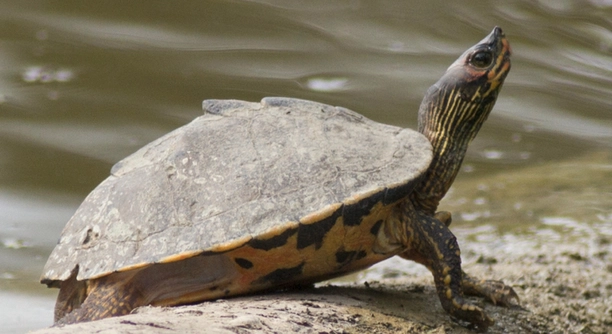
Sometimes, it can be puzzling when your Indian Roofed Tortoise starts digging, especially if it happens at night. Understanding this behavior is important for ensuring the well-being of your pet.
Tortoises, including the Indian Roofed Tortoise, may dig at night due to natural instincts such as seeking shelter, preparing for sleep, or establishing a territory. This behavior is typical and not usually a sign of stress or illness.
This behavior may stem from their natural instincts and environmental factors. Learning more about it can help ensure your tortoise is comfortable and healthy.
Why Do Tortoises Dig?
Digging is a common behavior in tortoises, and it can occur at various times, including at night. In the wild, digging helps them create burrows for protection from predators and the weather. Your Indian Roofed Tortoise might be mimicking this behavior as part of its natural instincts. It could be searching for a safe space to rest, regulate its body temperature, or even explore its environment. While digging at night might seem odd, it’s simply part of what tortoises do when they feel the need to secure themselves.
Tortoises may dig because they feel more secure in a burrow-like environment. In the wild, they dig to create a safe spot where they can sleep undisturbed.
If your tortoise digs only at night, it’s often because it’s more active during these hours. Tortoises are generally crepuscular, meaning they’re active during dawn and dusk. At night, they instinctively dig to find shelter or a cool spot to rest. This activity is natural for them, and it’s not usually a cause for concern unless accompanied by other signs of distress. Sometimes, the digging could be related to their search for food, water, or a comfortable place to sleep.
Should You Be Concerned?
In most cases, digging at night is perfectly normal. However, if your tortoise’s digging is excessive or seems to be paired with other troubling behaviors, it could indicate discomfort or an unsuitable habitat.
For example, improper temperature or humidity levels might make your tortoise dig more often as it tries to find a more suitable environment. If the tank is too hot or dry, they might be seeking a cooler, more humid place to settle. Ensure your pet’s habitat mimics its natural environment as closely as possible.
In addition, stress from overcrowding or lack of proper hiding spots can cause tortoises to dig excessively. If the digging continues or becomes a regular issue, it may be time to adjust their enclosure. A larger space with more hiding spots, a proper temperature gradient, and a humidity-controlled environment should help reduce this behavior. Also, providing a shallow digging spot could offer a more suitable area for your tortoise to engage in this behavior without harm.
Environmental Factors That Impact Digging
Temperature and humidity are important factors to consider when it comes to digging. Tortoises need a specific temperature range to stay comfortable, and an environment that’s too hot or too cold can trigger digging. If the habitat is too dry, they may dig to search for moisture or a cooler area to rest.
When the environment isn’t right, your tortoise may dig more than usual. If it’s too hot or dry, they might be trying to find a cooler spot. Similarly, if the temperature is too low, they might be digging to regulate their body heat. Make sure your tortoise’s enclosure has a temperature gradient to allow them to move between warmer and cooler areas. Also, providing humidity through misting or a humidifier will help prevent excessive digging caused by dryness.
The type of substrate you use in your tortoise’s enclosure can also influence their digging behavior. If you’ve used a substrate that’s too loose, it might encourage digging as your tortoise tries to make a nest or find shelter. Using a more solid material like coconut coir or a mix of soil and sand can help prevent over-digging while still offering a suitable space for them to explore.
The Role of Food and Hydration
A tortoise’s diet can sometimes affect its digging behavior. If your tortoise isn’t eating or drinking enough, it may dig in search of food or water. In some cases, they may dig as a way of “storing” food for later consumption, a behavior observed in their wild relatives.
If your tortoise seems to dig more when it’s hungry or thirsty, it could be trying to find food or water. Ensuring that your tortoise always has access to fresh water is essential to its health. A variety of food options, including leafy greens and occasional fruits, will also help. It’s important to monitor its food intake and ensure they are getting the nutrients they need. Avoid overfeeding as well, as it could lead to other health issues.
The digging behavior may also be triggered by the need to dig for food. Tortoises in the wild often search for food by digging. By offering a balanced diet that is always available, you can help prevent this behavior from becoming excessive. A consistent feeding schedule will also ensure your tortoise is not digging out of hunger.
Signs of Stress and How They Relate to Digging
Stress can sometimes cause your tortoise to dig more than usual. If the environment feels unsafe, they may dig as a way of coping. Changes in the enclosure or household, such as new animals or loud noises, can make them anxious.
If your tortoise has been digging more frequently or aggressively, stress might be the cause. Tortoises are sensitive to changes, and anything that disrupts their routine can lead to this behavior. Ensure their enclosure is in a quiet, calm area of the house. Avoid sudden changes and maintain a consistent environment to reduce stress.
Handling your tortoise too much or introducing new pets can also lead to stress-induced digging. Keep your tortoise’s space as stable and predictable as possible. If they seem more anxious, consider providing extra hiding spots where they can feel secure. This helps them reduce stress and feel more comfortable in their habitat.
Providing the Right Space for Digging
Your tortoise needs an appropriate space to dig. A tank or enclosure that is too small might not allow them to engage in natural digging behavior. They need enough room to move around, explore, and dig without feeling cramped.
A larger enclosure will give your tortoise more freedom to exhibit natural behaviors, including digging. Make sure the space has enough room for your tortoise to explore without restrictions. If the tank is too small, it can lead to frustration, causing them to dig excessively in search of a better place to hide or rest.
Is It Time for a New Substrate?
If your tortoise’s digging is becoming more frequent, the substrate could be the issue. A substrate that’s too deep or too loose can encourage unnecessary digging. The right substrate should allow them to dig naturally without overdoing it.
A good substrate option for your tortoise would be something that mimics their natural environment, such as a mix of soil and sand. This allows for digging while still being comfortable. Avoid using materials that are too soft or loose, as they can encourage excessive digging, which can be stressful for your tortoise.
FAQ
Why does my Indian Roofed Tortoise dig at night?
Tortoises are naturally crepuscular, meaning they are more active during dawn and dusk. Your Indian Roofed Tortoise might dig at night because it’s simply more active at that time. Digging could be related to finding a comfortable spot to sleep or regulating its body temperature. Nighttime digging is normal and part of their natural behavior, often linked to their instinct to create shelter for rest.
How much digging is too much for my tortoise?
If your tortoise is digging excessively, it could be a sign of stress, discomfort, or an unsuitable environment. It’s essential to observe your tortoise and see if the digging is accompanied by other signs of distress, such as lack of appetite, changes in behavior, or lethargy. A little digging is normal, but if it becomes constant or disruptive, you may need to assess their habitat and make adjustments, such as increasing space, adjusting temperature, or changing the substrate.
What can I do to stop my tortoise from digging at night?
While digging is a natural behavior, there are a few things you can do to reduce it. Ensure your tortoise’s enclosure has the right temperature and humidity, as improper conditions can encourage digging. Providing enough space, hiding spots, and offering a comfortable, cool area can also help. Avoid disturbing your tortoise at night, as they may dig more out of anxiety or frustration.
How do I know if my tortoise is stressed?
Signs of stress in tortoises can include excessive digging, loss of appetite, inactivity, or aggression. If you notice your tortoise is more irritable or reluctant to eat or move, these may be signs they are stressed. Stress can also result from improper environmental conditions, overcrowding, or handling. Make sure their space is quiet, safe, and consistent.
Can stress cause my tortoise to dig more?
Yes, stress is one of the factors that can lead to increased digging. Tortoises may dig to create a safe space or out of frustration if they feel threatened or uncomfortable in their environment. Changes in temperature, noise, or new animals in the household can contribute to stress. Reducing these stressors and providing a calm, stable environment can help decrease unnecessary digging.
How can I provide the best habitat for my tortoise to prevent excessive digging?
Ensure that your tortoise’s habitat is spacious enough for them to move around comfortably. Use a suitable substrate, such as a mix of soil and sand, to allow digging without encouraging it excessively. Keep the temperature and humidity within the recommended ranges. Regularly check that their enclosure is free from noise and disturbances, as stress can lead to digging. Also, consider adding hiding spots where they can feel secure.
What are the best substrates for my tortoise’s digging behavior?
A good substrate should mimic your tortoise’s natural environment, allowing them to dig without making it a habit. A mix of soil and sand works well because it’s firm but still gives them enough freedom to dig. Avoid using loose, overly soft substrates like peat moss, as these can encourage constant digging. Also, ensure the substrate is deep enough to allow some digging but not too deep to cause frustration.
Is it normal for my tortoise to dig in one spot all the time?
It is normal for tortoises to dig in one spot, especially if they are trying to create a safe, comfortable space. They might be searching for cooler or warmer ground, or trying to build a nest. However, if the digging becomes repetitive or excessive in the same spot, it could signal discomfort or the need for a habitat change. Make sure their space has different areas with varying temperatures and humidity to encourage more natural behavior.
Can I stop my tortoise from digging completely?
While you can manage and reduce excessive digging by adjusting the habitat, completely stopping a tortoise from digging isn’t possible. Digging is a natural and instinctual behavior for tortoises. Instead of trying to prevent it, focus on ensuring that your tortoise has a safe and comfortable space to engage in this behavior without it becoming a sign of stress or discomfort.
Should I be worried if my tortoise is digging during the day?
Daytime digging is less common but still natural for tortoises. If your tortoise is digging more than usual during the day, it may be trying to find a cooler or more comfortable area. It could also be a sign that the environment is too hot or too dry. If daytime digging is persistent, check the temperature and humidity levels in the enclosure, and make adjustments as needed.
How do I provide the right temperature for my tortoise to reduce excessive digging?
Tortoises require a temperature gradient in their enclosure, with one area being warmer and another cooler. The warm side should range from 85°F to 90°F (29°C to 32°C), while the cooler side should be between 70°F and 75°F (21°C to 24°C). A heat lamp can help maintain warmth on one side, and the cool side should be shaded or have better ventilation. Proper temperature control reduces stress and encourages natural behavior.
Does humidity affect my tortoise’s digging behavior?
Yes, humidity can play a role in your tortoise’s digging behavior. If the environment is too dry, your tortoise may dig more to find moisture or a cooler space. Ensure the humidity level in the enclosure is appropriate for your species. Indian Roofed Tortoises, for example, thrive in a moderate humidity level. Consider adding a water dish or misting the enclosure to maintain humidity.
Final Thoughts
Understanding why your Indian Roofed Tortoise digs, especially at night, can help you create a better environment for it. Digging is a natural behavior for tortoises, and in most cases, it’s nothing to worry about. Tortoises dig for many reasons: to regulate their temperature, find a comfortable spot to sleep, or follow their natural instincts. It’s common for them to dig at night since they are more active during the early morning and evening hours. As long as your tortoise’s digging isn’t excessive or linked to other concerning behaviors, it’s usually a sign that they’re simply acting according to their instincts.
However, there are times when digging can become a sign of stress or discomfort. If your tortoise seems to be digging more than usual, it’s important to assess their environment. The temperature and humidity levels in the enclosure should be checked and adjusted to meet the needs of your tortoise. If the space is too small or there are too few hiding spots, your tortoise might dig more in search of a better spot to rest or feel secure. Creating a more comfortable environment, including providing enough space, appropriate substrate, and stable conditions, can help minimize unnecessary digging.
In the end, while digging is part of a tortoise’s natural behavior, the way they dig and how much they do it depends heavily on their surroundings. Paying attention to environmental factors like temperature, humidity, and space will help you ensure your tortoise feels safe and comfortable. Keeping their enclosure in good condition and reducing stressors like loud noises or sudden changes will also keep them calm. By understanding the reasons behind the digging, you’ll be better equipped to provide a habitat that meets their needs, ensuring your tortoise remains healthy and content.

Hello,
If you enjoy the content that we create, please consider saying a "Thank You!" by leaving a tip.
Every little bit helps us continue crafting quality advice that supports the health, happiness, and well-being of pets around the world, for pets of all shapes, sizes, and species.
We really appreciate the kindness and support that you show us!