
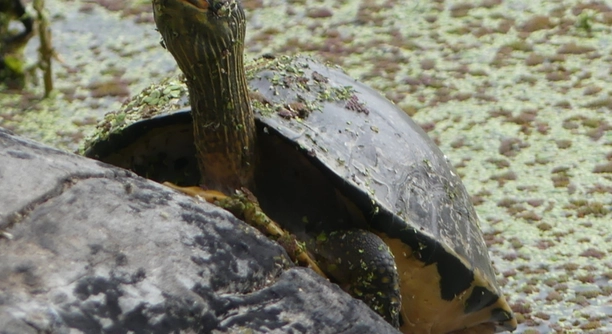
Indian Roofed Tortoises need the right kind of substrate to thrive. Choosing the right bedding for them is essential for their comfort and health. The wrong choice can lead to various problems, so it’s important to make an informed decision.
The ideal substrates for Indian Roofed Tortoises are safe, non-toxic, and mimic their natural habitat. Materials like coconut coir, organic soil, and cypress mulch are great options. These substrates ensure proper humidity, comfort, and health for your tortoise.
There are many substrates to choose from, but not all are safe for your tortoise. Understanding the best options can help create a healthy environment for them to thrive.
Why Substrate Matters for Indian Roofed Tortoises
Choosing the right substrate for your Indian Roofed Tortoise is crucial. It affects not only their comfort but also their health. A good substrate helps maintain proper humidity levels, provides insulation, and offers a surface that encourages natural behaviors. These tortoises are native to dry areas, so their bedding needs to reflect that. When picking a substrate, make sure it’s safe and easy to clean. It should also retain moisture to help maintain the right humidity levels, which is important for their overall well-being. Using the wrong material can lead to skin irritation, respiratory issues, or even digestion problems if ingested.
In addition to supporting their health, a proper substrate can make your tortoise feel more at home. It gives them the opportunity to burrow, which is something they would do in the wild. Creating a comfortable environment can reduce stress and improve their quality of life.
If you get the bedding right, your tortoise will have a space to thrive in. This contributes to their happiness and well-being over time.
Safe Substrates to Consider
Several substrates are great choices for Indian Roofed Tortoises.
Coconut coir, organic soil, and cypress mulch all offer ideal conditions for your tortoise. These materials provide the proper moisture balance while ensuring comfort.
Coconut coir is highly popular because it holds moisture well without becoming too soggy. It also offers a soft surface for your tortoise to roam on. Organic soil is another good option because it’s easy to clean and natural. Make sure the soil is pesticide-free and free of any harmful chemicals. Cypress mulch is also a great choice. It’s known for its ability to retain moisture and prevent the growth of harmful bacteria. These substrates allow your tortoise to burrow, which is an essential behavior for them. They mimic the natural environment of their species, allowing for both mental and physical stimulation. Additionally, these materials help keep the humidity levels balanced, which is important for your tortoise’s skin and overall health.
It’s important to avoid any substrates that are too dusty or that might irritate their respiratory system. Choosing a safe, comfortable substrate will make a big difference in their quality of life.
What to Avoid in Substrates
Some materials are simply not suitable for Indian Roofed Tortoises.
Sand and gravel can be harmful for tortoises. Sand is too coarse, and if ingested, it can cause serious digestive issues. Gravel might seem harmless, but it can cause injuries if the tortoise accidentally swallows it. These materials can also harbor bacteria, which can make your tortoise sick. Additionally, they don’t retain moisture well, leading to humidity imbalances. It’s best to stay away from anything sharp or rough that could cause harm to your tortoise’s delicate skin or digestive system.
You should also avoid using pine or cedar shavings. These types of wood shavings emit aromatic oils that are toxic to many reptiles, including tortoises. The strong scent can irritate their respiratory system and affect their overall health. Pine and cedar are also known to cause skin irritation. If you use any wood shavings, make sure they are untreated and safe for reptiles. It’s essential to select a bedding material that is as natural and chemical-free as possible to prevent health problems.
Another material to avoid is any substrate that is not dust-free. Dusty substrates can lead to respiratory problems, making it harder for your tortoise to breathe properly. This can cause long-term health issues, especially in tortoises that are kept in poorly ventilated areas. Always choose a substrate that is clean, free of excess dust, and easy to maintain.
Benefits of the Right Substrate
Using the right substrate offers several benefits for your tortoise’s health and well-being.
A suitable substrate helps maintain a stable humidity level, which is essential for your tortoise’s health. This prevents skin issues and helps in digestion. Keeping the right moisture balance also allows your tortoise to stay hydrated without becoming too wet, which could lead to shell rot or mold growth. The right bedding material can mimic their natural environment, providing them with a sense of security and comfort. This encourages natural behaviors like burrowing and exploring, which are important for mental stimulation.
The right substrate can also help in creating a habitat that is easy to clean and maintain. Materials like coconut coir and organic soil break down waste efficiently, keeping your tortoise’s environment clean and sanitary. This reduces the risk of bacterial infections and keeps your pet healthy in the long run. In addition, maintaining the substrate is simpler, as you won’t need to replace it as often. A well-maintained enclosure reduces the chance of odor buildup and keeps your tortoise’s home smelling fresh.
Choosing the right substrate makes it easier to care for your tortoise while ensuring that they thrive in their environment. It’s a simple way to contribute to their happiness and longevity.
Substrate Depth for Indian Roofed Tortoises
The depth of your substrate matters when setting up your tortoise’s enclosure.
A good substrate depth encourages natural behavior like burrowing. For most tortoises, a depth of 3 to 4 inches is ideal. This allows them to dig and move around freely.
When the substrate is deep enough, it also helps in maintaining humidity levels by retaining moisture. The added depth allows for better moisture retention, keeping your tortoise comfortable. Make sure the substrate isn’t too deep, though, as excessive depth can cause stress or confusion.
Monitoring Humidity
Humidity plays a key role in keeping your tortoise healthy.
Maintaining proper humidity is crucial, especially for tortoises in a dry environment. Too little moisture can lead to dehydration and skin problems.
The right substrate helps with humidity control by retaining just enough moisture. Materials like coconut coir and organic soil naturally support a balanced moisture level, preventing your tortoise’s habitat from becoming too dry. If necessary, you can also use a humidity gauge to keep track. Too high humidity, however, can lead to respiratory issues, so balance is important.
Substrate Maintenance
Keeping your tortoise’s substrate clean is important for their health.
Regular spot cleaning is key. Remove uneaten food, waste, and any soiled substrate to avoid bacterial growth. Periodically replace part of the bedding to keep it fresh.
Substrate should also be replaced completely every 6 to 12 months. This will help maintain a healthy environment. Clean water and proper food should be given alongside a well-maintained substrate to support the overall health of your tortoise.
FAQ
What is the best substrate for Indian Roofed Tortoises?
Coconut coir, organic soil, and cypress mulch are the best substrates for Indian Roofed Tortoises. These materials are safe, natural, and help maintain proper humidity. They also allow tortoises to dig and exhibit natural behaviors. Avoid substrates that are dusty or toxic, like sand and pine shavings.
Can I use sand as a substrate for my tortoise?
No, sand is not a good option for Indian Roofed Tortoises. It can cause digestive problems if ingested, as it may lead to impaction. Additionally, sand doesn’t hold moisture well, which can disrupt the humidity levels needed for your tortoise’s health. Stick to safe, moisture-retentive materials like coconut coir instead.
Is it safe to use coconut coir for tortoises?
Yes, coconut coir is an excellent choice for tortoises. It holds moisture well, helps maintain humidity, and is soft enough for them to walk on comfortably. It’s natural, non-toxic, and easy to clean, making it one of the best substrates for your Indian Roofed Tortoise.
How deep should the substrate be for my tortoise?
A substrate depth of 3 to 4 inches is ideal. This allows your tortoise to burrow and move naturally. Having enough depth also helps retain moisture, providing a more stable environment. Be careful not to use too much depth, as it may create stress or confusion for your tortoise.
Can I use wood shavings like pine or cedar for my tortoise?
No, you should avoid using pine or cedar wood shavings for your tortoise. These woods contain oils that are toxic to reptiles and can lead to respiratory issues or skin irritation. Instead, use safe materials like coconut coir or organic soil that are free from harmful chemicals.
How often should I clean the substrate in my tortoise’s enclosure?
You should clean your tortoise’s substrate regularly by spot cleaning it daily. Remove any waste, uneaten food, and debris. About once a month, replace part of the substrate to ensure freshness. Every 6 to 12 months, replace all the substrate completely to maintain a clean and healthy environment.
What humidity level is best for Indian Roofed Tortoises?
Indian Roofed Tortoises thrive in humidity levels of 50-60%. Maintaining the right humidity is crucial for their health, especially to prevent dehydration and skin problems. The substrate you use, such as coconut coir or organic soil, will help retain moisture and maintain this balance.
Can I use gravel or small rocks as a substrate?
Gravel and small rocks should be avoided as substrate for tortoises. They can cause injuries if swallowed, and they don’t retain moisture. Additionally, they don’t allow tortoises to burrow, which is a natural behavior for them. Stick to softer, moisture-retentive materials like coconut coir.
Can I use soil from my garden?
You can use soil from your garden, but it must be free of pesticides, chemicals, and fertilizers. Ensure that the soil is dry and clean before placing it in the enclosure. It’s better to use organic soil designed for reptiles to avoid any risks associated with garden soil.
Is it necessary to add moisture to the substrate?
Yes, adding moisture to the substrate is important, especially for Indian Roofed Tortoises. The moisture helps maintain the right humidity level. You can lightly mist the substrate with water to keep it moist but not overly wet. Coconut coir and organic soil retain moisture well, so they don’t need constant misting.
Can I use newspaper or paper towels as a substrate?
While newspaper or paper towels are easy to clean, they are not ideal substrates for tortoises. They don’t provide the natural environment tortoises need, and they don’t allow for behaviors like burrowing. It’s better to use a more natural substrate like coconut coir, which supports the tortoise’s well-being.
How can I tell if my tortoise’s substrate is too wet?
If the substrate becomes too wet, it can cause mold growth or create an environment that is too humid, leading to respiratory issues. You’ll know it’s too wet if it’s soggy or smells musty. If this happens, replace the substrate immediately and adjust your humidity control.
Should I use a heating lamp with my tortoise’s substrate?
A heating lamp can help maintain the appropriate temperature in your tortoise’s enclosure, but make sure it doesn’t dry out the substrate too much. Heat is important for digestion, but high temperatures can cause the substrate to become overly dry, affecting humidity levels. A balanced temperature and humidity are key for your tortoise’s health.
Can I mix different types of substrates?
Yes, mixing substrates can be a good idea. For example, combining coconut coir with organic soil can give you the benefits of both materials. Just make sure the combination still supports proper humidity and is safe for your tortoise. Avoid using materials that can become dusty or harmful when mixed.
What should I do if my tortoise eats the substrate?
If your tortoise eats the substrate, it could lead to digestive problems, such as impaction. Monitor your tortoise closely and try to prevent them from eating large amounts of bedding. If this happens frequently, consider switching to a safer, softer substrate like coconut coir. If your tortoise shows signs of illness, consult a vet immediately.
Can I use sand as a part of a mixed substrate?
It’s best to avoid sand entirely. Even as part of a mixed substrate, sand can still pose a risk for impaction. It doesn’t retain moisture well, and it’s difficult to ensure the sand remains free of dust. Stick with safer materials like coconut coir or organic soil to avoid potential health issues.
Final Thoughts
Choosing the right substrate for your Indian Roofed Tortoise is essential for their health and comfort. The right material will provide the proper moisture levels, encourage natural behaviors like burrowing, and create a safe environment. Safe substrates like coconut coir, organic soil, and cypress mulch are great choices, as they mimic the tortoise’s natural habitat. They help maintain humidity, are easy to clean, and support the overall well-being of your pet. On the other hand, substrates like sand, gravel, and pine or cedar shavings should be avoided, as they can cause digestive issues, respiratory problems, or skin irritation.
The depth of the substrate also plays a crucial role. A depth of 3 to 4 inches allows your tortoise to dig, which is a natural behavior. This depth also helps maintain humidity levels by retaining moisture. Keeping the enclosure clean and replacing the substrate regularly is important for maintaining a healthy habitat. Spot cleaning daily and replacing the substrate completely every 6 to 12 months ensures a fresh and sanitary environment. Additionally, monitoring the humidity level is key to preventing dehydration or skin problems.
Ultimately, providing the right substrate is a simple yet important way to ensure your Indian Roofed Tortoise thrives. It’s about creating a comfortable, safe, and healthy space where they can live naturally. Regular maintenance and choosing the proper substrate will lead to a happier and healthier tortoise. By paying attention to their bedding, you help them stay healthy, stress-free, and enjoy their home to the fullest.

Hello,
If you enjoy the content that we create, please consider saying a "Thank You!" by leaving a tip.
Every little bit helps us continue crafting quality advice that supports the health, happiness, and well-being of pets around the world, for pets of all shapes, sizes, and species.
We really appreciate the kindness and support that you show us!