
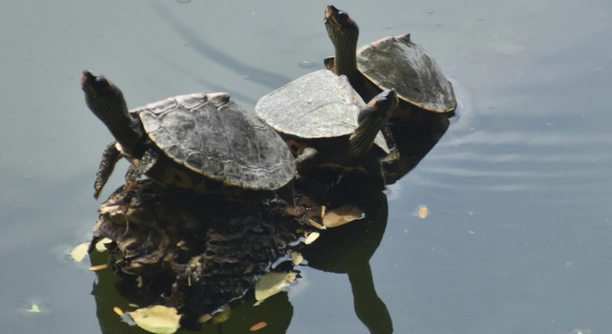
Indian Roofed Tortoises are known for their unique behavior, but when you notice your pet banging its shell on objects, it can be a bit concerning. Understanding the reasons behind this action will help you address it properly.
The behavior of banging its shell on objects can be a sign of stress, curiosity, or even an attempt to communicate. It may also be linked to territorial or environmental factors that cause discomfort.
Recognizing these potential triggers will help you provide the best care for your tortoise and prevent unwanted behavior from becoming a habit.
Common Reasons for Shell Banging
Tortoises are naturally curious animals, and banging their shell on objects could simply be a way for them to explore their environment. They use their shells as protection, but that doesn’t stop them from testing out how they interact with their surroundings. When a tortoise taps its shell on surfaces, it could be trying to get a reaction or simply learning more about its habitat. This behavior might be more noticeable in younger tortoises as they learn and grow.
This type of behavior is also linked to physical activity, as tortoises are known to move around and interact with objects in their space.
When your tortoise seems to be banging its shell, it’s often part of its natural instincts to assess and engage with its environment. However, it’s important to observe if this behavior occurs excessively or if it becomes disruptive to its well-being. By ensuring the habitat is comfortable and free from stressors, you can help prevent overactive shell-banging behavior.
Stress Factors Leading to Shell Banging
A stressed tortoise can display a variety of behaviors, including banging its shell.
Changes in their living environment, such as temperature shifts, new tank mates, or a lack of space can cause your tortoise to feel anxious. A tortoise that is confined in a small area may resort to banging its shell against objects in frustration. Similarly, an overcrowded habitat can lead to territorial issues, and your tortoise may start to assert itself by bumping into surfaces.
Stress can lead to long-term health issues, especially if the tortoise feels it cannot escape its discomfort. To avoid this, it’s essential to maintain a stable environment where the tortoise can feel secure. Regularly check the temperature, humidity levels, and lighting, and make sure there’s plenty of space for the tortoise to roam around. If the stress is related to the presence of other animals, you may need to reconsider the tank arrangement or isolation.
Exploring Curiosity
Tortoises are naturally curious creatures, and they tend to use their shells to interact with their environment. Shell banging can simply be an act of exploring.
By tapping their shells on nearby objects, tortoises are learning about their surroundings. They may be testing boundaries, figuring out how objects feel, or even discovering whether something is movable. This kind of behavior is especially common in younger tortoises that are still becoming familiar with their space. The shell serves as a protective barrier, and tapping it against surfaces can help them feel safe while exploring.
While it can seem odd to us, shell banging is often harmless. However, it can become an issue if the behavior escalates or is linked to something more stressful, like a lack of space or comfort. By ensuring their habitat is enriching, you can help prevent excessive curiosity-driven shell banging.
Lack of Proper Space
If your tortoise doesn’t have enough space to roam, it can become frustrated and start banging its shell.
Tortoises need enough room to move freely, exercise, and explore. Without sufficient space, they might begin displaying behaviors like shell banging as a way to express their discomfort. If a tortoise is confined in a too-small tank, the limited space can lead to stress. Over time, this stress could also negatively impact their health. It’s essential to provide a proper enclosure with enough space for them to roam and explore.
If you notice shell banging happening frequently, it’s a good idea to reassess your tortoise’s living space. A larger habitat or more areas for exploration can help reduce this behavior. Ensure there are plenty of hiding spots and items they can interact with to reduce frustration.
Environmental Stressors
Changes in temperature or lighting can cause stress for your tortoise, leading to shell banging.
If the temperature in the tank is too hot or cold, or the lighting is inadequate, your tortoise may become agitated. This discomfort can result in unusual behaviors like banging its shell. It’s essential to maintain a consistent and optimal environment for your pet.
Make sure the tank temperature stays between 75°F to 85°F, with a basking spot that can reach around 90°F. Proper UVB lighting is also important for your tortoise’s health and comfort. By addressing these factors, you can reduce stress and help prevent shell banging.
Boredom and Lack of Stimulation
Tortoises need mental and physical stimulation to thrive.
Without enough enrichment, they may resort to banging their shell out of boredom. Providing them with objects to climb on, hide in, or investigate will keep them mentally engaged. This can include rocks, logs, or safe plants. Regularly changing up their environment keeps things interesting.
Health Concerns
Health problems can sometimes manifest as shell banging.
If your tortoise is in pain or discomfort due to injury, shell damage, or an illness, it may engage in this behavior. Keep an eye out for other signs of distress, like lack of appetite or lethargy. Regular check-ups with a vet are important for identifying and treating potential health issues.
FAQ
Why is my tortoise banging its shell?
Tortoises can bang their shells for a variety of reasons, including curiosity, stress, boredom, or discomfort. They may tap their shells against objects simply to explore their environment or figure out if something is movable. However, if the behavior becomes frequent, it could indicate stress or frustration, especially if the tortoise is confined in a small space or facing temperature changes.
Is shell banging a sign of aggression?
No, shell banging is generally not a sign of aggression. Tortoises are not naturally aggressive animals, and their shell banging is more likely related to exploration, stress, or environmental factors. However, if your tortoise starts banging its shell more intensely when other animals are present, it may be a sign of territorial behavior. If this behavior is linked to an increase in aggression, it’s worth considering their living arrangements and whether the enclosure needs adjustments.
Can shell banging hurt my tortoise?
While occasional shell tapping is usually harmless, excessive banging could potentially cause damage over time. If the surface the tortoise is banging against is hard or sharp, there’s a chance it could injure the shell. It’s important to keep an eye on this behavior, especially if it starts to cause visible damage or if your tortoise seems distressed.
How can I stop my tortoise from banging its shell?
To prevent shell banging, start by ensuring your tortoise has enough space to roam and explore. A larger enclosure can make a big difference in reducing frustration. Keep the environment enriched with objects that the tortoise can safely interact with, such as logs, rocks, or hiding spots. Also, check the temperature, humidity, and lighting to make sure they are within the proper range. If the shell banging persists, consider reducing stressors and creating a more comfortable environment.
Should I be concerned if my tortoise bangs its shell every day?
If your tortoise is consistently banging its shell, it could be a sign of stress or frustration, especially if the behavior is repetitive. While it’s not uncommon for tortoises to occasionally tap their shells, constant banging may indicate that something in the environment isn’t right. It could be related to a lack of space, poor habitat conditions, or even social stress from other animals. Observing your tortoise closely and adjusting its living space and conditions is essential.
Can my tortoise be playing when it bangs its shell?
It’s possible that your tortoise is playing when it taps its shell against objects. Tortoises, especially younger ones, can engage in exploratory behavior that may look like play. If they have plenty of space and environmental enrichment, shell banging might simply be their way of investigating their surroundings. However, it’s important to monitor the frequency and intensity of the behavior. If it seems excessive or if the tortoise appears stressed, it’s worth reassessing its environment.
What should I do if my tortoise’s shell is damaged from banging?
If you notice visible damage to your tortoise’s shell, it’s important to seek veterinary advice right away. Shell damage can lead to infections if left untreated. Depending on the severity of the injury, the vet may suggest cleaning the wound, applying special treatments, or even bandaging it. Prevention, such as providing a safe and comfortable environment, will help reduce the chances of this happening again in the future.
How much space does my tortoise need to prevent shell banging?
Tortoises need enough space to move around and explore. The exact size of the enclosure depends on the species, but a general rule of thumb is to provide at least 4 square feet of space for a small tortoise. Larger species may require even more room. A spacious, well-enriched habitat can help reduce stress and minimize behaviors like shell banging. The more room your tortoise has to roam, the less likely it will be to bang its shell in frustration.
Can shell banging be a sign of illness?
Shell banging itself is typically not a direct sign of illness. However, if your tortoise is feeling unwell or in pain, it might exhibit unusual behaviors, including shell banging. If you notice other symptoms such as lethargy, loss of appetite, or difficulty moving, it could be an indication of an underlying health issue. In such cases, it’s essential to consult a vet who can assess your tortoise’s health and provide the necessary treatment.
Should I isolate my tortoise if it’s banging its shell?
Isolating your tortoise is not usually necessary unless you believe the behavior is due to stress from other animals or environmental factors. If there are other pets in the area that might be causing stress, it could help to separate them temporarily. However, in most cases, the solution lies in adjusting the habitat and providing a larger, more enriched space for your tortoise to explore. If the shell banging persists, consider consulting a professional for further guidance.
Final Thoughts
Shell banging in Indian Roofed Tortoises is usually a sign of curiosity, stress, or boredom. Tortoises are naturally inquisitive creatures, and tapping their shells on objects is often just their way of exploring their surroundings. However, when this behavior becomes more frequent or intense, it could indicate that something in their environment is making them feel uncomfortable or anxious. It’s important to observe your tortoise closely to understand the context of the behavior. This will help you figure out whether it’s harmless exploration or a sign of something that needs to be addressed.
The environment plays a major role in your tortoise’s behavior. If the space is too small, too hot, or too cold, your tortoise may become frustrated or stressed, leading to shell banging. Providing an adequately sized enclosure with the right temperature, lighting, and humidity levels will create a more comfortable environment. Additionally, enriching their habitat with items like logs, rocks, and plants can help prevent boredom and reduce the likelihood of excessive shell banging. A well-maintained habitat can make a huge difference in your tortoise’s well-being, preventing unnecessary stress and allowing them to engage more naturally with their surroundings.
If shell banging becomes persistent or you notice other signs of distress, such as a change in appetite or behavior, it may be time to consult a veterinarian. It’s essential to ensure that your tortoise is healthy and free from pain. Regular check-ups are always a good idea to catch any potential health issues early. In most cases, however, adjusting their environment, providing more space, and offering more stimulation can help address the behavior. With the right care, your tortoise can lead a happy, stress-free life, and the shell banging will likely decrease over time.

Hello,
If you enjoy the content that we create, please consider saying a "Thank You!" by leaving a tip.
Every little bit helps us continue crafting quality advice that supports the health, happiness, and well-being of pets around the world, for pets of all shapes, sizes, and species.
We really appreciate the kindness and support that you show us!